California is more than just Hollywood and Silicon Valley. After exploring the state for over a decade, I've stumbled upon spots that redefine "unique"—places that feel like they're from another planet or a dream. If you're tired of crowded tourist traps, this guide dives into the most unique places in California, with practical details to plan your visit.
Quick Navigation: Skip to Your Favorite Spot
Salvation Mountain: A Folk Art Oasis in the Desert
I first visited Salvation Mountain on a scorching summer day. The heat was brutal, but the sight of this colorful mountain in the middle of nowhere took my breath away. Created by Leonard Knight, it's a massive folk art installation made of adobe, straw, and thousands of gallons of paint, dedicated to spreading a message of love.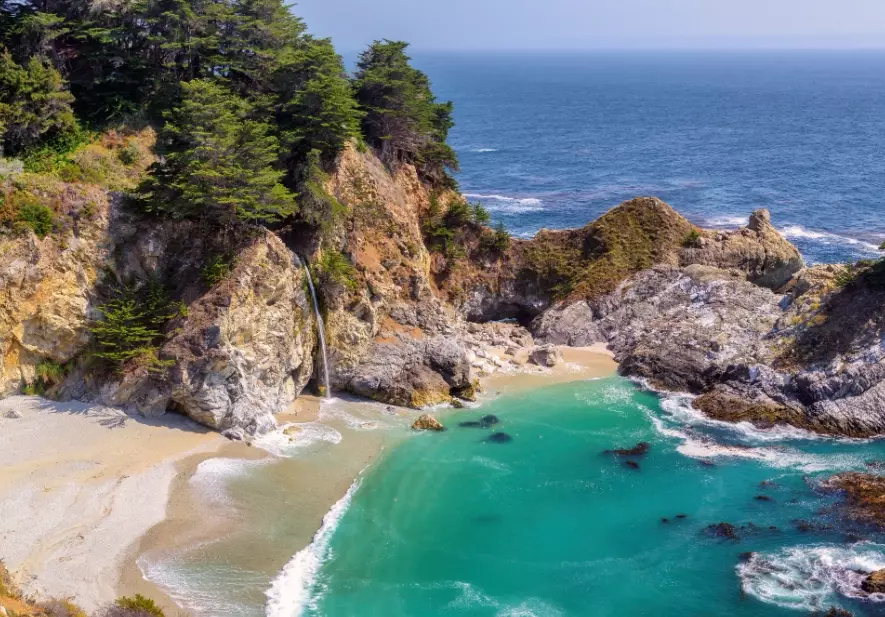
Most guides gloss over the practicalities, but here's what you need to know. It's free to visit, but donations are appreciated to help with maintenance. The address is Beal Road, Niland, CA 92257. It's open 24/7, but I'd avoid midday in summer—temperatures can hit 110°F. From Los Angeles, take I-10 east to CA-111 south, then follow signs to Niland. Parking is a dirt lot, and there are no facilities, so bring water and sunscreen.
A common mistake? People underestimate the remoteness. There's no cell service, and the nearest gas station is 20 miles away. I once saw a tourist run out of gas nearby; it's not a fun situation. Plan ahead.
Getting There and What to Expect
The mountain is about a 3-hour drive from San Diego or 4 hours from LA. Roads are paved until the last few miles, which are gravel. It's wheelchair-accessible to a point, but the terrain is uneven. According to the Salvation Mountain nonprofit page, volunteers maintain the site, so respect the "no climbing" signs—some visitors ignore this and damage the art.
The Integratron: Sound Baths in a Dome
Imagine lying in a wooden dome, listening to quartz bowls vibrate, and feeling your stress melt away. That's the Integratron in Landers, CA. Built by UFO enthusiast George Van Tassel in the 1950s, it's said to be based on Nikola Tesla's designs for an anti-gravity time machine. Sounds wild, right? I tried a sound bath last year, and it was surreal—not magical, but oddly relaxing.
Tickets cost around $80 per person for a 60-minute session, and you need to book weeks in advance on their website. Address: 2477 Belfield Blvd, Landers, CA 92285. Sessions run daily, but times vary; check their schedule. From Palm Springs, it's a 45-minute drive via CA-62. The area is remote, with dirt roads, so drive slowly.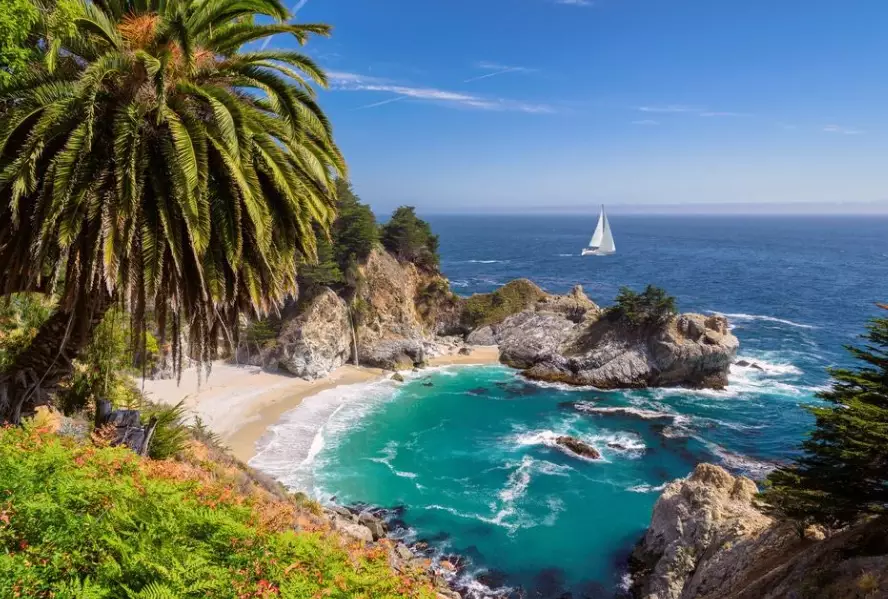
Here's a non-consensus view: many reviews hype it as life-changing, but I found it overpriced for what it is. The sound bath is enjoyable, but the dome itself is the real attraction—the acoustics are incredible. Go for the experience, not the hype.
| Feature | Details |
|---|---|
| Ticket Price | $80 per person (advance booking required) |
| Address | 2477 Belfield Blvd, Landers, CA 92285 |
| Hours | Vary by session; typically 10 AM - 5 PM |
| Best Time to Visit | Weekdays to avoid crowds |
| Nearby Town | Yucca Valley (15 minutes drive) |
Glass Beach: Trash Turned Treasure
Glass Beach in Fort Bragg is a testament to nature's recycling. Decades ago, it was a dumping ground for bottles and ceramics. Now, the ocean has tumbled the glass into smooth, colorful pebbles covering the shore. It's beautiful, but let me be honest—it's smaller than photos suggest, and parking is a nightmare during peak season.
Admission is free, and it's part of MacKerricher State Park. Address: Glass Beach Dr, Fort Bragg, CA 95437. Open sunrise to sunset. From San Francisco, take US-101 north to CA-20 west, about a 4-hour drive. There's a small lot that fills up by 10 AM; I recommend arriving early or biking from town.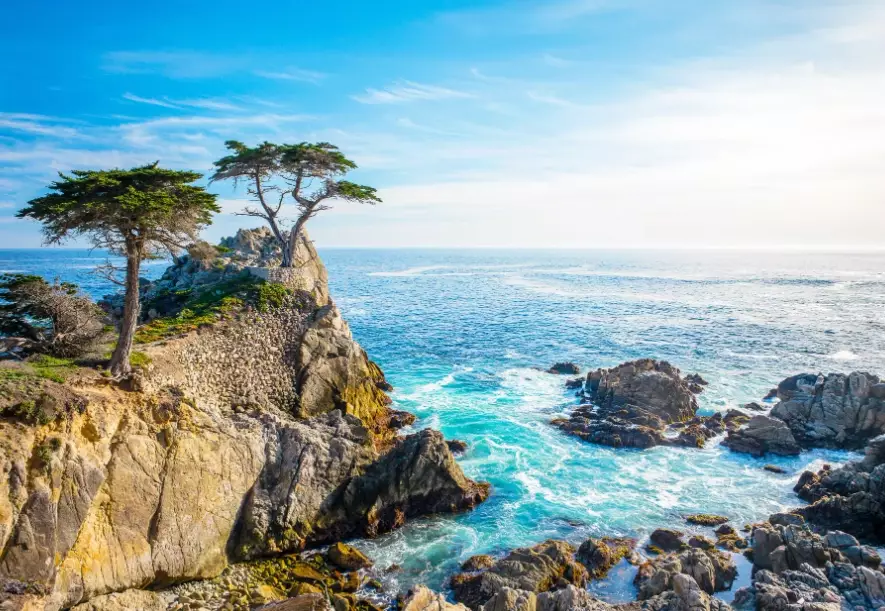
A key tip: don't take the glass! It's protected by state law, and rangers do patrol. I've seen tourists get fined for pocketing souvenirs. The beach is best at low tide when more glass is exposed. Check tide charts on the National Oceanic and Atmospheric Administration site for timing.
Bodie Ghost Town: Frozen in Time
Bodie is a gold-mining ghost town preserved in a state of "arrested decay." It's eerie and fascinating—buildings are left as they were in the 1880s, with furniture and items still inside. I visited in fall, and the silence was haunting. It's not for everyone; if you dislike dusty roads or history, skip it.
Entrance is $8 for adults, free for kids under 17. Address: Bodie State Historic Park, CA-270, Bridgeport, CA 93517. Open 9 AM to 6 PM in summer, 9 AM to 4 PM in winter. From Lake Tahoe, take US-395 south to CA-270 east; the last 3 miles are unpaved and rough. High-clearance vehicles help, but sedans can manage if driven carefully.
According to the California State Parks website, Bodie has limited facilities—no food or gas nearby. Bring snacks and water. A mistake I made: not checking weather. It can snow unexpectedly, even in spring. Dress in layers.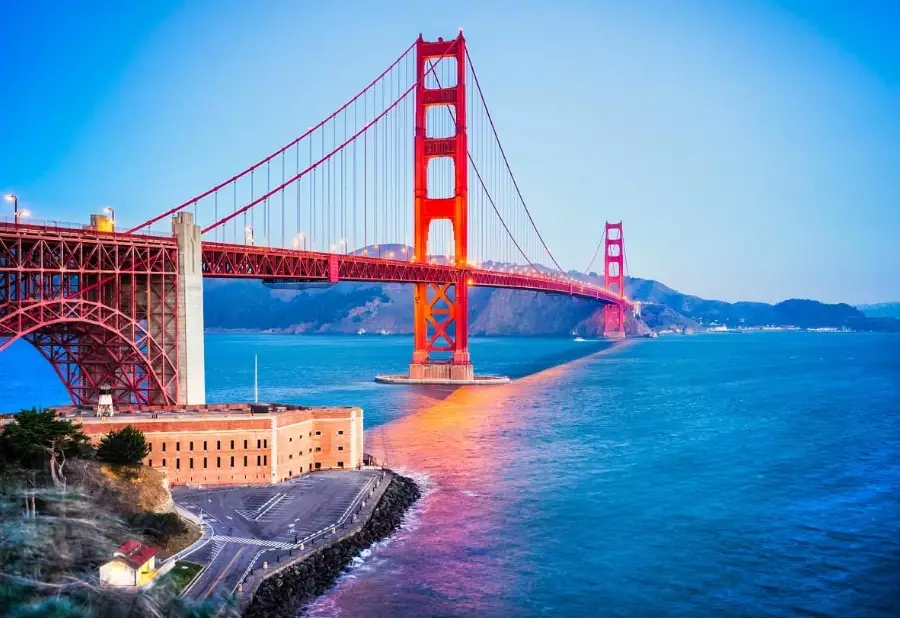
Mono Lake Tufa Towers: Alien Landscape on Earth
Mono Lake looks like it's from Mars. The tufa towers are limestone formations that rise from the saline water, created by underwater springs. It's a birder's paradise too, with millions of migratory birds. I camped here once and woke up to a sunrise that painted the towers orange—unforgettable.
There's a $3 access fee for the South Tufa Area. Address: Mono Lake Tufa State Natural Reserve, Lee Vining, CA 93541. Open 24/7, but the visitor center runs 8 AM to 5 PM. From Yosemite, take Tioga Pass (CA-120) east; it's about an hour drive. Note: Tioga Pass closes in winter due to snow, so plan between May and October.
Few people mention the smell. The lake's high salinity creates a sulfur-like odor, especially on hot days. It's not overpowering, but be prepared. Also, the water is too salty for swimming—it's more for photography and hiking.
Planning Your Unique California Road Trip
After years of road-tripping, I've learned that visiting unique places requires flexibility. Don't try to cram too many spots into one trip. For a 5-day itinerary, focus on Southern California deserts or Northern California coasts.
Start in LA, hit Salvation Mountain and the Integratron in one day (they're 2 hours apart), then head to Joshua Tree for camping. Next, drive up to Bodie and Mono Lake—that's a long haul, about 6 hours, but worth it. End with Glass Beach in Fort Bragg. Rent a car with good mileage; gas stations are sparse in remote areas.
Budget-wise, aside from attraction costs, allocate for gas and food. Many unique spots have no restaurants nearby. I always pack a cooler with sandwiches and water. According to AAA's travel reports, California road trips average $50-100 per day for fuel, depending on your vehicle.
Common Mistakes to Avoid When Visiting Unique Spots
Newcomers often ruin their trips by overlooking simple things. Here are pitfalls I've seen repeatedly.
First, ignoring seasonality. Salvation Mountain is hell in summer, while Bodie is inaccessible in heavy snow. Check climate data from the Western Regional Climate Center before booking. Second, overpacking—you don't need fancy gear, but do bring essentials like a first-aid kit and extra water. I once helped a family stranded with a flat tire and no spare; don't be that person.
Third, relying on GPS alone. Cell service drops in remote areas. Download offline maps or carry a paper map. Last, disrespecting the sites. These places are fragile; stay on marked paths and follow rules. At Glass Beach, I've seen people trample delicate areas for photos—it damages the ecosystem.


Comments
Leave a Comment