You know the postcard spots: the Golden Gate Bridge, Disneyland, Yosemite's Tunnel View. But California's real magic often lies off those well-worn paths, in places where the crowds thin out and the landscape feels like a secret you've just discovered. As someone who's spent a decade exploring every corner of this state, from forgotten desert towns to misty coastal groves most people drive right past, I'm here to share the genuine hidden gems. These aren't just "less popular" spots; they're experiences that feel untouched, surprising, and deeply rewarding for those willing to seek them out. Forget the generic lists—here are California's best hidden gems, broken down by region with the nitty-gritty details you need to actually go there.
Your Quick Guide to California's Hidden Gems
Northern California's Hidden Treasures
North of San Francisco, the landscape gets wilder, wetter, and weirder. This is where you trade tech hubs for fern-carpeted canyons and beaches made of glass.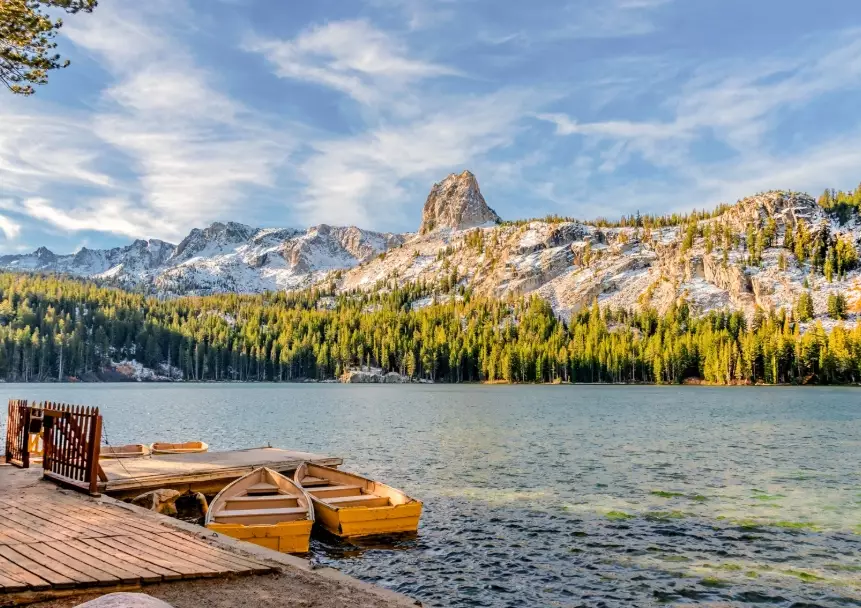
Fern Canyon, Prairie Creek Redwoods State Park
Imagine walking through a 50-foot-deep slit in the earth, its walls completely draped in emerald-green ferns, with a trickling stream underfoot. That's Fern Canyon. It feels prehistoric—so much so that Spielberg used it for Jurassic Park 2. The mistake most first-timers make? They don't check the access rules. The canyon itself is in a protected area.
Fern Canyon Visit Details
Address & Access: The trailhead is at the end of Davison Road, off US-101 near Orick, CA. This is crucial: From May to September, you need a free day-use permit from Recreation.gov to drive the narrow, unpaved Davison Road. No permit? You can hike in 2.5 miles from the park's visitor center.
Cost: $12 per vehicle day-use fee for Prairie Creek Redwoods State Park. The permit for the road is free but mandatory.
Best Time: Late spring through early fall. Winter sees high water and the road often closes.
Pro Tip: Wear waterproof shoes. You will be crossing the creek multiple times. I learned this the hard way with soaked hiking boots.
Glass Beach, Fort Bragg (But Not the One You Think)
Everyone heads to the main Glass Beach in MacKerricher State Park. It's pretty, but the sea glass is picked over. The real secret? There are smaller, less-accessible coves north and south of the main site where colorful glass still washes up. It requires a bit of scrambling and respecting the area—never dig or take large pieces. The joy is in the hunt, not the haul.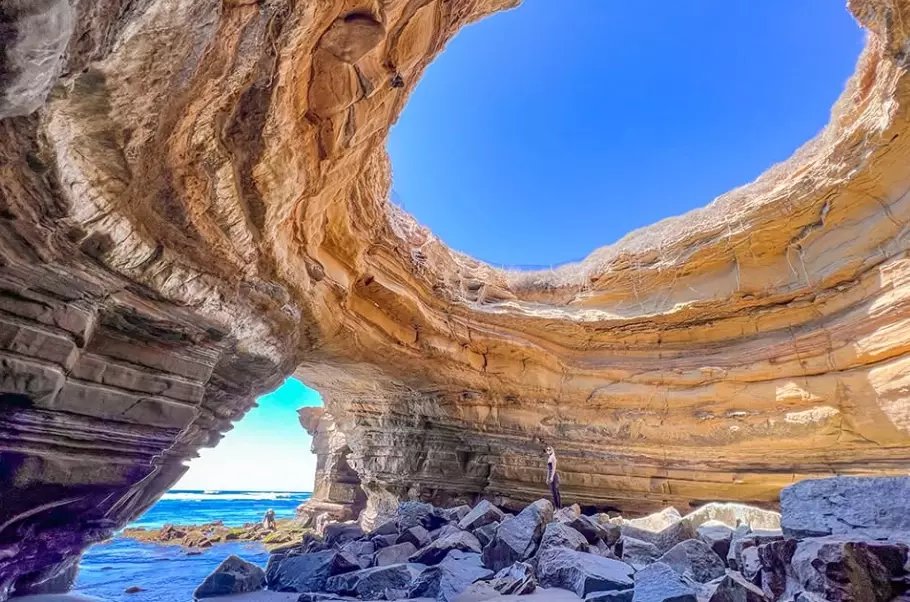
Central California's Secret Spots
Between the Bay Area and LA lies a stretch of coast and valley that most people blast through on Highway 101. Slow down. This is where you'll find solitude.
Pinnacles National Park
Calling Pinnacles a "hidden gem" feels almost disrespectful—it's a full-fledged National Park. Yet, it remains one of the least visited. It lacks the iconic, single vista of its famous siblings. Instead, its beauty is intimate and rugged: towering rock spires formed by an ancient volcano, talus caves you flashlight through, and the chance to spot a endangered California condor. The east and west entrances don't connect by road, forcing you to choose your adventure.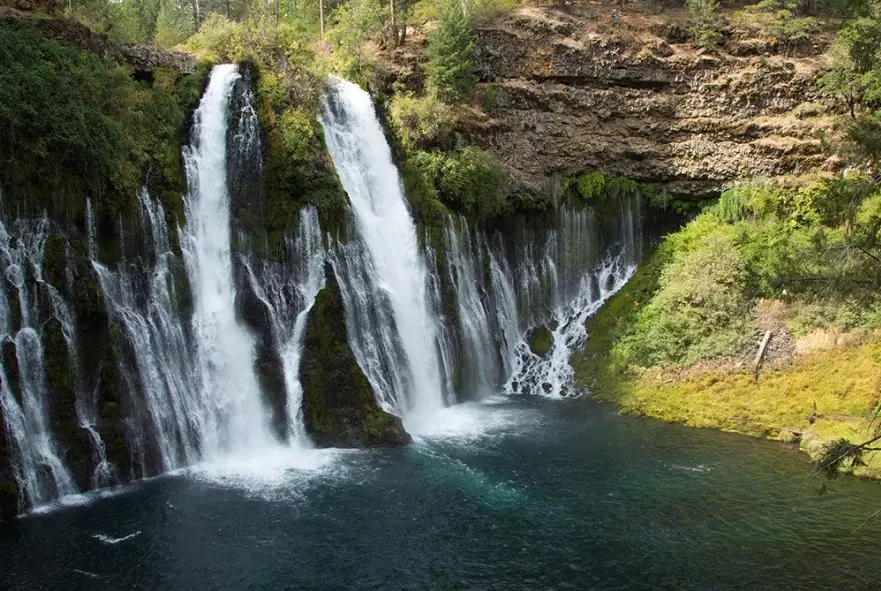
| Side | Highlights | Best For | Camping Note |
|---|---|---|---|
| East Entrance (via Hollister) | Access to Bear Gulch Cave & Reservoir, more condor sightings. | Families, first-timers, cave exploration. | Has the main Pinnacles Campground (reservations essential). |
| West Entrance (via Soledad) | Steeper trails, Balconies Cave, quieter experience. | Serious hikers seeking solitude. | No camping, only picnic area. Stay in nearby towns. |
My non-consensus take? Skip the crowded Bear Gulch on a weekend midday. Go to the Balconies Cave on the west side instead. It's darker, narrower, and feels more like an adventure.
Alabama Hills, Near Lone Pine
Nestled in the rain shadow of the mighty Sierra Nevada, the Alabama Hills are a playground of golden, weathered granite boulders set against the jagged spine of Mt. Whitney. It's free, it's public land (Bureau of Land Management), and you can camp almost anywhere (follow Leave No Trace principles). The classic error? People treat it just as a photo op for Mobius Arch. Spend the night. The night sky here, away from the lights of Lone Pine, is staggering.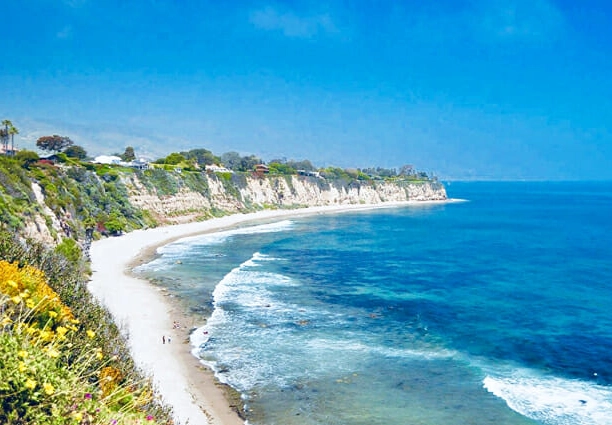
Southern California's Offbeat Wonders
Beyond the beaches and theme parks, Southern California's desert and mountain interiors hold surreal surprises.
Salton Sea & Salvation Mountain
This is a hidden gem of a different color—one of fascinating decay and profound artistry. The Salton Sea is a massive, shrinking saline lake, an accidental creation from a 1905 engineering mistake. Its shores are lined with the bones of dead fish and abandoned resorts. It smells. It's eerie. And it's utterly compelling. Nearby, Salvation Mountain is a hillside entirely covered in bright paint, biblical messages, and found objects—a one-man, decades-long labor of love by Leonard Knight.
Planning Your Visit
Salvation Mountain Address: Beal Rd, Niland, CA 92257. It's free, but donations are appreciated for upkeep.
When to Go: October to April ONLY. Summer temperatures here in the Colorado Desert are dangerously extreme, regularly hitting 115°F+ (46°C+).
Combine With: The nearby artist community of Slab City. Understand it's an off-grid, lawless area. Be respectful, don't take intrusive photos of residents, and visit during daylight.
Anza-Borrego Desert State Park's Metal Sculptures
In the vast badlands of Anza-Borrego, you'll find a herd of life-sized metal dinosaurs, a giant serpent, and a mammoth, all created by artist Ricardo Breceda. They're not signposted on main roads. You need coordinates or a rough map from the visitor center. Finding them feels like a desert scavenger hunt. The most famous cluster is at Galleta Meadows Estate.
Go at sunset. The way the dying light hits the rusted metal sculptures against the purple hills is something you won't forget.
How to Find More Hidden Gems Like a Pro
Relying on mainstream travel sites will only get you so far. To find your own secret spots:
- Use Google Maps Terrain View: Switch to the terrain layer. Look for green patches in desert regions (indicating oases or springs), or interesting contour lines along a coast that might signal a hidden cove.
- Read Niche Blogs & Forums: Search for "[Region Name] backpacking trip report" or "[Area] geology tour." Enthusiasts often detail obscure locations.
- Visit Local Ranger Stations: Not the big park visitor centers, but the small district ranger offices for National Forests (like Inyo or Cleveland). The staff there have goldmines of information on unpublicized trails and campsites.
The key mindset shift: Seek experiences, not just landmarks. A hidden gem can be a perfect, empty beach you find by accident, not just a famous one with a name.


Comments
Leave a Comment