Ask someone to name American food, and you'll likely get a quick list: burgers, hot dogs, apple pie. But that's just the surface. The true story of America's top foods is a messy, delicious tale of immigration, adaptation, and regional pride. It's not about a single "best" dish, but about dishes that have woven themselves into the national fabric. This isn't a ranking of fancy restaurant creations, but a deep dive into the 10 iconic foods that define the American culinary experience, where to find their best versions, and why they matter.
Your Quick Bite-Sized Guide
The Ultimate List: America's Top 10 Foods
Let's cut to the chase. Here are the ten foods that consistently top polls, spark debates, and represent the diverse palate of the United States. Think of this as your culinary bucket list.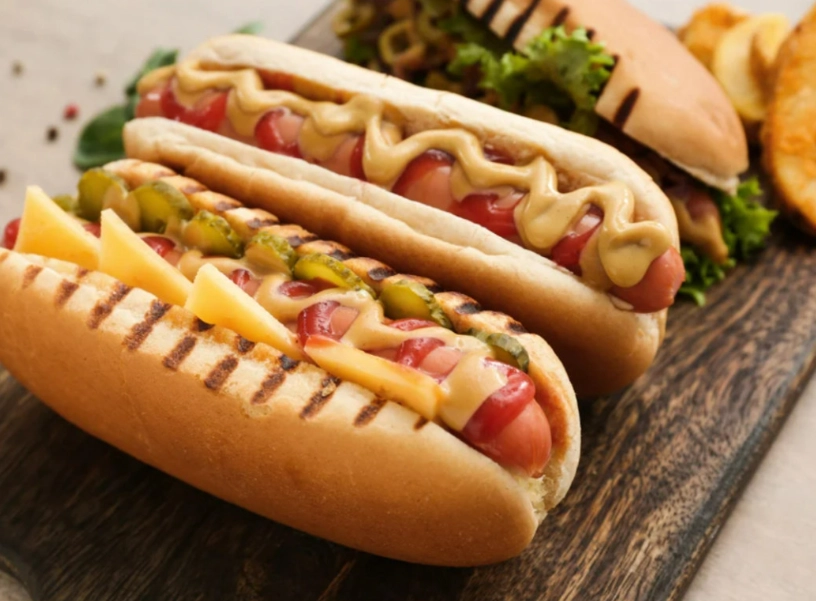
| Food | Core Region/Origin Story | Why It's Iconic |
|---|---|---|
| 1. The Hamburger | National (debated origins: Hamburg, NY; Seymour, WI; etc.) | The ultimate customizable, handheld meal. A symbol of fast food and backyard grills. |
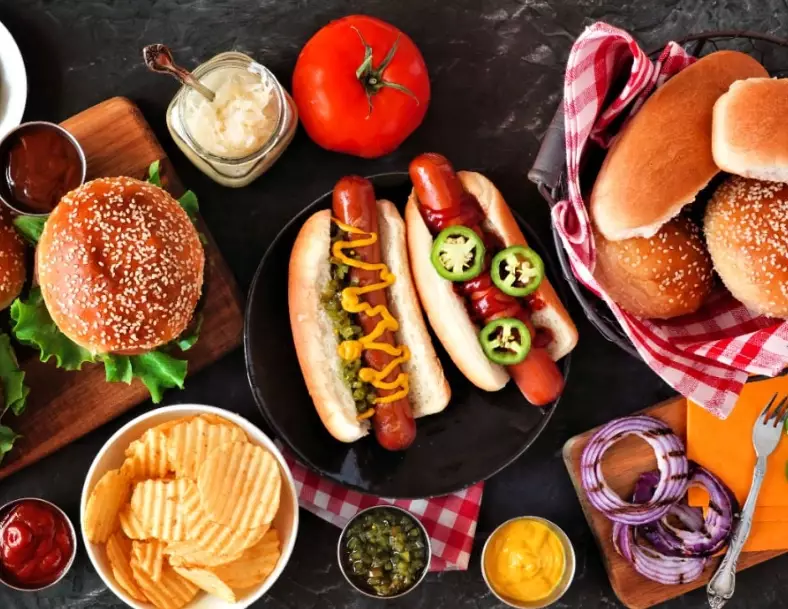
| 2. The Hot Dog | National (German immigrant roots) | The sporting event and summer cookout staple. Endless regional topping wars (Chicago vs. NYC). |
| 3. Apple Pie | National (European roots, American adoption) | "As American as apple pie." Represents home, tradition, and idealized nostalgia. |
| 4. Barbecue (BBQ) | South & Midwest (Texas, Kansas City, Carolina, Memphis) | Not a food, but a religion. Slow-cooked meat (pork, brisket) with fiercely defended regional sauces and woods. |
| 5. Fried Chicken | American South (with Scottish & West African influences) | Comfort food perfection. Crispy, juicy, and deeply tied to Southern culture and family gatherings. |
| 6. Pizza | National (Neapolitan immigrant roots, evolved in NYC & Chicago) | The great unifier. From thin-crust New York slices to deep-dish Chicago pies, it's America's favorite delivery food. |
| 7. The Taco | Southwest/Mexican-American fusion | A brilliant import that America made its own. Hard-shell, ground beef tacos are a distinctly American creation. |
| 8. New England Clam Chowder | New England | The creamy, briny soup that defines the Northeast coast. The "Manhattan vs. New England" chowder debate is real. |
| 9. Philly Cheesesteak | Philadelphia, Pennsylvania | A sandwich so iconic it's named for its city. The "wit" or "witout" (onions) and cheese choice (Cheez Whiz, provolone) are critical. |
| 10. Chocolate Chip Cookies | National (invented in Massachusetts) | The accidental invention that became the default cookie. Represents home baking and simple sweetness. |
See a pattern? Most aren't "invented" here in a vacuum. They're immigrants that became naturalized citizens of our dinner tables. That's the real American food story.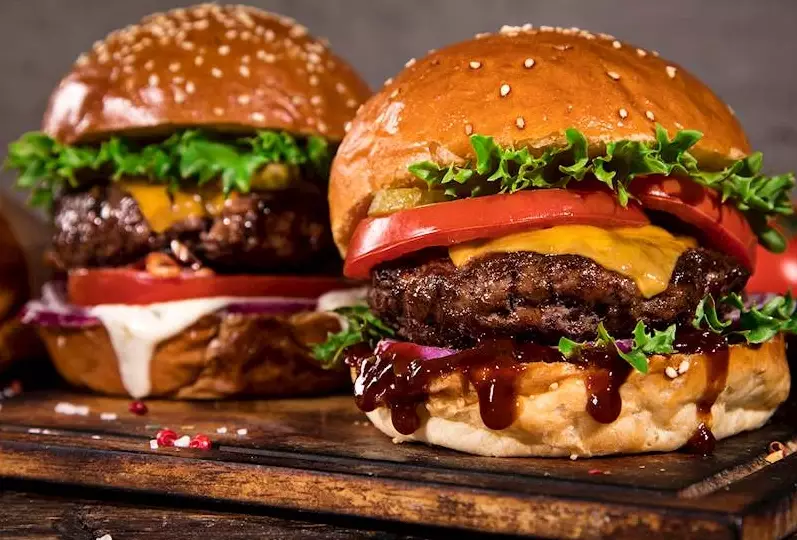
Beyond the Bun: The Hamburger Deconstructed
Everyone knows the burger. Here's what most lists don't tell you: the obsession with gourmet toppings often ruins it. A great burger is about balance and quality, not a tower of ingredients that requires surgical disassembly.
The patty is the star. The fat ratio (80/20 beef to fat is the sweet spot) and a loose hand when forming it matter more than the type of Wagyu beef. Smashing that patty on a hot griddle for a crispy crust (a la Shake Shack) versus a thick, juicy pub burger are two valid schools of thought. The bun should be sturdy enough to hold up but soft, often toasted in butter. Lettuce, tomato, onion, pickles, cheese, and a sauce—that's usually all you need.
Expert Misstep: Overcomplicating it. A burger piled with arugula, balsamic glaze, fried eggs, and truffle aioli loses the point. The flavors fight, and you can't taste the beef. Start simple, master the basics of a good griddle-seared patty and toasted bun, then maybe experiment.
Where can I find a benchmark burger?
Skip the obvious chains. For that classic, no-frills diner burger, you need a local spot with a worn counter. If you're chasing icons:
- Louis' Lunch in New Haven, CT, claims to be the birthplace. It's a bare-bones, historic experience (no ketchup allowed!).
- Au Cheval in Chicago is often cited for its perfect single or double cheeseburger—expect a wait.
- In-N-Out Burger (West Coast) is the fast-food gold standard for freshness and simplicity. Order it "Animal Style" for the secret menu experience.
Regional Rivalries: BBQ, Pizza, and More
This is where American food gets territorial and fascinating. Calling something just "BBQ" or "pizza" is a great way to start an argument.
Barbecue is the clearest example. In Texas (central Texas, specifically), it's all about beef brisket, seasoned with just salt and pepper, smoked over post oak, and served with zero sauce on the meat. Sauce is on the side, if at all. Drive to Kansas City, and you'll find a sweet, thick, tomato-based sauce slathered on slow-smoked pork and beef. Head to the Carolinas, and pork shoulder is king, pulled and paired with a vinegar-based pepper sauce (Eastern NC) or a mustard-based sauce (South Carolina). Memphis loves dry-rubbed ribs. Each region considers its method the only true way.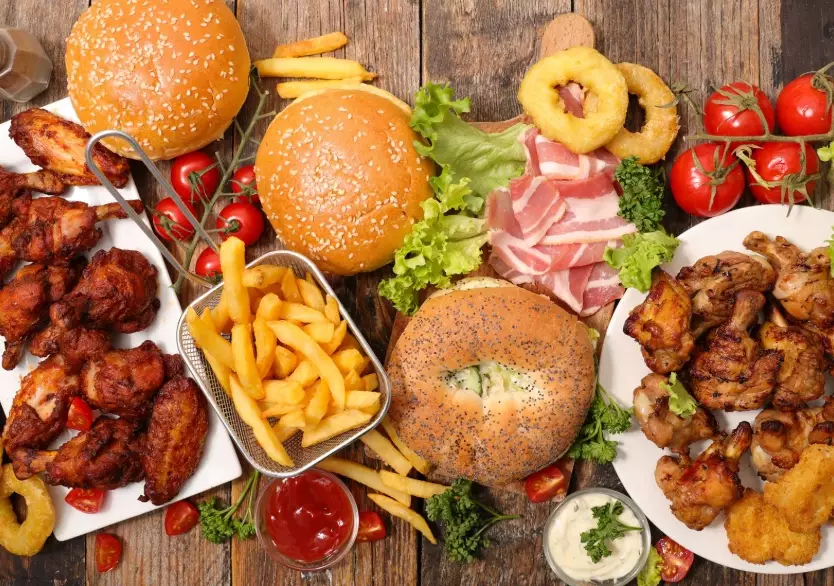
Planning a BBQ Pilgrimage? Don't just show up at noon. The best brisket at legendary spots like Franklin Barbecue in Austin or Snow's BBQ in Lexington sells out by early afternoon. Be prepared to wait in line for hours—it's part of the ritual. Bring a chair.
Pizza has similar divides. New York-style is large, thin, foldable slices with a slightly charred crust, sold by the slice. Chicago deep-dish is a pie, more like a casserole with a thick, buttery crust, layers of cheese, toppings, and chunky tomato sauce on top. Detroit-style is a rectangular pie with a thick, airy, crispy crust and cheese caramelized at the edges. New Haven "apizza" has a charred, oblong crust, often topped with just clams. They're all pizza, but they're worlds apart.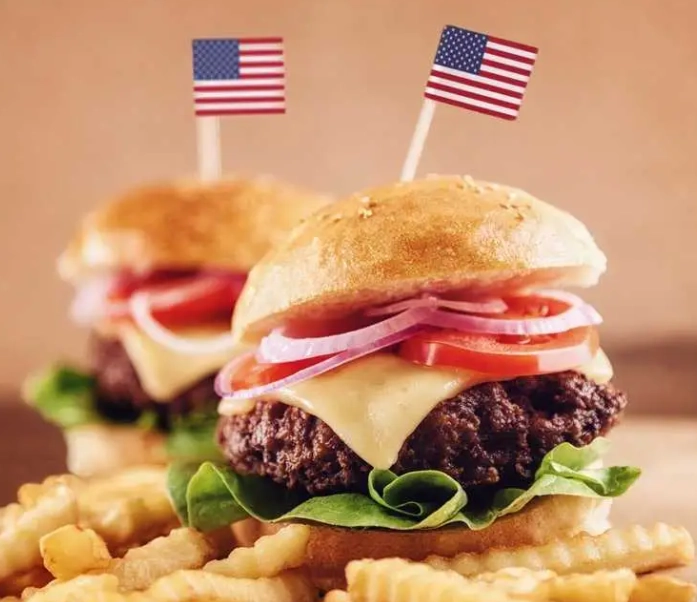
What about the others?
Philly Cheesesteak: The debate is between Pat's and Geno's, but many locals will tell you the best are at lesser-known spots like John's Roast Pork or Dalessandro's. The key is the roll—it must be an Amoroso roll, soft yet strong enough to hold the juices without getting soggy.
New England Clam Chowder: It must be creamy (milk/cream-based), not red (that's Manhattan style). The best have tender clams, diced potatoes, onions, and maybe salt pork. A proper bowl at a place like Legal Sea Foods (multiple locations, started in Boston) or The Oyster Club in Mystic, CT, is a taste of the sea.
Where to Eat: Finding the Real Deal
You want addresses. Here are specific spots to target for an authentic taste of these top 10 foods. This isn't an exhaustive list, but a solid starting point.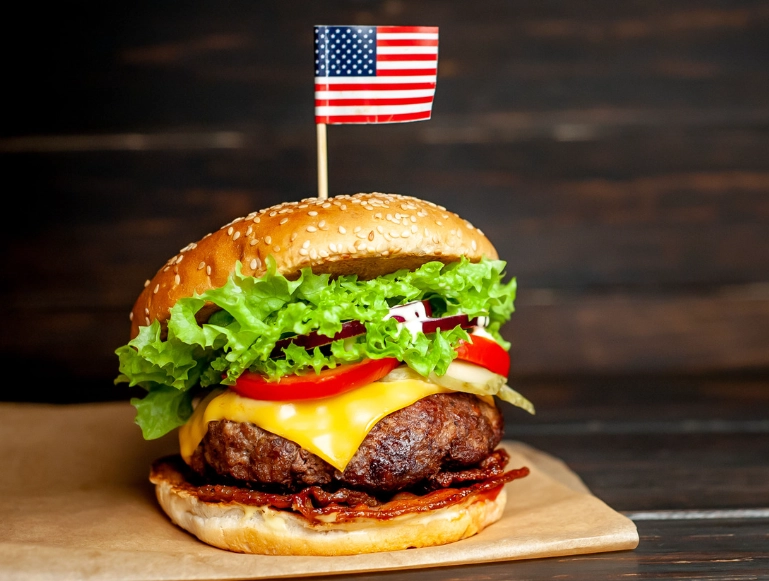
2. Hot Dog: For a classic New York dog with "everything" (onions, sauerkraut, mustard), hit a street cart or Nathan's Famous in Coney Island. For a Chicago dog (poppy seed bun, neon relish, sport peppers, no ketchup), try Portillo's or Superdawg.
5. Fried Chicken: Beyond the excellent chains (Raising Cane's for tenders, Popeyes for spicy), seek out soul food restaurants in the South. Willie Mae's Scotch House in New Orleans is legendary. For a Nashville Hot Chicken experience, the original Prince's Hot Chicken Shack in Nashville is the fiery standard.
7. Taco: For the hard-shell, ground beef "American" taco, a well-made version at a local diner can be great. But to understand its evolution, visit a Tex-Mex institution like Mi Tierra Cafe y Panadería in San Antonio. For incredible, authentic Mexican-American tacos (soft corn tortillas, grilled meats), Los Angeles is king—Guisados (multiple locations) for stewed fillings, or any truck on Olympic Blvd.
10. Chocolate Chip Cookies: The Toll House cookie recipe on the Nestlé bag is the classic home version. For iconic bakery versions, people queue at Levain Bakery in NYC for massive, under-baked-centered cookies, or Insomnia Cookies for late-night delivery.



Comments
Leave a Comment