Let's be honest. The idea of packing for a massive USA road trip is exciting for about five minutes. Then the anxiety creeps in. You're staring at an empty suitcase, imagining the scorching heat of Death Valley, the chilly mist of a Pacific Northwest forest, and a fancy dinner in New Orleans all in the same three-week span. What on earth do you bring?
I've driven cross-country more times than I can count, from the tailgate-friendly beaches of Florida to the lonely highways of Montana. I've also made every packing mistake in the book. I've been the person freezing in a T-shirt at a Grand Canyon sunrise and the one frantically buying overpriced phone chargers at a gas station in Nebraska.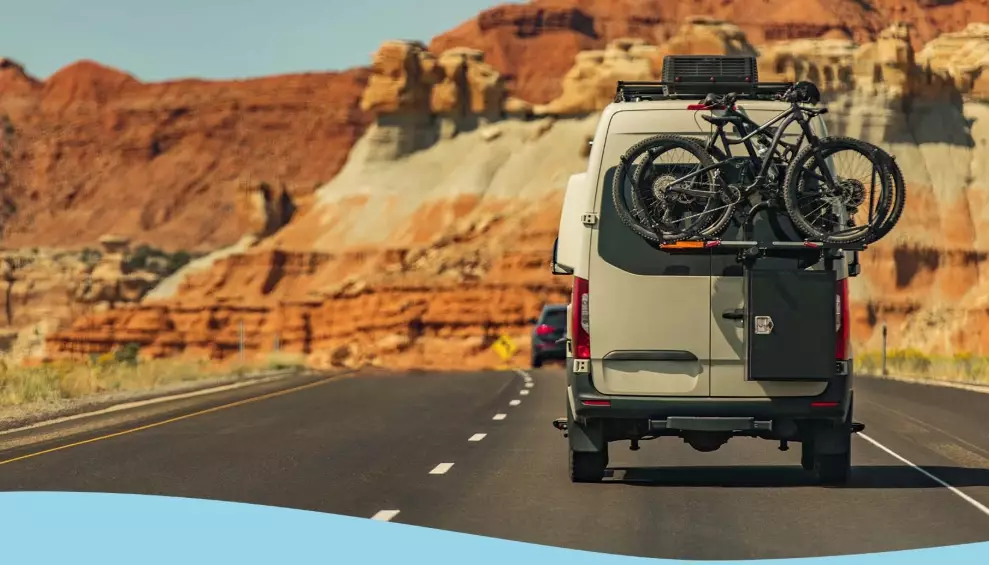
This list isn't just a generic rundown. It's a battle-tested, scenario-planned guide to packing for the diverse, unpredictable, and utterly amazing experience of an American road trip. We'll move beyond the obvious and dig into the specifics that make the difference between a trip that's smooth sailing and one filled with minor, annoying headaches.
Your Road Trip Packing Quick Guide
- The Absolute Must-Haves (Don't Leave Home Without These)
- Your Clothing Strategy: Mastering the Layers
- Tech & Entertainment: Staying Powered and Sane
- Health, Safety, and Comfort Items
- Next-Level Comfort and Convenience
- Seasonal & Specialized Packing
- Expert Packing and Organization Tips
- Your Road Trip Packing Questions Answered
The Absolute Must-Haves (Don't Leave Home Without These)
Forget your favorite hat. You can buy another one. These are the items that can derail your trip or cost you serious time and money if forgotten.
Documents and Money
Driver's License & Registration: This seems obvious, but ensure your license isn't expired. If you're renting a car, you'll need the primary driver's license and usually a major credit card in their name.
Proof of Insurance: For your own car or the rental. Have both the physical card and a digital copy saved in your phone.
Passport or ID: Even for domestic travel, a passport is the gold standard for ID. If you're flying in to start your road trip, double-triple check you have it.
National Park Pass (Annual "America the Beautiful" Pass): If you're hitting more than two national parks, this $80 pass pays for itself instantly. It covers the entrance fee for you and your entire carload. Buy it at the first park gate you enter.
The Car Kit
Your vehicle is your lifeline. A few basics can turn a potential disaster into a minor delay.
- Reliable GPS & Offline Maps: Google Maps is great, but it's useless without data. Before you go, download offline maps for all the states you'll traverse on the Google Maps or Maps.me app. A dedicated GPS unit (like Garmin) is a solid backup that never loses signal.
- Spare Tire, Jack, and Tire Iron: Know how to use them. Check the spare's pressure before you leave.
- Jumper Cables or a Portable Jump Starter: A compact lithium jump starter is a game-changer. No need to flag down another car; you can jump yourself in minutes.
- Basic Toolkit: Screwdrivers (flat and Phillips), adjustable wrench, duct tape, and zip ties can fix a surprising number of minor issues.
Your Clothing Strategy: Mastering the Layers
Packing clothes for a USA road trip is about versatility, not volume. The climate can shift drastically in a single day's drive.
The Core Principle: Layering. Think in three parts: Base, Mid, and Outer.
| Layer Type | Function & Examples | Material Tips |
|---|---|---|
| Base Layer | Wicks moisture away from your skin. Think t-shirts, tank tops, long-sleeve thermal tops. | Avoid cotton for active days (it holds moisture). Merino wool or synthetic blends (like polyester) are ideal. |
| Mid Layer | Provides insulation. This is your warmth layer. | A lightweight fleece jacket or packable down/synthetic puffer vest. Incredibly versatile. |
| Outer Layer (Shell) | Protects from wind, rain, and snow. | A lightweight, waterproof, and breathable jacket. This is non-negotiable if you're going anywhere near mountains or coasts. |
Bottom Line Packing List (for a 1-2 week trip):
- Tops: 4-5 base layer tops (mix of short and long sleeve), 2 mid-layer tops (fleece, light sweater).
- Bottoms: 2 pairs of comfortable pants (like hiking pants or jeans), 1-2 pairs of shorts, 1 pair of leggings or base layer pants.
- Outerwear: 1 waterproof shell, 1 packable warm jacket (down or synthetic).
- Footwear: 1 pair sturdy, broken-in walking shoes or hiking boots, 1 pair comfortable sandals or sneakers, 1 pair of shower flip-flops (for campgrounds/hostels).
- Accessories: Sun hat, beanie, gloves, 2-3 pairs of moisture-wicking socks, 5-7 pairs of underwear, 2-3 bras, swimsuit.
See? It's not a huge amount. The key is that these pieces all work together. That black base layer works under your fleece for a hike and under your flannel for a casual dinner.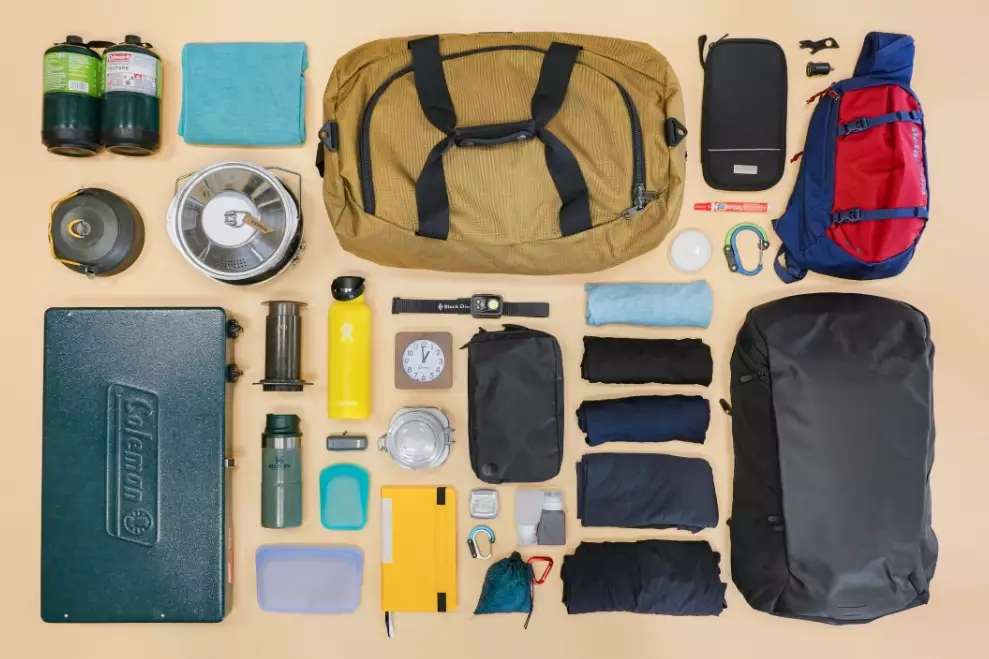
Tech & Entertainment: Staying Powered and Sane
Long stretches of highway demand a good playlist and a charged phone. Here’s the tech checklist that goes beyond just a charger.
- Power Hub: A high-quality, multi-port car charger (think 4+ ports, with USB-C PD) is essential. Add a 20,000mAh+ power bank for hiking or when you're away from the car.
- Music & Podcasts: Download playlists, podcasts, and audiobooks for offline listening. SiriusXM or Spotify Premium are great for variety without using phone data.
- Camera Gear: Beyond your phone. If you're bringing a DSLR or mirrorless, pack extra batteries, memory cards, and a lightweight travel tripod for those sunset shots.
- Entertainment for Passengers: Tablets with downloaded movies, e-readers, classic car games (license plate bingo, anyone?), a deck of cards.
- Miscellaneous Cables & Adapters: Don't forget the specific cable for your camera, your power bank, your e-reader. A small cable organizer bag is a lifesaver.
Health, Safety, and Comfort Items
This is where you prepare for the little annoyances before they become big problems.
A Customizable First-Aid Kit: Don't just buy a pre-made one. Build it. Include: band-aids (multiple sizes), antiseptic wipes, blister pads (like Compeed), pain relievers (ibuprofen, acetaminophen), anti-diarrheal medication, antihistamines, tweezers, and any personal prescription medications with copies of the prescriptions.
Sun and Bug Defense: High-SPF sunscreen (you'll use more than you think), lip balm with SPF, a wide-brimmed hat, and insect repellent. The mosquitoes in the Everglades or the gnats in the Badlands don't care about your vacation vibes.
Hydration & Snacks: A reusable water bottle for each person. A cooler (even a soft-sided one) to keep drinks cold and store picnic items. A stash of non-perishable snacks (nuts, jerky, granola bars) avoids expensive and unhealthy gas station stops.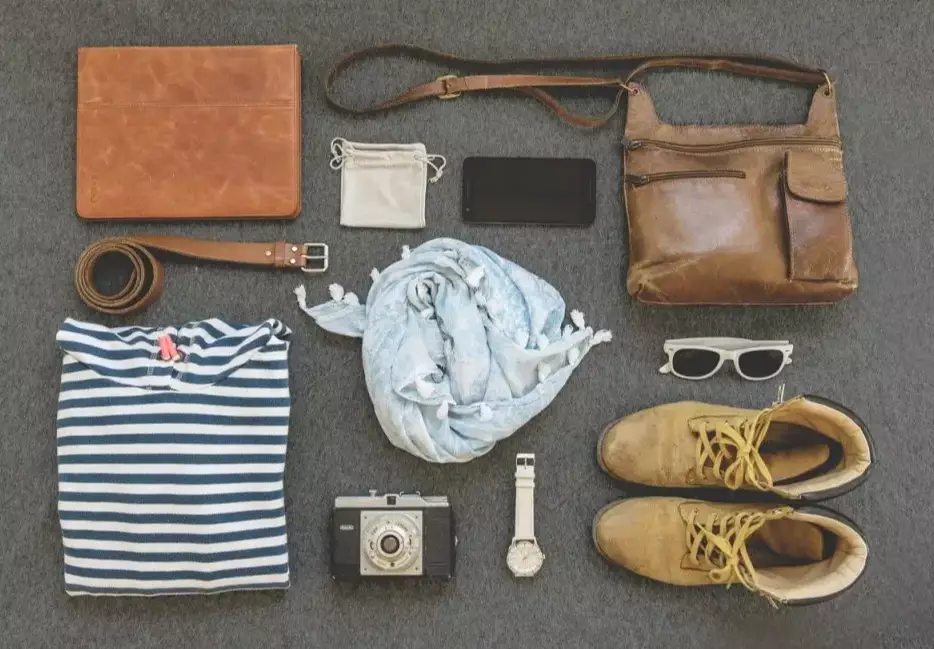
Next-Level Comfort and Convenience
These items aren't strictly necessary, but they elevate the experience from "surviving" to "thriving" on the road.
- Camp Chairs: Two compact camping chairs. For impromptu picnics, beach stops, or just sitting outside your motel room enjoying the evening.
- Blanket or Travel Towel: A picnic blanket, a soft fleece throw, or a quick-dry travel towel. Useful for beaches, parks, or an extra layer of warmth.
- Reusable Utensils & Containers: A spork, a sturdy bowl, and a container for leftovers. It's eco-friendly and perfect for grabbing takeout or assembling a roadside lunch.
- Small Backpack or Daypack: For hikes, sightseeing in cities, or carrying your daily essentials so you're not lugging a huge bag everywhere.
Seasonal & Specialized Packing
Summer Road Trip (Southwest, National Parks)
Focus on sun protection and heat management. Add: Extra sunscreen, cooling neck gaiter, more water bottles, a battery-operated fan, lighter-colored clothing. A sunshade for your windshield is a godsend when parked.
Winter/Shoulder Season (Rockies, New England)
It's all about warmth and traction. Add: Heavy winter coat, thermal base layers, waterproof boots with good tread, microspikes or YakTrax for icy trails, a snow brush/ice scraper for the car, hand warmers. Check road conditions via state DOT websites (like Caltrans for California or WSDOT for Washington).
The Coastal Road Trip (Pacific Coast Highway, New England Coast)
Prepare for damp, windy conditions and variable temps. Waterproof shell is critical. Layer even in summer. A quick-dry towel is great for spontaneous beach visits.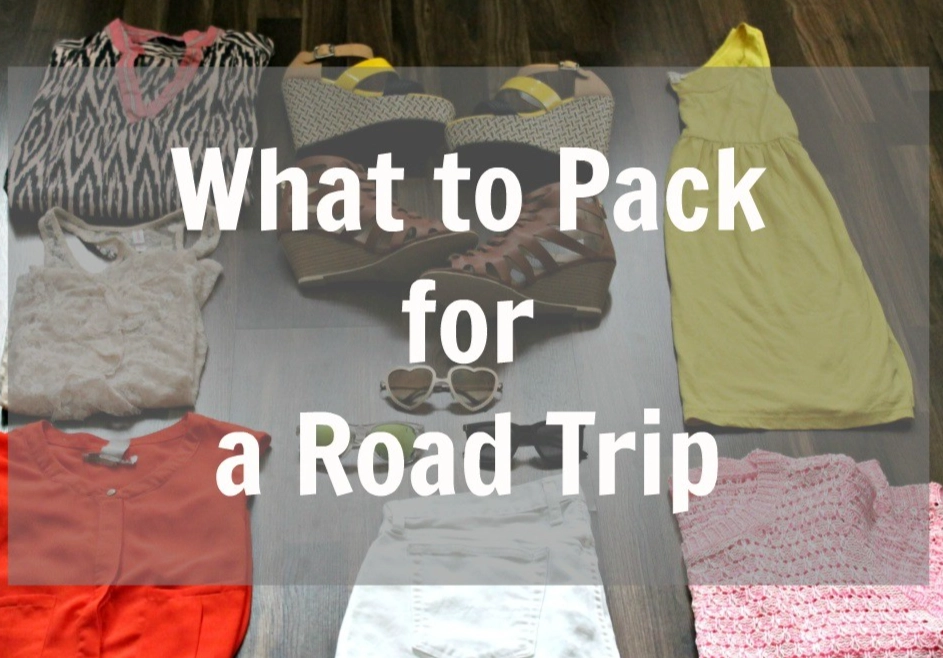
Expert Packing and Organization Tips
How you pack is as important as what you pack.
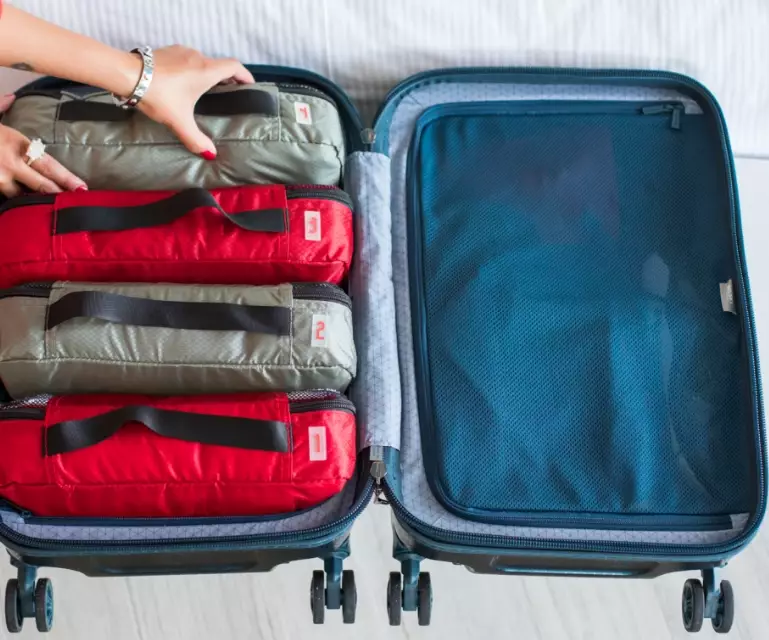
Use Packing Cubes. I can't stress this enough. One cube for tops, one for bottoms, one for underwear/socks. It keeps your suitcase organized when living out of it for weeks and makes repacking a breeze.
The "Day-One" Bag. Pack a small bag with what you'll need for the first 24 hours: a change of clothes, toiletries, pajamas, chargers. You won't have to unpack the entire car at your first tired stop.
Leave "Elastic" Space. You will buy things. A souvenir sweatshirt, local wine, rocks your kids insist on keeping. Pack your bag only 80% full on the way out.
Keep the Car Organized. Use a hanging organizer for the backseat for snacks, maps, wipes, and small items. A collapsible trunk organizer keeps emergency gear, tools, and fluids neatly separated.
Your Road Trip Packing Questions Answered
What are the three most important items people forget on a USA road trip?
How should I pack for a USA road trip with unpredictable weather?
What's different about packing for an RV road trip versus a car road trip?
How can I pack light for a 2-week road trip?
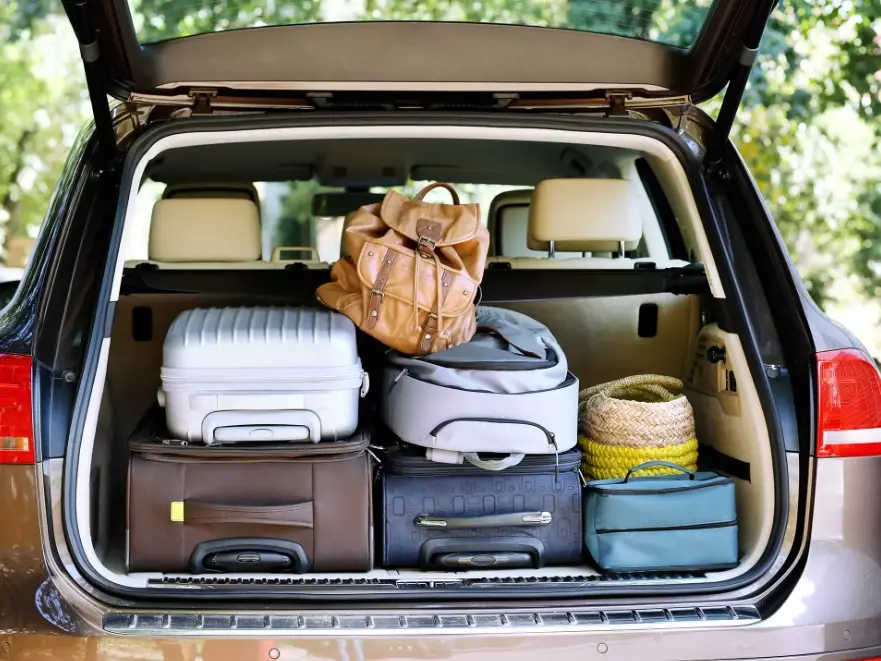 The final piece of advice? Start your packing list now. Add to it over a week as things pop into your head. Use this guide as your foundation, tailor it to your specific route and travel style, and then hit the road with confidence. The freedom of the open highway is calling—and now you're perfectly packed to answer.




Comments
Leave a Comment