Let's be honest. Planning a family trip that keeps everyone from toddlers to teenagers engaged is a puzzle. You want fresh air, not another screen. You crave real adventure, but without the stress of "are the kids going to hate this?" The good news? America's backyard is bursting with possibilities that are genuinely fun for the whole crew. This isn't about forcing a grueling hike on a six-year-old. It's about discovering the moments that turn into family legends—the time you saw a bear (safely!), the waterfall you had all to yourselves, the s'mores that tasted like victory. I've dragged my own family from sea to shining sea, learned from our mistakes (so many mistakes), and found the sweet spots where nature meets pure, uncomplicated joy.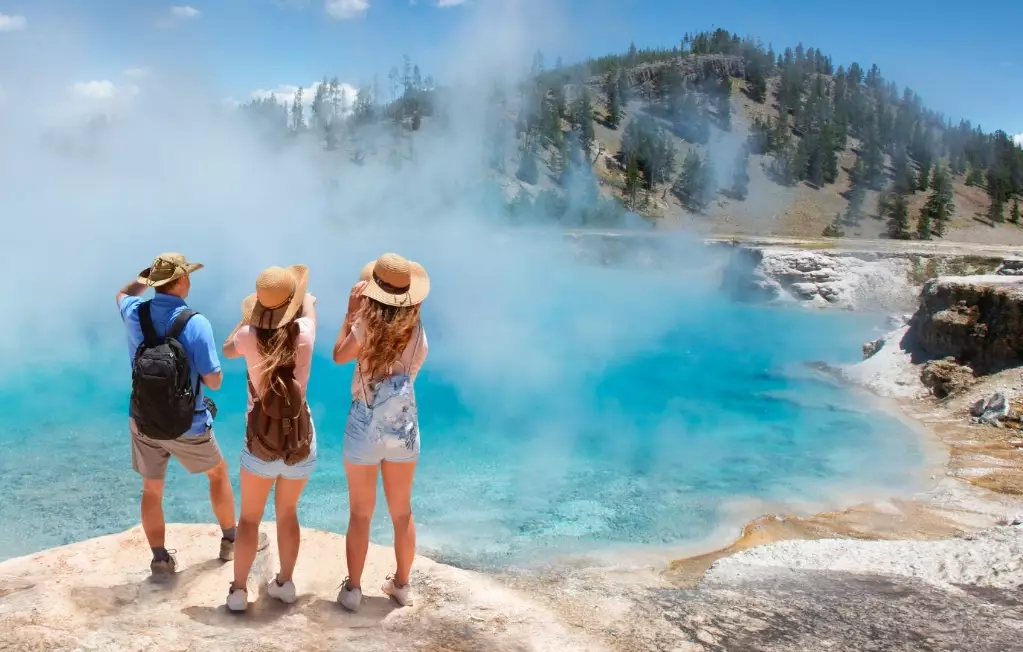
What's Inside This Guide
Why Getting Outside is a Family Game-Changer
We all know it's "good" for us. But the benefits are more immediate than you think. It resets the family mood. There's no Wi-Fi password to argue over, just a trail to follow or a rock to climb. It builds a different kind of teamwork. Navigating a map together, deciding which path to take at a fork—these are tiny, real-world collaboration exercises. And honestly, it's cheaper than most indoor entertainment. A park pass costs less than a movie for four, and the show lasts all day.
The key is reframing success. A successful family outdoor activity isn't about reaching the summit. It's about the weird mushroom your kid found, the picnic lunch that tasted amazing for no reason, and coming home pleasantly tired.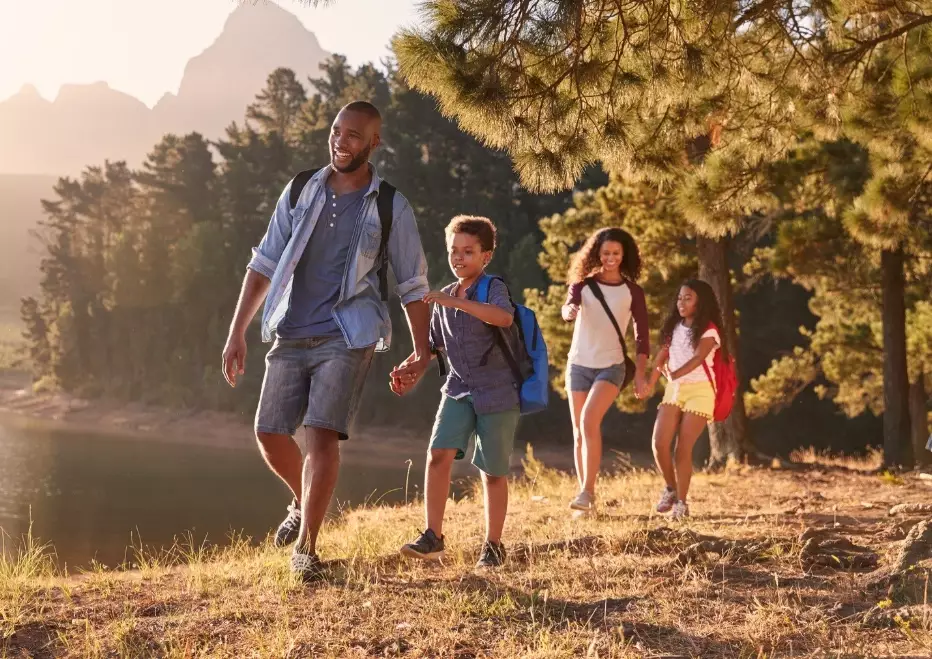
How to Pick Activities by Your Kids' Ages
This is where most generic lists fail. A great activity for a 12-year-old can be misery for a 4-year-old, and vice versa.
For Toddlers & Preschoolers (Ages 2-5)
Think short, sensory, and with a clear payoff. Their world is about texture, color, and immediate rewards.
- Focus: Paved trails, boardwalks over marshes, sandy beaches, gardens with fish ponds.
- Magic Distance: Aim for a 10-20 minute walk to a destination (a big tree, a stream). The journey is the activity.
- Pro Tip: Bring a bucket and shovel everywhere. A patch of dirt can entertain for an hour. I learned this after my daughter spent 45 minutes transferring pebbles at the Grand Canyon overlook while we admired the view.
For Big Kids (Ages 6-11)
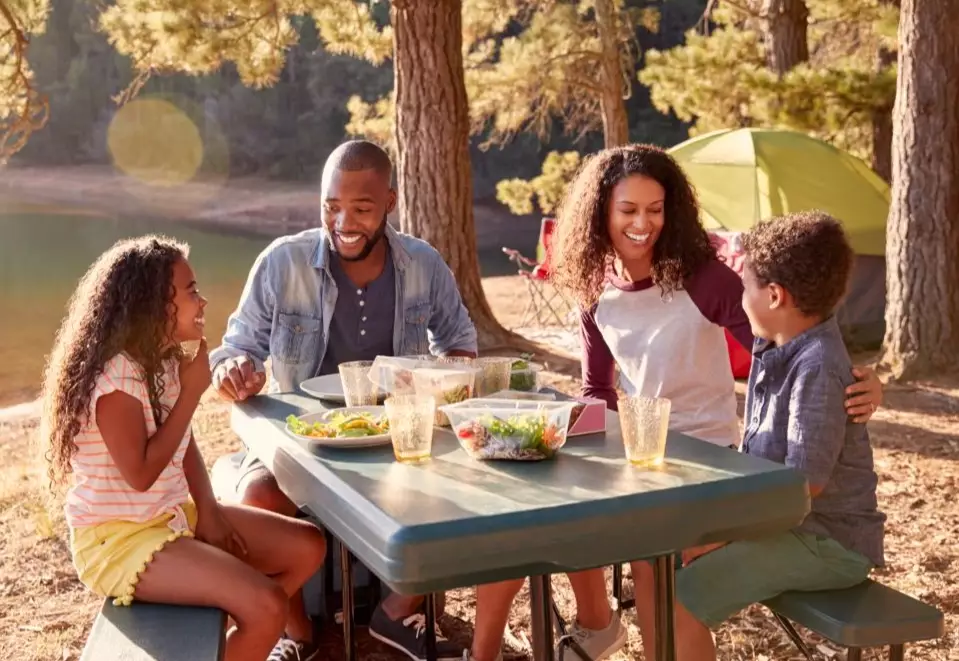
This is the golden age for outdoor adventure. They have stamina, curiosity, and love a tangible goal.
- Focus: Real hiking trails (1-3 miles), junior ranger programs, kayaking, easy rock scrambling, scavenger hunts.
- The Hook: Give them a mission. "We're hiking to find the waterfall." "Let's see how many different bird songs we can hear." The National Park Service's Junior Ranger booklets are genius for this.
- Pro Tip: Get them their own small backpack with a water bladder. The sense of ownership is huge.
For Tweens & Teens (Ages 12+)
The challenge is combating the "I'd rather be on my phone" instinct. The answer? Make it physically engaging or socially cool enough to post.
- Focus: Longer hikes with elevation gain, biking trails, paddleboarding, snorkeling, camping trips they help plan.
- The Hook: Involve them in the planning. Let them pick between two hikes. Promise epic photo ops (a canyon swing, a bioluminescent bay).
- Pro Tip: Acknowledge the effort. "This climb is tough, but the view at the top is supposed to be insane." Treat them like partners, not kids you're dragging along.
Epic National & State Park Adventures
Yes, the big names are famous for a reason. But you need a strategy.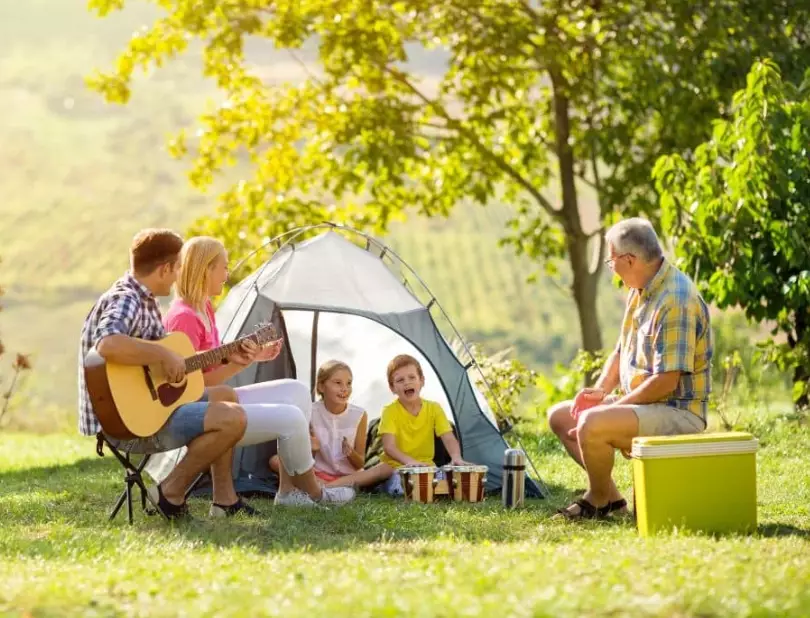
Can't-Miss Parks & How to Do Them Right
Here’s a breakdown of three iconic yet family-manageable parks, with the specific spots that work best for kids.
| Park & Location | Best Kid-Friendly Feature | Practical Info (Fees, Timing) | Our Family's Favorite Spot |
|---|---|---|---|
| Yellowstone National Park (Wyoming/Montana/Idaho) | Geyser Hill Loop (boardwalks past dozens of bubbling pools, safe and mesmerizing). The Wildlife is the main event—bison, elk, maybe wolves in Lamar Valley. | $35 vehicle pass (7 days). Summer is packed; try late May/Sept. Stay in West Yellowstone or Gardiner for easier access. | Fairy Falls Trail. Easy hike to a waterfall, less crowded than Old Faithful, feels like a real adventure. |
| Great Smoky Mountains NP (North Carolina/Tennessee) | Laurel Falls Trail. Paved, gentle 2.6-mile round trip to a beautiful waterfall. Perfect for little legs. | Free entry! Spring for wildflowers, fall for colors. Parking fills early at popular trails like Laurel Falls. | Cades Cove Loop. Drive slowly, spot bears, deer, and historic cabins. It's a wildlife safari from your car. |
| Zion National Park (Utah) | The Riverside Walk. Paved path along the Virgin River into the mouth of the Narrows. No drop-offs, ends at a great splash zone. | $35 vehicle pass. REQUIRES shuttle ticket ($1) for Zion Canyon Scenic Drive March-Nov. Book online months ahead. | Pa'rus Trail. Bike or stroll this paved trail away from shuttle crowds. Great for sunset. |
A common mistake I see? Families trying to do a "greatest hits" tour of a huge park in one day. You'll spend more time in the car than outside. Pick one area, like Yellowstone's Lower Geyser Basin, and explore it deeply. Let the kids set the pace. The goal is to have fun, not to check every box on the park map.
State Park Secret: Don't overlook state parks! They're often less crowded, cheaper, and just as beautiful. Examples: Instead of Acadia National Park in Maine, try Baxter State Park for a true wilderness feel. In California, near Yosemite, Henry W. Coe State Park offers rolling golden hills without the crowds.
Unexpected Outdoor Fun in Major Cities
You don't need a wilderness expedition. Even in concrete jungles, green escapes exist.
- New York City: Beyond Central Park, explore the Brooklyn Botanic Garden or kayak for free on the Hudson River with the Downtown Boathouse. The High Line is a elevated park on an old railway—unique and stroller-friendly.
- Chicago: The 18-mile Lakefront Trail is perfect for biking, skating, or walking. Rent bikes from Bike and Roll Chicago. Visit Lincoln Park Zoo (it's free!) and the adjacent nature boardwalk.
- San Francisco: Golden Gate Park is massive. Don't miss the bison paddock, the Dutch Windmill, and the California Academy of Sciences. For epic views without a car, hike the Lands End Trail.
My advice for city outdoor activities? Use public transit or ride-shares to avoid parking stress. Pack a picnic—food in tourist areas is overpriced. And start early to beat the midday crowds.
Splashes & Sand: Beaches & Lakes
Water equals instant fun for most kids. But not all beaches are created equal for families.
- For Calm Waters & Toddlers: Look for bay-side beaches or large lakes. Coronado Beach, San Diego has gentle waves. The Outer Banks, North Carolina has sound-side beaches with water as calm as a pool.
- For Adventure & Older Kids: Acadia National Park's rocky coastline is for climbing and tide-pooling. South Padre Island, Texas offers windsurfing and dolphin-watching tours.
- Freshwater Gems: The Great Lakes are like oceans without the salt. Sleeping Bear Dunes, Michigan has massive dunes to slide down. Lake George, New York has crystal-clear water and family campgrounds.
Always, always check the local water quality and rip current reports before you go. Pack more sunscreen and towels than you think you'll need. A pop-up beach tent is a game-changer for napping toddlers and shade-seeking parents.
Non-Negotiable Safety & Comfort Tips
Fun stops when someone is miserable or hurt. A little prep goes a long way.
- Hydration is King: Everyone gets their own water bottle. For young kids, a hydration backpack is worth every penny. Dehydration happens fast.
- Footwear Matters: No flip-flops on trails. Closed-toe shoes with good grip prevent so many slips and falls. Break new shoes in before the trip.
- The 10 Essentials for Families: Water, snacks, sun protection, a physical map (phones die), a small first-aid kit, an extra layer, a flashlight/headlamp, a whistle, a multi-tool, and a portable power bank.
- Wildlife Wisdom: Teach kids the "thumb rule"—if you can't cover the animal with your thumb at arm's length, you're too close. Store food properly. Never, ever feed wildlife.
Putting Your Plan Together
Keep it simple. Pick one anchor activity per day. A morning hike, an afternoon relaxing at a lake or visitor center. Build in downtime. Factor in drive times realistically—Google Maps often underestimates with kids and bathroom breaks.
Involve the kids in small choices: "Should we have apples or oranges for our trail snack?" Let them carry the map (the physical one you brought). Celebrate small wins. "We made it to the top of this hill! High five!"
The best outdoor family activity is the one that leaves everyone smiling, a little dirty, and already talking about "next time." It's out there. Go find it.



Comments
Leave a Comment