Quick Navigation
- Before You Book Anything: The Foundation of Your Trip
- The Ultimate USA Packing List: What to Actually Bring
- The Final Countdown: 48 Hours Before Departure
- Arrival & Navigating the USA: Your First Day Survival Guide
- During Your Trip: The On-The-Ground Checklist
- Coming Home: The Post-Trip Travelling to USA Checklist
- Answers to Common Questions (Stuff You Were Afraid to Ask)
- Wrapping Up Your Ultimate Guide
Let's be honest. Planning a trip to the United States can feel overwhelming. Between visas, packing the right stuff, figuring out money, and just knowing what to expect, it's easy to miss something crucial. I've been there—standing at the airport counter realizing my ESTA wasn't approved yet. Not fun. So, I made this guide to save you the headache.
This isn't just another list. Think of it as a conversation with a friend who's made the mistakes so you don't have to. We'll walk through everything, from the moment you dream up the trip to when you're back home sorting through photos. This comprehensive travelling to USA checklist will guide you step-by-step.
Why listen to me? Well, after multiple trips for work and fun, from the chaos of New York to the calm of Montana, I've learned what matters and what's just noise. The goal here is simple: to give you a clear, actionable plan that makes your US adventure smooth, not stressful.
Before You Book Anything: The Foundation of Your Trip
Jumping straight to booking flights is tempting. Resist it. Getting these foundational items sorted first saves money, time, and a ton of anxiety later. This part of the travelling to USA checklist is the most important.
Passport & Entry Permits: Your Golden Ticket
This is non-negotiable. Your passport must be valid for at least six months beyond your planned departure date from the USA. I've seen people turned away for having only five months left. Don't be that person.
Next, figure out your entry permit. This confuses everyone.
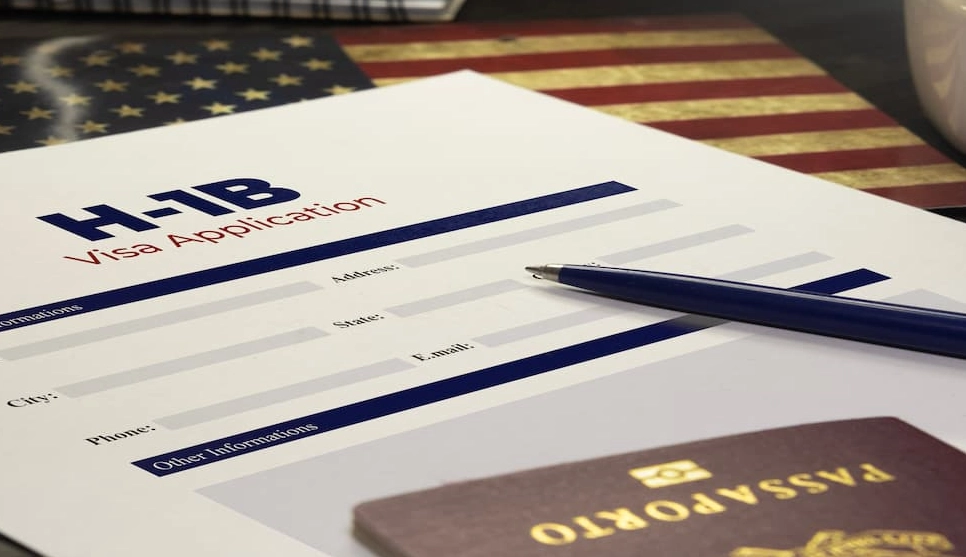
- ESTA (Electronic System for Travel Authorization): For citizens of Visa Waiver Program countries (like the UK, Australia, Japan, most of Europe). It's an online application, not a visa. You apply on the official U.S. Customs and Border Protection ESTA website. Costs $21. Do this at least 72 hours before travel, but I recommend doing it weeks in advance in case of issues. Approval is usually instant, but not guaranteed.
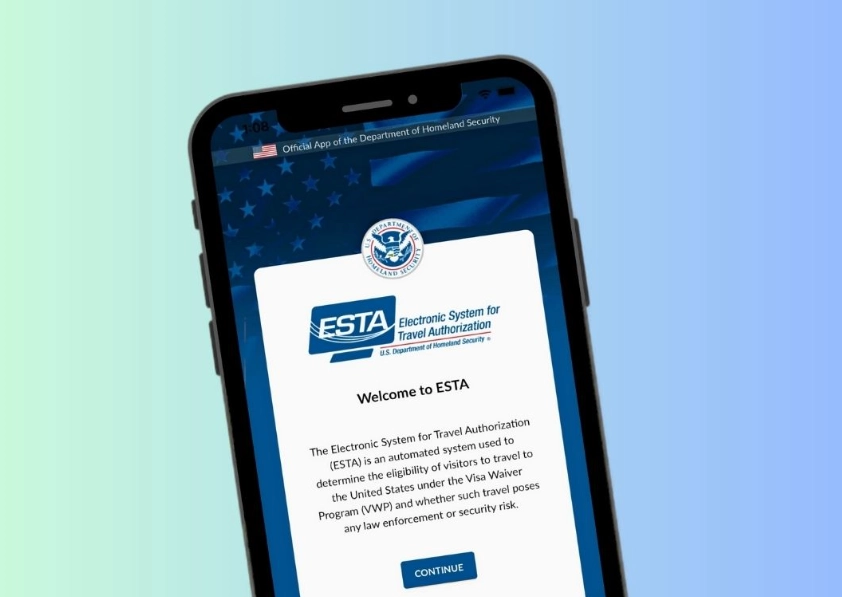
- U.S. Visitor Visa (B1/B2): If you're not from a VWP country, you need this. This involves an interview at a U.S. embassy or consulate. Start this process months in advance. Appointment wait times can be long. Check the U.S. Department of State website for your local embassy's procedures.
Travel Insurance: Don't Even Think of Skipping It
U.S. healthcare is famously expensive. A simple visit to an emergency room can cost thousands of dollars. Travel insurance that includes comprehensive medical coverage is essential. Look for a policy that covers:
- Medical expenses and emergency evacuation.
- Trip cancellation/interruption (flights get canceled).
- Lost or delayed baggage.
Shop around. Read the fine print about deductibles and coverage limits. It's a boring task, but it's the most important item on your pre-trip travelling to USA checklist after your passport.
Money & Budgeting: The Practical Stuff
Notify your bank you're travelling. Nothing worse than having your card blocked mid-trip because of 'suspicious foreign activity.'
Understand your payment options:
- Credit Cards: Widely accepted, especially Visa and Mastercard. American Express and Discover are less common. Many cards have no foreign transaction fees—get one if you can.
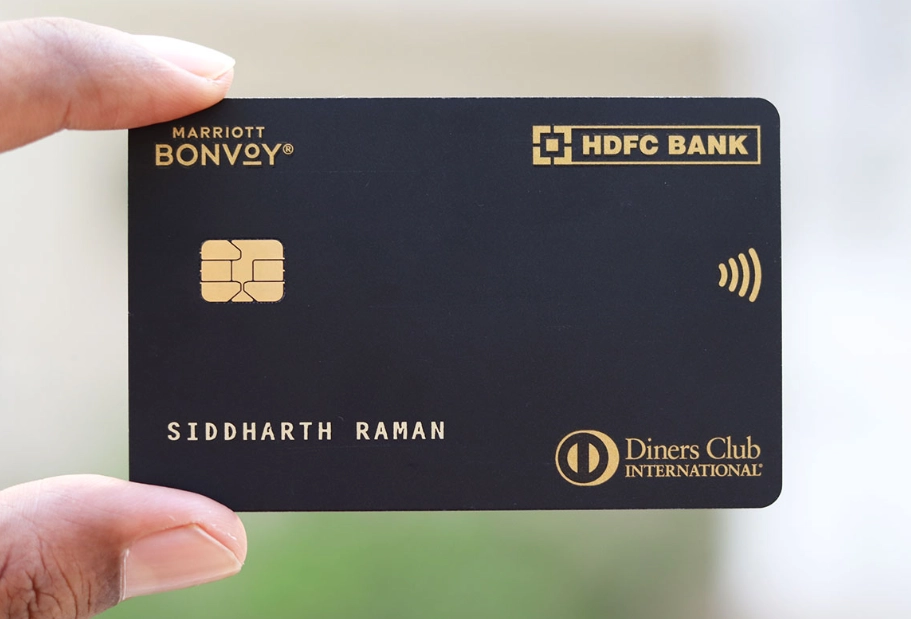
- Debit Cards: Good for ATM withdrawals. Check fees with your bank.
- Cash: Still needed for small vendors, tips, and some markets. Don't carry huge amounts. Get a mix of smaller bills ($1, $5, $10) for tipping.
Set a daily budget. The USA can be as cheap or expensive as you make it. A rough estimate? Outside of major cities, maybe $100-$150 per person per day for food, attractions, and transport. In New York or San Francisco, double that, easily.
The Ultimate USA Packing List: What to Actually Bring
Packing for the USA isn't just about clothes. The country's size means climate varies wildly, and some everyday items work differently. Let's break down this core part of your travelling to USA checklist.
Essential Documents & Tech
Keep these in your carry-on, never in checked luggage.
- Physical Documents: Passport, printed ESTA approval/visa, driver's license (if you plan to drive), travel insurance policy details, flight and hotel confirmations. I print one copy and also save PDFs to my phone.
- Money: Cards and a small amount of USD cash.
- Tech: Phone, charger, power adapter. The USA uses Type A and B plugs (two flat pins, sometimes with a round grounding pin) and 110-120V voltage. Most modern phone/laptop chargers handle 110-240V, but always check. You'll need a physical adapter for the plug shape.
| Item | Why It's Essential | Pro Tip |
|---|---|---|
| Universal Power Adapter | U.S. outlets are different from EU, UK, AU. You can't plug in without one. | Get one with USB ports to charge multiple devices. |
| Portable Power Bank | You'll use your phone for maps, photos, tickets all day. | Capacity under 100Wh to comply with airline rules. |
| Physical Maps/Downloads | Cell service can drop in national parks, rural areas. | Download offline Google Maps areas for your destinations. |
| SIM Card / eSIM Plan | Roaming charges can be brutal. Local data is cheap. | Buy an eSIM online before you go (companies like Airlo) or a SIM at the airport. |
Clothing: Be Ready for Anything
The U.S. has every climate. Research your specific destinations. San Francisco is cool year-round. Arizona is scorching. The Midwest gets all four seasons in a day, I swear.
General rules:
- Layers are your friend. A t-shirt, sweater, and a light jacket work for most situations.
- Comfortable walking shoes. You will walk more than you think. Blisters can ruin a day.
- One slightly nicer outfit. For a nice dinner or a show. Americans dress casually, but it's good to have options.
- Swimwear. Even if not for the beach, many hotels have pools.
Health & Toiletries
Pack any prescription medications in their original containers with the pharmacy label. Bring more than you need. Also, bring a copy of the prescription.
A basic first-aid kit with band-aids, pain relievers (like ibuprofen or acetaminophen), anti-diarrheal medication, and any personal items is smart. You can buy everything there, but it's midnight and you have a headache? You'll be glad you packed it.
The Final Countdown: 48 Hours Before Departure
The pre-travel scramble. Use this mini travelling to USA checklist to ensure a smooth departure.
- Check-in Online: Do it as soon as it opens (usually 24 hours before). Select your seats.
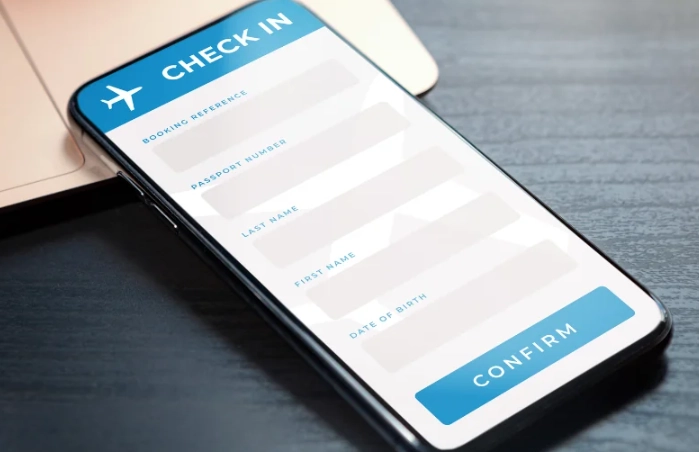
- Verify ESTA/Visa Status: Log in and double-check it's still approved. Print a fresh copy.
- Arrange Airport Transport: How are you getting to the airport? Book if needed.
- Home Prep: Stop mail, set lights on timers, empty the fridge, take out trash.
- Pack Your Carry-On: Essentials (documents, meds, a change of clothes, toiletries, phone charger, entertainment). Assume your checked bag could be delayed.
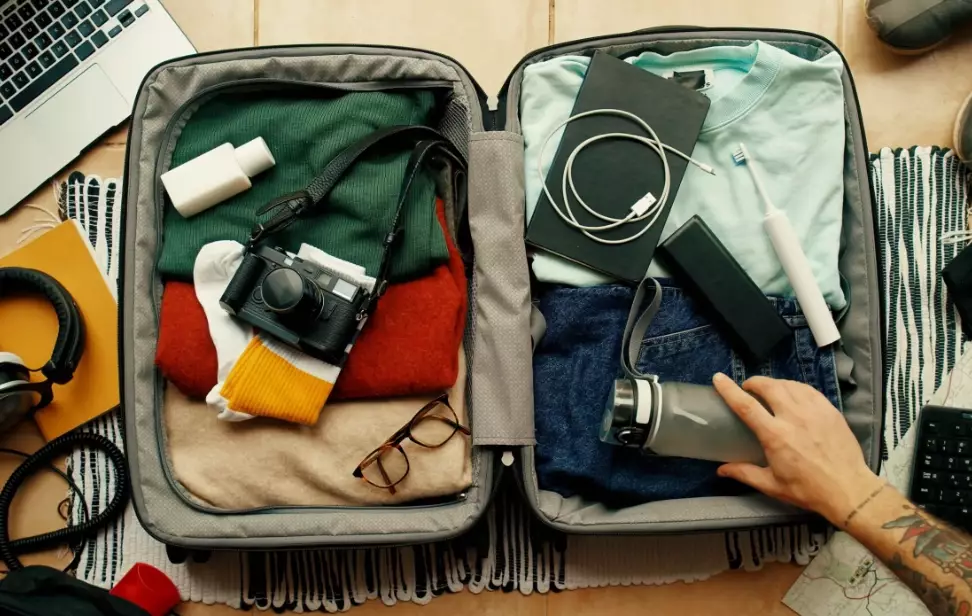
- Download & Organize: Download boarding passes to your phone's wallet. Save hotel addresses and confirmation numbers in a note.
- Currency: Get your USD cash if you haven't already.
- Charge Everything: Phone, power bank, camera, headphones.
Breathe. The planning is almost done.
Arrival & Navigating the USA: Your First Day Survival Guide
You've landed. Now what? This part of the travelling to USA checklist deals with the often-confusing arrival process.
Immigration & Customs
Follow signs to 'Arrivals' and 'Border Control.' Have your passport and ESTA/visa printout ready.
The officer will ask the purpose of your visit, where you're staying, and how long you're staying. Answer clearly and concisely. They might take your photo and fingerprints. It can feel intense, but just be polite and direct. Have your return flight ticket handy (on your phone is fine).
After immigration, collect your bags and proceed to customs. You'll hand in the customs declaration form (often filled out on the plane). Be honest. There are usually two lines: 'Nothing to Declare' and 'Goods to Declare.' If you're over your allowance (which is quite low: $100 worth of gifts, 1 liter of alcohol, 200 cigarettes), use the declare line. Failing to declare can lead to big fines.
Getting Connected & Getting Around
Once you're out, tackle connectivity.
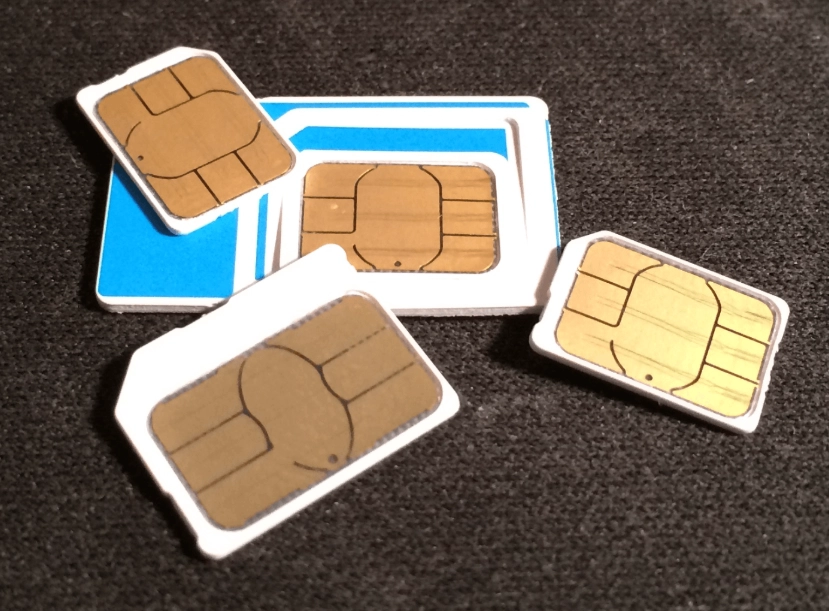
- SIM Card: Kiosks from carriers like T-Mobile, AT&T, and Verizon are in most airport baggage claim areas. Plans are usually prepaid for 30 days. Compare data allowances.
- Wi-Fi: Most airports, hotels, and cafes offer free Wi-Fi.
- Transport to Your Hotel: Options vary: rideshare (Uber/Lyyt – download the apps beforehand), taxi (fixed rates or meters), airport shuttle, or public transport. Research the best option for your airport before you land.
Jet lag is real. Don't plan anything demanding for your first afternoon. Stay hydrated, try to adjust to the local time by staying awake until a reasonable evening hour.
During Your Trip: The On-The-Ground Checklist
You're here! This living part of your travelling to USA checklist helps you navigate daily life.
Money & Tipping Culture
Tipping is not optional; it's how service workers earn a living wage. Here's a quick guide:
- Restaurants: 15-20% of the pre-tax bill. For terrible service, you can tip less, but 10% is the minimum signal something was wrong.
- Bars: $1-2 per drink, or 15-20% of the tab.
- Taxi/Rideshare: 10-15%, or round up.
- Hotel Housekeeping: $3-$5 per night, left daily in an envelope or with a note.
- Baggage handlers: $2 per bag.
Always check your restaurant bill. Sometimes a 'gratuity' is automatically added for large groups (usually 6+ people).
Staying Safe & Healthy
The U.S. is generally safe for tourists, but use common sense.
- Be aware of your surroundings, especially in crowded tourist areas (pickpockets exist everywhere).
- Keep your valuables secure and don't flash expensive jewelry/electronics unnecessarily.
- Know the local emergency number: 911 for police, fire, medical.
- For health, the Centers for Disease Control and Prevention (CDC) website has traveler health notices. Generally, no special vaccinations are required, but being up-to-date on routine vaccines is wise.
Communication & Etiquette
Americans are generally friendly and direct. A smile and 'please' and 'thank you' go a long way.
Some quick pointers:
- Sales tax is added at the register, not included in the price tag.
- Portions are large. Consider sharing meals.
- When driving, right turns on red lights are usually permitted after a full stop, unless a sign says otherwise.
- Public restrooms are widely available and usually free and clean.
Coming Home: The Post-Trip Travelling to USA Checklist
Don't neglect the return. It makes unpacking and planning your next trip easier.
- Flight Check-in: Do it online 24 hours before your return flight.
- Baggage: Re-pack, making sure no prohibited items (like large liquids) are in your carry-on. Weigh your checked bag if possible to avoid overweight fees.
- Duty-Free: Know your home country's allowances. Keep receipts.
- Money: Spend or exchange leftover USD coins (banks abroad often won't take coins). Keep small bills for the airport.
- Documents: Keep your boarding pass and passport accessible.
- Home: Unpack promptly, do laundry, check in with family, back up your photos!
- Review Your Trip: What went well? What would you do differently? This feedback is gold for next time.
Answers to Common Questions (Stuff You Were Afraid to Ask)
Let's tackle some specific worries that pop up around this topic.
Wrapping Up Your Ultimate Guide
Phew. That was a lot. But breaking it down into stages—before, during, after—makes it manageable. The core of a successful travelling to USA checklist isn't about memorizing every item; it's about understanding the logic behind it. Why do you need an adapter? Why is tipping 20%? Knowing the 'why' helps you adapt on the go.
The most common mistake is leaving things to the last minute, especially visas and ESTAs. Start early. Be thorough with documents and insurance. Pack practically. Then, once you're there, relax and soak it in. Use this guide as a living document. Bookmark it, refer back to it a week before your trip, and maybe even the night before.
America is an incredible place to visit—diverse, exciting, and full of surprises. With this roadmap in hand, you can focus on the fun parts: the experiences, the food, the landscapes, and the people. Have an amazing trip. You've got this.





Comments
Leave a Comment