Quick Navigation
- The Absolute Non-Negotiables: Your Travel Foundation
- The Master Packing List: Clothes, Tech, and Toiletries
- Season by Season: Adjusting Your USA Packing List
- Destination-Specific Packing: City vs. Nature vs. Road Trip
- Tech & Connectivity: Staying Plugged In
- The Final Checklist & Common Mistakes to Avoid
- Your Questions Answered: USA Trip Packing FAQs
Let's be real, packing for the USA can feel overwhelming. I've been there, staring at an empty suitcase with a mix of excitement and dread. The country is massive, the climates are all over the place, and you don't want to be that person who brings a parka to Miami in July or shows up in Montana winters with just a light jacket. I learned that lesson the hard way in Chicago once. Brr.
This isn't about throwing everything you own into a bag. It's about smart, strategic packing. The goal is to have everything you need for comfort, safety, and fun, without paying for overweight luggage or lugging around dead weight. So, let's ditch the stress and break down exactly what to pack for a USA trip, whether you're hitting the beaches of California, the cities of the East Coast, or the national parks in between.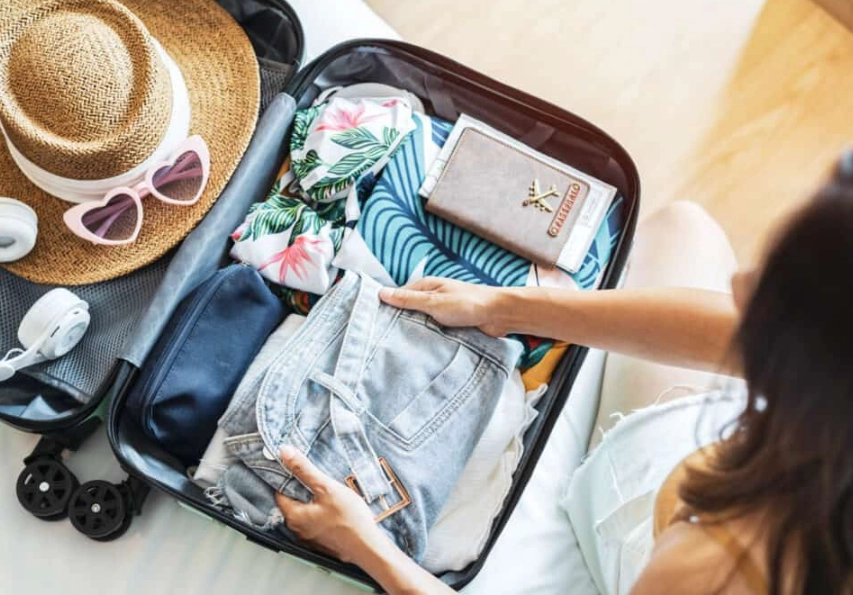
The Absolute Non-Negotiables: Your Travel Foundation
Before we even think about clothes, let's talk paperwork and essentials. Forget these, and your trip might not even start. I always pack these in my personal item or carry-on, never in checked luggage.
Documents & Money
This is the boring but critical stuff. For international visitors, your passport is king. Make sure it's valid for at least six months beyond your planned departure date from the USA. That's a common rule, and airlines can be strict about it.
Next, your visa or ESTA authorization. If you're from a Visa Waiver Program country, you must have an approved ESTA before you board the plane. Double-check the official U.S. Customs and Border Protection ESTA page for the latest info. Print a copy, but also have a digital version saved on your phone and emailed to yourself.
Driver's license? If you plan to rent a car, you'll need your home country license and, often, an International Driving Permit (IDP). Check with your rental company. For domestic U.S. travelers, a REAL ID-compliant license or another TSA-approved form of ID is required for flying.
Money-wise, don't rely solely on cash. Bring a mix: some U.S. dollars in small bills for tips, tolls, and small vendors, and at least two credit/debit cards from different networks (like Visa and Mastercard). Notify your bank of your travel plans to avoid fraud alerts freezing your cards. It's a nightmare when your card gets declined at a gas station in the middle of nowhere.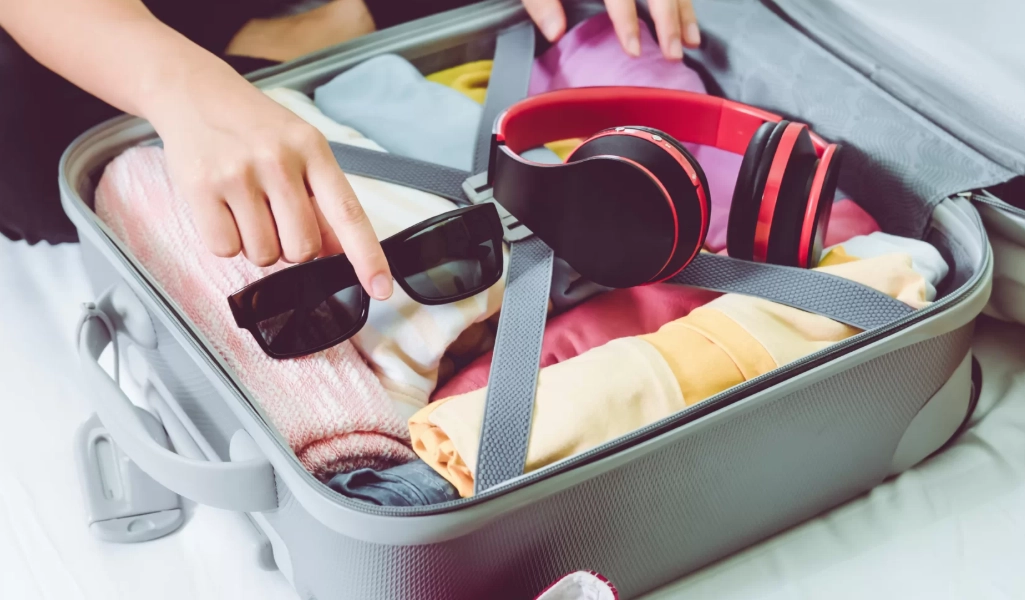
Health & Safety Basics
Prescription medications are a top priority. Keep them in their original labeled containers. It's also smart to carry a copy of the prescription or a doctor's note. U.S. pharmacies can't just fill foreign scripts, so bring enough for your entire trip, plus a little extra.
A basic travel first-aid kit is something I never skip. Band-aids, antiseptic wipes, pain relievers (like ibuprofen or acetaminophen), anti-diarrheal medication, and any personal allergy meds. You can buy this stuff here, but do you really want to hunt for a 24-hour pharmacy when you have a headache at midnight?
Travel insurance documents. Seriously, get it. Healthcare in the U.S. is famously expensive for visitors. A simple doctor's visit can cost hundreds, an ambulance ride thousands. Keep your insurance card and emergency contact numbers handy.
The Master Packing List: Clothes, Tech, and Toiletries
Okay, now for the main event. Here’s a core table of what to pack for a USA trip. Consider this your adaptable template.
| Category | Essential Items | Pro-Tips & Why You Need It |
|---|---|---|
| Clothing (Base Layers) | T-shirts/tanks, long-sleeve shirts, 1-2 pairs of jeans/pants, 1-2 pairs of shorts, 1 dressier outfit, 7+ pairs of underwear & socks, sleepwear. | Stick to neutral colors (black, grey, navy, khaki) that mix and match easily. Merino wool socks are worth the investment—they regulate temperature and resist odor. |
| Footwear | Comfortable walking shoes (sneakers), sandals/flip-flops, 1 pair of versatile boots or dress shoes. | You will walk more than you think. Break in your walking shoes before the trip. Blisters can ruin a day of sightseeing. I learned this exploring NYC on day one. |
| Outer Layers | A lightweight, packable jacket (rain/wind resistant), a warm sweater or fleece, a heavy coat (winter only). | The packable jacket is a lifesaver for unexpected rain or wind, even in summer. It takes up almost no space. |
| Tech & Gear | Phone & charger, power bank, universal power adapter (if needed), headphones, camera, e-reader/tablet. | The U.S. uses Type A/B plugs (110-120V). Visitors from Europe, the UK, or Asia will need an adapter. A power bank is non-negotiable for navigation and photos all day. |
| Toiletries | Travel-sized shampoo, conditioner, soap, toothbrush, toothpaste, deodorant, sunscreen, insect repellent, razor. | Sunscreen is a must, even in cities. UV levels can be high. You can buy full sizes upon arrival, but having starters is convenient. |
| Accessories | Sunglasses, hat/cap, scarf, reusable water bottle, daypack, packing cubes. | A reusable bottle saves money and the environment. Tap water is generally safe to drink. Packing cubes? They transform chaotic packing into an organized dream. |
Season by Season: Adjusting Your USA Packing List
The core list above is your skeleton. Now, let's dress it for the weather. Deciding what to pack for a USA trip depends hugely on when and where you're going.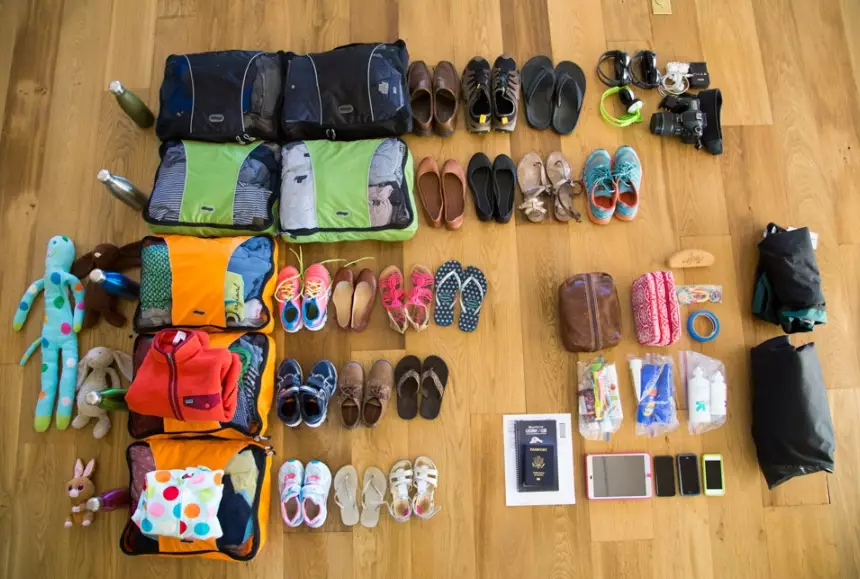
Summer (June - August)
Hot and humid in the East and South, drier in the West, but still hot. Think lightweight, breathable fabrics like cotton and linen.
You'll live in shorts, t-shirts, and tank tops. A wide-brimmed hat and high-SPF sunscreen are absolutely crucial, especially in the desert Southwest or at the beach. Don't forget swimwear, even if you're not hitting the coast—many hotels have pools. A light sweater or hoodie is still wise for overly air-conditioned restaurants, buses, and planes. Trust me, the AC can be aggressive.
Fall (September - November) & Spring (March - May)
This is the trickiest season to pack for and my personal favorite time to travel. The weather is famously unpredictable. Layers are not just a suggestion; they are the law.
Pack a combination of short and long-sleeve tops. A medium-weight jacket (like a denim or leather jacket) and a sweater are key. You might start the day in a sweater, shed to a t-shirt by afternoon, and need the jacket again by evening. Comfortable pants or jeans are better than shorts most days. A compact umbrella is a good call, especially in the Northeast and Pacific Northwest.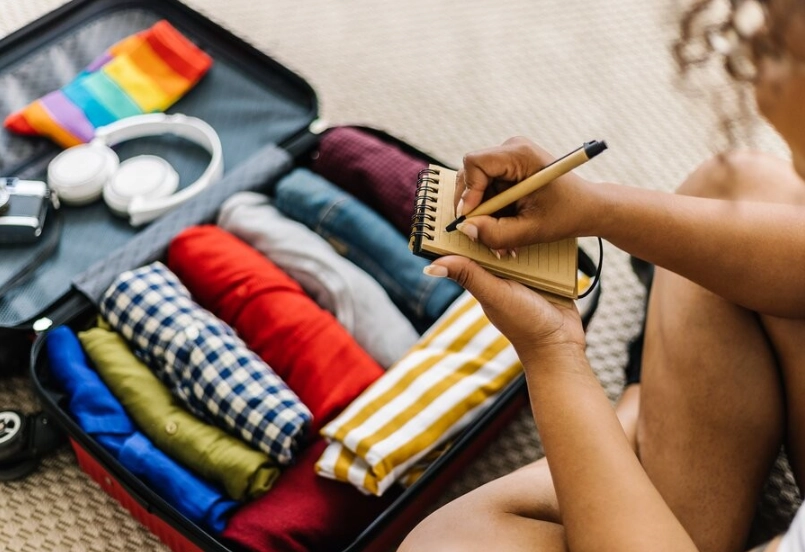
Winter (December - February)
This varies wildly. Florida and Southern California are mild. The Northeast, Midwest, and Mountain states are cold, often bitterly so with snow.
Essentials: a heavy, insulated winter coat (down is great), waterproof boots with good traction, thermal underwear (long johns), gloves, a warm hat (beanie), and a thick scarf. Wool socks are a must. For places like Minnesota or Chicago, you'll want to cover every inch of skin when outside. The wind chill is no joke.
Destination-Specific Packing: City vs. Nature vs. Road Trip
Your activities dictate your gear. Figuring out what to pack for a USA trip to New York is different from packing for a Utah national parks tour.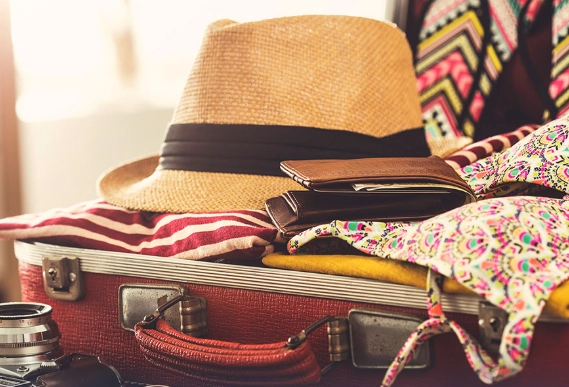
The Urban Explorer (NYC, Chicago, LA, etc.)
Comfortable shoes are the #1 item. You'll walk miles on concrete. A crossbody bag or secure backpack for your daily essentials is safer than a tote. Dress can be more varied—you might want a nicer outfit for a Broadway show or a fancy dinner. A portable phone charger is vital for using maps and subway apps all day.
Leave the bulky hiking boots at home unless you specifically plan a day trip.
The National Park & Outdoor Adventurer
Here, function rules. Sturdy hiking boots or shoes with ankle support are critical. Moisture-wicking clothing (avoid cotton, it gets wet and stays wet). A high-quality reusable water bottle or hydration bladder. Binoculars for wildlife spotting. A detailed map or offline maps on your phone—cell service is often non-existent. The National Park Service website for your specific park is an invaluable resource for trail conditions and alerts.
Pack bear spray if you're hiking in grizzly country (like Yellowstone or Glacier), but you usually must buy it locally (can't fly with it).
The Classic American Road Trip
Car comfort is key. A cooler bag for drinks and snacks saves money and time. A good playlist or downloaded podcasts. A car phone mount and charger. A physical road atlas or offline GPS as a backup in areas with poor signal. A blanket and travel pillow for passenger naps. Also, pack a small bag with overnight essentials (toiletries, change of clothes) so you don't have to haul your whole suitcase into a motel every night.
See how the core list adapts?
Tech & Connectivity: Staying Plugged In
This is a major pain point for travelers. The U.S. uses 110-120 volt electricity and Type A (two flat pins) or Type B (two flat pins + a round ground) plugs. If your devices are dual voltage (most phone and laptop chargers are), you just need a simple physical adapter. If not (like some hair dryers), you'll need a voltage converter, which is bulkier.
Wi-Fi is widespread but not always free or fast. Consider your phone plan. Roaming can be exorbitant. Options: 1) Buy an eSIM or local SIM card upon arrival (at the airport or stores like Walmart, Target, or carrier stores). 2) Get an international plan from your home carrier. 3) Rely on Wi-Fi and offline maps. I usually go for a local eSIM—it's cheap and gives me peace of mind.
A small multi-port USB charger or a compact power strip is a genius packing move for families or those with multiple devices. Hotel rooms never have enough outlets.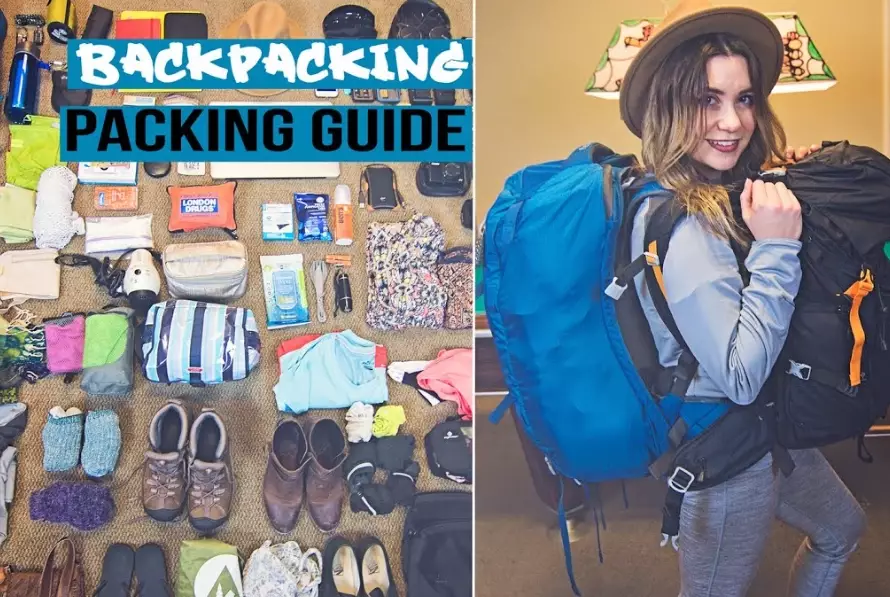
The Final Checklist & Common Mistakes to Avoid
Let's wrap up with a quick mental checklist and the errors I see most often (and have made myself).
- 48 Hours Before: Check in online for your flight. Weigh your suitcase with a portable scale. Re-confirm the weather forecast. Charge all power banks.
- In Your Carry-On: All documents, medications, a change of clothes (in case luggage is delayed), essential toiletries, phone, charger, power bank, valuable items, and any fragile souvenirs you might have already bought.
- Last-Minute Adds: Empty your water bottle before security. Have your boarding pass and ID easily accessible.
Top Packing Mistakes
- Overpacking "Just in Case" Clothes: You won't wear them. Stick to the mix-and-match plan.
- Forgetting a Power Bank: Your phone is your camera, map, ticket, and guide. Don't let it die.
- Packing New, Unworn Shoes: Blisters are a universal travel currency of pain. Break footwear in first.
- Ignoring Layer Potential: That flannel shirt can be a top, a light layer, or tied around your waist. Think versatility.
- Not Leaving Souvenir Space: You will buy things. Either pack light initially or bring that foldable extra bag.
Your Questions Answered: USA Trip Packing FAQs
I get asked these all the time by friends planning their trips.
Figuring out what to pack for a USA trip doesn't have to be a headache. Start with the core essentials, tweak for your season and destination, and remember that almost anything can be bought here if you really need it. The most important thing you're packing is your sense of adventure. Now go enjoy that trip—you've got this.
Safe travels!



Comments
Leave a Comment