Let's get this out of the way first: asking for the single best season to visit America is like asking for the best tool in a hardware store. It depends entirely on what you're trying to build. The United States is a continent masquerading as a country. The humid, mosquito-filled summer of Louisiana has nothing in common with the dry, 110°F (43°C) oven of Arizona, which is a world away from the cool, foggy summers of San Francisco.
I've made the mistake of booking a July trip to Las Vegas, thinking "how bad could it be?" Let's just say walking the Strip felt like traversing the surface of the sun, and pool time was limited to before 10 AM. Conversely, I've been in Florida in December when the weather was so perfect it felt fake. The real answer isn't about picking a season; it's about matching a season to the specific slice of America you want to experience.
This guide won't give you a generic list. Instead, we'll break it down by region and interest. You'll learn where to find perfect weather when, how to dodge the worst crowds, and why sometimes the "worst" season is secretly the best.
Your Quick Guide to This Article
The Northeast & Midwest: Four Distinct Acts
This is the part of America that truly lives and dies by the calendar. Think New York, Boston, Chicago, and the Great Lakes.
Spring (April - June): This is the comeback story. After a long winter, cities come alive. Central Park blooms, outdoor cafes in Chicago's River North district set up tables, and everyone is in a good mood. May and June are golden. The weather is mild (50s-70s°F / 10-20s°C), the summer tourist hordes haven't arrived, and hotel prices are reasonable. It's my top pick for city exploration. A little-known tip? Target the week after Memorial Day (late May) for New York. The holiday weekend crowds have left, but summer rates haven't fully kicked in.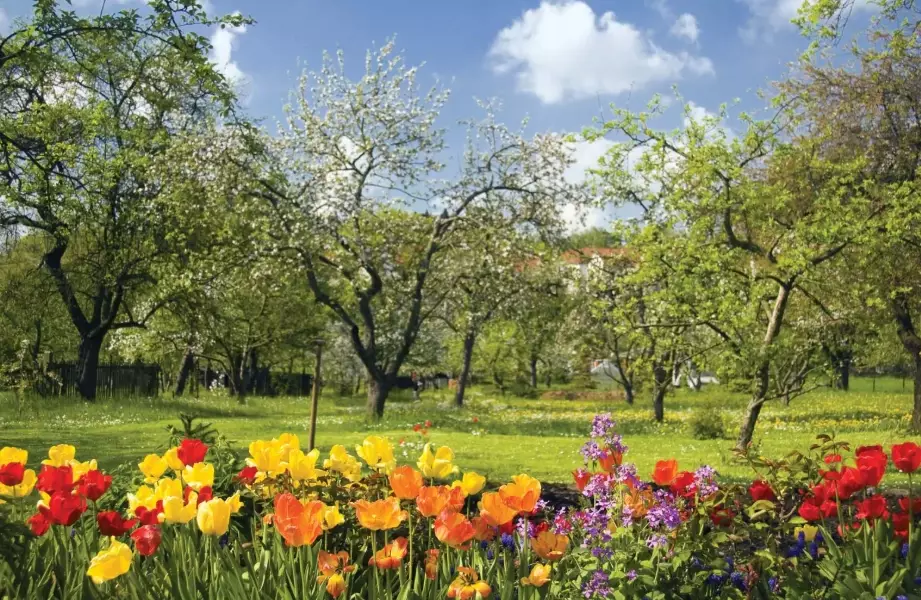
Summer (July - August): This is peak festival and patio season. It's vibrant but comes with trade-offs. Cities can get hot and muggy—walking around Philadelphia in August is a sweaty affair. Crowds are at their maximum, especially around major attractions like the Statue of Liberty or Navy Pier. Prices for flights and hotels are highest. If you must go in summer, embrace the energy: catch an outdoor concert at Millennium Park in Chicago or a free Shakespeare in the Park show in New York.
Fall (September - November): This is the undisputed superstar for a reason. The foliage transformation in New England and the Upper Midwest is breathtaking. Drive Vermont's Route 100 or Michigan's Tunnel of Trees in early October. The air is crisp, the bugs are gone, and the crowds thin out after Columbus Day. It's perfect for hiking, apple picking, and cozying up in a countryside inn. The catch? Everyone knows it. Book accommodations at least 6 months in advance, especially for popular leaf-peeping towns like Stowe, VT or Bar Harbor, ME.
Winter (December - March): This is a polarizing season (pun intended). Cities like New York and Boston are magical around the holidays, with lights and markets. But January and February are brutally cold, with snowstorms that can shut down airports. It's a great time for budget travelers—you can find deals on Broadway tickets and hotels—but you must pack for serious winter weather. Outside the cities, this is prime time for skiing in the Adirondacks (NY) or the mountains of Michigan and Pennsylvania.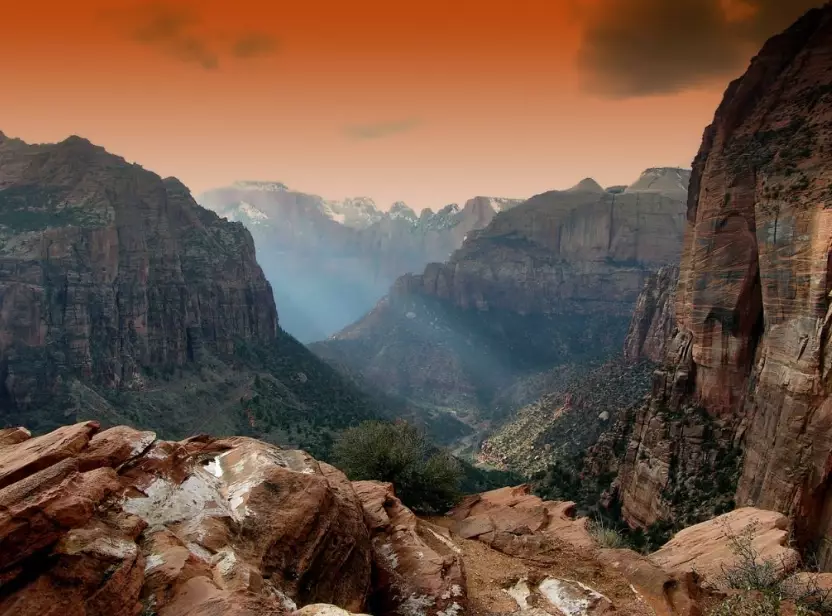
The South & Southeast: Heat, Humidity, and History
This region—think Nashville, New Orleans, Atlanta, Charleston, Florida—runs on a different climate engine.
Spring (March - May): This is the absolute sweet spot. The weather is glorious (70s-80s°F / 20s°C), gardens like Savannah's Forsyth Park are in full bloom, and it's festival season without the suffocating heat. It's the best time for walking historic districts, enjoying patio dining, and attending events like the New Orleans Jazz & Heritage Festival (late April/early May). Book early for these major festivals.
Summer (June - August): Proceed with caution. The heat and humidity are intense and oppressive. Afternoon thunderstorms are a daily occurrence in Florida. It's the peak of hurricane season (June-November, peak Aug-Oct). On the upside, it's the liveliest time on the beaches of the Gulf Coast (Alabama, Florida Panhandle) and the Outer Banks of North Carolina, and you might find slightly lower prices inland as locals escape the heat.
Fall (September - November): A close second to spring. The humidity starts to break in October, especially in cities like Atlanta and Nashville. It's a fantastic time for music, food, and football culture. Crowds are lighter than in spring, and prices can be better. Florida's weather becomes nearly perfect, making it ideal for theme parks like Disney World, though November starts the busy season there.
Winter (December - February): This is high season for Florida and other warm-weather escapes. Snowbirds descend from the north. Prices are at their peak, especially around holidays. For the rest of the South, winters are generally mild but can be damp and chilly. It's a good time to explore cities like Charleston or Austin without sweating, but some outdoor attractions or swamp tours may have limited hours. You might even catch a rare snowfall in Atlanta, which famously brings the city to a standstill.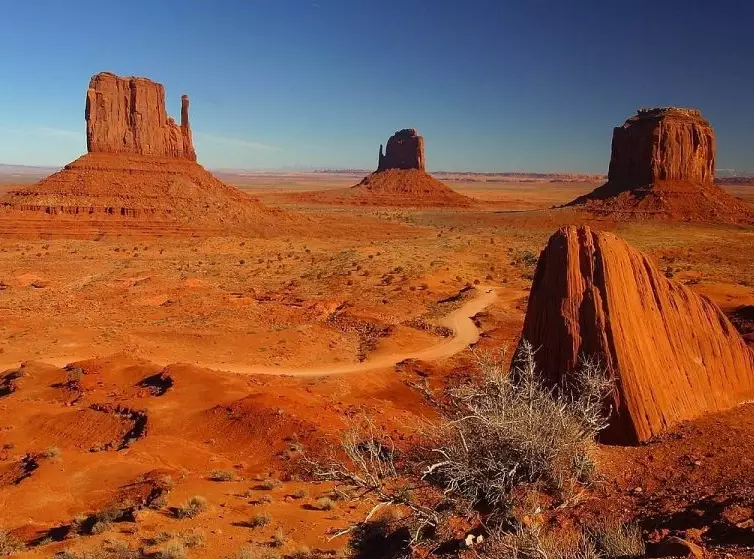
The West: Rockies to the Pacific
This vast area includes the mountain states (Colorado, Utah, Wyoming, Montana) and California. The rules change with altitude and proximity to the ocean.
| Destination | Best Season(s) | Why & Key Considerations |
|---|---|---|
| Rocky Mountains (CO, WY, MT) National Parks: Yellowstone, Rocky Mountain |
Summer (Jul-Aug) & Winter (Dec-Mar) | Summer: All park roads/hikes are open. Wildflowers bloom. Extremely crowded. Book lodging inside parks a year ahead. Winter: For skiing/snowboarding. Towns like Aspen, Vail, Jackson Hole come alive. Many park roads close, but wildlife viewing in Yellowstone is unique. |
| California Coast San Francisco, Big Sur, Monterey |
Spring (Apr-Jun) & Fall (Sep-Oct) | This is critical: Summer is often foggy and cool. "June Gloom" is real. For sunny, clear coastal views, late spring and early fall are ideal. Water is cold year-round. |
| Southern California Los Angeles, San Diego, Disneyland |
Spring (Mar-May) & Fall (Sep-Nov) | Nearly perfect weather, fewer crowds than summer. Summer is dry and hot inland but can be overcast at the beach ("May Gray/June Gloom"). Winter is mild and rainy season. |
| Yosemite & Sierra Nevada | Late Spring (May-Jun) & Fall (Sep-Oct) | Summer is packed. Late spring has gushing waterfalls from snowmelt. Fall has fewer people and golden foliage. Tioga Pass (key trans-Sierra road) typically opens late May/June and closes by Nov. |
My personal favorite hack? Visiting Yellowstone in late September. Most families have left after Labor Day, the elk are in rut (bugling is an incredible sound), and the geothermal features steam dramatically against the chilly air. You just need to be prepared for possible early snow.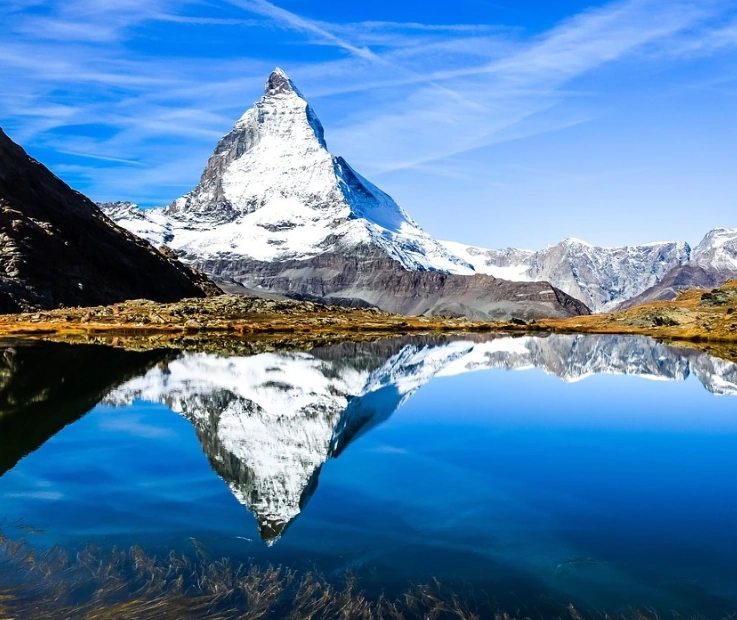
The Southwest Deserts: A Study in Extremes
Arizona, Nevada, Southern Utah. This is where season choice matters most for comfort and safety.
Spring (March - May): The undisputed champion. Wildflowers bloom in the desert, temperatures are ideal for hiking (60s-80s°F / 15-30°C), and the sun is glorious. It's the best time to tackle trails in the Grand Canyon, Zion National Park, or Red Rock Canyon near Las Vegas. This is peak season, so expect crowds, especially around spring break.
Summer (June - August): Unless you're a lizard, avoid it for serious outdoor activity. Temperatures in Phoenix and Las Vegas regularly exceed 110°F (43°C). Hiking can be dangerous due to heat exhaustion. The one exception? Higher elevation areas like the Grand Canyon's North Rim or Flagstaff, AZ, which remain pleasant. Las Vegas pool parties are in full swing, but that's a specific scene.
Fall (September - November): A close second to spring. The heat breaks, making October and November fantastic for exploration. Crowds are slightly less intense than in spring. It's a great time for scenic drives like Utah's Highway 12 or visiting Monument Valley.
Winter (December - February): This is the secret sweet spot for many. Daytime temperatures in Phoenix, Tucson, and Las Vegas are often in the perfect 60s and 70s°F (15-25°C). It's the peak season for "snowbirds," so prices are high and reservations are needed, but for hiking and golf, it's unbeatable. Note: Higher elevations like the Grand Canyon's South Rim will be cold and snowy.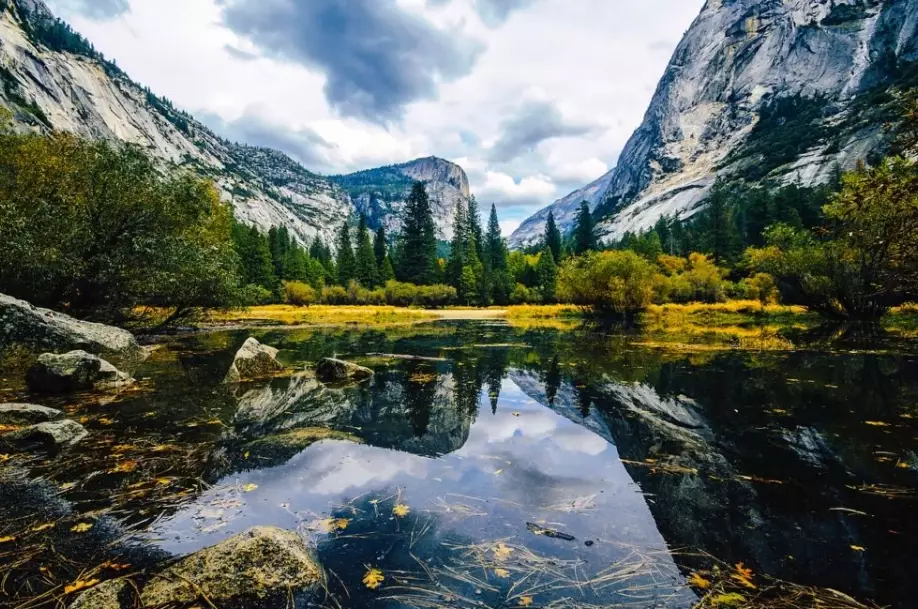
Pacific Northwest & Alaska: Rain, Green, and Majesty
Seattle, Portland, the Oregon Coast, and the wilds of Alaska.
Spring (April - June): The rains start to ease, everything is impossibly green, and flowers are everywhere. By June, you get long days with sunlight until 9 PM. It's a beautiful time before the summer tourist rush. Alaska's cruise season starts in May—cooler but fewer people and lower prices.
Summer (July - August): This is when the Pacific Northwest shines. It's the driest, sunniest, and warmest period. Hiking in the Cascade or Olympic Mountains is pristine. Everyone is outdoors. The downside? Everyone knows it. Accommodations book up, and popular trails can feel busy. For Alaska, this is peak season with the best weather for wildlife viewing and cruises.
Fall (September - October): A fantastic alternative to summer. Crowds disperse, the weather is often still pleasant (the "Indian Summer"), and fall colors in the mountains are stunning. It's wine harvest season in Oregon's Willamette Valley and Washington's wine country. In Alaska, things wind down quickly by September, with shorter days and colder weather, but you can find deals.
Winter (November - March): This is the rainy, gray, and dark season in cities. It's not for everyone, but it's prime time for storm watching on the Oregon Coast and world-class skiing in the Cascades (Mt. Hood, Mt. Baker). Alaska in winter is for the adventurous—chasing the Northern Lights, dog sledding, but with very limited daylight and services.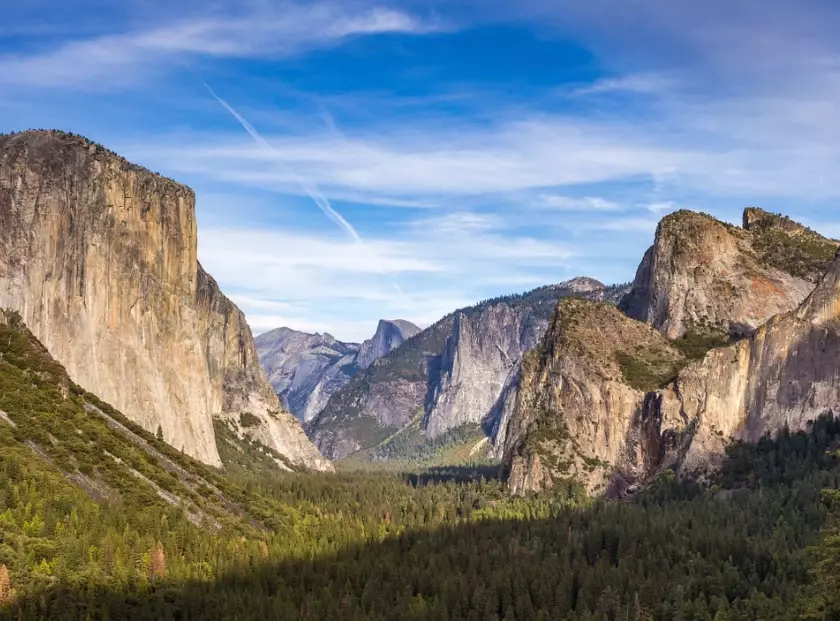
Your Seasonal Travel Questions, Answered
So, which season is best in America? You tell me. What do you want to do? Hike among wildflowers in a desert canyon, see a city draped in holiday lights, ski fresh powder on a perfect bluebird day, or walk an empty beach with the sun on your skin? Pick the experience first. The perfect season will follow.
Stop looking for a universal answer. Start matching your dream trip to the part of America that delivers it best, at the exact right time of year. That's the real secret to finding the best season for your American adventure.
Comments
Leave a Comment