Let's cut to the chase. An East Coast road trip isn't just one drive; it's a dozen different cultures, landscapes, and vibes stitched together by asphalt and sheer will. You've got the concrete canyons of New York, the historical weight of D.C., the sandy sprawl of the Outer Banks, and the pastel-hued charm of Charleston, all before you even hit Florida.
Most guides tell you to just hop on I-95 and go. That's the first mistake. I-95 is a soul-sucking conveyor belt of trucks and tolls. The real magic is on the smaller roads, the coastal routes, and in the detours you never planned for.
I've done this drive more times than I can count, in everything from a beat-up sedan to an overstuffed minivan. This guide is about doing it right—seeing the iconic stuff, sure, but also finding the quiet moments and avoiding the classic rookie errors.
Your Road Trip Jumpstart
Planning Your East Coast Adventure
Before you even think about packing, you need a framework. This isn't a "wing it" kind of journey unless you enjoy paying $300 for a last-minute motel room next to a highway.
When to Go: Season by Season Breakdown
Spring (April-May) and Fall (September-October) are the gold standard. The weather is mild, crowds are thinner, and prices are reasonable. Summer (June-August) means heat, humidity, peak prices, and families everywhere. It's doable, but prepare for it. Winter (Nov-March) can be tricky north of the Carolinas—snowstorms can shut down roads, and many seasonal beach spots are dead.
The Route Decision: I-95 vs. The Coastal Path
You'll use I-95. It's unavoidable for making time. But your goal should be to minimize your time on it. For example, between Richmond, VA and Jacksonville, FL, you have gorgeous alternatives like US-17, which takes you through historic small towns and along river views.
Here’s a quick comparison for a key leg of the trip:
| Route (Norfolk, VA to Charleston, SC) | Distance/Time | Experience | Best For |
|---|---|---|---|
| I-95 South | ~360 miles / 5.5 hrs | Fast, efficient, monotonous. Tolls in NC. Heavy truck traffic. | Making up lost time, bad weather. |
| US-17 South + Coastal Detours | ~400 miles / 7+ hrs | Scenic. Passes the Outer Banks ferries, maritime forests, the waterfront in Wilmington, NC. Slower, more stops. | Scenery, photography, avoiding interstate fatigue. |
Budgeting Realistically
For a 10-day trip for two, excluding flights to/from the start/end points, a mid-range budget looks like this:
- Lodging: $150-$250/night = $1,500-$2,500
- Fuel: ~1,200 miles, 25 MPG = 48 gallons. At ~$3.50/gal = ~$170
- Tolls: Especially around NYC, NJ, MD, and FL. Set aside $50-$100.
- Food: $80-$120/day for two = $800-$1,200
- Activities/Attractions: $50-$100/day = $500-$1,000
Total Rough Estimate: $3,000 - $5,000. You can go cheaper with camping and cooking, or much higher with luxury hotels and fine dining.
The Classic 10-Day Coastal Itinerary: NYC to Miami
This is a highlights reel. It's fast-paced but hits the pillars. You start with urban energy and gradually shift to coastal relaxation.
Days 1-2: New York City, New York
Don't drive in Manhattan. Seriously. Pick up your rental on Day 3 as you leave. Use the subway.
- Stay: Look in Long Island City (Queens) or Jersey City for better hotel rates and easier eventual car access.
- Do (Beyond Times Square): Walk the High Line. Ferry to Staten Island for a free, iconic view of the Statue of Liberty. Get lost in the Metropolitan Museum of Art (General Admission: $30 for out-of-state adults, open 10am-5pm Sun-Tue/Thu, 10am-9pm Fri-Sat).
- Eat: Joe's Pizza in Greenwich Village (7 Carmine St) for a classic NY slice ($4). No frills, just perfection.
Day 3: New York City to Washington D.C. (~240 miles, 4.5 hrs)
Grab your car early. Aim to be through Baltimore before 3 PM to avoid traffic.
- Detour: Consider a 1-hour side trip to Annapolis, MD. Stroll the historic naval town, see the U.S. Naval Academy, and eat crab cakes.
- Stay in D.C.: Arlington, VA or Silver Spring, MD offer more affordable lodging with Metro access. The Hotel AKA Arlington has modern rooms and parking (from $180/night).
- Evening: Metro into the city. See the monuments lit up at night—they're less crowded and more majestic.
Days 4-5: Washington D.C.
Leave the car at the hotel. The National Mall is a walking (or cycling) experience.
- Must-Sees: The Smithsonian museums are free. Pick two: Air and Space, American History, or Natural History. Book free timed-entry passes online for the National Museum of African American History and Culture weeks in advance.
- Pro Move: Reserve a free tour of the U.S. Capitol through your congressional representative's website. It's more in-depth than the public walk-up option.
- Eat: Head to Union Market for a food hall experience or to Ben's Chili Bowl (1213 U St NW) for a half-smoke, a D.C. original.
Day 6: D.C. to Outer Banks, NC (~330 miles, 6+ hrs)
A long driving day with a huge payoff. Take US-64 East from the mainland.
- The Goal: Reach the Outer Banks (OBX). This 200-mile string of barrier islands is pure road trip bliss.
- Stay: Nags Head or Kill Devil Hills. The Surf Side Hotel in Nags Head offers oceanfront rooms, an outdoor pool, and direct beach access (from $220/night in summer).
- Do: Visit the Wright Brothers National Memorial in Kill Devil Hills (Entrance: $10 per adult, open 9am-5pm). Stand where flight began. Then, find a beach access point and watch the sunset over the sound side—it's quieter than the ocean side.
Day 7: Outer Banks to Charleston, SC (~400 miles, 7+ hrs)
The longest drive. Take the scenic US-17 route south through coastal North Carolina.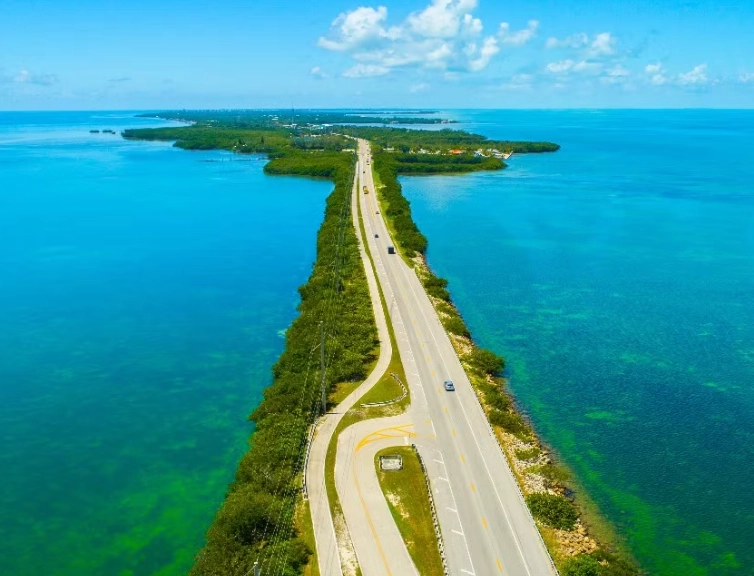
- Lunch Stop: Wilmington, NC. Walk the Riverwalk and grab a bite at a waterfront cafe.
- Arrive in Charleston: This city oozes charm. Stay in the historic district if you can splurge, or in West Ashley for better value.
- Evening: Wander the Battery, see the pastel-colored houses on Rainbow Row, and eat. FIG (232 Meeting St) is a local favorite for seasonal Southern cuisine (entrees $30-$45). Reservations essential.
Day 8: Charleston, South Carolina
A deserved rest from major driving. Explore on foot.
- Morning: Take a guided walking history tour. You'll understand the city's complex past.
- Afternoon: Drive out to Angel Oak Tree on Johns Island (free, open 9am-5pm). This 400-year-old live oak is breathtaking.
- Alternative: Book a boat tour to see dolphins and the harbor forts. Companies like Charleston Outdoor Adventures offer great 2-hour tours.
Day 9: Charleston to Savannah, GA to St. Augustine, FL (~350 miles, 6.5 hrs)
A two-city day. I-95 is your friend here to make time.
- Savannah Stopover: Spend 2-3 hours. Walk through Forsyth Park, grab a to-go lunch from a cafe on Broughton Street, and stroll the riverfront.
- Final Stretch: Head to St. Augustine, the oldest city in the U.S.
- Stay: The Casa Monica Resort & Spa is a landmark right in the historic district (from $250/night).
- Evening: Walk the lit-up Castillo de San Marcos (the fort) grounds and explore St. George Street.
Day 10: St. Augustine to Miami, FL (~310 miles, 5 hrs)
The home stretch. The landscape flattens, the palm trees multiply.
- Optional Detour: Take A1A through the Space Coast. You might see a rocket launch—check the Kennedy Space Center schedule.
- Arrive in Miami: Return your car. You won't need it in South Beach. Celebrate with a Cuban sandwich and a mojito in Little Havana.
Pro Tips From the Driver's Seat
This is the stuff you learn the hard way.
Book Ferries Early. If your route includes a ferry (like to Martha's Vineyard, the Outer Banks' Hatteras-Ocracoke ferry, or to the Florida Keys), reservations can fill up months in advance, especially in summer. The North Carolina Department of Transportation runs the free OBX ferries, but for the popular ones, you still need to queue up early.
The "One Tank" Rule. Don't let your gas gauge dip below a quarter tank in rural areas, especially along the Blue Ridge Parkway or in parts of the Outer Banks. Gas stations can be sparse and expensive.
Embrace the Diner. The best food on a road trip isn't at a chain off the interstate. It's at the local diner in a small town. Look for places packed with pickup trucks at lunchtime. You'll get a huge, cheap, authentic meal.
My Personal Struggle Story: I once ignored a small-engine warning light in rural South Carolina, thinking I'd find a mechanic "soon." Three hours later, stranded near a swamp, I learned that "soon" is relative. Now I have a rule: any dashboard light gets checked at the next auto parts store (like AutoZone or O'Reilly's). They'll often run a free diagnostic code check for you.


Comments
Leave a Comment