Quick Guide
Let's be honest, planning a trip across the United States can feel like trying to drink from a firehose. You've got the Grand Canyon, New York City, Yellowstone, the beaches of California, the music of Nashville... where do you even start? The classic mistake is trying to cram everything into one go. I've been there, staring at a map, feeling that familiar pang of travel planning overwhelm. The key isn't just listing places; it's weaving them into a journey that makes sense for you.
This guide is different. We're not just throwing another generic list at you. We're going to build your USA tourist attractions itinerary from the ground up, step by step. Think of it as a friendly chat where we figure out what you really want, how much time you have, and what kind of traveler you are. Then, we'll match that with the realities of American geography, travel times, and yes, budgets.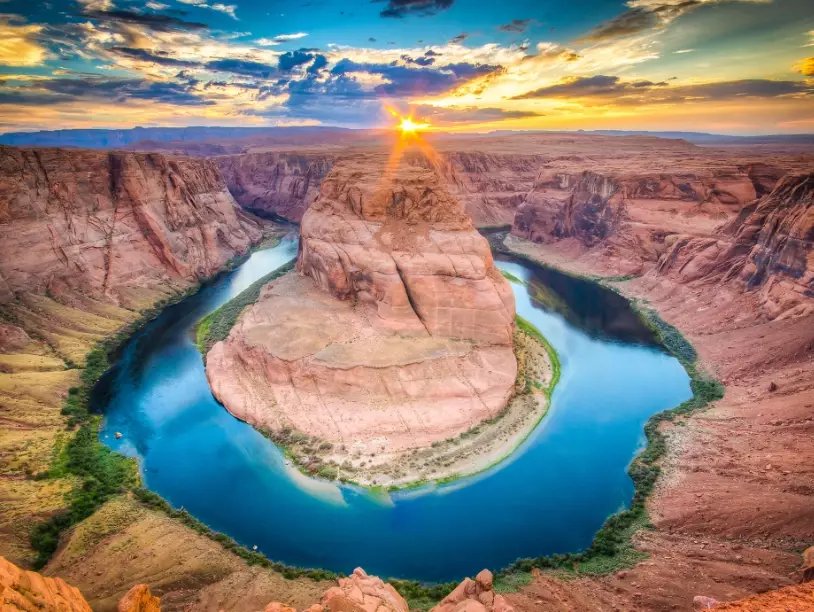
The Core Philosophy: How to Think About Your USA Trip
Before we dive into routes and attractions, let's get the mindset right. A successful USA tourist attractions itinerary isn't about checking boxes. It's about creating a flow.
First, answer these three questions:
- What's your travel style? Are you a go-go-go city explorer, a relaxed nature lover, a history buff, or a mix? Do you prefer hotels or camping? Fancy dinners or food trucks?
- How much time do you truly have? Be realistic. Include travel days. Crossing the country takes time.
- What's your budget comfort zone? The US has options for every budget, but your wallet will dictate a lot—from rental car choices to where you stay.
The biggest geographical truth? The USA is massive. Driving from New York to Los Angeles is roughly equivalent to driving from Lisbon to Moscow. You wouldn't try to do that in a week, right? So segment your trip. Focus on a region.
Building Blocks: Iconic USA Tourist Attractions Itinerary Templates
Here are some proven templates. These are starting points—mix, match, and adjust based on your answers above.
The Classic American Road Trip: Southwest Wonders (10-14 Days)
This is the one you see in the movies. It's popular for a reason: sheer, mind-bending scenery.
Fly into Las Vegas (often the cheapest hub). Rent a car. Spend a day recovering from your flight and seeing the Strip (it's worth an evening, trust me). Then, hit the road.
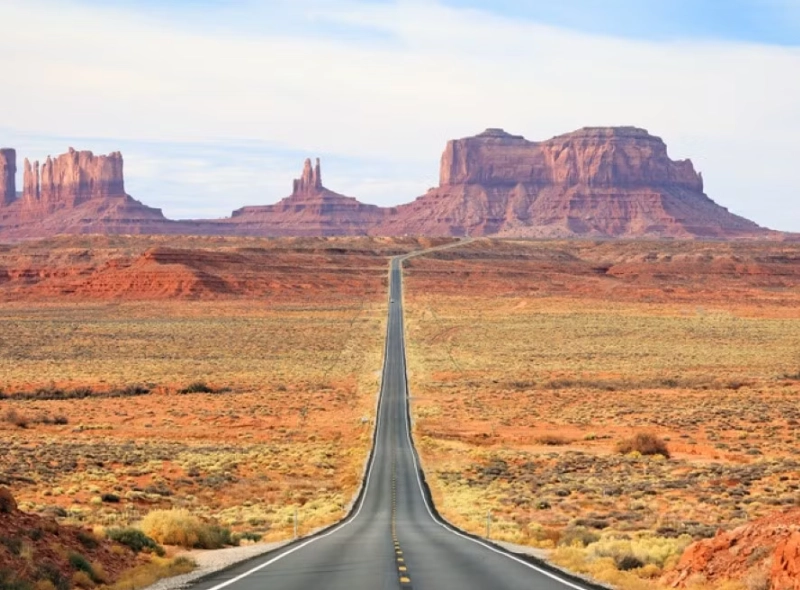
Core Loop: Vegas -> Grand Canyon (South Rim) -> Monument Valley -> Arches & Canyonlands National Parks (Moab) -> Bryce Canyon -> Zion National Park -> Back to Vegas.
You're looking at 3-4 hours of driving between most stops. Give yourself at least two nights at the Grand Canyon and Zion to really hike and explore. Moab is an adventure hub—perfect for two days to see both Arches and Canyonlands.
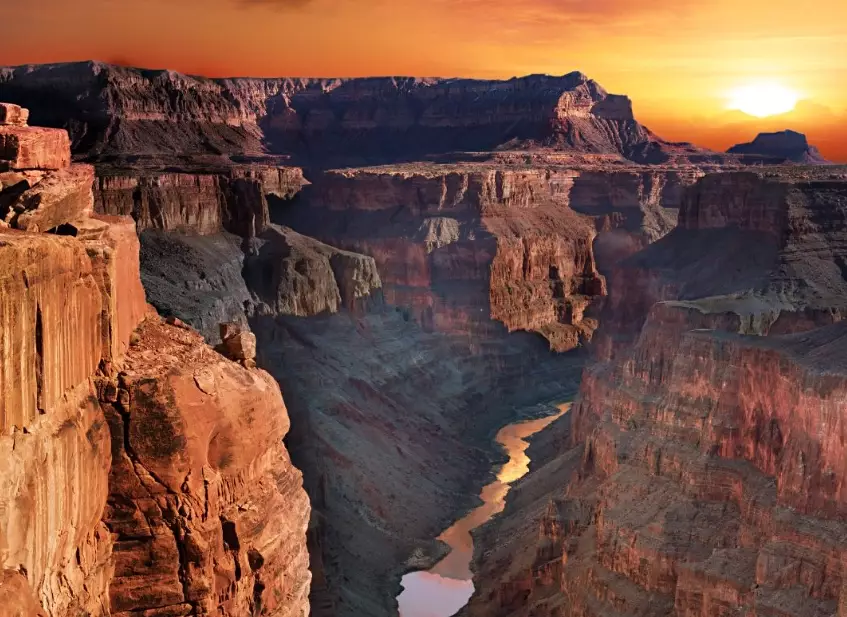
My personal take? Zion's Angels Landing hike is incredible if you're fit and not afraid of heights (they now require a permit, so plan ahead!). The Grand Canyon's South Rim is more accessible and has more services, but the North Rim is quieter and, in my opinion, more stunning if it's open (seasonal).
The East Coast Power Tour (7-10 Days)
History, cities, and a faster pace. This USA travel itinerary is less about vast landscapes and more about culture and urban energy.
Fly into Washington D.C. Spend 2-3 days here. The museums (most are free!) are world-class—the Air and Space Museum, the Holocaust Memorial Museum. It's walkable and the Metro is great.
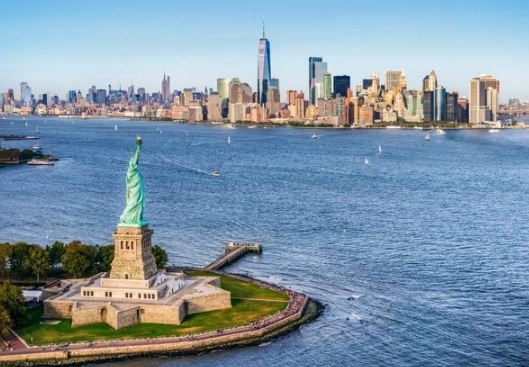
Then, take a train (Amtrak's Northeast Regional is a comfortable, scenic option) or drive north to New York City. Give NYC at least 4 days. Don't just do Times Square. Wander Greenwich Village, walk across the Brooklyn Bridge, see a Broadway show if your budget allows. From NYC, you can add a side trip by train to Boston (2 days) for revolutionary history and great seafood, or to Philadelphia (1 day) for the Liberty Bell and incredible food scene.
The Pacific Coast Dream (California Focus, 10-12 Days)
Sun, surf, redwoods, and wine. A more relaxed vibe.
Start in San Francisco. 3 days minimum. See the Golden Gate, Alcatraz (book tickets weeks in advance), eat in Chinatown. Then, drive south on the legendary Highway 1.
Your route: SF -> Monterey & Carmel (17-Mile Drive, Aquarium) -> Big Sur (the iconic Bixby Bridge, McWay Falls) -> Hearst Castle -> San Luis Obispo -> Santa Barbara -> Los Angeles.
In LA, you need another 3-4 days. It's sprawling. Pick neighborhoods: Santa Monica/Venice Beach, Hollywood, Downtown, Griffith Observatory. The Getty Center is free (parking fee) and amazing.
You could extend this by starting in Seattle and driving down through Oregon first, adding another week easily.
| Itinerary Template | Best For | Recommended Time | Core Experience | Budget Level |
|---|---|---|---|---|
| Southwest Wonders | Nature lovers, photographers, hikers | 10-14 Days | Epic desert & canyon landscapes | Mid-Range (car + camping/hotels) |
| East Coast Power | History buffs, city explorers, families | 7-10 Days | Urban culture & American history | Mid to High (city hotels, dining, attractions) |
| Pacific Coast Dream | Scenic drivers, foodies, relaxed pace | 10-12 Days | Coastal views, beaches, wine country | Mid to High (car, coastal hotels) |
| National Park Bonanza (Wyoming/Montana) | Wildlife seekers, serious hikers, families | 7-10 Days | Geysers, mountains, bears & bison | Mid-Range (park lodges/camping) |
The Nuts and Bolts: Turning Your Plan into Reality
Alright, you've picked a direction. Now let's get practical. This is where most guides gloss over the details, but it's what makes or breaks your trip.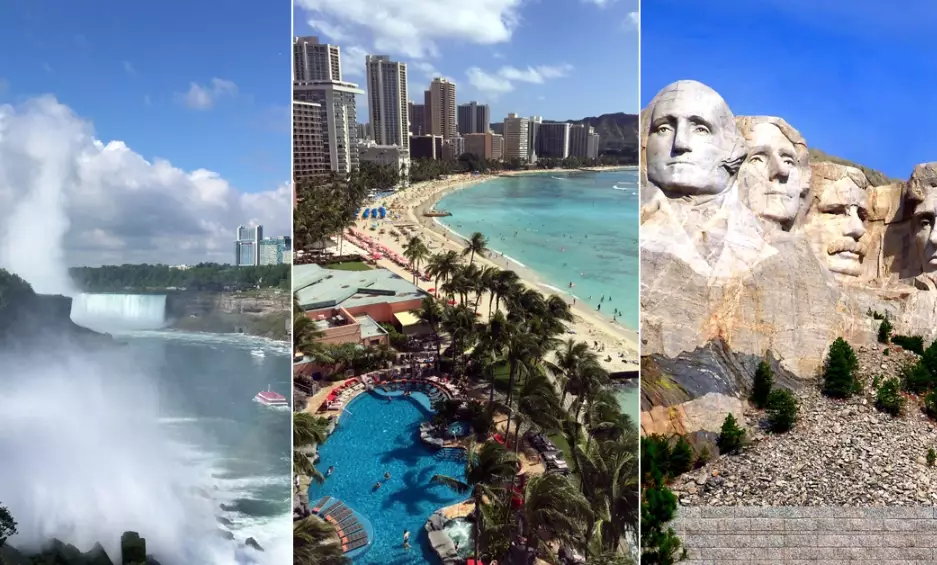
Transportation: To Drive or Not to Drive?
For most USA tourist attraction itineraries outside the Northeast Corridor, a car is freedom. Book rental cars early, especially for peak season (summer, holidays). Compare prices on aggregator sites like Kayak, but also check the rental company's own site for loyalty programs or discounts. One-way rentals (picking up in one city, dropping off in another) are possible but often come with a hefty fee.
If you're doing a city-focused trip (e.g., DC, NYC, Boston), trains and flights can be more efficient. Amtrak can be pleasant but is often slower and sometimes more expensive than flying. For cross-country hops, domestic airlines like Southwest, Delta, and JetBlue are your friends. Use a site like Skyscanner or Google Flights to track prices.
Accommodation: Beyond the Hotel Chain
Book lodging near national parks months in advance. Places like inside Yellowstone or near the Grand Canyon fill up incredibly fast. If they're booked, look for gateway towns just outside the park.
Consider a mix:
- Hotels/Motels: Reliable, but can be pricey in cities.
- Vacation Rentals (VRBO/Airbnb): Great for groups or longer stays, offering kitchen facilities to save on food costs. Be mindful of local regulations and cleaning fees.
- Camping: The most affordable and immersive option for nature trips. Book campsites on Recreation.gov (for federal lands) or state park websites as soon as your dates are set.
Timing & Reservations: The New Normal
Post-pandemic, reservations aren't just for fancy restaurants. Many popular attractions now require timed-entry tickets to manage crowds.
- National Parks: Some, like Yosemite and Rocky Mountain, have seasonal vehicle reservation systems. Check each park's individual page on NPS.gov.
- Museums & Attractions: The Smithsonian in DC, Alcatraz, the Statue of Liberty, many art museums—all need advance tickets.
- Dining: Popular restaurants in cities often book out weeks ahead. Use OpenTable or Resy.
Building a flexible but reserved USA tourist attractions itinerary is the modern key to avoiding disappointment.
Packing Essentials Most People Forget
- A good power bank and car charger: You'll be using your phone for GPS, photos, tickets.
- Reusable water bottle: Fill up everywhere. Tap water is safe in all developed areas.
- Layers of clothing: Desert nights are cold. Mountains have their own weather. A light puffer jacket is a lifesaver.
- Physical maps or offline maps: Cell service is non-existent in vast stretches of national parks and rural highways.
- Comfortable, broken-in hiking shoes: Blisters are the ultimate vacation killer.
Answering Your Burning Questions (The FAQ You Actually Need)
This varies wildly, but as a rough 2023/2024 guide (per person, sharing costs):
- Budget Traveler (camping, cooking, road trips): $70-$120/day
- Mid-Range Traveler (motels/rentals, mix of dining out, car rental): $150-$250/day
- Luxury Traveler (hotels, fine dining, tours): $300+/day
Remember, major cities (NYC, SF, LA) will be at the top end or exceed these ranges. A decent hotel room in Manhattan is easily $300+ per night alone.
Generally, yes, for tourists sticking to major attractions and cities. Use common sense: don't leave valuables in your rental car (especially in sight), be aware of your surroundings in unfamiliar urban areas at night. The primary safety concerns for most visitors are related to traffic accidents and weather (heat in deserts, sudden storms in mountains). Check weather forecasts and road conditions regularly.
Check the official U.S. Department of State website and your home country's travel advisories for the latest entry requirements (ESTA for Visa Waiver Program countries, etc.).
Medical care is extremely expensive in the US. Comprehensive travel insurance with high medical coverage is non-negotiable. It should also cover trip cancellation/interruption and, crucially, rental car excess/damage if you're driving.
Tipping: It's a core part of service industry wages. Plan for 15-20% at sit-down restaurants, $1-$2 per drink at bars, $3-$5 per night for hotel housekeeping, and 10-15% for taxi/rideshare drivers. It feels awkward at first if you're not used to it, but it's expected.
Phones/Internet: Free public WiFi is common but often slow/unsecure. The best solution is an international plan from your home provider or a local US SIM/eSIM for data. Major carriers are Verizon, AT&T, and T-Mobile. Coverage can be spotty in remote natural areas regardless.
Final Thoughts: Making It Yours
The best USA tourist attractions itinerary is the one that leaves you feeling energized, not exhausted. It has room for that unexpected roadside diner with amazing pie, the extra hour spent watching geysers erupt, or the decision to skip a museum for a long walk in a new neighborhood.
Use the templates here as skeletons. Add the muscle based on what makes you curious. Want music? Swap a Colorado mountain day for Nashville. Love space? Add a day for Kennedy Space Center in Florida. Your trip, your rules.
The planning is part of the adventure. Dig into details, watch documentaries about the places you'll see, learn a bit of local history. It makes standing there in person so much more meaningful.
So take a deep breath. Grab a map (digital or paper). Start with your one or two "must-sees," and build out from there. You've got this. The open road (or the bustling city street) is waiting.



Comments
Leave a Comment