Your NYC Stay Navigator
- The Top Contenders: A Neighborhood Breakdown
- Crossing the River: The Brooklyn Factor
- Beyond the Usual Suspects: Other Areas Worth a Look
- Let's Compare: The Quick Neighborhood Rundown
- Making Your Decision: Key Factors Beyond the Map
- Your Questions Answered: NYC Stay FAQs
- Final Thoughts: Trust Your Gut
So you're planning a trip to New York City. Exciting! But then the big question hits you: what is the best area to stay in when visiting New York? Let's be real, there's no single perfect answer. Anyone who tells you there's one neighborhood that's best for everyone hasn't spent enough time in this city. The "best" area depends entirely on you—your budget, your travel style, what you want to see, and the kind of energy you want to come home to at night.
I've stayed in a bunch of different spots over the years, from crashing on a friend's couch in Brooklyn to splurging on a Midtown hotel for a special occasion. I've also made some... less than ideal choices (more on that later). This guide is my attempt to save you from the confusion and potential regret. We're going to break down the main tourist-friendly neighborhoods, not just by the sights nearby, but by the actual vibe and practicalities of staying there.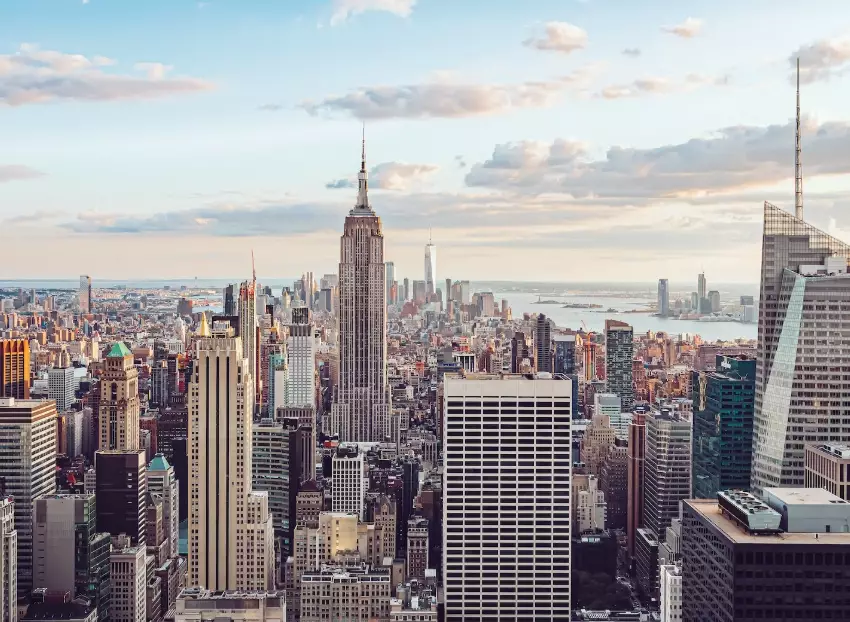
The Top Contenders: A Neighborhood Breakdown
We'll start with the areas you've probably heard of. These are the classics for a reason—they're connected, they have tons of hotels, and they put you right in the thick of things. But they're also all very different from each other.
Midtown Manhattan: The Beating Heart (For Better or Worse)
This is the postcard zone. Times Square, Broadway theaters, Rockefeller Center, Fifth Avenue shopping, the Empire State Building—it's all right here. If your dream is to step out of your hotel and be immediately surrounded by iconic NYC energy, this is your spot.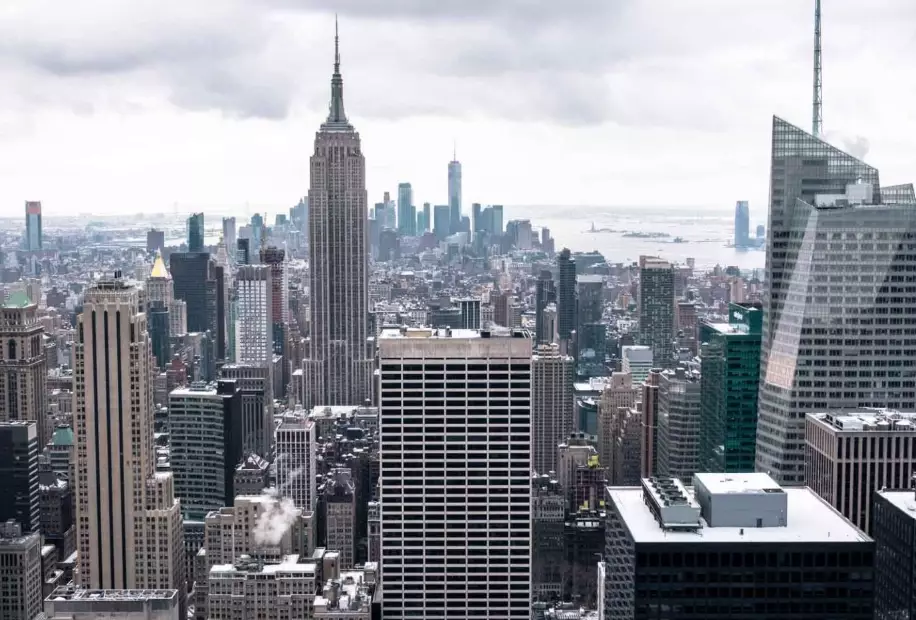
The Good & The Not-So-Good of Midtown
Why you might love it: Unbeatable convenience for major tourist attractions. You can often walk to multiple big-ticket items in a day. The subway access is fantastic, with major lines (A/C/E, 1/2/3, N/Q/R/W, B/D/F/M) converging at hubs like Times Square-42nd St. There's a dizzying array of hotels for every budget, from hostels to historic grand dames like The Plaza. You're never far from food, even at 3 AM.
Why you might not: It can feel overwhelmingly crowded and touristy. It's noisy, constantly. The streets are packed, and it doesn't always feel like "real" New York (whatever that means). Prices, especially for food right near the attractions, can be inflated. It can be a bit... soulless at night outside the main bright lights.
Who it's best for: First-time visitors with a packed itinerary of classic sights, theater-goers, shoppers, and those who prioritize maximum convenience over local charm.
Who might want to skip it: Travelers seeking a quiet, residential vibe, those on a very tight budget (the value isn't always great), or anyone easily overwhelmed by crowds.
Lower Manhattan / Financial District: History & Sky-High Views
This area has transformed dramatically. Once a 9-to-5 business district, it's now a vibrant neighborhood with great hotels, restaurants, and some of the city's most powerful history. You're at the foot of the island here.
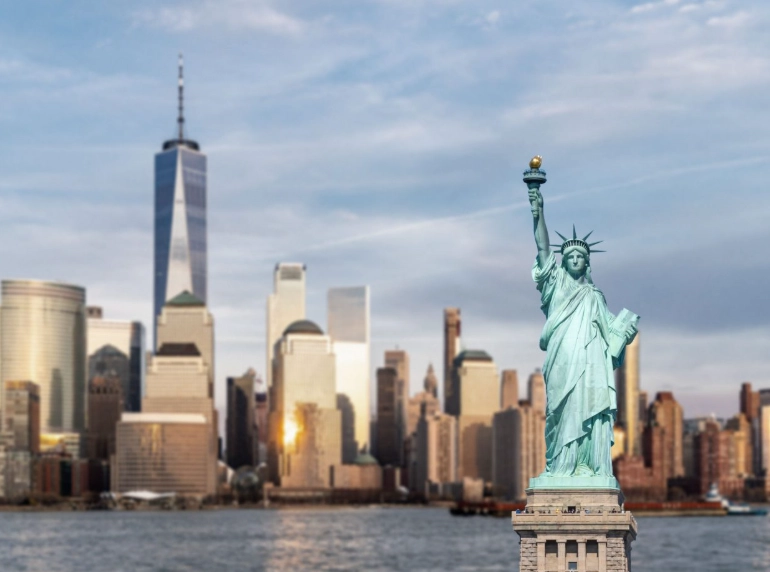
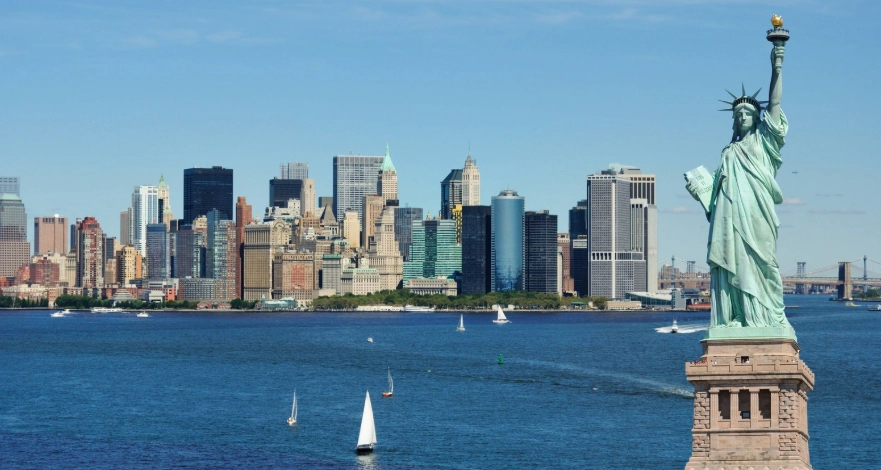
You'll be steps from the 9/11 Memorial & Museum, the Statue of Liberty ferries (from Battery Park), Wall Street, and the stunning Oculus transportation hub. The Brooklyn Bridge is right there for a fantastic walk. The vibe is more polished and modern, with gleaming skyscrapers mixed with cobblestone streets in places like Stone Street.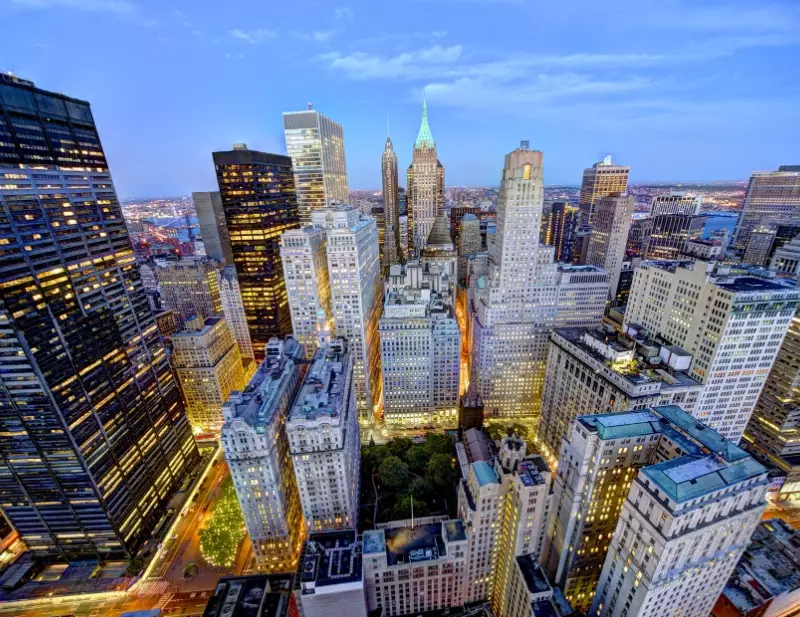
The downsides? It can feel quiet and a bit deserted on weekends and evenings, though this is improving every year. The subway access is good but not as centrally interconnected as Midtown. You'll be taking longer rides uptown to reach Central Park or museums on the Upper East/West Sides.
So, when considering what is the best area to stay in when visiting New York, FiDi is a strong contender if you value newer accommodations, lower weekend prices, and a focus on downtown attractions.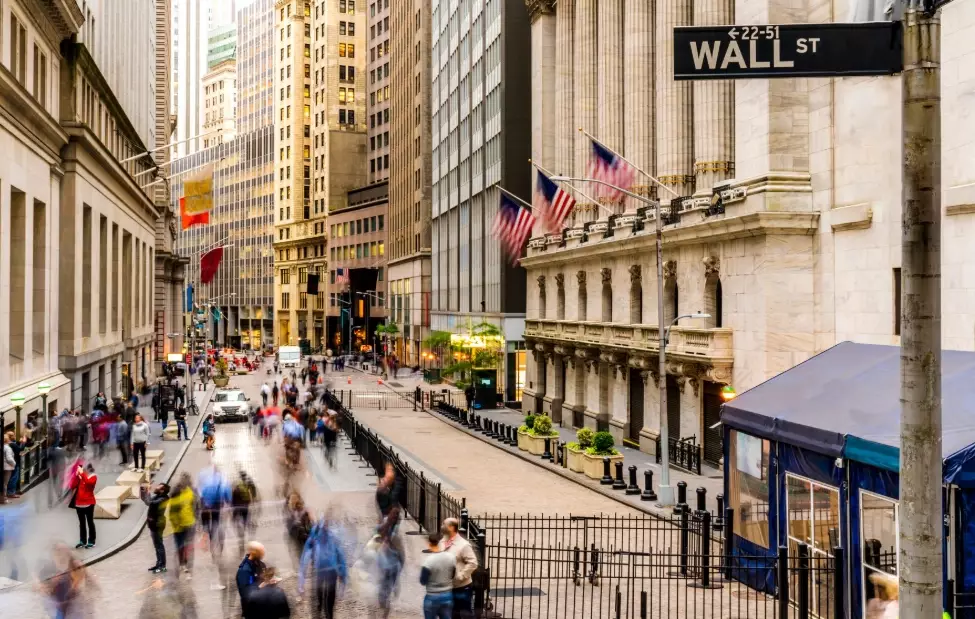
Chelsea & Greenwich Village: Character and Cool
Now we're getting into neighborhoods with more local flavor. Chelsea and the Village (which includes the West Village) offer a fantastic blend of accessibility and atmosphere.
Chelsea is home to the High Line park (an absolute must-do), the Chelsea Market food hall, and a major gallery district. The Village is all about winding, tree-lined streets, historic townhouses, Washington Square Park, and a legendary music and cafe scene. The energy is creative, relaxed, and distinctly less frantic than Midtown.
You'll find a mix of boutique hotels and smaller chains here. The dining options are incredible, ranging from iconic pizza joints to some of the city's best restaurants. Subway access is solid, with key lines along 7th and 6th Avenues.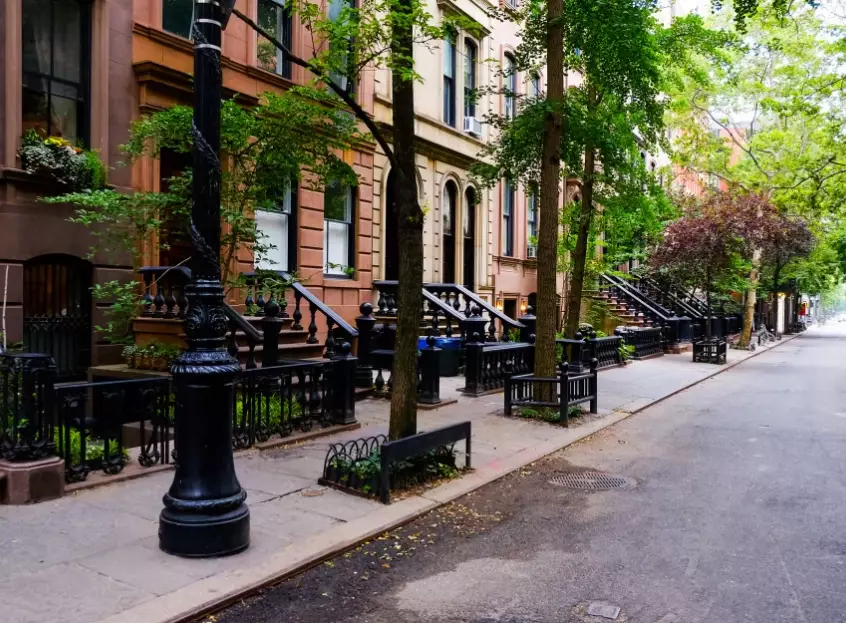
The trade-off? You're not right on top of the mega-attractions. You'll need to take a short subway ride to reach Times Square or the Empire State Building. Hotel rooms might be smaller or in more unique, older buildings. The charm, however, is undeniable.
Crossing the River: The Brooklyn Factor
For many travelers today, the question isn't just what is the best area to stay in when visiting New York within Manhattan, but whether they should stay in Manhattan at all. Brooklyn has become a destination in itself.
Williamsburg & Downtown Brooklyn: The Brooklyn Powerhouses
Williamsburg is the poster child for Brooklyn cool. It's packed with trendy restaurants, rooftop bars, indie shops, and has stunning Manhattan skyline views from its parks along the East River. The L train gets you to Manhattan (Union Square) in under 10 minutes. The vibe is young, creative, and buzzing.
Downtown Brooklyn is a different beast. It's more of a commercial and transportation hub, but it's become a major hotel center, often with better prices than across the river. It's incredibly well-connected by subway (almost every major line passes through Atlantic Terminal-Barclays Center). From here, you're close to Brooklyn Bridge Park, the Brooklyn Academy of Music, and a short subway from Prospect Park.
The main drawback of Brooklyn is the mental and physical barrier of the river. If you plan on multiple late nights in Manhattan (theater, dinners), that subway or taxi ride back can feel long. You might feel slightly removed from the classic "I'm in New York!" feeling if your hotel isn't in Manhattan. But for a more balanced, local-ish experience, it's unbeatable.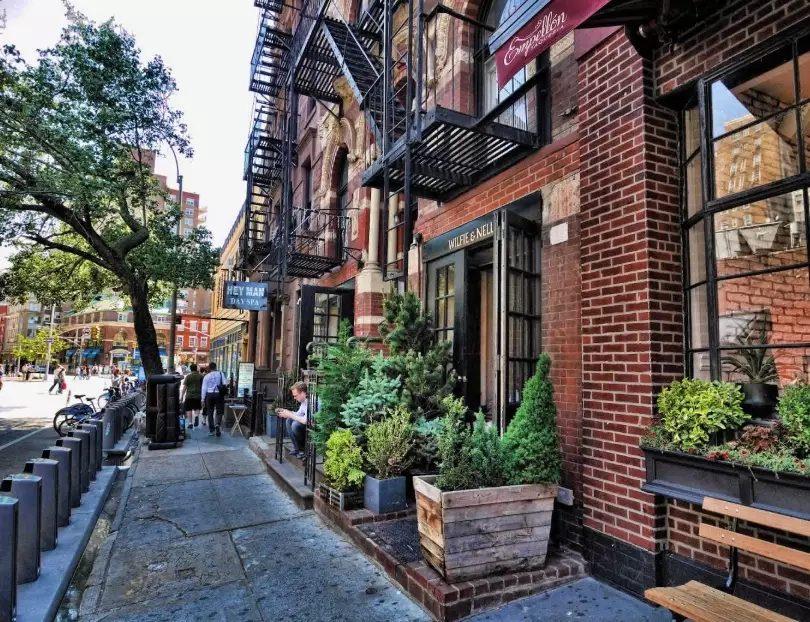
Beyond the Usual Suspects: Other Areas Worth a Look
The conversation doesn't end with Midtown and Brooklyn. Depending on your trip's focus, these areas could be your secret weapon.
Upper West Side & Upper East Side: These are primarily residential neighborhoods with a quieter, more genteel feel. The UWS is near Central Park, the American Museum of Natural History, and has a lovely, relaxed vibe. The UES is home to Museum Mile (The Met, Guggenheim). Both have good subway lines (the 1/2/3 on the West, the 4/5/6 on the East) but require a commute downtown for most nightlife and other attractions. Ideal for longer stays, families, or those who want a calmer retreat.
Long Island City (Queens): This is the insider tip for amazing Manhattan views and value. Just one subway stop from Manhattan (on the 7, N/W, or several others), LIC has seen an explosion of new, modern hotels, many with rooftop bars overlooking the skyline. It's quieter at night, less crowded, and your dollar stretches further. You're not in a "tourist neighborhood," but you're incredibly close to one.
Let's Compare: The Quick Neighborhood Rundown
| Neighborhood | Best For | Vibe/Atmosphere | Average Hotel Price (for a 3-4 star) | Top Pro | Biggest Con |
|---|---|---|---|---|---|
| Midtown | First-timers, theater, maximum convenience | Energetic, crowded, tourist-centric | $$$ | Walk to major sights | Can feel overwhelming & pricey |
| Financial District | History, weekend deals, newer hotels | Polished, modern, quieter nights | $$ ($ on weekends) | Great weekend value | Can feel dead after business hours |
| Chelsea/Village | Foodies, local charm, romantic trips | Bohemian, creative, tree-lined streets | $$$ | Incredible dining & character | Not on top of major landmarks |
| Williamsburg, BK | Trend-seekers, nightlife, skyline views | Hip, young, artistic, vibrant | $$ | Authentic local scene | Requires a commute to Manhattan |
| Upper West Side | Families, longer stays, park access | Residential, calm, classic NYC | $$ | Peaceful & safe | Longer subway rides downtown |
| Long Island City, QNS | Budget-conscious, modern hotels, views | Up-and-coming, residential, quiet | $ - $$ | Best value for modern rooms | Lacks neighborhood tourist attractions |
Making Your Decision: Key Factors Beyond the Map
Choosing isn't just about picking a neighborhood name. You need to drill down into the logistics.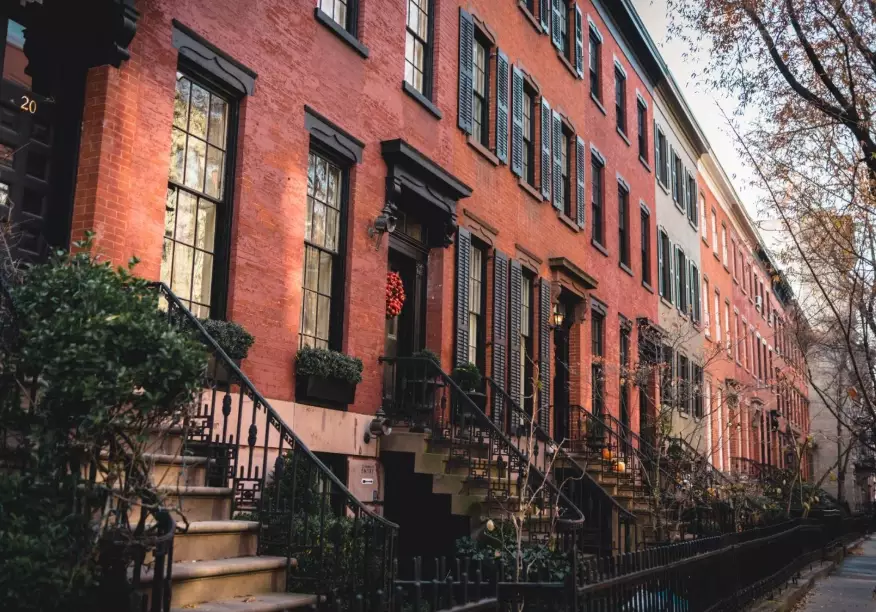
Budget & Hotel Type
Your budget is the ultimate dictator. New York has everything, but you need to know where to look.
- Luxury/Splurge: You'll find iconic options in Midtown (The St. Regis, The Peninsula), but also consider boutique luxury in the Village or the new wave of design hotels in Brooklyn.
- Mid-Range (The Sweet Spot): This is where location gets tricky. You can find solid chain hotels in Midtown, but you might get more space and newer rooms in FiDi, Downtown Brooklyn, or Long Island City for the same price.
- Budget: Hostels exist in Midtown and the UWS. For hotels, look at areas further from the core like Harlem (which has amazing culture and food) or certain parts of Brooklyn. Don't forget to factor in resort fees, which are annoyingly common now.
Transportation & The Subway Map
Your hotel's proximity to a subway station is more important than its proximity to Times Square. Seriously.
Check the subway map.
I mean it, pull it up. Look for hotels near stations served by multiple lines (e.g., Times Square, Union Square, Atlantic Terminal, Columbus Circle). A single-line station puts you at the mercy of that line's service changes. The official MTA website (new.mta.info) is the source for real-time service status and maps. A neighborhood with great access to the A/C/E lines, for example, gives you a fast route to both downtown and uptown.
Safety & Walkability
New York is generally a very safe city for tourists. The areas discussed here are all well-trafficked and patrolled. Your biggest safety concern is likely pickpocketing in crowded areas. Always be aware of your surroundings.
Walkability is a huge perk. Can you walk to a coffee shop, a park, a few restaurants? It makes a stay so much more enjoyable than being in a hotel canyon where you have to take the subway for every little thing.
Your Questions Answered: NYC Stay FAQs
Final Thoughts: Trust Your Gut
At the end of the day, the best way to decide what is the best area to stay in when visiting New York is to be honest about your travel personality. Are you a planner who wants to maximize every minute? A wanderer who wants to get lost on charming streets? Someone who needs a quiet room to recharge after a day of stimulation?
Look at the neighborhood descriptions and see which one makes you nod your head. Picture yourself walking out of the hotel in the morning. Where do you want to be?
My last piece of advice? Don't stress too much. As long as you're near a good subway line, you're never more than 30 minutes from anywhere in this city. The perfect neighborhood is the one that feels right for your adventure. Now go book that trip—you're going to have an amazing time.




Comments
Leave a Comment