Quick Navigation
Let's be honest. Figuring out how to apply for a US 10 year multiple visa can feel like navigating a maze blindfolded. You hear stories—some people get it easily, others get rejected for reasons that seem vague. The official information is all over the place, and forums are full of conflicting advice. It's enough to make anyone's head spin.
I've been through this process myself and helped friends with theirs. It's not magic, but there is a method to it. This guide isn't about generic tips you can find anywhere. We're going to break down the entire journey, from the moment you wonder "Am I eligible?" to the day you finally have that visa in your passport. We'll talk about the unspoken rules, the little details that trip people up, and what the officer on the other side of the glass is really looking for.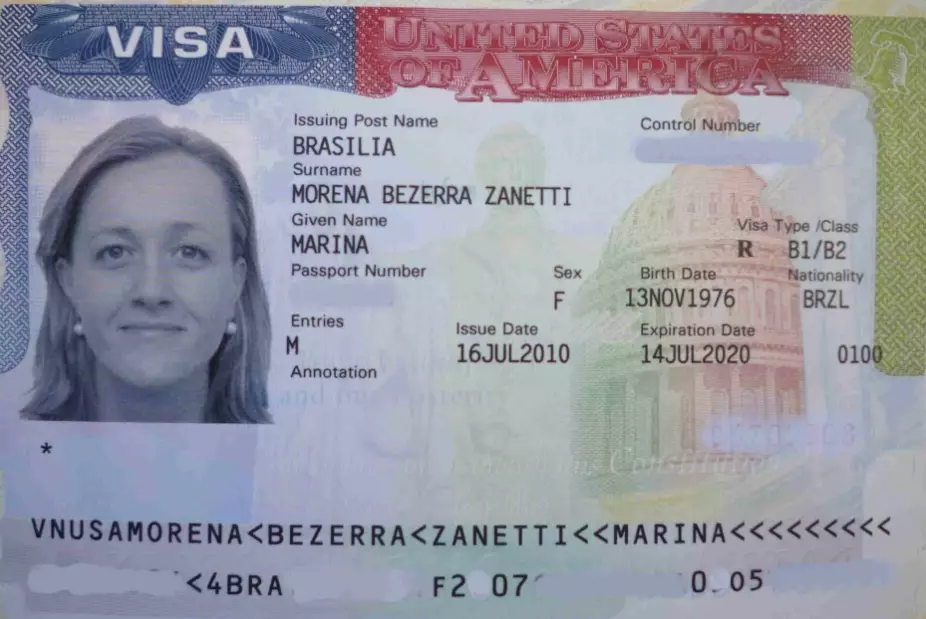
So, if you're serious about getting your US 10 year multiple entry visa, grab a coffee. Let's get into it.
Before You Even Start: Are You a Good Candidate?
This is the most important part, and most guides rush past it. The core of the application isn't the form; it's proving you overcome the presumption of immigrant intent. Under US law (U.S. Department of State), every visitor visa applicant is viewed as an intending immigrant until they prove otherwise. Your entire application is built to prove one thing: you have strong ties to your home country and will return after a temporary visit.
So, ask yourself these questions honestly:
- Do I have a stable job, a business, or am I enrolled in studies back home?
- Do I own property (a house, land) or have significant family responsibilities (spouse, children, elderly parents) in my country?
- Do I have a solid travel history, showing I've visited other countries and returned on time?
- Can I fully fund my trip without being tempted to work in the US?
If you answered "no" to most of these, your path will be harder. It's not impossible, but you'll need a rock-solid plan to demonstrate your ties.
I remember a friend, a young single guy with a new job, who got approved. His secret? He had a letter from his employer detailing his role, his necessity to the company, and his approved leave dates. He also showed property papers in his parents' name where he lived, and bank statements with steady savings. He framed his trip as a specific, short tourism plan—a two-week national park tour. He didn't just say "I want to see America."
The Step-by-Step Process to Apply for a US 10 Year Multiple Visa
Alright, let's map out the actual journey. Think of it as a project with clear phases.
Phase 1: The Foundation (DS-160 & Scheduling)
This is your paperwork phase. Get this wrong, and you're starting on the back foot.
Step 1: Complete the DS-160 Form Online
This is your official application. You'll find it on the Consular Electronic Application Center website. It's long and tedious. Set aside 60-90 minutes of focused time.
Key sections where people mess up:
- Travel Information: Have a specific plan. Name cities you'll visit, even if it's just "Los Angeles, California, and Las Vegas, Nevada." Don't put "TBD." For address, use your first hotel's details or a friend's address.
- Travel Companions: If you're traveling with family, list them. It shows a coordinated plan.
- Previous US Travel: Be brutally accurate. Even if you overstayed by a day 10 years ago, mention it. They have the records.
- Family: List all relatives in the US and in your home country.
Pro Tip: Save the application ID after every page. Take a screenshot of the confirmation page with the barcode at the end. You'll need it for everything.
Step 2: Pay the Visa Application Fee (MRV Fee)
The current fee for a B1/B2 visa is $185 USD. Payment methods vary by country (bank transfer, online payment, cash at specific banks). This fee is non-refundable, even if you're denied. It stings, but it's the cost of the game.
Step 3: Schedule Your Two Appointments
You usually schedule through a portal specific to your country (like US Travel Docs for many). You need to book TWO things:
- Biometrics Appointment (Optional for some, mandatory for most): This is where they take your fingerprints and photo.
- Visa Interview Appointment: The main event at the US Embassy or Consulate.
Wait times can be weeks or months. Schedule the interview first, as it dictates your timeline.
Phase 2: Building Your Evidence Portfolio
You don't submit documents with your DS-160, but you must bring them to the interview. The officer might not ask for a single one, but you must be prepared to present them if asked. Organize them in a clear folder.
| Document Category | What to Include | Why It Matters |
|---|---|---|
| Proof of Ties to Home Country | Employment letter (on letterhead, with dates, salary, leave approval), Property deed/lease, School/University enrollment proof, Marriage/Kids' birth certificates, Business registration documents. | This is your core evidence. It answers the "Why will you return?" question. |
| Financial Proof | Bank statements (last 6 months), Fixed deposit certificates, Salary slips (last 3-6 months), Tax returns (last 2-3 years). | Shows you can afford the trip without illegal work. Consistency is key—no sudden, large, unexplained deposits. |
| Trip Specifics | Flight itinerary (NOT a paid ticket, just a reservation), Hotel bookings, A rough day-by-day plan. | Demonstrates a genuine, planned temporary visit. |
| Additional Support | Photos from previous international travels, Professional certificates, CV/Resume (showing career at home). |
Phase 3: The Visa Interview – Your 3-Minute Performance
This is it. The interview is often less than 5 minutes. Your goal is to be confident, concise, and honest.
The Day Of: Arrive early, but not excessively. Dress neatly (business casual is safe). You'll go through security—expect to leave phones and bags outside. Bring only your documents in a clear file.
The Common Questions: They are deceptively simple. Your answers should subtly reinforce your ties.
- "Why do you want to visit the US?" Be specific. "I want to experience the Grand Canyon and visit the museums in Washington D.C. over a three-week holiday." is better than "For tourism."
- "What do you do for work?" Explain your job clearly and how long you've been there.
- "Have you been to the US before?" Just answer yes or no. If yes, briefly mention when and for what.
- "Who will finance your trip?" "I am financing it myself from my savings and salary." Show your bank statement if they ask.
- "Do you have family in the US?" Answer truthfully. If you do, immediately follow up with your strong ties. "Yes, my cousin lives in Texas. I'm visiting him for a week during my California road trip. I have to be back by [date] for my job at [Company]."
Body language matters. Make eye contact, speak clearly, don't fumble nervously with your papers. If asked for a document, hand it over calmly.
And then, it's over. The officer will tell you the decision. It's usually one of three: Approved, Denied (with a section of law cited), or Administrative Processing (which means they need more time to check something).
After the Interview: What Happens Next?
If you're approved, congratulations! But you're not done yet.
The officer will keep your passport. The visa will be printed and affixed to a page. You'll get instructions on how to get your passport back—usually via a courier pickup from a location you selected when scheduling.
This process can take 3 to 10 business days, sometimes longer. You can track the status online using your DS-160 number.
When you get your passport, check the visa carefully:
- Validity: The "Entries" should say "M" for Multiple. The "Issue Date" and "Expiration Date" should show the 10-year validity (if you're eligible).
- Personal Details: Ensure your name, passport number, and photo are correct.
- Visa Type: It should say "B1/B2."
What If You Get Denied?
It's a tough pill to swallow, but it's not the end of the world. The officer will give you a slip citing the section of law under which you were denied. For B visas, it's most often Section 214(b) – Failure to prove non-immigrant intent.
This means they weren't convinced you'd return home. Don't take it personally; it's about the evidence, not you as a person.
What you can do:
- Don't reapply immediately with the same information. You'll just waste another $185.
- Analyze the gap. What was weak? Your job? Finances? Travel history? Lack of a specific plan?
- Strengthen your profile. This takes time. Get a more stable job, build longer savings history, travel to other visa-required countries first, acquire property.
- When you reapply, your new DS-160 and interview must clearly show how your circumstances have changed for the better.
There's no appeal for a 214(b) denial. Your only option is a new, stronger application.
Frequently Asked Questions (The Real Ones People Ask)
Final Checklist Before You Hit "Submit" on DS-160
Let's wrap this up with a quick mental checklist. If you can tick these off, you're in a strong position to figure out how to apply for a US 10 year multiple visa successfully.
- I have a clear, specific reason for my trip (tourism itinerary, business conference details).
- My DS-160 form is 100% accurate and consistent.
- I have organized proof of my stable job/studies/family ties back home.
- My bank statements show steady, legitimate funds to cover my trip.
- I have a simple, honest story for the interview that ties my documents together.
- I understand that a visa allows me to travel to a port of entry, where a CBP officer makes the final decision on my admission.
The process to apply for a US 10 year multiple visa is a test of preparation. There's no shortcut, but there is a clear path. Be thorough, be honest, and think from the consular officer's perspective: "Does this person have a life to return to?"
Good luck. Do the work, and walk into that interview with the quiet confidence that comes from being prepared.


Comments
Leave a Comment