In This Guide
- The Man, The Myth, The Bequest: How the Smithsonian Was Born
- Navigating the Behemoth: A Practical Guide to the Smithsonian Museums
- Beyond the Exhibits: The Smithsonian's Secret Life
- Answering Your Burning Questions (The FAQ You Actually Need)
- The Stuff They Don't Always Talk About (The Nitty-Gritty)
- Making It Your Own: Finding Your Smithsonian
Let's be honest, the sheer number of Smithsonian museums can be overwhelming. You hear about it, you know it's a big deal in Washington D.C., and you probably have a vague idea it has something to do with dinosaurs and space shuttles. But when you start digging, you realize it's this massive, sprawling entity. It's not one museum. It's nineteen. Plus a zoo. Plus research centers in Panama and beyond. It holds over 155 million items. Wrap your head around that for a second.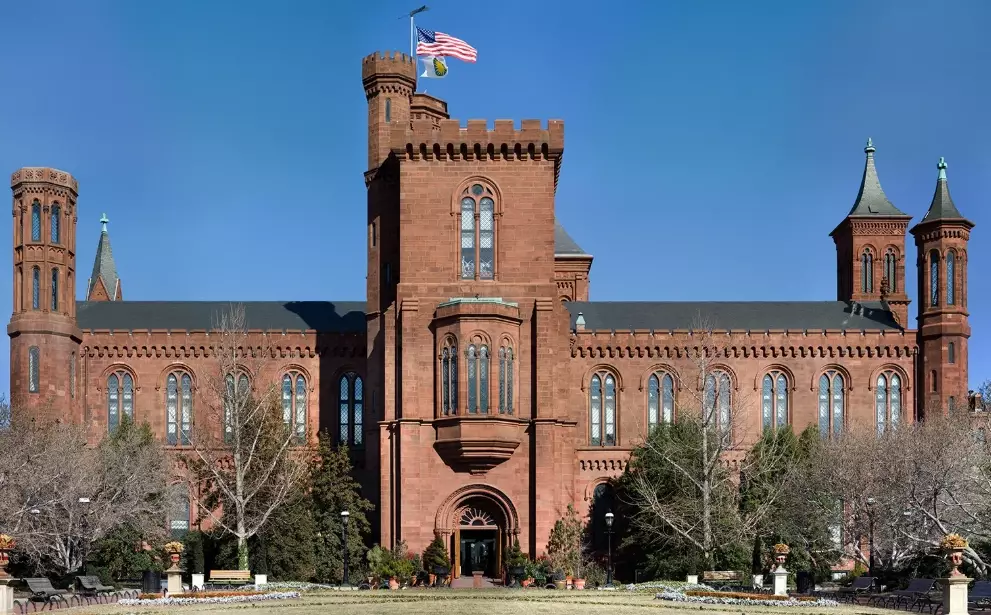
I remember my first visit. I was a kid, and I just wanted to see the giant squid and the Hope Diamond. I had no clue I was stepping into an institution founded by a man who never even set foot in the United States. That's the weird, wonderful story at the heart of the Smithsonian.
This guide isn't just a dry list of opening hours. We're going to peel back the layers. We'll talk about the oddball English scientist who started it all, break down which museums are actually worth your precious time (and which you can maybe skip if you're short on it), and give you the real, practical tips the official brochures sometimes gloss over. Planning a trip here can feel like a military operation, but it doesn't have to be.
The Man, The Myth, The Bequest: How the Smithsonian Was Born
James Smithson. Ever heard of him? Most Americans haven't. He was a British chemist and mineralogist, the illegitimate son of a duke. He traveled across Europe, did some solid science, but his real claim to fame was a grudge. He was furious that his status as an illegitimate child barred him from his father's title and inheritance.
So, what did he do? He wrote a will. And in that will, he left his entire fortune to his nephew, Henry James Hungerford. But here's the kicker—the clause that created the Smithsonian. He stated that if his nephew died without any heirs (which, spoiler alert, he did), the entire estate should go “to the United States of America, to found at Washington, under the name of the Smithsonian Institution, an establishment for the increase and diffusion of knowledge.”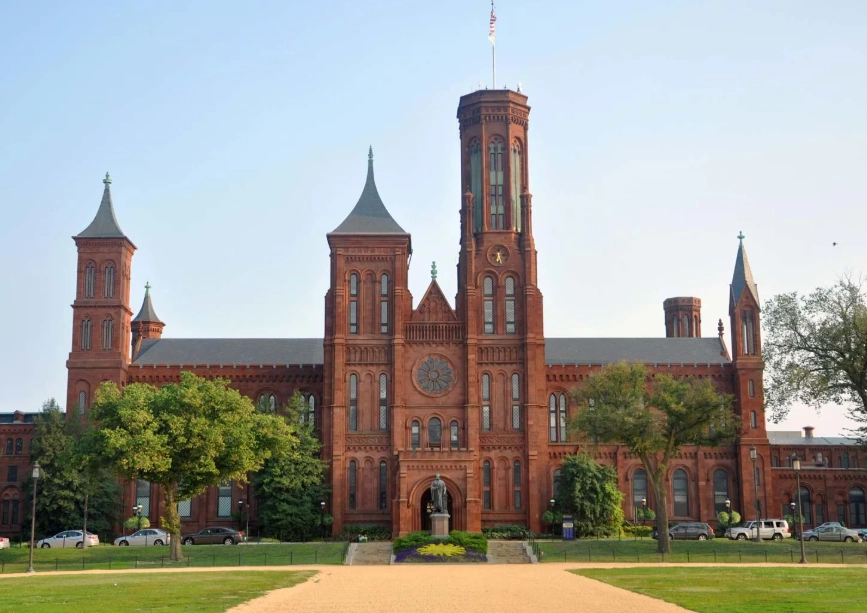
Let that sink in. A man with no connection to America, who had never visited, decided to give a fortune (about $500,000 then, equivalent to roughly $15 million today) to a young nation across the ocean. Congress was baffled. They argued about it for nearly a decade. Some thought it was a silly idea; others wanted to use the money for a national university or an agricultural college.
Finally, in 1846, President James K. Polk signed the act that established the Smithsonian Institution. The first building, the iconic Smithsonian Castle on the National Mall, was completed in 1855. Its first Secretary, Joseph Henry, had to fight his own battles. He envisioned the Smithsonian as a center for pure scientific research. Others, including many in Congress, just wanted a fancy museum cabinet of curiosities. That tension between research and public exhibition has been part of the Smithsonian's DNA from day one.
You can still visit Smithson's crypt, right inside the Castle. It's a quiet, solemn little room. I find it strangely moving. All this—the rockets, the artifacts, the art—springs from one man's singular, slightly spiteful, but ultimately magnificent vision.
Navigating the Behemoth: A Practical Guide to the Smithsonian Museums
Okay, down to business. You've got a weekend, maybe three days. You cannot see it all. Don't even try. You'll get museum fatigue, your feet will hate you, and you'll remember nothing but a blur of glass cases. The key is to be strategic.
First, know your clusters. Most of the big-hitters are on the National Mall. This is your main battlefield. Then you have a couple of outliers in other parts of D.C., like the wonderful but often-overlooked National Postal Museum near Union Station.
The National Mall Powerhouses
These are the ones you see in the movies. They line the grassy strip between the Capitol and the Washington Monument.
| Museum | What's Inside (The Big Draws) | Best For... | My Personal Take |
|---|---|---|---|
| National Air and Space Museum | The Wright Brothers' Flyer, the Apollo 11 command module, Charles Lindbergh's Spirit of St. Louis, a lunar rock you can touch. | Kids of all ages, aviation geeks, anyone fascinated by human ingenuity. It's perpetually crowded for a reason. | The Smithsonian Air and Space Museum is incredible, but parts of it feel a bit dated. The recent renovations are fantastic, though. The Milestones of Flight hall still gives me chills. |
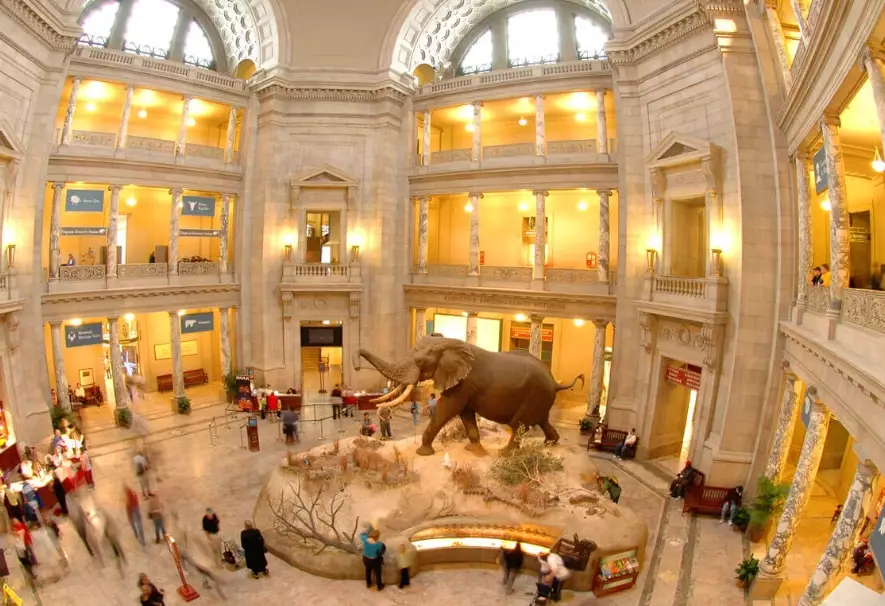
| National Museum of Natural History | The Hope Diamond, the iconic African Bush Elephant in the rotunda, dinosaur skeletons (including a T-Rex), the Ocean Hall. | Families, anyone who loved dinosaurs as a kid (so, everyone). It's another crowd magnet. | I still get lost in here sometimes, and that's part of the fun. The gem collection is absurdly beautiful. Pro tip: The dinosaur hall can be a madhouse; go right at opening or later in the afternoon. |
| National Museum of American History | The Star-Spangled Banner flag, Dorothy's ruby slippers, Abraham Lincoln's top hat, Julia Child's kitchen. | Understanding the American story in tangible objects. It's surprisingly emotional. | This is where the Smithsonian Institution feels most like the nation's attic. It's a wonderfully eclectic mix of pop culture and profound history. The flag exhibit is somber and powerful. |
| National Museum of African American History & Culture | A profound journey from slavery to the present day, featuring artifacts like a slave cabin, Emmett Till's casket, and Chuck Berry's Cadillac. | A essential, moving, and educational experience. It's not an easy visit, but it's a necessary one. | You need timed-entry passes for this one, and they can be hard to get. Plan months ahead. It's arguably the most important museum to open on the Mall in the last 50 years. The design of the building itself is stunning. |
See? Just those four could consume two full days. And we haven't even talked about the National Museum of the American Indian (with its excellent cafeteria, Mitsitam, by the way), or the stunning art museums like the National Portrait Gallery (which houses the only complete collection of presidential portraits outside the White House).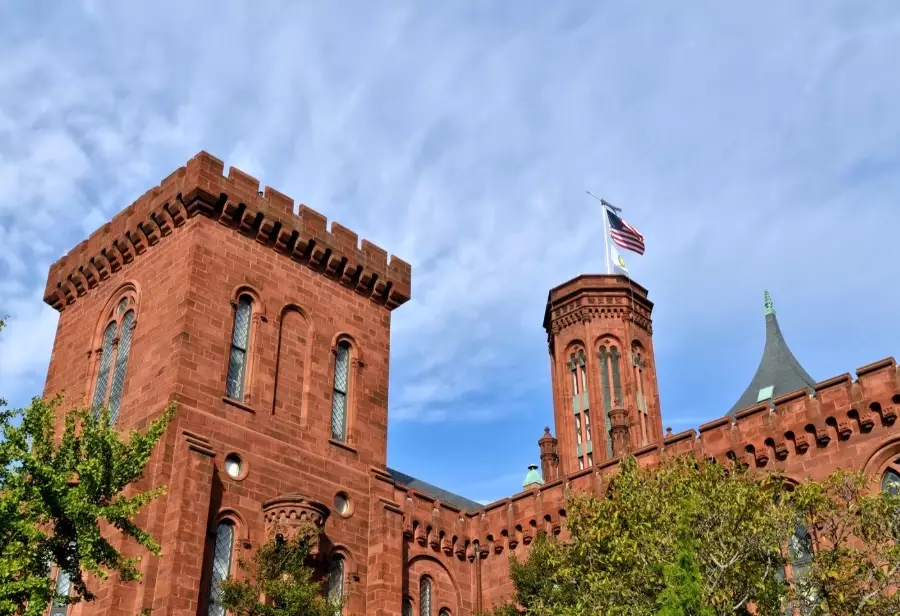
Beyond the Exhibits: The Smithsonian's Secret Life
Here's something most visitors never see: the Smithsonian Institution is a world-class research organization. Those museums are just the public-facing tip of a massive iceberg.
Scientists are describing new species, astrophysicists are analyzing data from telescopes, art conservators are using cutting-edge tech to restore priceless paintings. The collections stored behind the scenes are mind-boggling. The National Museum of Natural History, for instance, has over 145 million specimens. Only a tiny fraction are on display.
They have facilities like the Museum Support Center in Suitland, Maryland, which is basically a giant, climate-controlled warehouse for history. Want to see where they keep all the airplanes that don't fit in the Air and Space Museum? That's the Steven F. Udvar-Hazy Center out near Dulles Airport. It's worth the trip. The Space Shuttle Discovery is there, hanging in all its glory, along with a Concorde and the Enola Gay. It feels more like an airplane hangar than a museum, in the best possible way.
This dual identity—public educator and private researcher—is what makes the Smithsonian truly unique. When you look at a dinosaur skeleton, you're not just looking at a cool model. You're looking at an active scientific specimen that researchers from around the world request to study. That connection between the public gallery and the scholarly work is, for me, the magic trick.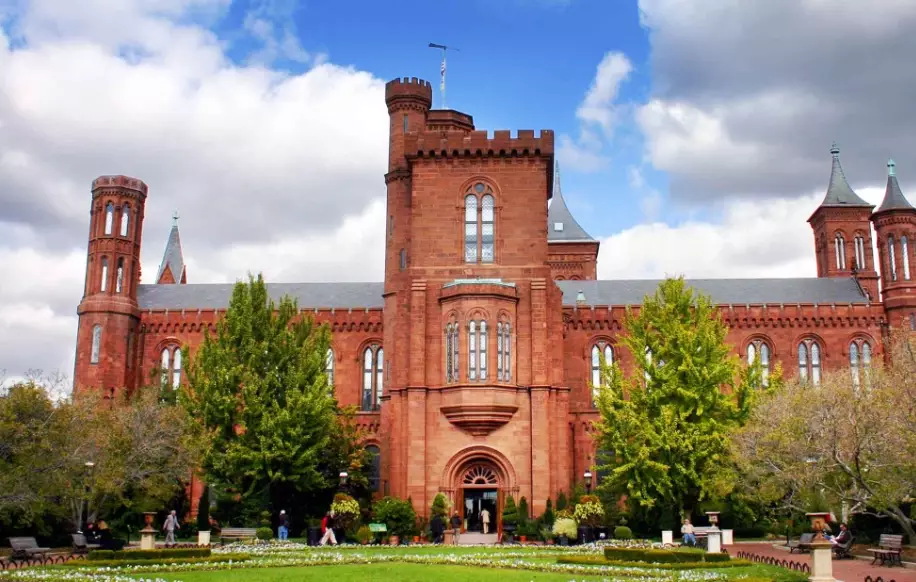
Answering Your Burning Questions (The FAQ You Actually Need)
Answering Your Burning Questions (The FAQ You Actually Need)
Let's cut through the noise. Here are the questions people are really typing into Google.
The Stuff They Don't Always Talk About (The Nitty-Gritty)
Let's get real for a paragraph. The place isn't perfect. Some of the older exhibits feel frozen in time, telling stories from a perspective that feels outdated. The Smithsonian Institution has faced (and continues to face) criticism over how it represents marginalized communities, the provenance of some artifacts, and the sheer physical maintenance of its aging buildings. The debate over the Enola Gay exhibit at the Air and Space Museum in the 1990s was a huge public history fight.
But that's also a sign it's alive. It's grappling with these issues. New museums like the African American History museum and the upcoming National Museum of the American Latino and the Smithsonian American Women's History Museum are actively reshaping the narrative. It's evolving, which is what a living institution should do.
Another practical headache? The Metro. It's the best way to get there, but navigating the D.C. subway system with a tired family after a long museum day is its own kind of challenge. Download the Metro app before you go.
Making It Your Own: Finding Your Smithsonian
So, what's the secret? Don't treat the Smithsonian as a checklist. Treat it as a playground for your curiosity.
Are you a space nut? Make the Udvar-Hazy Center your pilgrimage. Love art? Skip the crowded Mall and spend a serene day at the Freer and Sackler Galleries of Asian art, or the stunning sculptures at the Hirshhorn. Into weird history? The National Museum of American History has drawers full of it, from patent models to first ladies' dresses.
Use the official Smithsonian museums page to browse collections online before you go. You can even see what's on display right now. It helps you target what you really want to see.
At the end of the day, the power of the Smithsonian isn't in any one object. It's in the accumulation. It's in the reminder that human history, our triumphs and failures, our art and our science, is a vast, interconnected story. And in the middle of Washington D.C., thanks to a grumpy Englishman with a vision, you can walk in and be a part of it, for free. That's a pretty remarkable thing.
Just remember to wear comfortable shoes. Seriously. That's the most important tip of all.



Comments
Leave a Comment