快速导览
Let's be real right from the start. If you're searching for "What is the best season in the USA?" hoping for a single, simple answer, I'm going to disappoint you. There isn't one. Asking that is like asking what the best food is—it depends entirely on your taste, your tolerance for heat or cold, your budget, and what you actually want to *do* on your trip. The United States is massive, stretching from the tropical beaches of Hawaii to the frozen tundra of Alaska. The weather and vibe in Miami in July are a different universe from Seattle in July.
I've made the mistake of assuming one season fits all. I once planned a grand Southwest road trip for August, dreaming of Utah's national parks. The scenery was otherworldly, sure. But the heat? It was like walking into a giant hair dryer. We're talking 110°F (43°C) in the shade, which there wasn't much of. Hiking was a pre-dawn military operation, not a leisurely stroll. It was spectacular, but I wouldn't call it the "best" time for that particular adventure.
So, instead of a blanket statement, this guide is about finding *your* best season. We'll peel back the layers on all four, then zoom in on what matters most: regions and activities.
The Contenders: A Quick Rundown of All Four Seasons
Before we get regional, let's set the stage. Each season has its own personality and its own set of fans and detractors.
Spring (March - May)
Ah, spring. The great thaw. This is when the country collectively wakes up from winter. It's a season of renewal, but its timing is wildly inconsistent. In February, Florida might be in full bloom while New England is still under a foot of snow.
The Good: Generally mild temperatures, blooming flowers (think Washington D.C.'s cherry blossoms), lower crowds than summer, and a sense of optimism in the air. Shoulder season prices often apply in many places before the summer surge.
The Not-So-Good: Unpredictable. You might get a sunny 65°F day or a chilly, rainy 45°F one. "Spring break" in March can turn certain beach destinations (like parts of Florida or South Padre Island) into crowded, expensive party zones. In the mountains, it's often just a slushy, muddy mess known as "mud season."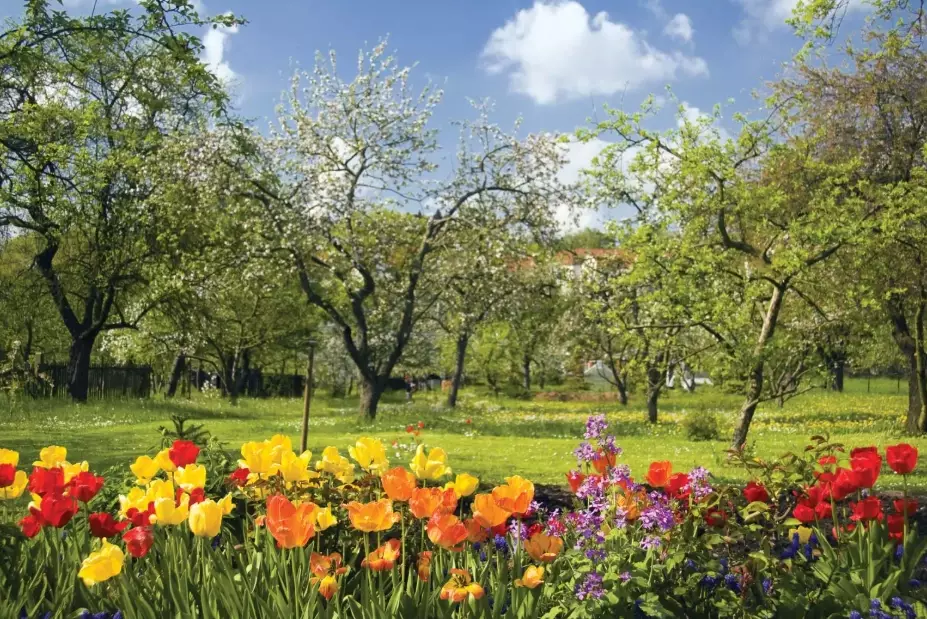
Summer (June - August)
The classic American vacation season. School's out, the days are long, and everything feels open and accessible.
The Good: Consistently warm to hot weather nationwide (mostly). All attractions, national park lodges, and seasonal restaurants are open. It's festival season—from county fairs to massive music events. Perfect for beach trips, mountain lakes, and road trips where you don't want to worry about snow chains.
The Not-So-Good: Crowds. Everywhere. Lines are longer, prices are at their peak, and popular spots can feel overrun. Heatwaves can make cities like Phoenix, Las Vegas, or even New York brutally uncomfortable. Humidity in the Southeast can be oppressive. Also, wildfire season kicks off in the West, which can ruin air quality and scenic views.
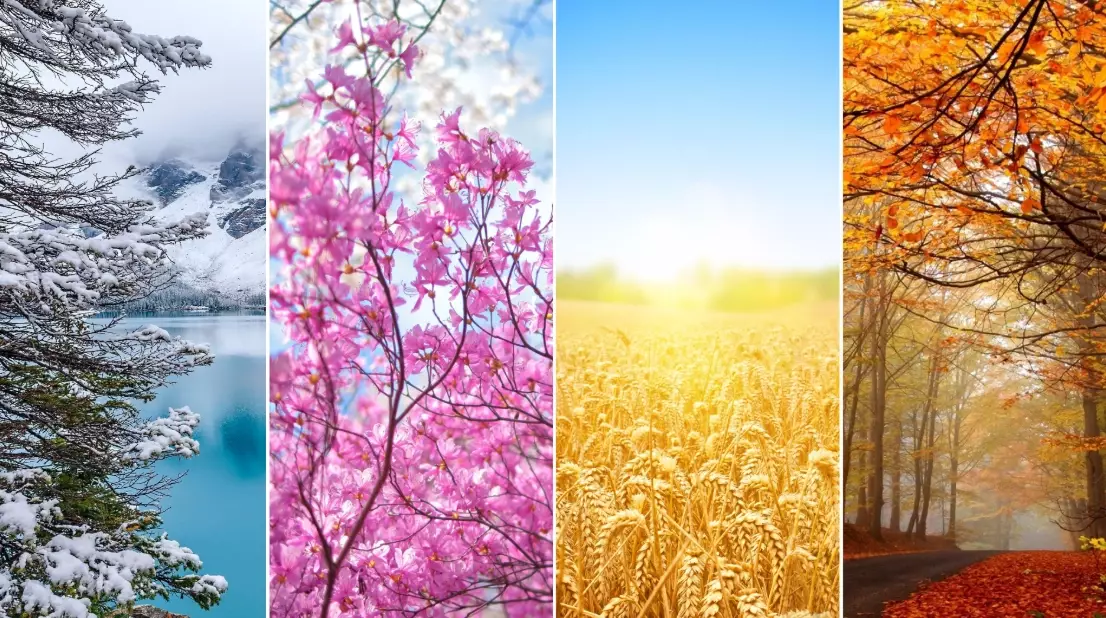
Fall / Autumn (September - November)
My personal favorite for a huge chunk of the country. Summer's heat fades, but winter's chill hasn't settled in.
The Good: Crisp air, stunning foliage (especially in New England, the Appalachians, and the Upper Midwest), fewer insects, and those shoulder-season prices return after Labor Day. It's fantastic for hiking, city breaks, and wine tasting during harvest season in places like Napa or the Finger Lakes.
The Not-So-Good: It can be short, especially in northern states. Weather becomes more variable as you get deeper into November. Hurricane season peaks in the Atlantic and Gulf Coast through October, which can disrupt travel plans. Once the leaves fall, it can get gray and damp quickly.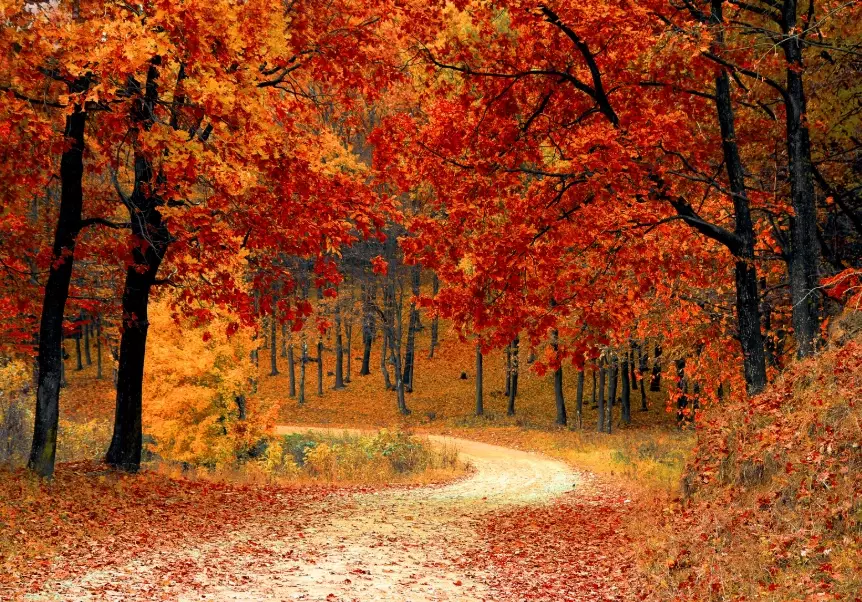
Winter (December - February)
It's not just about snow and cold. Winter creates entirely different travel opportunities.
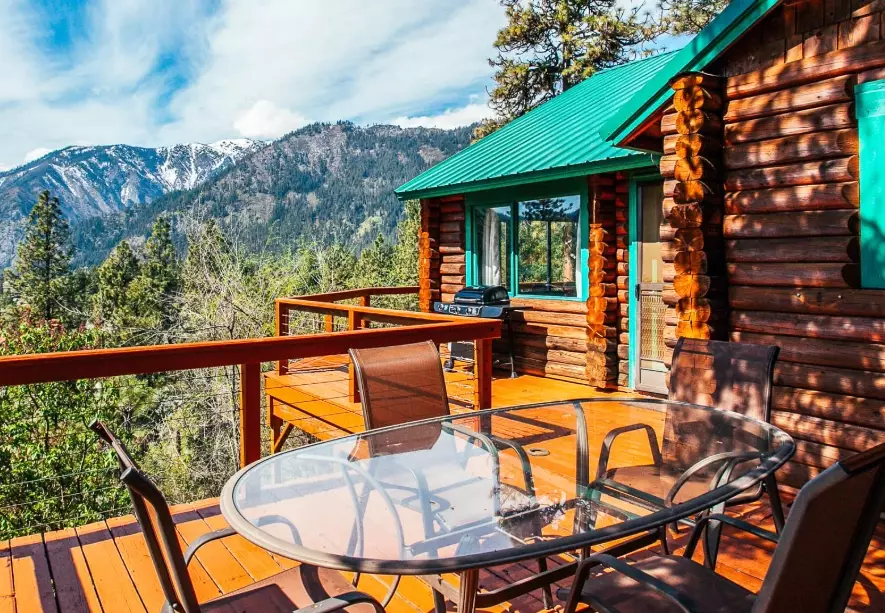
The Good: Snow sports paradise in the Rockies, Sierras, and Northeast. Magical holiday atmospheres in cities like New York, Chicago, or Leavenworth, WA. The absolute best time to visit desert parks (Death Valley, the Grand Canyon's South Rim) or the tropical escapes of Florida, Hawaii, and Southern California. Crowds are minimal (except around major holidays), and prices can be a steal.
The Not-So-Good: Obviously, cold and snow, which can ground flights and make driving hazardous. Many outdoor attractions in northern regions close or have limited access. Daylight hours are very short. The "winter blues" are a real thing in places with persistent gray skies.
See what I mean? The best season in the USA for a beach bum is the worst for a ski enthusiast. It all depends.
Finding Your Answer: The Best Season by Region and Activity
This is where we get practical. Let's match the season to the place and the purpose of your visit.
The Northeast & New England (NY, MA, VT, NH, ME, etc.)
This region lives and breathes by its seasons, each one dramatic.
- For Fall Foliage & Pleasant Hiking: Mid-September to Mid-October is unbeatable. It's the poster child for autumn. But book *way* in advance; it's massively popular.
- For City Breaks (NYC, Boston): Late Spring (May) and Early Fall (September-October). You avoid the extreme summer humidity and the bitter winter cold. Walking around is a joy.
- For Skiing & Winter Sports: January - February offer the most reliable snow. Vermont and New Hampshire are classics.
- Summer: Can be lovely on the coast (Maine, Cape Cod) but hot and crowded in the cities. Coastal areas like Maine are best from July to early September for comfortable water temperatures.
The South & Southeast (GA, FL, TN, LA, AL, etc.)
Heat and humidity are the defining factors here.
Key Thing to Know: Official Hurricane Season runs June 1 to November 30, with peak activity from mid-August to mid-October. Always get travel insurance if visiting during this window.
- For Pleasant Weather: Spring (March-April) and Fall (October-November). You'll miss the worst of the heat and the highest hurricane risk.
- For Beach Time in Florida: The winter months (December - April) are the dry season. This is the prime, most expensive time. Summer is hotter, more humid, with frequent afternoon thunderstorms, but water is warm and it's less crowded (except for Orlando's theme parks, which are busy year-round).
- For Music Festivals & Cities (Nashville, New Orleans): Spring and Fall are ideal. Summer can be stifling. New Orleans in August is an experience in endurance.
- Winter: A great escape from colder climates, especially Florida and the Gulf Coast.
The Southwest (AZ, NV, UT, NM)
This is desert and canyon country. Temperature extremes rule.
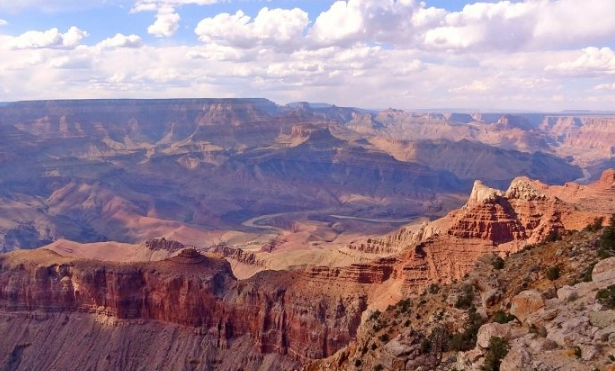
- The Absolute Best Windows: Spring (March-May) and Fall (September-November). Days are warm and sunny, nights are cool. Perfect for hiking in the Grand Canyon, Zion, or Arches. This is the consensus answer for "What is the best season in the USA" for desert exploration.
- Summer: Avoid the low-desert areas (Phoenix, Las Vegas, Death Valley) unless you love extreme heat. It's dangerously hot for serious outdoor activity. However, higher elevations (like the North Rim of the Grand Canyon or Flagstaff) can be pleasant summer escapes.
- Winter: Days can be mild and pleasant in places like Phoenix or Sedona, but nights get cold. Higher areas get snow. It's a good time to visit, but some high-elevation roads (like the one to the North Rim) close.
The West Coast (CA, OR, WA)
This long coastline has microclimates, but a general pattern holds.
- For California Sunshine: Southern California (LA, San Diego) is great year-round, but late spring and early fall offer the best combo of sun, warmth, and less coastal fog. San Francisco is famously cool year-round; its warmest months are often September-October.
- For the Pacific Northwest (Seattle, Portland): July - September is your safest bet for dry, sunny weather. The rest of the year is famously gray and drizzly, which has its own moody charm but isn't for everyone.
- For Skiing/Snowboarding: The Sierra Nevada (Lake Tahoe, Mammoth) and the Cascades get deep snow. Prime season is January - March.
- For Coastal Drives (Pacific Coast Highway): Spring and Fall to avoid summer traffic fog. Winter can be stormy and landslides can close roads.
The Rockies & Mountain West (CO, WY, MT, ID)
High altitude means big seasonal swings.
- For Hiking, National Parks, and Wildflowers: July - Early September. This is a short, glorious window when the snow has melted from high passes and trails are accessible. Yellowstone and Glacier National Parks are largely inaccessible outside of this summer/early fall window.
- For Skiing and Winter Sports: December - March, with February often being the peak for snowpack. World-class resorts in Colorado, Utah, and Wyoming.
- Shoulder Seasons (May-June, Sept-Oct): Can be beautiful but unpredictable. You might get a sunny 60°F day or a spring snowstorm. Many mountain services are closed.
The Activity-Based Decision Matrix
Still unsure? Let's flip the script. Decide what you want to do, and the season often chooses itself.
| Your Primary Goal | Best Season(s) | Top Region(s) for It | Watch Out For... |
|---|---|---|---|
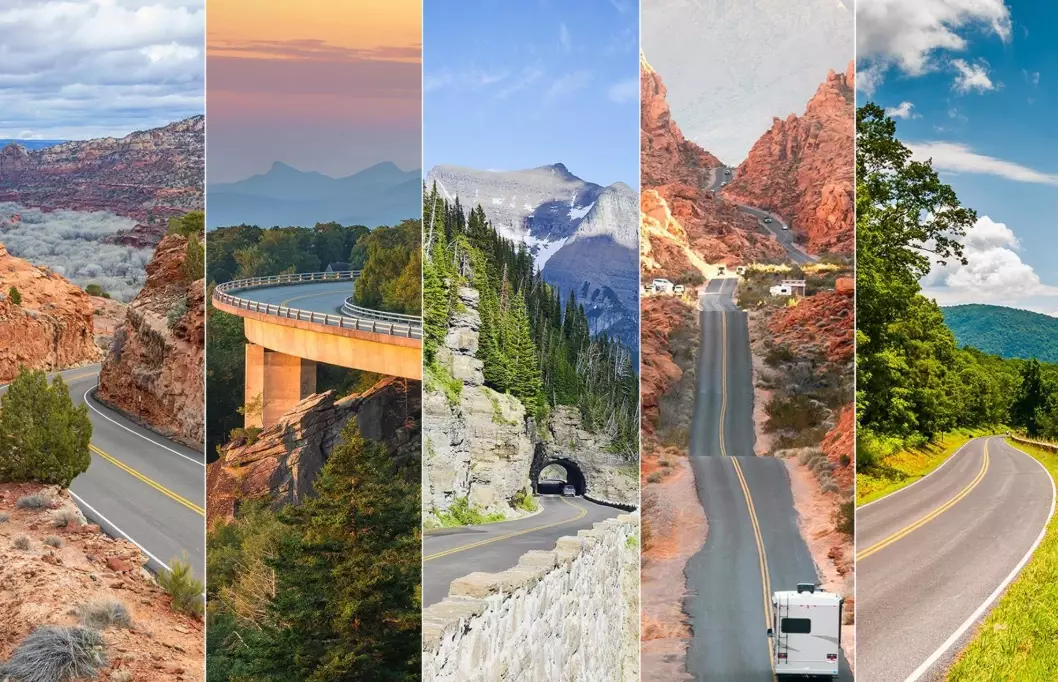
| Leaf Peeping & Scenic Drives | Fall (Sept-Oct) | New England, Blue Ridge Parkway (VA/NC), Upper Michigan, Colorado (Aspens) | Peak color is a 1-2 week window that varies yearly. Crowds. |
| Hiking & Backpacking | Late Spring, Summer, Early Fall | National Parks in Utah/Colorado, Pacific Northwest trails, Appalachian Trail sections | High altitude trails may be snow-covered until July. Summer heat in the Southwest. Afternoon thunderstorms in the mountains. |
| Beach Vacation | Summer (Jun-Aug) for most coasts; Winter (Dec-Apr) for Florida/Hawaii | California, Florida, Hawaii, Outer Banks (NC), Cape Cod | Summer crowds and prices. Hurricane season in the Atlantic/Gulf. Cold water on the West Coast (wetsuits often needed). |
| Skiing & Snowboarding | Winter (Dec-Mar) | Rocky Mountains (CO, UT), Sierra Nevada (CA), Tetons (WY), New England | Holiday periods are packed and pricey. January can be very cold. Early/late season may have limited snow. |
| Road Trips | Spring & Fall | Route 66, Pacific Coast Highway, Great River Road, Utah's Mighty 5 loop | Summer road trips are great but mean more traffic and potential for overheating in deserts. Winter trips require careful route planning for snow. |
| City Exploration | Spring & Fall (generally) | New York, Chicago, San Francisco, New Orleans, Washington D.C. | Summer in southern cities (Atlanta, Dallas) can be brutally hot and humid. Winter in northern cities can be bitterly cold. |
| National Park Visits | Shoulder Seasons (Spring/Fall) when possible | All 63 parks, but timing is everything (see regional guides above) | Summer is peak visitor season—arrive at 6 AM to beat crowds. Some parks have limited access in winter. |
That table should give you a much clearer starting point. It turns the vague "What is the best season in the USA?" into "What is the best season in the USA *for a hiking-focused trip to the national parks*?"
Beyond the Weather: Other Factors That Define the "Best" Time
Weather is the biggest piece, but it's not the only one. A few other things can make or break your idea of the perfect season.
Crowds and Cost
This is huge. Summer and major holidays (Christmas, Thanksgiving) are peak. This means:
- Higher Prices: Flights, hotels, rental cars, and even some attractions cost more.
- Limited Availability: The best lodges inside popular national parks like Yellowstone or Yosemite book up a year in advance for summer.
- Crowded Experiences: Longer lines, booked-out restaurants, traffic jams in scenic areas, and less sense of solitude.
If you hate crowds and love a deal, targeting the shoulder seasons (spring/fall) or even the off-season (winter, excluding holidays) for your chosen region is a brilliant move. Want to see New York City sparkle? Go in early December, before the Christmas rush hits its peak. It's magical and slightly less insane.
Seasonal Events and Closures
Seasons dictate what's open and what's happening.
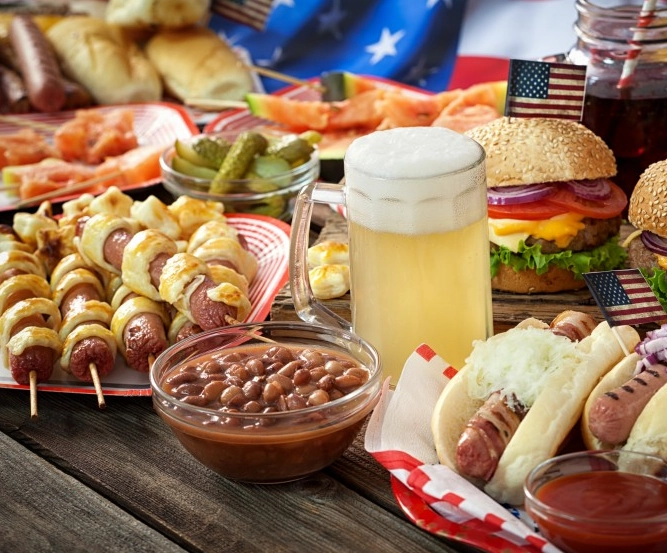
- Festivals: Summer and fall are packed with them—state fairs, music festivals (like Coachella in spring, Austin City Limits in fall), food festivals, and cultural events. Research what's on!
- Closures: Many seasonal businesses in vacation areas (beach towns, mountain resorts) operate only from Memorial Day to Labor Day, or for the ski season. Visiting a coastal Maine town in November means a quiet, authentic experience, but half the restaurants may be closed. Websites for local Chambers of Commerce are gold for this info.
- Wildlife Viewing: Seasons affect animal behavior. See bears in spring when they emerge; elk bugling in fall in Rocky Mountain National Park; whales migrating along the coasts in specific months (e.g., gray whales off California in winter/spring). The National Park Service website for each park has detailed seasonal wildlife guides.
Your Questions, Answered (The FAQ Section)
Wrapping It Up: How to Make Your Final Decision
So, after all this, how do you finally answer "What is the best season in the USA?" for yourself?
- Pinpoint Your "Why": What's the #1 thing you want from this trip? Hiking? Beaches? City life? Snow sports? Festivals? Start there.
- Pick Your "Where": Narrow down to 1-2 regions based on your "why." Don't try to do Florida and Seattle in the same week in January.
- Cross-Reference with the Grid: Look at the regional guides and the activity table above. See which seasons align for your chosen region and activity.
- Consider the Trade-Offs: Are you willing to deal with potential heat/cold/crowds to get your ideal experience? Is budget a primary concern, pushing you toward shoulder or off-season?
- Do the Micro-Research: Once you have a region and a season, dig deeper. Look up average temperatures and rainfall for that specific location and month. Check the calendar for local events that might be a bonus or a hassle.
For example, my dream trip to see the fall colors in New England means accepting that it will be crowded and expensive, but the visual payoff is worth it to me. My friend's dream trip to hike in Sedona means we'll go in October, not July, even if it means I need to pack a warmer jacket for the cool desert nights.
Hopefully, this guide has moved you from a broad, unanswerable question to a focused, personal plan. The best season in the USA is waiting for you to define it. Now go start planning.
Comments
Leave a Comment