Packing for the United States trips up a lot of travelers. It's not just about the weather—it's about the rules, the practicalities, and the little things that can derail a day. I've made the mistake of forgetting a plug adapter and spent my first night in New York with a dead phone. Not ideal. This guide cuts through the generic advice. We'll start with the non-negotiables, move to the smart additions, and finish with what you can safely leave at home.
Your Quick Packing Navigation
The Absolute Must-Haves: Documents & Money
Get this part wrong, and you're not getting on the plane. This isn't just a passport and a ticket.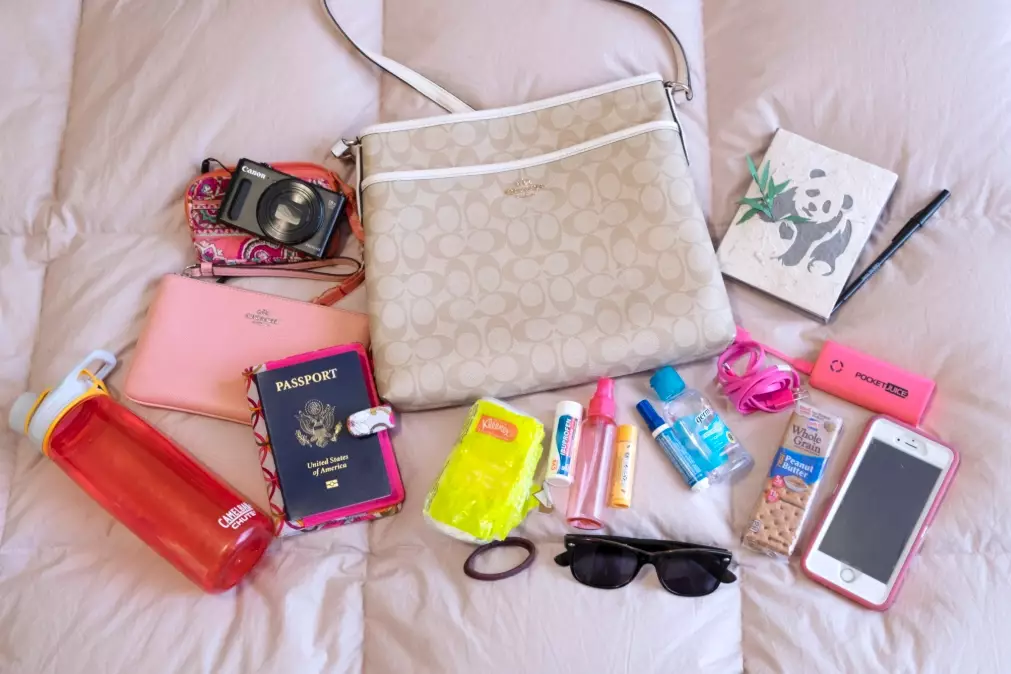
Travel Documents: Your passport must be valid for at least six months beyond your planned departure date from the USA. Check that now. If you're from a Visa Waiver Program country, you need an approved ESTA authorization. Print it. I don't care if they say you don't need to—a dead phone or a glitchy system at the airline check-in counter is a real possibility. Have a paper copy.
For those needing a visa, have the stamped passport page ready. Always carry a photocopy or a digital scan (saved offline) of your passport's main page. It makes replacement infinitely easier if the worst happens.
Money Matters: The US runs on credit and debit cards. Contactless payment (Apple Pay, Google Pay) is widespread. But cash is still king for tips, small food stands, farmers' markets, and some parking meters.
Bring a mix: two credit cards (one as backup, preferably without foreign transaction fees), a debit card for ATM withdrawals, and about $100-$200 in US cash. Get small bills—breaking a $50 for a coffee is awkward. Notify your bank of your travel dates to avoid fraud alerts freezing your cards.
Staying Connected: Electronics & Adapters
This is where people get tripped up. The US uses 110-120V electricity and Type A/B plugs. Your European 220V hairdryer will fry without a converter.
| Your Device | What You Need for the USA | Notes |
|---|---|---|
| Smartphone, Laptop, Camera Charger | Plug Adapter Only (Type A/B) | Check the charger's "Input" rating. If it says "100-240V, 50/60Hz," it's dual-voltage. An adapter is sufficient. |
| Hair Dryer, Curling Iron, Electric Shaver | Voltage Converter AND Plug Adapter | These are usually high-wattage and single-voltage. A heavy converter is needed. Consider buying a cheap one locally or using hotel amenities. |
| Power Strip (from home) | Not Recommended | It's a fire hazard if not rated for 110V. Bring a simple, multi-port USB charger and one US adapter instead. |
A portable power bank is non-negotiable. You'll use your phone for GPS, photos, and tickets all day. A 10,000mAh model can recharge most phones 2-3 times and fits in your pocket.
Dressing for the States: Clothing & Footwear
"America" isn't one climate. Packing for Miami in August is the opposite of packing for Chicago in January. But some principles are universal.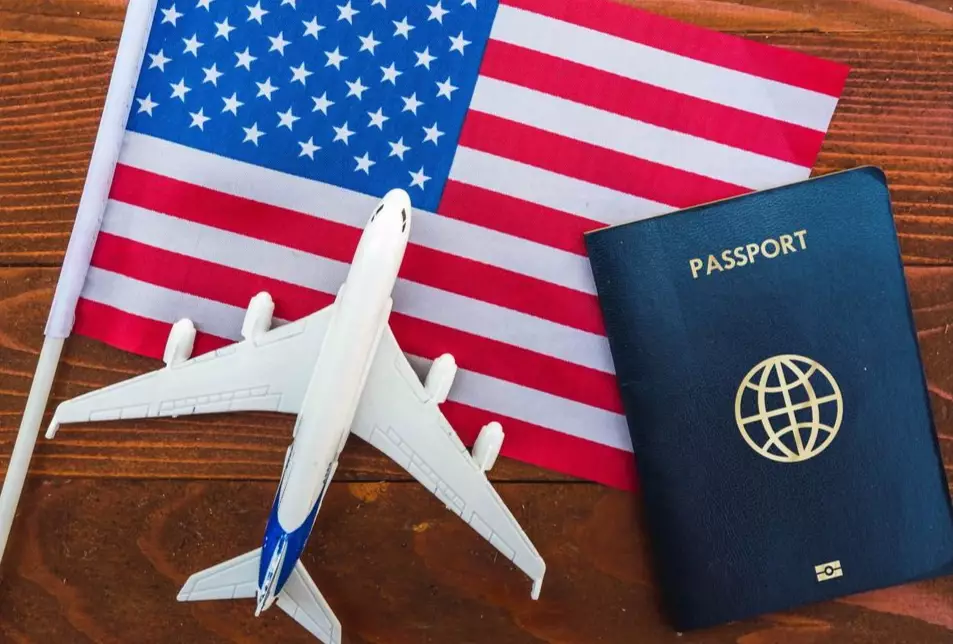
Think Layers. Indoor spaces—malls, museums, restaurants, trains—are often heavily air-conditioned in summer and overheated in winter. A light cardigan or packable jacket is a lifesaver even in July.
The Shoe Rule: You will walk more than you anticipate. Even in car-centric cities like Los Angeles, attractions are spread out. One pair of broken-in, supportive walking shoes is your top priority. A second pair (sandals, casual sneakers) gives your feet a break.
Regional Packing Snapshots
New York City in Fall: Jeans, t-shirts, a warm sweater, a waterproof jacket, scarf, and those walking shoes. Evenings get chilly.
California Coast Road Trip: Shorts and tees for L.A., but pack long pants and a fleece for San Francisco's famously cool summers. A swimsuit is essential.
National Parks in Utah/Arizona: Athletic wear, a wide-brimmed hat, high-SPF sunscreen, a refillable water bottle, and hiking boots or sturdy trail shoes. Temperatures swing from hot days to cool nights.
Americans dress casually. Unless you have specific plans for a high-end restaurant or theater, you can leave formal wear at home. Nice jeans and a collared shirt or a casual dress are acceptable almost anywhere.
Toiletries, Meds & Health Essentials
You can buy almost any toiletry here, but having your favorites on arrival saves time and stress.
Keep liquids in your carry-on under 3.4 ounces (100ml) and in a clear quart-sized bag. Solid deodorants, shampoo bars, and toothpaste tablets are great space-savers.
Travel insurance that covers medical expenses is highly recommended. US healthcare is extremely expensive for visitors. A simple ER visit can cost thousands.
The "Why Didn't I Think of That?" Items
These are the quiet heroes of a packing list, gathered from years of travel mishaps.
A reusable water bottle with a filter. Tap water is generally safe, but taste varies. A bottle with a built-in filter (like Brita) improves taste and saves money. You'll find water fountains everywhere to refill.
A small, foldable tote bag. Useful for grocery runs, souvenir overflow, or as a beach bag. It packs flat and weighs nothing.
Physical maps or downloaded offline maps. Cell service drops in rural areas, national parks, and even some subway tunnels. Download your destination area on Google Maps before you go.
A universal sink plug. Hotel sinks often lack plugs. Want to hand-wash a shirt? This tiny rubber plug is genius.
A pen. For filling out customs forms on the plane. It's a small thing, but borrowing one is a hassle.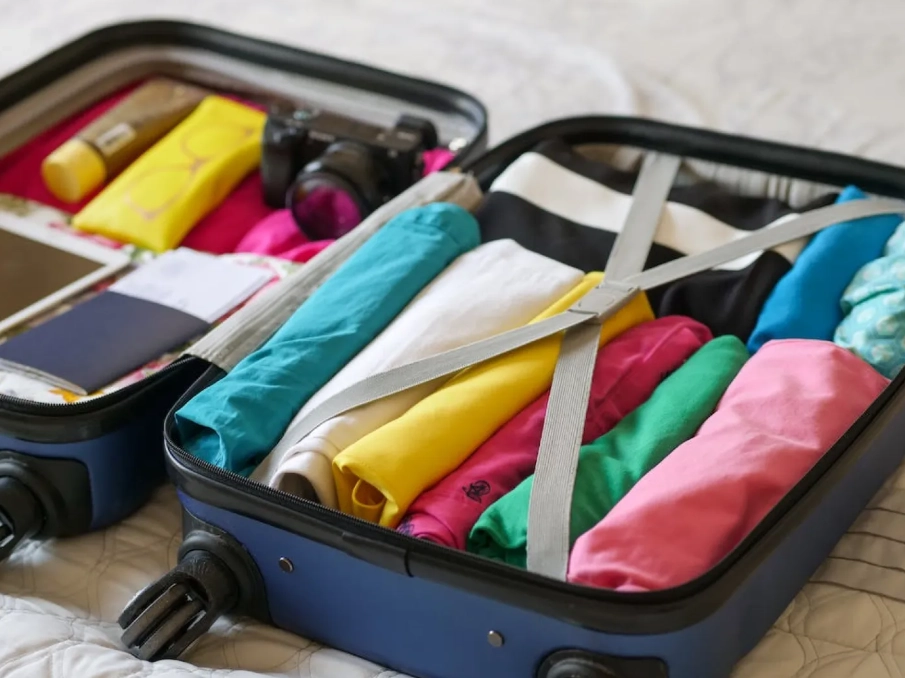
Your USA Packing Questions Answered
Let's tackle the specific questions that keep popping up.
 Packing for the USA is less about stuffing your suitcase and more about smart, strategic choices. Focus on the essentials that get you in the country and keep you comfortable, layer your clothing, and don't overthink it. Almost anything you forget, you can buy here. Now, with this list in hand, you're ready to go.





Comments
Leave a Comment