That excitement of booking a trip to the United States—maybe for the neon buzz of New York, the sunny coasts of California, or the vast national parks—is real. But it can quickly turn into anxiety if you're staring at a blank page wondering what you actually need to do before you go. I've planned dozens of trips across the US and seen friends make simple, costly mistakes. This isn't another generic list. It's a step-by-step, practical guide from someone who's navigated the system, helping you cross every 't' and dot every 'i' so you can focus on the fun part.
Let's get straight to it. The core of your preparation revolves around three pillars: permission to enter (visas/ESTA), protection for yourself (insurance, health), and practical readiness (money, connectivity, packing). Miss one, and your dream trip could hit a major snag.
Your Pre-Flight Checklist at a Glance
Entry Documents: Visas & The ESTA
This is the gatekeeper. Get it wrong, and the airline won't even let you board the plane.
First, figure out which category you fall into. The US has a Visa Waiver Program (VWP) for citizens of 41 countries, including the United Kingdom, Australia, Japan, South Korea, Chile, and most of the European Union. If you're a citizen of one of these countries traveling for tourism or business for 90 days or less, you don't need a visa. You need an ESTA (Electronic System for Travel Authorization).
Key Distinction: An ESTA is not a visa. It's a pre-screening travel authorization. A US visa is a physical stamp or sticker in your passport obtained after an interview at a US embassy or consulate. If you need a visa, an ESTA is irrelevant.
If you're not from a VWP country, or if you're going to work, study, or stay longer than 90 days, you'll need to apply for a visa. This process is longer and more involved. You must complete the DS-160 form online, pay the fee, schedule an interview, and wait. Start this process at least 3-4 months before your trip. The official source for all visa information is the U.S. Department of State - Bureau of Consular Affairs.
Who Definitely Needs a Visa?
- Anyone planning to work in the US (even unpaid internships or remote work for a non-US company can be a gray area—check carefully).
- Students enrolling in courses.
- Those visiting family for extended periods or intending to marry a US citizen.
- Journalists, crew members, athletes competing for prize money.
The ESTA Deep Dive: Avoiding the 5% Rejection
Most guides tell you to "just apply for ESTA." Let me tell you where people mess up. The application seems simple, but small errors trigger denials. The official website is esta.cbp.dhs.gov. Only use this .gov site. Do not use third-party sites that charge exorbitant "service fees." The official fee is $21.
Timing: Apply as soon as you have your flight details. While most get approved in minutes, some applications go into "pending" and can take up to 72 hours. Don't leave it for the night before.
Common Pitfalls:
- Passport Details: Enter every character exactly as it appears on your passport's data page. A single typo in the passport number or expiration date means a mismatch and a likely denial.
- "Have you ever been arrested or convicted...?" This includes all incidents, even minor ones like a DUI (Driving Under the Influence) or a caution that was expunged. Answering "no" when the truth is "yes" is misrepresentation and will cause problems, not just with ESTA but potentially at the border. If you have any history, you likely need to apply for a visa instead.
- Dual Citizenship: If you hold citizenship from both a VWP country and a non-VWP country, you must use the passport from the VWP country to travel and apply for ESTA.
An approved ESTA is valid for two years or until your passport expires, whichever comes first. It allows for multiple entries.
Travel Insurance: Why It's Non-Negotiable
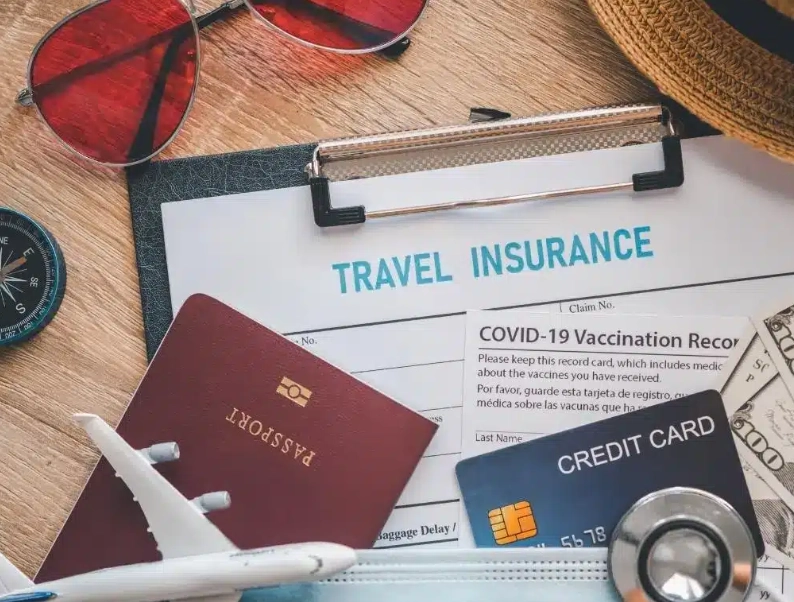
Here's my strongest opinion: do not travel to the US without comprehensive travel insurance. I've heard the arguments—"I'm healthy," "It's so expensive," "My credit card covers it." Let me be blunt: a medical emergency in the US can bankrupt you.
A friend slipped on a hike in Colorado, sprained an ankle, and needed an ambulance ride and X-rays. The bill was over $5,000. Without insurance, that's coming out of your pocket. A more serious issue like appendicitis or a car accident can easily run into hundreds of thousands.
When choosing a policy, look for:
- High Medical Coverage: At least $100,000, but $250,000+ is better for real peace of mind.
- Medical Evacuation/Repatriation: If you need to be flown home in a stabilized medical condition, this covers it. This alone can cost $50,000+.
- Trip Cancellation/Interruption: Covers non-refundable costs if you get sick before the trip or have to cut it short.
- Check your credit card benefits carefully. Many have exclusions for "high-risk" activities (even skiing or hiking) or have very low medical limits.
Buy it the day you book your trip to maximize the cancellation coverage window.
Money & Staying Connected
Money: The US is a credit/debit card society, especially post-pandemic. You can go days without seeing cash. However, have some US dollars for tips (valets, hotel housekeeping, tour guides), small vendors, and places with card minimums. I usually get $100-$200 from an ATM upon arrival. Notify your bank of your travel plans to avoid your card being frozen for "suspicious activity." Ask about foreign transaction fees.
Phones & Internet: Roaming charges can be savage. The best options:
- Local SIM/eSIM: Buy a prepaid SIM from providers like AT&T, T-Mobile, or Verizon at the airport or a store. This is often the cheapest for data. Many newer phones support eSIMs, which you can buy online before you even land (companies like Airalo or Nomad).
- International Plan: Check with your home provider for temporary travel passes. It's convenient but usually more expensive than a local SIM.
- Free Wi-Fi is widespread but often insecure. Use a VPN if you're accessing sensitive information on public networks.

Packing Smart for the US
Beyond clothes, a few items are lifesavers.
- Power Adapters: The US uses Type A and B plugs (two flat pins, sometimes with a round ground). Voltage is 120V. If you're coming from Europe/Asia, you'll need an adapter. Most phone/laptop chargers are dual voltage (check the fine print), but hairdryers or straighteners usually are not.
- Comfortable Shoes: You will walk more than you think. Cities are big, museums are vast, airports are enormous.
- Layers: Climate varies wildly. A summer day in San Francisco can be chilly, while Arizona is scorching. Air conditioning indoors is often aggressively cold.
- Copies of Documents: Have digital and physical copies of your passport, visa/ESTA approval, insurance policy, and driver's license. Keep them separate from the originals.
- Prescription Medications: Keep them in their original labeled containers. Carry a copy of the prescription. Some common medications elsewhere (like certain strong painkillers or ADHD drugs) are controlled substances in the US. Check the DEA website if unsure.
The 72-Hour Final Countdown
In the last few days, run through this list:
- Online Check-in & Arrival Info: Complete your airline's online check-in 24 hours before. Have your hotel/Airbnb address and contact info handy—you'll need it for the Customs form.
- Complete the CBP MPC App or Paper Form: Download the U.S. Customs and Border Protection (CBP) Mobile Passport Control app if you're eligible. It can save you time in the immigration line. Otherwise, you'll fill out a paper customs declaration on the plane.
- Verify ESTA/Visa Status: Double-check your ESTA is still approved (status can be revoked) or that your visa is in your passport.
- Arrange Airport Transport: Research how you're getting from the airport to your accommodation. Rideshares (Uber/Lyft) are ubiquitous, but know your options.
- Check the Weather (Again): Pack any last-minute items.
Your Burning Questions Answered
Do I need a visa or an ESTA to travel to the US?
It depends on your nationality. Citizens of the 41 countries under the Visa Waiver Program (like the UK, Australia, Japan, South Korea, and most EU nations) need an approved ESTA (Electronic System for Travel Authorization) for tourism or business trips under 90 days. An ESTA is not a visa; it's a travel authorization. Everyone else, including travelers for work, study, or stays longer than 90 days, typically needs to apply for the appropriate US visa at a consulate well in advance.
How long before my trip should I apply for an ESTA?
Apply as soon as you book your flights, but at least 72 hours before departure. While most applications are approved within minutes, some can take up to 72 hours for processing. Don't wait until the last minute. An approved ESTA is valid for two years or until your passport expires, whichever comes first, and allows multiple entries.
Is travel insurance really necessary for the USA?
Absolutely, and I consider it non-negotiable. US healthcare costs are astronomically high. A simple visit to an emergency room can cost thousands of dollars. A good travel insurance policy covers medical emergencies, evacuation, trip cancellation, and lost luggage. Look for a policy with high medical coverage (at least $100,000) and, crucially, coverage for 'medical repatriation' in case you need to be flown home.
What's the biggest mistake people make when preparing for a US trip?
Underestimating the scrutiny at the border. Many think an approved ESTA or visa guarantees entry. It doesn't. A Customs and Border Protection (CBP) officer makes the final decision. The most common mistake is not being able to clearly articulate the purpose of your visit or prove you intend to return home. Have your return ticket, accommodation details, and proof of employment or ties to your home country ready to show if asked. Being vague or nervous can raise red flags.
Can I use my driver's license from home to rent a car?
For most tourists, yes, your valid foreign driver's license is acceptable for rental. However, many rental companies and some states strongly recommend or require an International Driving Permit (IDP) as a translation of your license. It's a cheap document from your home country's automobile association. Having one can smooth over any potential issues with police or rental agents, especially if your license isn't in English. Check your rental company's policy specifically.
That should cover it. It might seem like a lot, but tackling these tasks methodically turns a stressful to-do list into a simple routine. Once your documents are sorted, your insurance is active, and your bags are packed, all that's left is the anticipation of your American adventure. Safe travels.




Comments
Leave a Comment