Let's be real. If you're asking "Is San Francisco still good for tourists?", you've probably seen the headlines. The stories about shop closures, homelessness, and car break-ins are impossible to ignore. So, should you still go? The short answer is yes, absolutely—but the way you experience the city needs to be smarter than it was a decade ago. The postcard-perfect magic is still here, nestled between the hills and the bay, but it requires a bit more savvy to unlock. This isn't a sugar-coated postcard; it's a practical guide from someone who's navigated both its breathtaking vistas and its very real urban challenges.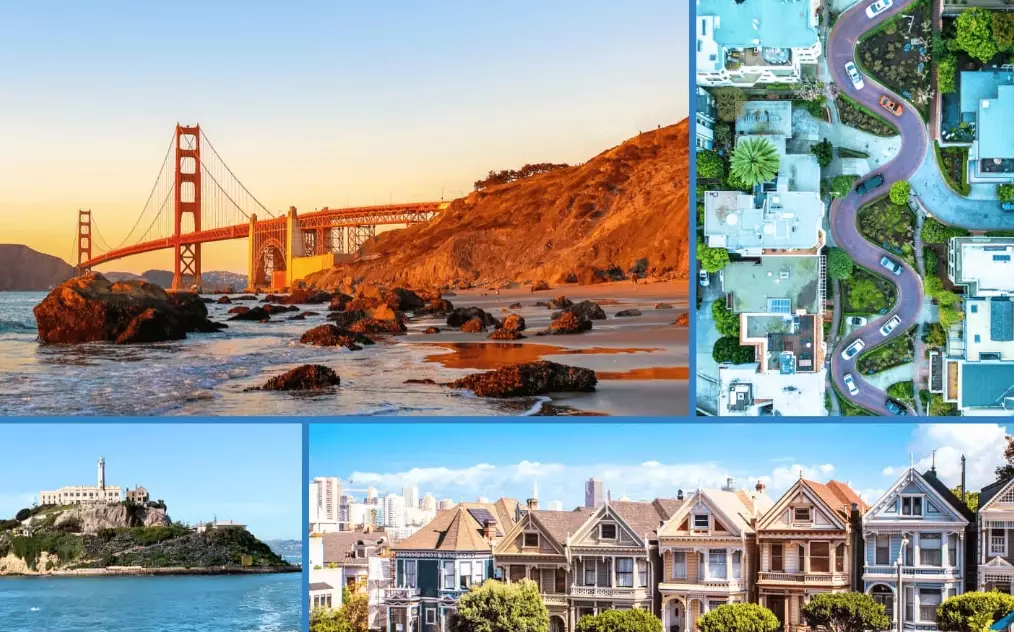
What's Inside This Guide?
The Current Reality: Safety and Perception
The elephant in the room. San Francisco has issues, and pretending they don't exist does you a disservice. The core tourist areas like Fisherman's Wharf, Union Square, and the major museums are generally safe during the day, with a visible police and security presence. You'll see more homelessness and open drug use in certain downtown areas, particularly around the Tenderloin and parts of SoMa (South of Market), than you might expect. It can be confronting.
But here's the crucial perspective most generic guides miss: San Francisco is a city of distinct neighborhoods, and your experience changes completely block by block. Walking from the chaos of Market Street into the serene, garden-filled Jackson Square feels like entering another world. The problems are concentrated, not ubiquitous.
Navigating Safety Concerns: A Neighborhood Breakdown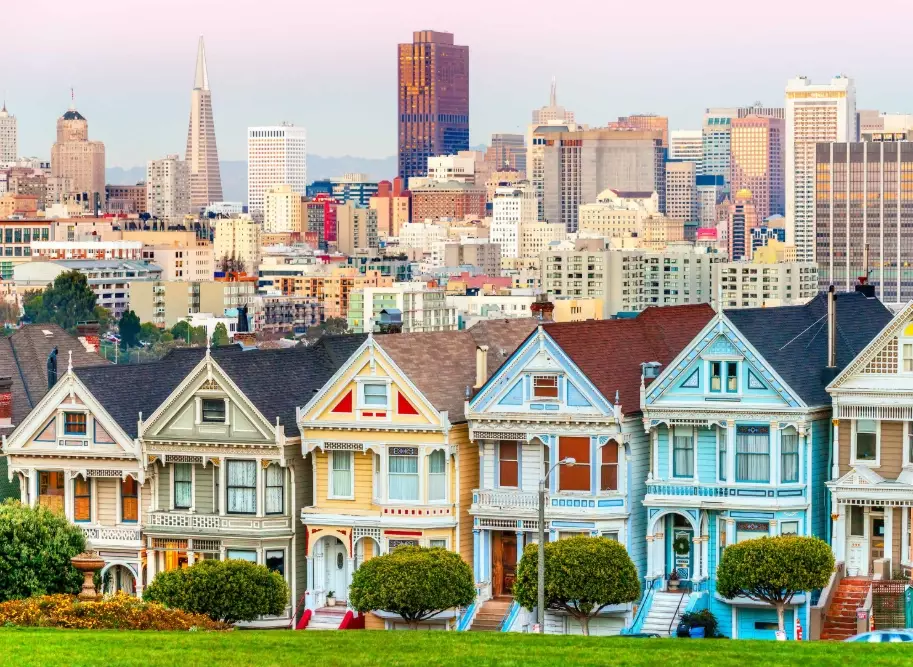
Think of the city in zones. Union Square & Downtown: Busy, commercial, great for shopping. Fine during the day, stick to well-lit main streets at night. Fisherman's Wharf & Pier 39: Heavily touristed, very safe, but can feel crowded and generic. North Beach, Chinatown, Russian Hill: Charming, walkable, and generally feel very safe with a neighborhood vibe. The Mission, Castro, Hayes Valley: Vibrant, full of life, great restaurants and bars. Standard city precautions apply. The Tenderloin/Civic Center: This is the area most associated with the city's challenges. There's little tourist reason to go here unless you're attending a show at City Hall. I'd advise first-time visitors to simply avoid it.
Must-Visit Attractions & Hidden Gems
The icons haven't gone anywhere. They're still stunning. But the key is how you visit them.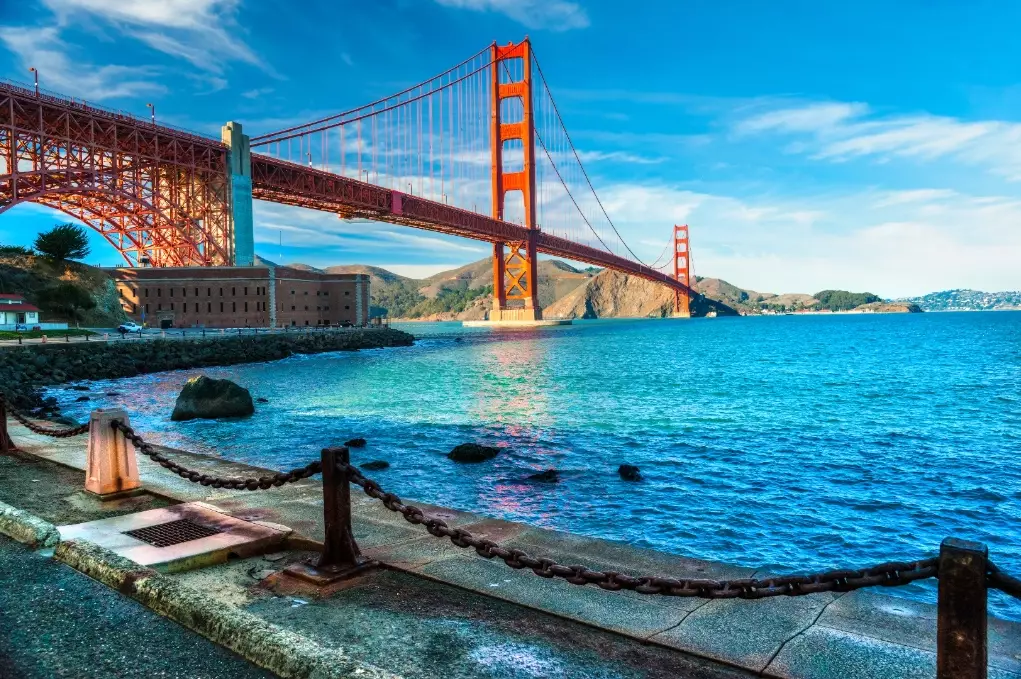
The Undisputed Classics (Done Right)
The Golden Gate Bridge: Driving across is one thing. The real experience is walking or biking it. Rent a bike from Fisherman's Wharf and cycle across to Sausalito, then take the ferry back. For the best photo op without the crowds, head to Battery Spencer on the Marin Headlands side (requires a car or tour). It's windy, but the view is unbeatable.
Alcatraz Island: This is the one attraction you must book weeks, if not months, in advance. The official ferry and tour are run by the National Park Service. The "Night Tour" is particularly atmospheric. Don't get scammed by third-party sites selling overpriced "bay cruises with views of Alcatraz"—they don't let you set foot on the island.
Fisherman's Wharf & Pier 39: Yes, it's touristy. Yes, the sea lions are still hilarious. Go once, grab a sourdough bread bowl of clam chowder (I prefer Boudin Bakery), see the sea lions, and then get out. Don't spend a whole day here.
The Local-Favorite Spots (Where the Magic Really Is)
This is where San Francisco shines. Skip the crowded tram at Lombard Street and wander the surrounding Russian Hill neighborhood instead. The quiet, steep streets with their beautiful homes are more impressive.
Land's End & Sutro Baths: My personal favorite. A rugged coastal trail at the city's northwest corner with jaw-dropping views of the Golden Gate Bridge. The ruins of the old Sutro Baths are eerie and fascinating. It feels a million miles from the urban core. Free, open sunrise to sunset.
The Presidio: A former military post turned into a massive, gorgeous national park. Hike the Batteries to Bluffs Trail, visit the Walt Disney Family Museum, or just picnic with a view. The transformation is a testament to the city's innovative spirit.
Mission District Murals: The Clarion Alley and Balmy Alley murals are a free, open-air museum of powerful social and political art. Pair this with a burrito from one of the legendary taquerias (more on that below).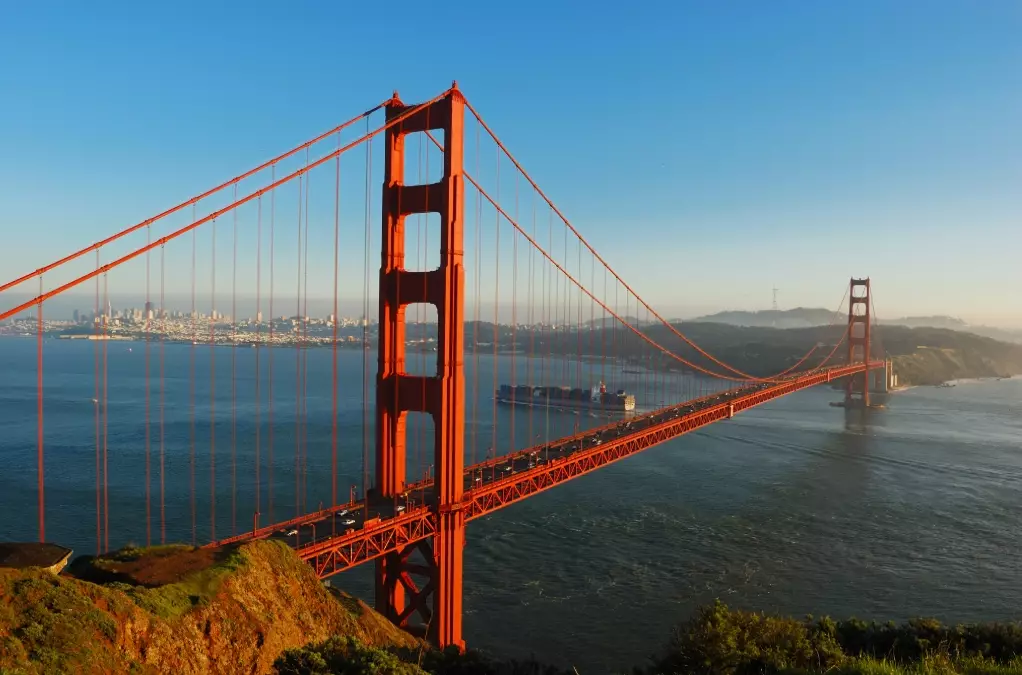
Where to Eat: Beyond the Tourist Traps
San Francisco's food scene remains world-class, but the action has moved away from the wharf.
| Spot & Neighborhood | What to Get & Why It's Special | Practical Notes |
|---|---|---|
| Sotto Mare (North Beach) | The legendary "Best Damn Cioppino in Town." A massive, messy, incredible seafood stew in an old-school Italian setting. | No reservations for small groups. Expect a wait. It's worth it. Entrees $30-$50. |
| Taquería El Farolito (Mission) | The quintessential San Francisco Mission-style super burrito. Huge, delicious, and the real deal. | Cash only. No-frills, counter-service. Open late. A burrito is about $12. |
| Ferry Building Marketplace (Embarcadero) | Not a single restaurant, but a food hall with the best local artisans: Hog Island Oysters, Cowgirl Creamery cheese, Blue Bottle Coffee. | Perfect for lunch or grabbing gourmet picnic supplies. Go on a Saturday for the huge farmers market. |
| Zuni Café (Civic Center) | An institution. Famous for its roast chicken for two (takes an hour) and its iconic design. A slice of SF history. | Book well ahead. Pricey but a classic experience. Mains $40-$60. |
A quick note on Chinatown: It's fantastic for exploring, but for the most authentic, modern Chinese food, locals now head to the Richmond or Sunset districts.
Where to Stay: Neighborhoods for Every Traveler
Your hotel location defines your trip. Union Square is the traditional hub, but consider these alternatives for a better vibe.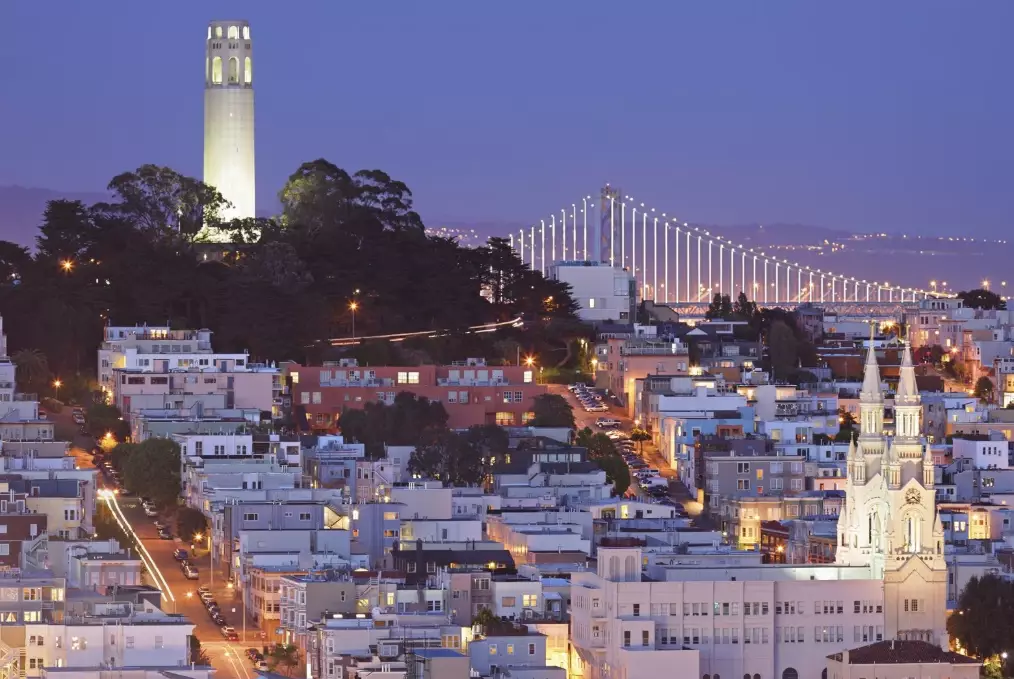
For First-Timers & Convenience: Union Square/Nob Hill
You're in the center of it all. Easy access to cable cars, shopping, and transit. Can feel noisy and impersonal. Hotels: The classic Fairmont San Francisco (for splurging) or the reliable Hotel Zelos (modern, good value).
For Charm & Walkability: North Beach/Russian Hill
My top recommendation for a more authentic feel. You're surrounded by cafes, Italian restaurants, and quiet, beautiful streets. You'll need to take buses or rideshares to some attractions. Hotels: Hotel Bohème (beatnik vibe, right in North Beach) or vacation rentals in Russian Hill.
For Foodies & Nightlife: Hayes Valley or The Mission
You'll live like a local. Hayes Valley is chic, with boutique shopping and fantastic restaurants in a compact area. The Mission is gritty, vibrant, and the heart of the city's Latino culture and culinary scene. Hotels: Hotel Zeppelin (near Hayes Valley, quirky cool) or boutique options like The Grove Inn in the Mission.
How to Plan Your San Francisco Itinerary
Here’s a sample 3-day blueprint that balances icons with local flavor.
Day 1: The Icons & The Waterfront. Start early at the Ferry Building for coffee. Walk along the Embarcadero to Fisherman's Wharf (it's a long walk, consider a bike or historic streetcar). See Pier 39, then take the afternoon ferry to Alcatraz (you booked this weeks ago, right?). Evening: Dinner in North Beach.
Day 2: Bridges, Views & Neighborhoods. Morning at the Golden Gate Bridge (walk or bike). Afternoon exploring the Presidio or Land's End. Late afternoon/evening in the Mission District: see the murals, get a burrito, soak in the atmosphere.
Day 3: Choose Your Adventure. Option A (Culture): De Young Museum and the California Academy of Sciences in Golden Gate Park. Option B (Quirky SF): Ride a cable car (get on at a less popular stop like Powell & California), explore Chinatown's shops, then wander through Russian Hill.
Common Tourist Mistakes to Avoid
I've seen these too many times.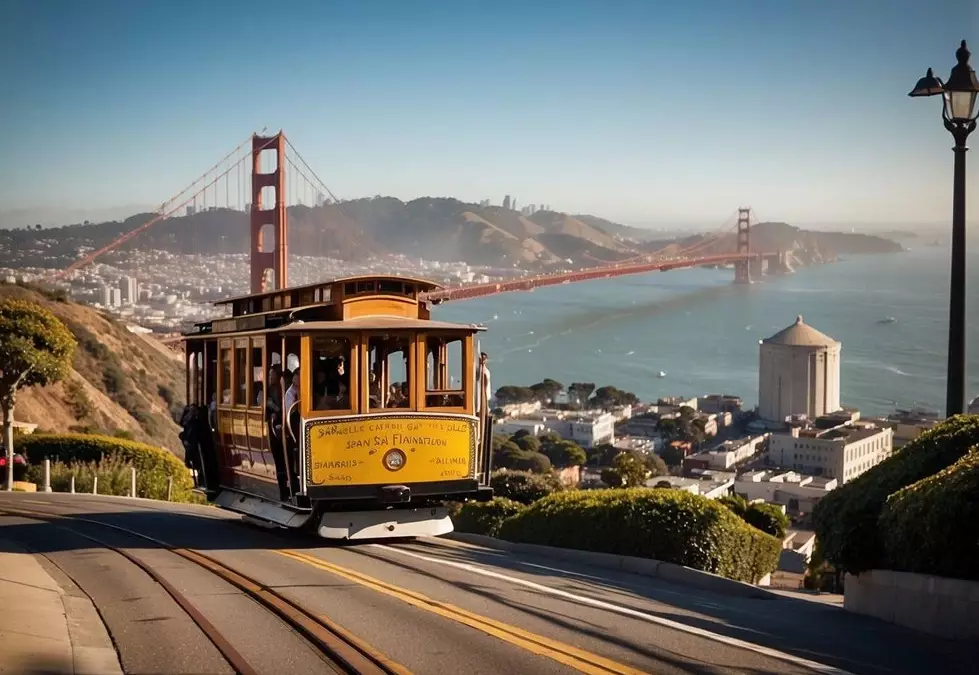
Packing for California Sunshine. San Francisco is not Los Angeles. Mark Twain never actually said "The coldest winter I ever spent was a summer in San Francisco," but he should have. Bring layers—a warm jacket, scarf, and hat are essential even in July. The fog is real.
Over-relying on Rental Cars. Driving in SF is stressful (hills, traffic, parking). Parking is astronomically expensive and break-ins are a genuine risk. Use your car for day trips (Napa, Muir Woods) and rely on Muni buses, streetcars, BART, and ride-shares in the city.
Only Staying in Tourist Corridors. If you just see Fisherman's Wharf, Union Square, and ride a cable car, you'll leave thinking SF is a crowded, expensive theme park. Venture into a neighborhood like the Mission, Hayes Valley, or even Cole Valley for a coffee. That's where the city's heart beats.
Trying to Do Too Much. The hills are exhausting. Don't schedule back-to-back activities across town. Build in time for aimless wandering—that's when you find the best cafes, views, and bookstores.
Your San Francisco Travel Questions Answered
Is San Francisco safe for tourists walking around during the day?
In the vast majority of neighborhoods frequented by tourists, yes. Practice standard city awareness: keep your phone secured, be mindful of your surroundings, and avoid visibly distressed individuals. The main risk to most tourists remains property crime, not personal violence. Sticking to bustling areas like the Embarcadero, major shopping streets, and popular neighborhoods is perfectly fine.
What's the best way to get around without a car?
A combination is key. The Muni system (buses, streetcars, and the iconic cable cars) covers the city well—get a Clipper Card (available at any major transit station or as a digital card in your phone's wallet) to pay for all of it. For specific routes or late-night trips, rideshares (Uber/Lyft) are efficient. BART is best for getting to/from the airport or crossing the Bay to Oakland/Berkeley. Walking is fantastic within neighborhoods, but remember those hills can be a workout.
Is it worth visiting with all the reported store closures downtown?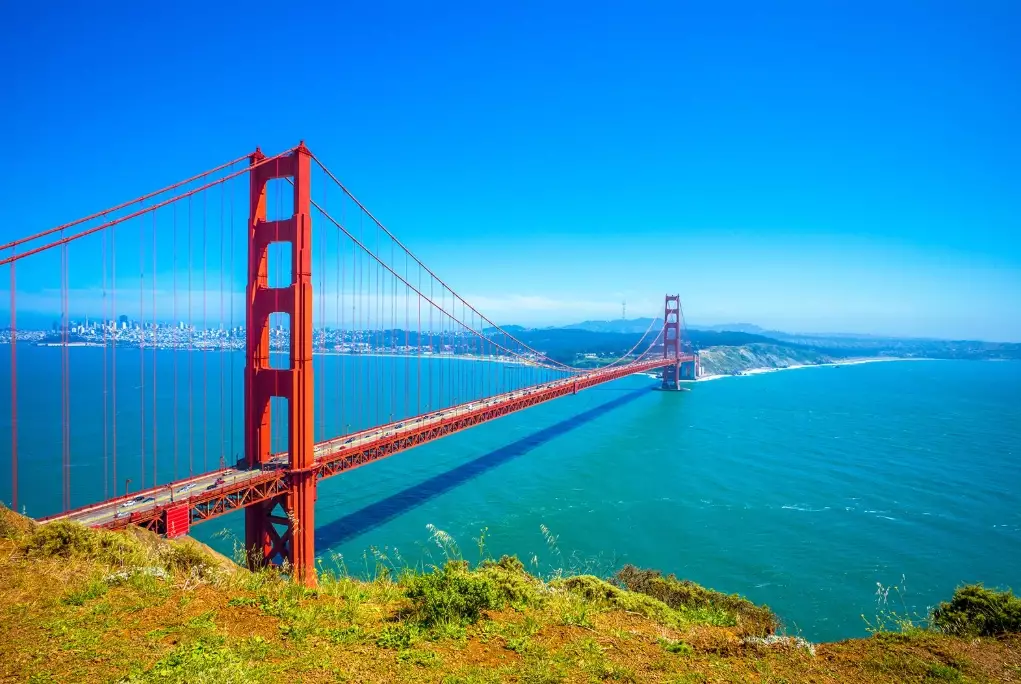
The retail downturn in parts of downtown and Union Square is real, and you'll see some empty storefronts. However, this doesn't erase the city's core appeal: its natural beauty, world-class museums (the SFMOMA, the de Young, the Legion of Honor are all stellar), historic sites, and incredible food scene. The tourism experience has shifted more towards neighborhoods, parks, and cultural attractions rather than pure shopping. You're coming for the bridge, the island, the parks, and the burritos—not the Westfield Mall.
What's one thing I should absolutely book in advance?
Alcatraz. I can't stress this enough. Official tickets through the National Park Service's concessioner, Alcatraz City Cruises, sell out days or weeks ahead, especially for weekends and the night tour. Everything else—museum tickets, even popular restaurants—you can usually book a few days out. But Alcatraz is the logistical priority.
How should I adjust my expectations compared to pre-pandemic San Francisco?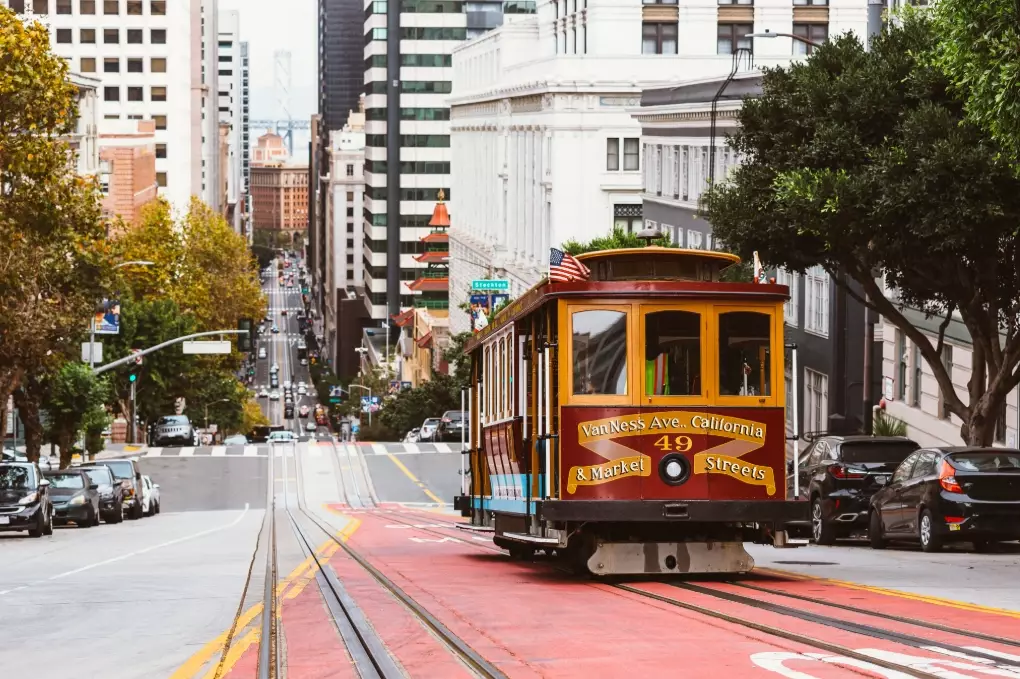
Expect a city in transition, not decline. Some areas feel quieter or grittier. The downtown 9-to-5 bustle hasn't fully returned. But the creative energy has flooded into the neighborhoods. The restaurant scene is as innovative as ever. The parks are more loved than ever. Come for a resilient, beautiful, complex city that rewards the curious traveler and punishes the passive one. Do your research, plan smartly, and you'll have an unforgettable trip.

Comments
Leave a Comment