Ask ten people what San Francisco is famous for, and you'll get ten different answers. The orange towers of the Golden Gate Bridge, the clanging cable cars, the fog rolling over Twin Peaks—these are the postcard images. But the real San Francisco, the one that captures hearts and minds, is a layered story of innovation, resilience, incredible food, and neighborhoods with distinct personalities. Having lived here for over a decade, I've seen visitors make the same mistake: they tick off the major sights but miss the essence. This guide is about connecting those famous dots with the lived experience, giving you not just a list, but a blueprint for a memorable trip.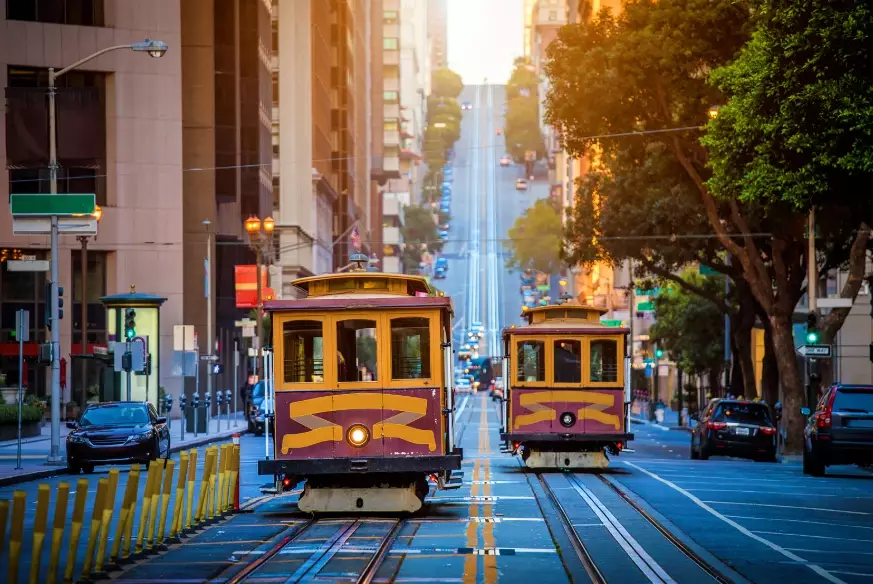
Your San Francisco Journey at a Glance
San Francisco's Iconic Landmarks and Sights
Let's start with the heavy hitters, the places that define the city's skyline and history. Knowing how to approach them makes all the difference.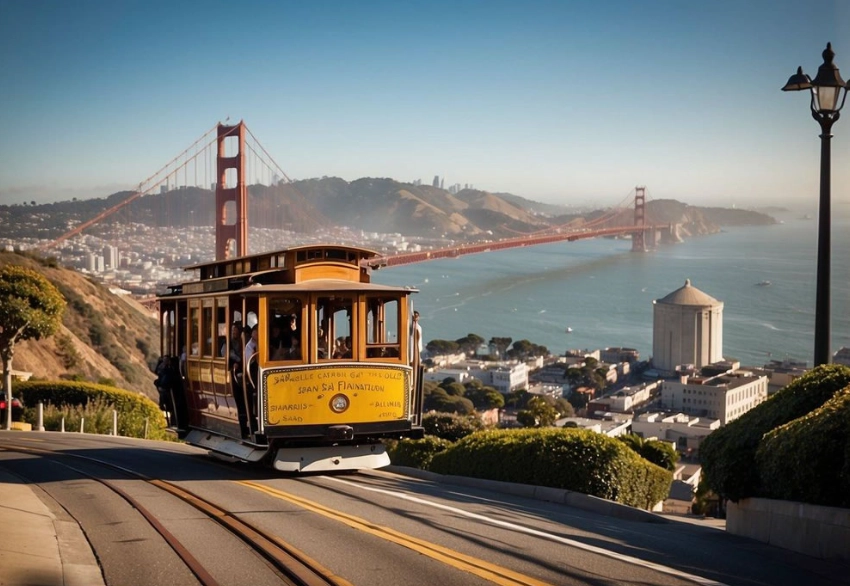
The Golden Gate Bridge: More Than a Photo Op
Yes, it's famous for a reason. But driving across it in five minutes is a disservice. The magic is in the perspectives. Battery Spencer on the Marin Headlands side gives that classic, elevated postcard view. For a closer, wind-in-your-hair experience, walk or bike the eastern sidewalk (pedestrian access depends on time and day, check the Golden Gate Bridge Highway and Transportation District website). A pro tip? Go in the late afternoon. The fog often burns off, and the setting sun hits the bridge's towers. Parking is a nightmare on weekends; consider taking the Golden Gate Transit bus or a guided bike tour from Fisherman's Wharf that includes the return ferry from Sausalito.
Alcatraz Island: Book This One Early
This isn't just a old prison; it's a chilling piece of American history. The audio tour, narrated by former guards and inmates, is superb. The key mistake? Thinking you can book a week in advance. Tickets through the official provider, Alcatraz City Cruises, sell out weeks, sometimes months ahead, especially for the popular night tour. Plan this first. The basic daytime tour includes the ferry and audio tour. Price is around $45-$50 for adults. The ferry leaves from Pier 33. Give yourself at least 3-4 hours for the full experience.
Fisherman's Wharf & Pier 39: The Tourist Hub
It's crowded, it's kitschy, and yes, you should go—but with a strategy. Come for the sea lions barking on K-Dock, the smell of sourdough from Boudin Bakery, and the views of the bay. Then, walk a few blocks inland. The real charm is in the edges. For cioppino (the famous seafood stew), skip the wharf-front traps and head to Scoma's on Pier 47, a family-owned institution since 1965. It's not cheap (entrees $40-$60), but it's the real deal.
| Landmark | Key Info & Address | Pro Tip / Best For |
|---|---|---|
| Golden Gate Bridge | Access points: Welcome Center (SF side), Battery Spencer (Marin side). No ticket to see it. | Bike across, take ferry back from Sausalito. Avoid midday fog. |
| Alcatraz Island | Ferries from Pier 33. Day Tour: ~$45-50 adult. Operated by Alcatraz City Cruises. | BOOK MONTHS IN ADVANCE. The night tour is uniquely atmospheric. |
| Lombard Street | Between Hyde & Leavenworth on Russian Hill. Free to walk. | Walk down from the top. Driving it involves a long, tedious queue. |
| Palace of Fine Arts | 3601 Lyon St. Grounds always open. Free. | Stunning at sunset. A peaceful escape from city bustle. |
The Culinary Heart of San Francisco
San Francisco's food scene is a major part of its fame. It's not just sourdough and Dungeness crab, though those are stars.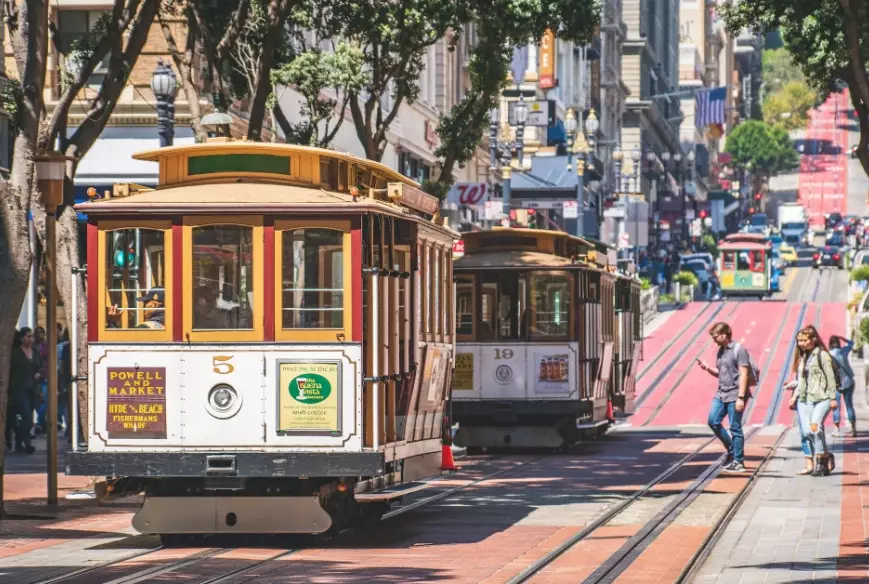
Sourdough Bread: The unique tang comes from a local lactobacillus culture. Boudin at Fisherman's Wharf is the famous name, but Tartine Bakery in the Mission District is where bread achieves cult status. Be prepared for a line.
Mission Burritos: This is a specific, San Francisco invention—huge, foil-wrapped, with rice, beans, meat, salsa, and maybe cheese and sour cream. The debate over the best is endless. La Taqueria (2889 Mission St, no rice in their burritos, purists love it) and El Farolito (2779 Mission St, open until 3am) are iconic. Expect to pay $10-$14 for a massive burrito that's a full meal.
Chinese Food in Chinatown & Beyond: Chinatown is the oldest in North America. For dim sum, Good Mong Kok Bakery is a grab-and-go treasure. But the highest concentration of incredible, authentic Chinese food is now in the Sunset District along Irving Street. House of Pancakes for hand-pulled noodles, Kingdom of Dumpling for soup dumplings.
My Personal Take: Skip the overpriced crab stands at Fisherman's Wharf. If it's season (typically November-June), buy a whole cooked Dungeness crab from a local fish market like Swan Oyster Depot (get there early) or Alioto's on the wharf, get some sourdough, and have a picnic at Aquatic Park. You'll save money and have a more authentic experience.
Beyond Downtown: Neighborhood Vibes & Culture
The city's fame comes from its patchwork of villages. Here’s where to feel the pulse.
The Mission District: Murals, burritos, and a gritty, creative energy. Clarion Alley is a constantly evolving open-air gallery. Dolores Park on a sunny weekend is the city's living room.
Haight-Ashbury: The epicenter of 1967's Summer of Love. Now it's a mix of vintage clothing stores, record shops, and hippie nostalgia. Amoeba Music is a must for music lovers.
North Beach: The city's Little Italy. Coffee at Caffe Trieste (where Francis Ford Coppola wrote parts of The Godfather), browse City Lights Bookstore, a landmark of the Beat Generation.
Castro District: The historic heart of the LGBTQ+ rights movement. The Castro Theatre is an architectural gem. The energy here is one of proud, vibrant community.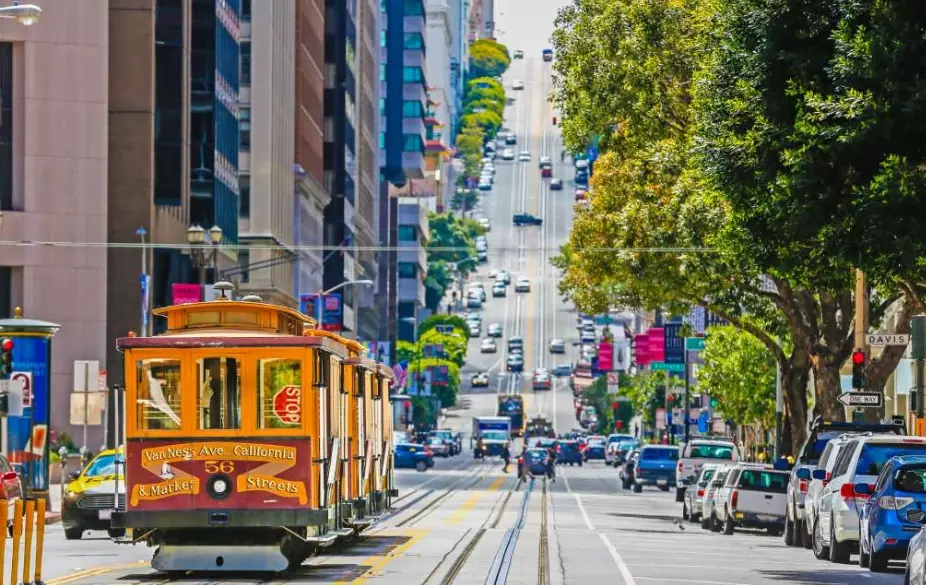
How to Experience San Francisco Like a Local?
Ditch the tour bus. Here’s how to blend in.
- Layer Up. The famous Karl the Fog is real. A sunny morning can turn into a chilly, windy afternoon. Always have a jacket.
- Walk the Hills. Get off the main streets. Explore the stairways like the Filbert Steps on Telegraph Hill or the 16th Avenue Tiled Steps in the Sunset.
- Use Public Transit. The Muni system (buses, streetcars, the historic F-line) and BART for longer distances are how people get around. Clipper Card is your friend.
- Eat Late, Explore Early. Many restaurants get busy after 7:30 PM. Popular sights are less crowded right at opening.
Practical Tips for Your San Francisco Visit
A few hard truths to make your trip smoother.
Safety & Security: Like any major city, be aware of your surroundings. Don't leave valuables in your car, ever. Break-ins in tourist areas are a serious problem. Use common sense in the Tenderloin and parts of SoMa at night.
Budgeting: San Francisco is expensive. Hotel rooms are pricey, especially near Union Square. Consider neighborhoods like Japantown or near Van Ness for better value. Food costs add up quickly.
Getting Around: Parking is difficult and expensive. Rent a car only for day trips (like to Muir Woods or Napa). For in-city, rely on transit, rideshares, and your feet. The cable car is a fun tourist experience ($8 per ride), not efficient daily transport.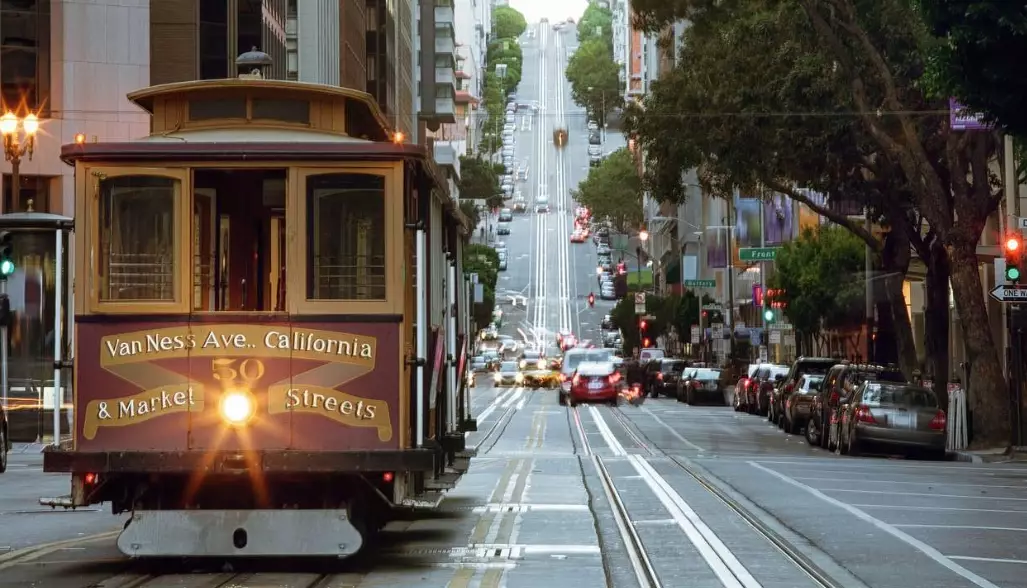
Your San Francisco Questions Answered
Is Fisherman's Wharf worth visiting or too touristy?
It's worth a brief visit, but don't center your day there. Go to see the sea lions, grab a clam chowder bread bowl from a reputable spot like Chowders, and walk through the Musée Mécanique for vintage arcade games. Then, escape to nearby Ghirardelli Square for chocolate or walk to Fort Mason for green space and bay views. Spending more than a couple hours here means you're missing the city's deeper character.
What's the biggest mistake first-time visitors make with San Francisco's weather?
Packing for a California beach vacation. Summer is the coldest, foggiest season, particularly in western neighborhoods like the Sunset and Richmond. The warmest, sunniest weather is often in September and October. Always, always bring layers—a t-shirt, a sweater, and a windproof jacket. You might wear all three in one day.
 I only have one day in San Francisco. What's the most efficient itinerary?
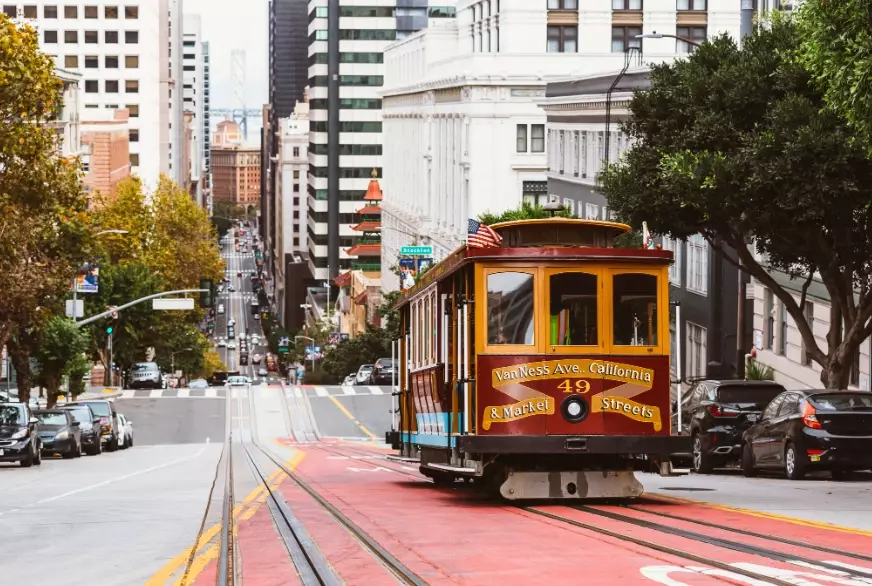
This is tough, but focus on a walkable corridor. Start early at the Ferry Building for coffee and pastries. Walk along the Embarcadero to Pier 39 (see sea lions). From there, take a cable car from the Powell-Hyde turntable up to Lombard Street, walk down the crooked block, then continue to North Beach for lunch. In the afternoon, take a bus or rideshare to the Golden Gate Bridge Welcome Center for photos. If you pre-booked months ago, an Alcatraz tour could replace the bridge. End with dinner in the Mission.
Where's the best place to stay in San Francisco for a first-time visitor?
Union Square is the classic answer—central, great transit, tons of hotels. But it's noisy and can feel impersonal. For more neighborhood charm, look at hotels in Nob Hill (cable car central, classic SF), Fisherman's Wharf (convenient for major sights, but removed from nightlife), or even the Civic Center area near Hayes Valley, which has great restaurants and is close to BART. Wherever you stay, prioritize access to a Muni or BART station.

Comments
Leave a Comment