Let's cut to the chase: asking for the single best month to visit California is like asking for the best tool in a fully stocked garage. It completely depends on the job. Are you fixing a delicate watch (a quiet wine country weekend) or building a deck (a epic national park hiking tour)? The "best" month is the one that aligns with your personal travel goals, tolerance for crowds, and budget.
California isn't a monolith. Its climate zones range from Mediterranean to desert to alpine. A perfect sunny day in Palm Springs can be a chilly, foggy one in San Francisco. I've made the mistake of packing only shorts for a "California summer" trip and spent a week shivering on the coast. You live, you learn.
Your California Trip Planning Jumpstart
California Month-by-Month: The Full Breakdown
This table gives you the 30,000-foot view. We'll dive into the nuances right after.
| Month | Weather & Crowds | Best For | Watch Out For |
|---|---|---|---|
| January | Cool, rainy up north; mild south. Post-holiday lull. | Skiing in Tahoe, desert hiking, museum visits, whale watching. | Short daylight hours, mountain travel disruptions. |
| February | Similar to Jan. Slightly warmer. Almond blossoms in Central Valley. | Deserts, romantic getaways, avoiding crowds. | Rain in the north can still be heavy. |
| March | Spring begins. Unpredictable rain/sun. Wildflowers start. | Wildflower blooms (Anza-Borrego), fewer tourists than spring break. | Spring break crowds begin late March. Variable weather. |
| April | Generally pleasant. Shoulder season sweetness. | Coastal drives, city breaks, wine country before peak. | Can still be chilly, especially in the north. |
| May | One of the best months. Warm, not hot. Minimal fog. | Everything: beaches, hiking, cities, national parks. | Memorial Day weekend kicks off summer crowds. |
| June | Summer. Inland heats up. Coastal fog ("June Gloom") sets in. | Lake Tahoe, mountain escapes, inland exploration. | Coastal fog can obscure views. Crowds build. |
| July | Peak summer. Hot inland, cool coast. Maximum crowds. | Festivals, high mountain access (trails snow-free), long days. | Crowds everywhere. High prices. Fire risk increases. |
| August | Similar to July. Hottest month for many inland areas. | Beach towns (if you get sun), river activities. | Peak fire season. Coastal fog persists. |
| September | Often the golden month. Warm, less fog, thinner crowds. | Classic road trips, wine harvest, coastal visits. | Labor Day weekend is busy. Early Santa Ana winds possible. |
| October | Another top contender. Mellow warmth, autumn colors. | Wine country, city trips, desert season begins. | Days get shorter. First rains may appear in north. |
| November | Shoulder season returns. Cooler, chance of rain. | Wine tasting deals, cultural events, desert trips. | Thanksgiving travel rush. Some mountain passes close. |
| December | Winter. Rain/snow north, mild south. Holiday cheer. | Skiing, holiday displays, desert escapes, whale watching. | Holiday crowds and prices. Potential for travel delays. |
Diving Deeper: Key Months in Detail
May is my personal favorite for a first-time, do-it-all trip. I remember driving Highway 1 near Big Sur in mid-May. The hills were still green, the ocean was a deep blue without the persistent fog blanket, and we found parking at viewpoints without a circus. Temperatures in Yosemite Valley are ideal for hiking, and the waterfalls are roaring with snowmelt. It's California showing off, but without the summer audience.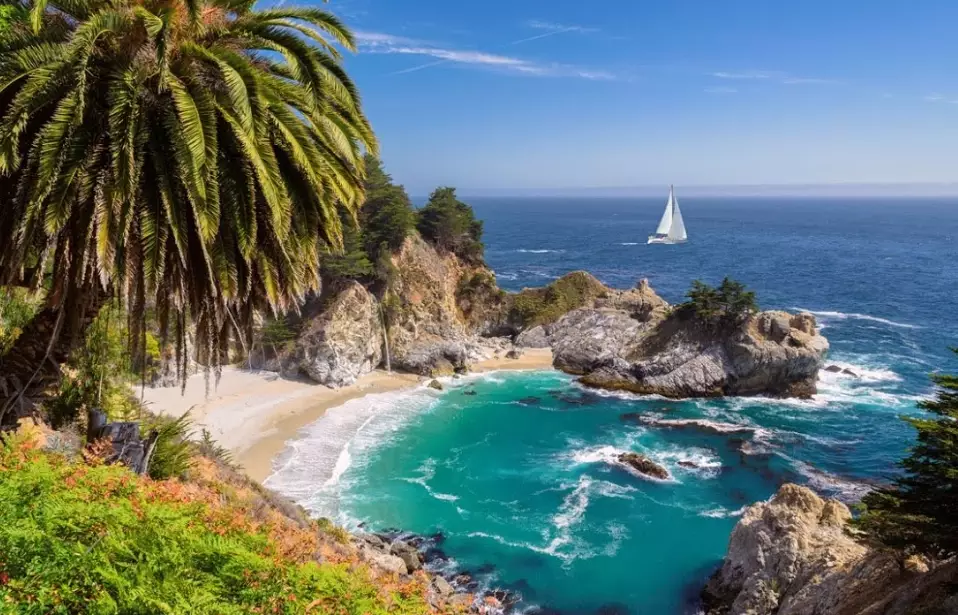
September and October are a close second. The secret here is timing after Labor Day. Families are back in school, and the weather frequently settles into a stable, sunny pattern. This is prime time for Napa and Sonoma—the harvest ("crush") is in full swing, and the energy is palpable. I once spent a September afternoon biking between wineries, the air warm and filled with the smell of grapes. It felt like the essence of California leisure.
How to Choose Your Ideal California Travel Month?
Stop thinking about months. Start thinking about your trip type.
For Families with School Schedules (Summer Travelers)
You're locked into June-August. Embrace it, but plan strategically. Focus on mountains and lakes. Lake Tahoe, Mammoth Lakes, and the trails in Kings Canyon/Sequoia are fantastic. Book accommodations and popular tours (like Alcatraz) months in advance. Expect higher prices. For a coastal day, hope for afternoon sun or head to Santa Monica or San Diego.
For Outdoor Enthusiasts & Hikers
Your window is defined by snowmelt and heat. High Sierra trails (Yosemite's high country, John Muir Trail sections) are usually snow-free and accessible from late July through September. Spring (April-June) is perfect for desert hiking (Death Valley, Joshua Tree) and lower-elevation coastal ranges. Fall (October-November) brings ideal conditions back to the deserts.
For Food and Wine Lovers
Two peaks: Restaurant Month in many cities (like San Francisco) is often January. It's a great value. Harvest Season in wine country (Napa, Sonoma, Paso Robles) runs from August through October. This is the most exciting time to visit—festivals, crush events, vibrant vineyards. Shoulder seasons (April-May, Oct-Nov) offer quieter tasting rooms and better lodging rates.
For Budget Travelers and Crowd-Haters
Your sweet spot is the shoulder season. We'll talk about that next.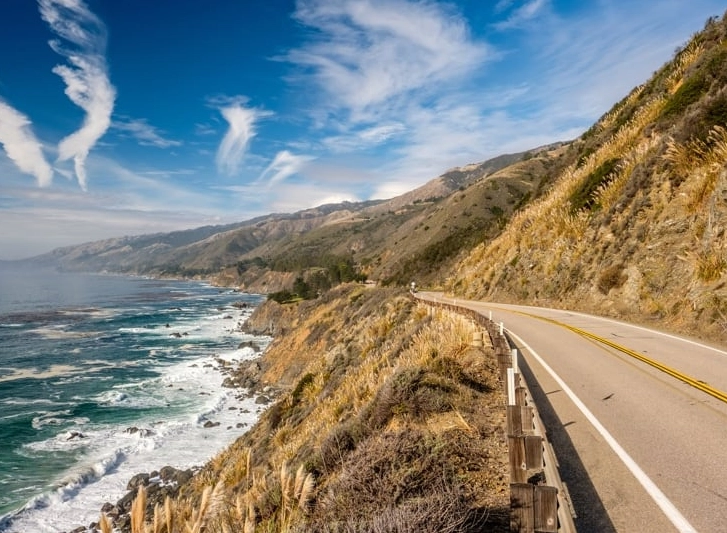
What Are California’s Shoulder Seasons and Why Do They Rock?
If I could give you one piece of advice, it's this: strongly consider the shoulder seasons. These are the periods between peak and off-peak.
- Spring Shoulder: April to early June (before Memorial Day).
- Fall Shoulder: September to October (after Labor Day).
Here’s why they often represent the "best" time for savvy travelers:
You get better weather than winter, with more reliable sun and longer days. You avoid the peak summer crowds and prices. I've seen hotel rates in popular areas drop 30-40% compared to July. Everything is still open. Unlike deep winter, where some rural attractions or roads may be closed, shoulder season has full accessibility. The pace is just more pleasant.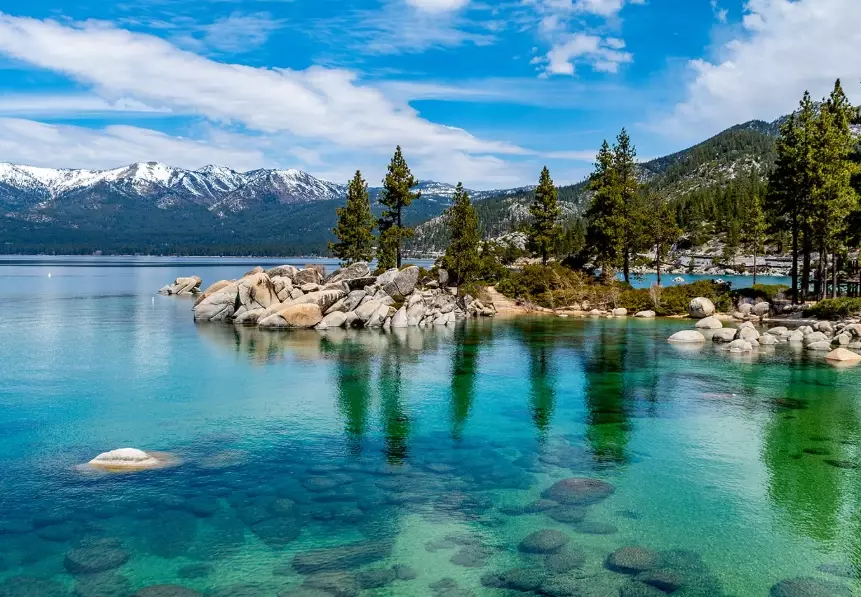
Pro Tips for Timing Your California Adventure
Beyond the month, think about these factors.
Microclimates are Real. Always check the weather forecast for your specific destinations. Use "San Francisco weather," "Yosemite Valley weather," and "Palm Springs weather" as separate searches, even if they're on the same trip.
Book Major Parks Early. For Yosemite, Sequoia, etc., lodging inside the park sells out incredibly fast for summer and weekends. For Yosemite, you now need a reservation to drive into the park on most days from roughly April through October. Check the National Park Service website for the latest rules.
Consider Fire Season. Sadly, late summer and fall (July-November) bring the risk of wildfires and smoky skies. This is unpredictable but worth monitoring. The Visit California and Cal Fire websites have resources.
Weekdays vs. Weekends. This matters more than ever. A Tuesday in July at a popular beach will be calmer than a Saturday in May. Whenever possible, schedule visits to major attractions for weekdays.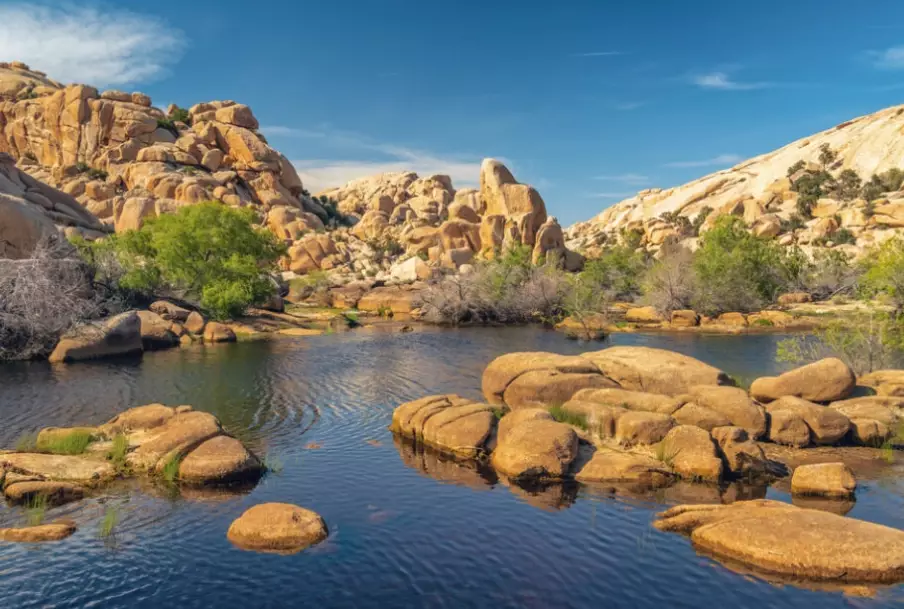
Your California Timing Questions, Answered
So, what's the best month to go to California? It's May if you want perfect all-around conditions. It's September if you want warm coastlines and wine country energy. It's February if you want to hike in the desert or ski in the mountains. It's whenever you can go, as long as you match your expectations to the seasonal reality. Do that, and you'll have a fantastic time.

Comments
Leave a Comment