Putting together a USA itinerary for 10 days feels impossible at first. The country is massive. Trying to see everything is a surefire way to spend your entire vacation in airports and on interstates. After more trips than I can count, I've learned the secret isn't packing in more stops—it's choosing the right ones and connecting them smartly. This itinerary skips the frantic, surface-level dash and focuses on a logical, immersive loop from East Coast icons to West Coast wonders.
We'll hit the urban energy of New York and Washington D.C., the surreal landscapes of the Southwest, and the laid-back vibes of California. You'll get concrete details: which hotel saves you time, which tour is actually worth the money, and where to find that meal you'll remember for years. Let's map it out.
Your 10-Day USA Journey at a Glance
- Days 1-3: New York City - The Concrete Jungle
- Day 4: Washington D.C. - Monuments and Museums
- Days 5-6: Las Vegas & The Grand Canyon
- Days 7-8: Los Angeles - Beaches and Hollywood
- Days 9-10: San Francisco - Hills and Bay Views
- Getting Around: Flights, Cars, and Internal Travel
- Where to Stay: Hotel Picks for Each Stop
- Your USA Trip Questions Answered
Days 1-3: New York City - The Concrete Jungle
Start in New York. The energy is real, and it's the perfect jetlag fighter. Three days lets you scratch the surface without running yourself ragged.
Day 1: Midtown & Icons. After landing at JFK or Newark, take a taxi or the AirTrain to your hotel. Dump your bags. Walk to Times Square—it's overwhelming, tacky, and you have to see it once. Then head south to Bryant Park and the New York Public Library. Your goal is Rockefeller Center. Skip the expensive Top of the Rock observation deck on day one. Instead, walk a few blocks to St. Patrick's Cathedral, then continue to the southwest entrance of Central Park at 59th Street. That's enough for day one.
Day 2: Downtown & History. Take the subway to Battery Park. Here's my first non-consensus tip: book the first Statue of Liberty ferry of the day. Crowds multiply by 10am. You can book tickets through the official operator, Statue Cruises. The basic ticket (Pedestal Access) is around $24.40. After returning, walk into the Financial District. See the Charging Bull, then head to the 9/11 Memorial & Museum. The museum is heavy but essential; allocate at least 2.5 hours. Tickets are $33. End your day walking across the Brooklyn Bridge at sunset. The view back to Manhattan is unbeatable.
Day 3: Museums & Neighborhoods. Choose your museum: The Metropolitan Museum of Art (recommended donation $30) or the American Museum of Natural History ($28). You can't do both properly in half a day. In the afternoon, pick a neighborhood. I prefer the West Village for its winding streets and cafes over the more crowded Soho. For a classic New York slice, go to Joe's Pizza on Carmine Street. It's $3.50 a slice, cash only, and it's the real deal.
Day 4: Washington D.C. - Monuments and Museums
Take an early morning train from New York's Penn Station to Washington D.C.'s Union Station. The Amtrak Acela is fastest (about 3 hours) but pricey. The Northeast Regional is slower (3.5-4 hours) but cheaper. Book in advance.
Store your luggage at Union Station. Then, walk or take the metro to the National Mall. The beauty of D.C. is that most of the big attractions are free. You can't see everything, so focus. Walk from the Washington Monument to the Lincoln Memorial, then along the Reflecting Pool to the World War II Memorial. If you have time, the Vietnam Veterans Memorial is nearby.
For museums, the Smithsonian Air and Space Museum is undergoing renovations, so check what's open. The National Museum of American History is a solid alternative. They close at 5:30 PM. For dinner, head to the historic Old Ebbitt Grill near the White House. It's crowded, but the atmosphere is classic D.C. Try the crab cakes. You'll catch a late train or flight out to your next destination.
Days 5-6: Las Vegas & The Grand Canyon
Fly into Las Vegas (LAS). Rent a car at the airport. You'll need it for the Grand Canyon. Don't stay on the Strip if you want sleep. The noise and light are relentless. I like The Cosmopolitan for its balconies or a quieter off-Strip option like the Red Rock Casino Resort.
Day 5: Vegas in a Day. Sleep in. Walk the Strip during the day to see the Bellagio Fountains and the Eiffel Tower replica. At night, see a show. Cirque du Soleil's "O" at Bellagio is iconic. Have one fancy cocktail at a sky bar like the one at The Delano. That's the Vegas experience. Don't try to gamble all night unless that's your goal.
Day 6: Grand Canyon Day Trip. This is a long day. Drive from Vegas to the Grand Canyon South Rim (about 4.5 hours one way). Leave by 6 AM. Enter through the South Entrance. Park at Mather Point near the Visitor Center. Walk the Rim Trail from there to Yavapai Point. That's the classic, breathtaking view. Many people make the mistake of just hopping out at the first overlook. Walk a bit. The crowds thin, and the perspectives change. Pack lunch and water. Drive back to Vegas, return your car, and fly to Los Angeles (LAX) in the evening.
Is the Grand Canyon South Rim Worth the Drive?
Absolutely, but it's a commitment. The alternative is a helicopter tour from Vegas, which saves time but costs significantly more ($400-$600 per person) and feels less connected to the landscape. The drive itself through the Mojave Desert and along Route 66 is part of the American road trip experience.
Days 7-8: Los Angeles - Beaches and Hollywood
LA requires a car. Public transport won't cut it for this itinerary. Pick up your rental at LAX.
Day 7: Hollywood & Downtown. Start at the Griffith Observatory. It's free, has the best views of the Hollywood Sign, and the parking is easier early. Then drive to Hollywood Boulevard. The Walk of Fame is dirtier than you imagine. See the Chinese Theatre handprints, then get out. For lunch, head to Grand Central Market in Downtown LA. It's chaotic and delicious. Try Eggslut or Tacos Tumbras a Tomas. Later, explore The Getty Center. It's free (parking is $20), architecturally stunning, and offers another panoramic view of the city.
Day 8: Santa Monica & Venice Beach. This is the California of postcards. Park at Santa Monica Pier. Walk the pier, then stroll south along the beach path to Venice Beach. The Venice Boardwalk is a spectacle of street performers, skateboarders, and vendors. It's gritty and vibrant. For a great meal away from the crowds, try The Lobster on the Santa Monica pier for seafood (pricey but great views) or Gjusta in Venice for incredible sandwiches and baked goods.
Days 9-10: San Francisco - Hills and Bay Views
Fly from LAX to San Francisco (SFO). You can manage here without a car, using rideshares, cable cars, and the excellent Muni system.
Day 9: The Golden Gate & Alcatraz. Book your Alcatraz tour weeks in advance through the official site, Alcatraz Cruises. The night tour is spookier and less crowded. In the morning, take a bus to the Golden Gate Bridge. Don't just go to the visitor center. Walk or bike across at least part of it. The perspective from the middle is unforgettable. In the afternoon, explore Fisherman's Wharf (touristy but fun for sea lions and clam chowder in a sourdough bowl) and then take your Alcatraz ferry.
Day 10: Neighborhoods and Departure. Spend your last morning in a neighborhood. I recommend the Mission District for its murals (check out Balmy Alley) and fantastic food. Tartine Bakery is an institution. Or, ride a cable car to Lombard Street (the "crookedest street") and explore North Beach, San Francisco's Little Italy. Have a final espresso before heading to SFO for your flight home.
Getting Around: Flights, Cars, and Internal Travel
This itinerary uses a mix of flights and one major train ride. It's the only sane way to cover this distance in 10 days.
- New York to D.C.: Amtrak train. Book early for the best price.
- D.C. to Las Vegas: This is a long-haul flight. Look for evening flights after your day in D.C.
- Las Vegas to Los Angeles: Short, cheap flight (1 hour).
- Los Angeles to San Francisco: Short flight (1.5 hours) or a scenic but long drive (6+ hours). Fly to save time.
You only need a rental car in three places: for the Grand Canyon day trip from Vegas, for your entire time in Los Angeles, and optionally not at all in San Francisco. Book the car in Vegas and drop it off at LAX before your flight to SFO.
Where to Stay: Hotel Picks for Each Stop
Location is everything. Here are specific suggestions based on value and convenience.
| City | Hotel Recommendation | Why It Works | Avg. Price/Night |
|---|---|---|---|
| New York City | Moxy NYC Times Square or citizenM Times Square | Compact, modern, right in the heart of the action. Great for younger travelers who just need a clean base. | $250-$350 |
| Washington D.C. | You're only here one night. Consider a hotel near Union Station like the Phoenix Park Hotel. | Makes your arrival/departure and luggage storage incredibly easy. | $200-$280 |
| Las Vegas | The Cosmopolitan (Strip) or Red Rock Casino Resort (Off-Strip) | Cosmo has balconies with Strip views. Red Rock offers peace, quiet, and a stunning pool area away from the chaos. | $150-$400 (varies wildly) |
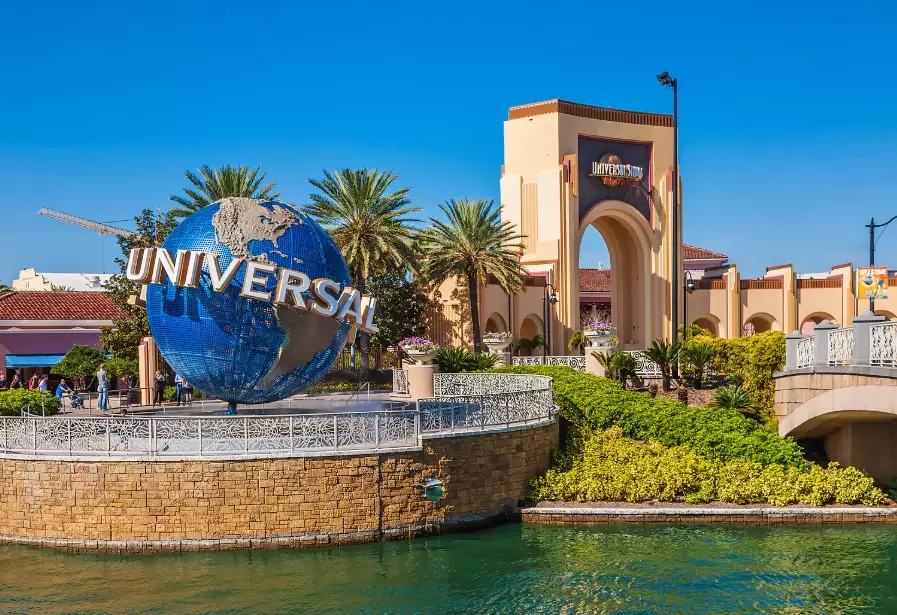
| Los Angeles | The Garland in North Hollywood or an Airbnb in West Hollywood | The Garland is a retro-chic haven with a free shuttle to Universal. WeHo is central for exploring. | $220-$300 |
| San Francisco | Hotel Zephyr near Fisherman's Wharf or Hotel Kabuki in Japantown | Zephyr is funky and close to Alcatraz ferries. Kabuki is stylish and in a vibrant, walkable neighborhood. | $230-$320 |


Comments
Leave a Comment