You’ve got two months and a serious case of wanderlust. The open road across America is calling. But staring at a map of the entire country is overwhelming. Where do you even start? How do you fit the Grand Canyon, New York City, the Pacific Coast, and everything in between into a single, coherent plan without spending half your time just driving? I’ve done this trip, made the mistakes, and found the rhythm that turns a daunting drive into the adventure of a lifetime. This isn't just a list of places; it's a tested, realistic blueprint for a coast-to-coast journey over 8 unforgettable weeks.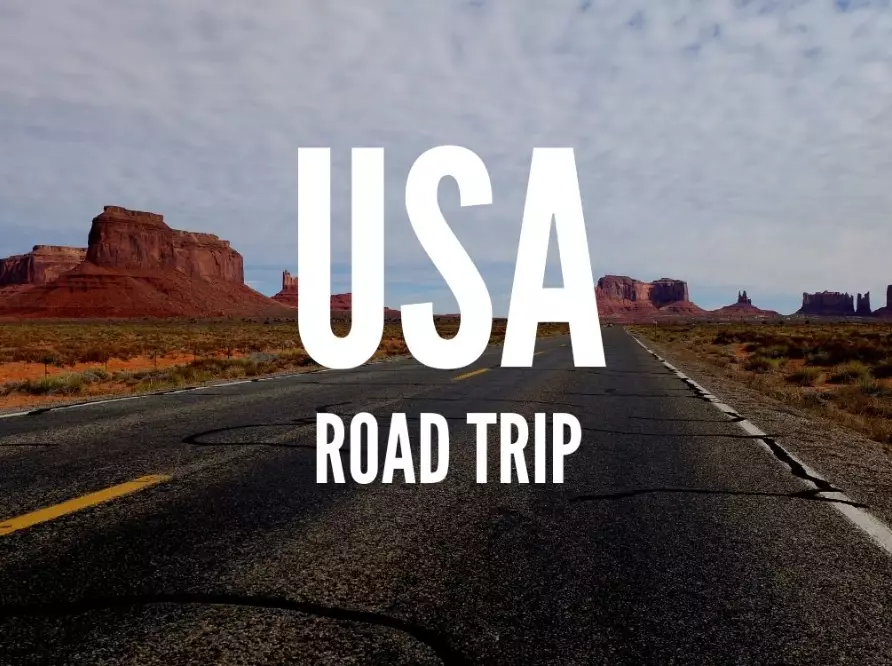
Your Road Trip Blueprint
The Route & Weekly Breakdown
This itinerary follows a classic but optimized northern route out and a southern route back, creating a loop. It balances iconic cities with breathtaking natural wonders, with driving legs averaging 4-6 hours to keep fatigue low. The key is staying flexible—give yourself a buffer day each week for spontaneity or rest.
| Week | Core Route Segment | Key Highlights |
|---|---|---|
| 1-2 | Northeast & Great Lakes | NYC, Niagara Falls, Chicago, Detroit/ Cleveland |
| 3-4 | The Northern Plains & Rockies | Badlands, Mt. Rushmore, Yellowstone, Grand Tetons |
| 5-6 | Southwest & California Coast | Utah's Mighty 5, Grand Canyon, Las Vegas, Pacific Coast Highway |
| 7-8 | The Southern Swing Home | Joshua Tree, Santa Fe, Texas Hill Country, New Orleans, Smokies |
Most people rush the middle. Don't. The magic is in the Badlands' strange silence and the endless sky of Montana, not just the postcard spots.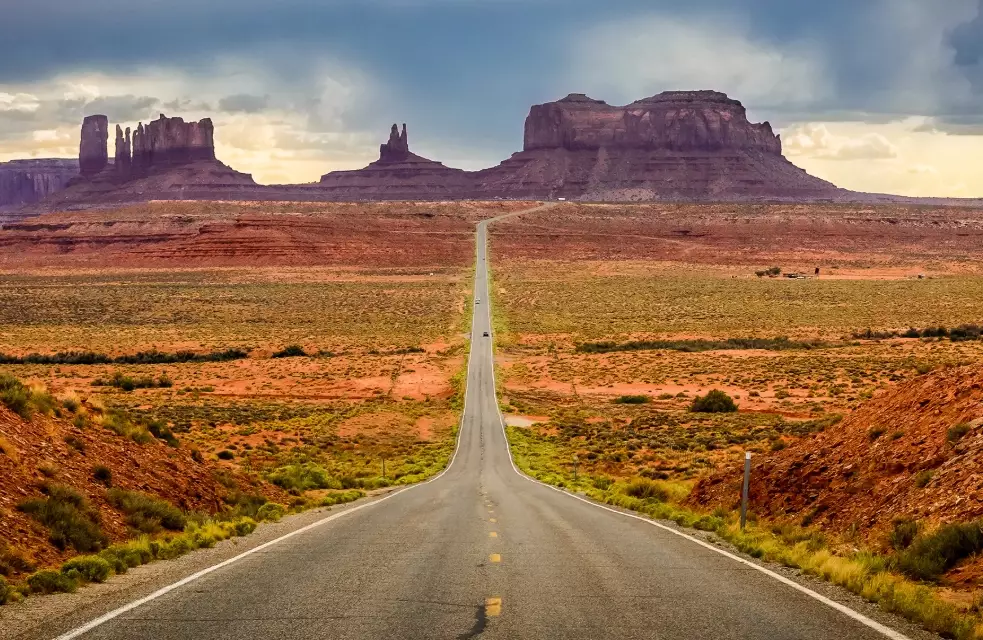
Realistic Budget & Cost Planning
Let's talk numbers, because a dream trip can become a financial nightmare without a plan. For two people sharing costs, here’s a realistic mid-range breakdown.
Budget Snapshot (for 2 people): Expect to spend between $8,000 - $12,000 total. The biggest variables are accommodation style (camping vs. hotels) and how often you eat out. Gas is a fixed, significant cost—calculate using an app like GasBuddy and assume 10,000+ miles.
Gas: ~$1,500 - $2,000 (based on a 25 MPG vehicle and 10,000 miles).
Accommodation: ~$3,000 - $5,000 (mixing camping at $30/night, motels at $80, and occasional nice hotels).
Food: ~$2,500 - $3,500 (cook your own meals 60% of the time).
Activities & Parks: ~$1,000 (The $80 America the Beautiful annual pass is non-negotiable and pays for itself after 3-4 national parks).
Contingency/Misc: ~$1,000 (for that hot air balloon ride in Albuquerque or replacing a tire).
Packing & Vehicle Essentials
You will overpack. Everyone does. The trick is to pack for layers, not outfits. Beyond clothes, these are the items that saved my trip.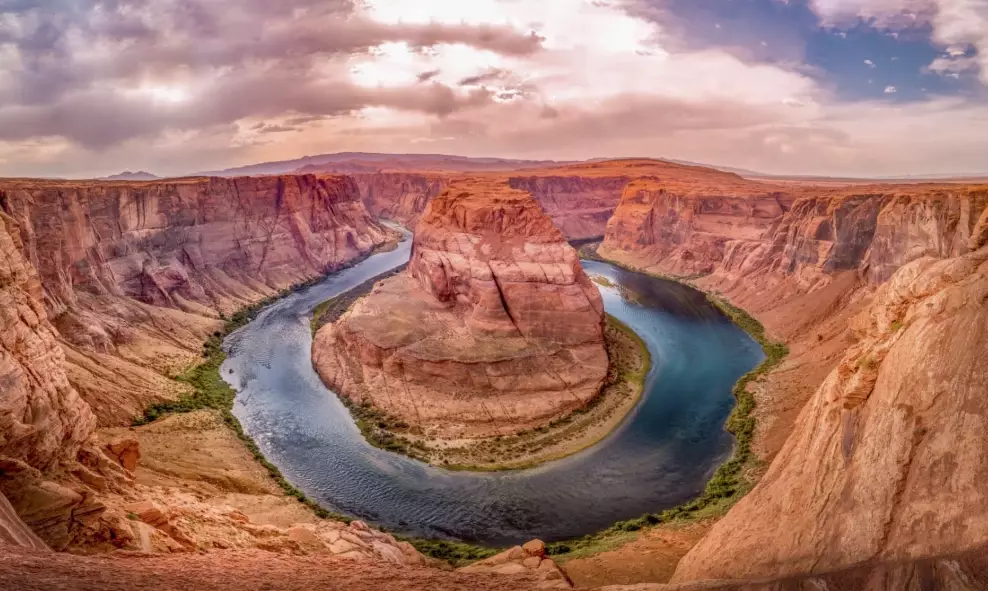
Non-Negotiable Gear
A quality cooler (not a cheap Styrofoam one). A national parks pass. A physical road atlas (cell service dies in Wyoming and Utah). A portable jump starter and a basic toolkit. More water than you think—I carry two 5-gallon jugs.
Vehicle Prep
Get a full service before you go: oil, tires, brakes, fluids, battery. Tell your mechanic you're driving cross-country. If your car has over 80,000 miles, consider getting the timing belt checked. A breakdown in remote Arizona is expensive and trip-breaking.
Week-by-Week Deep Dive
Weeks 1 & 2: The Urban Kickoff & Great Lakes
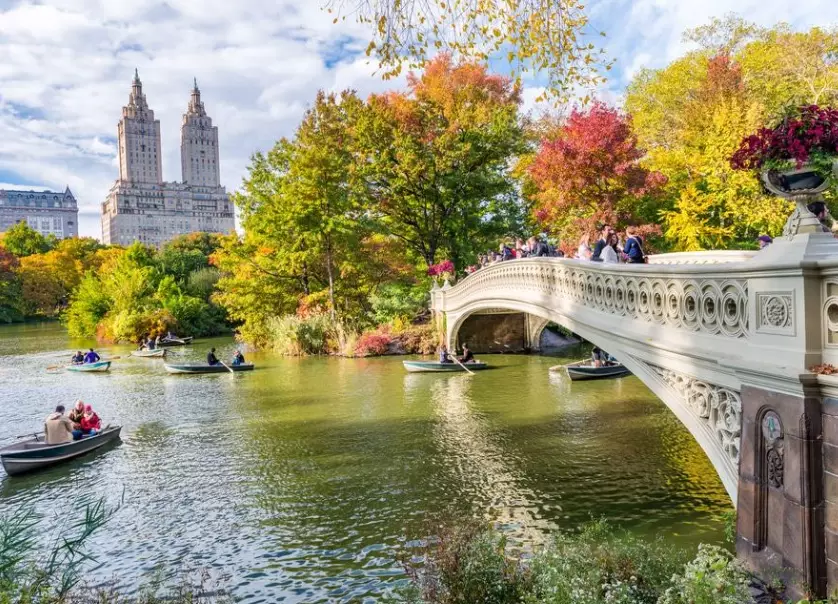
Start: New York City. Don't try to drive here. Fly in, spend 3 days, rent your car on the way out. Hit the classics: Central Park, Times Square, a Broadway show. Then drive towards Niagara Falls (7 hours).
Niagara Falls, NY: The American side is more park-like. The Maid of the Mist boat tour is touristy but genuinely awe-inspiring. Address: 332 Prospect St, Niagara Falls, NY 14303. Parking is ~$10-15.
Head west through the Rust Belt. Cleveland's Rock & Roll Hall of Fame (1100 Rock and Roll Blvd, $35) is a worthy stop. Then, make a beeline for Chicago. Deep-dish pizza at Lou Malnati's (multiple locations) is a rite of passage. Walk the Navy Pier, see The Bean.
Weeks 3 & 4: Into the Wild West
From Chicago, the land flattens. Stop at the Badlands National Park, SD. It feels like another planet. Entrance covered by your annual pass. Camp at the Cedar Pass Campground ($22/night). The next day, see the tourist circus of Mount Rushmore (13000 SD-244, Keystone, SD, $10 parking fee). It's smaller than you imagine, but still impressive. I prefer the sheer scale of the nearby Crazy Horse Memorial.
The drive into Wyoming is where the trip shifts gear. You're heading for Yellowstone National Park. You need at least 3 full days here. Book campsites (like Grant Village) or lodges 6 months in advance. Seriously. Old Faithful is cool, but spend your time in the Lamar Valley at dawn for wildlife (think bison, wolves, bears).
Just south is Grand Teton National Park. The Jenny Lake hike is perfect. The view of the Tetons from the Schwabacher Landing road is the best photo op you'll get.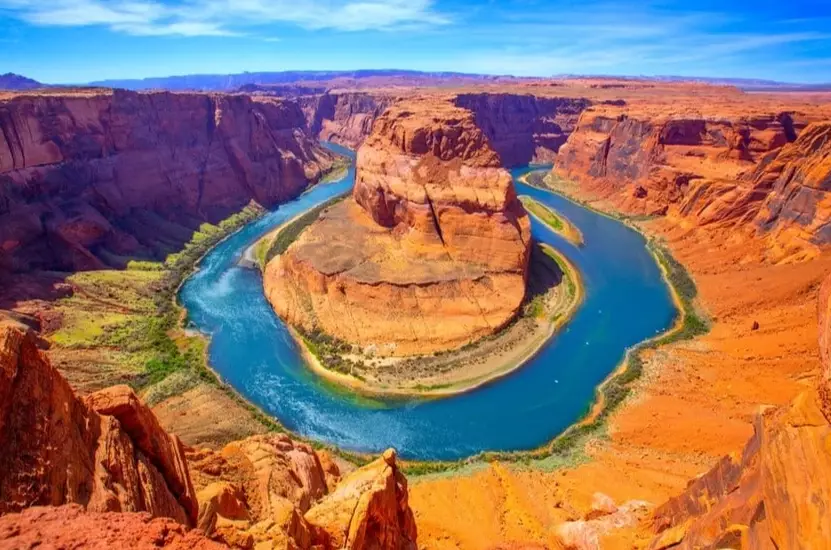
Weeks 5 & 6: Canyonlands & The Pacific
This is the big one. Drive down to Utah's Mighty 5. You can't do all five justice in a week, so prioritize. Arches (Delicate Arch hike) and Canyonlands are neighbors near Moab. Zion (Angels Landing hike, if you can get a permit) is a must. Bryce Canyon's hoodoos are best at sunrise.
Then, the Grand Canyon (South Rim). Park at the Visitor Center (450 AZ-64, Grand Canyon Village, AZ), take the free shuttle. Hike a bit down the Bright Angel Trail to get below the rim—it changes everything.
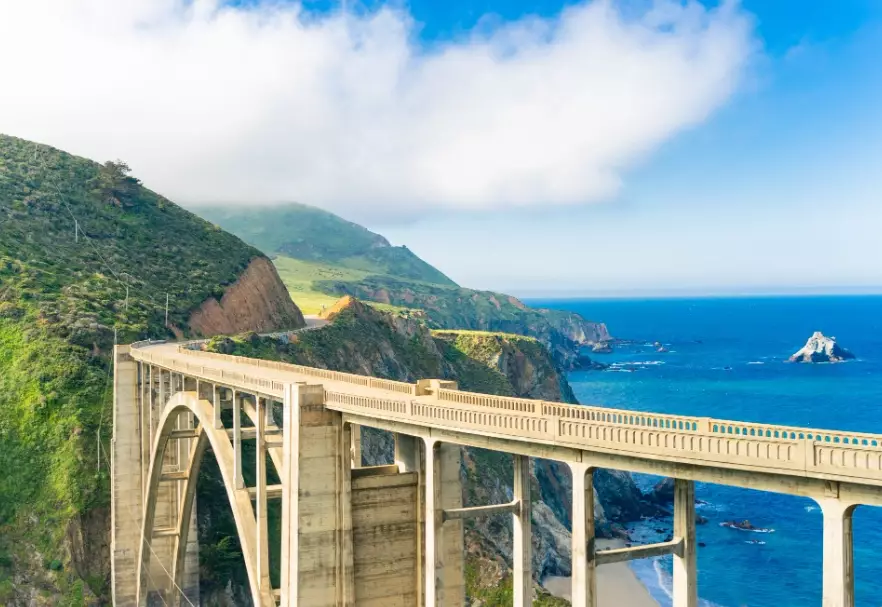
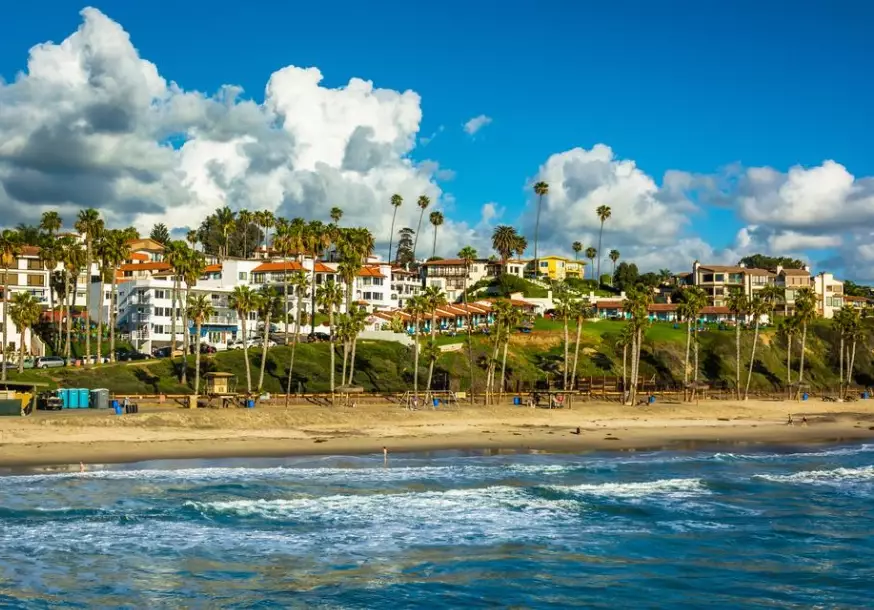
Las Vegas for a night is a wild contrast. Stay on Fremont Street for cheaper hotels and more character. Then, drive to San Diego or Los Angeles to start the Pacific Coast Highway (PCH) north. The PCH from LA to San Francisco (Big Sur) is the legendary drive. Stop in Santa Barbara, see the elephant seals near San Simeon, gasp at Bixby Creek Bridge. Allow 2-3 days for this leg alone.
Weeks 7 & 8: The Long, Winding Return
From San Francisco, cut inland to Yosemite National Park (Tioga Pass entrance, if open). Then head southeast. Joshua Tree National Park at sunset is magical. The rocks glow.
The drive through the Southwest is long. Break it up in Santa Fe, NM. The adobe architecture, the green chile stew at The Shed (113 1/2 E Palace Ave)—it's a cultural reset.
Dive into Texas. Austin's live music and BBQ (Franklin Barbecue, if you're willing to queue) is worth a day. Then, the atmospheric pinnacle: New Orleans, LA. Spend 2 nights. Listen to jazz on Frenchmen Street, not just Bourbon. Eat beignets at Café du Monde (800 Decatur St, open 24/7).
The final stretch takes you through the smoky mountains of Tennessee or North Carolina before winding back up to your starting point.
Where to Sleep: Hotels vs. Camping
Sleeping in your car at a Walmart is a romanticized nightmare. Mix it up smartly.
Camping: In national parks and forests, it's cheap and immersive. Use Recreation.gov for federal sites. State parks are also excellent (reserve through state websites).
Hotels/Motels: In cities and for reset nights. I use hotel apps but often find better last-minute rates for independent motels by just calling. A cluster of motels at a freeway exit often means competition and better prices. Cleanliness over charm every time.
Consider Airbnb for longer stops (2+ nights) where you want a kitchen and laundry.
Pro Tips & Common Pitfalls
Here’s what most guides won't tell you.
Pitfall #1: Over-scheduling. You cannot see “everything.” Pick 2-3 key experiences per week and let the rest fill in around them. A random roadside attraction might be your best memory.
Pitfall #2: Underestimating driving fatigue. Mountain and desert driving is mentally exhausting. A 5-hour drive in Utah feels longer than an 8-hour drive on I-80. Plan shorter legs after big sightseeing days.
Pro Tip: The “Second City” Rule. Instead of fighting for a hotel in a saturated tourist town (like Moab or near Zion), look 30-45 minutes away. You'll find better availability and prices.
Pro Tip: Grocery Strategy. Shop at regional chains (Kroger in the East, Safeway in the West, H-E-B in Texas). Their store-brand snacks and ready-made meals are budget lifesavers.
Your Road Trip Questions Answered
 Is it safe to sleep in my car or camp alone on a USA road trip?


Comments
Leave a Comment