Your Redwood Adventure Map
- So, What Exactly Is Redwood National Park?
- Planning Your Visit: The Nitty-Gritty Details
- Where to Lay Your Head: Camping vs. Lodging
- Hitting the Trails: A Hiker's Guide to the Best Redwood Groves
- Beyond the Trees: Wildlife, Beaches, and Hidden Gems
- Putting It All Together: Sample Itineraries
- Answers to the Questions You're Actually Asking (FAQ)
- Final Thoughts: More Than Just a Trip
Let's be honest. You've seen the pictures. You know the stats – the tallest trees on Earth, living fossils, all that. But nothing, and I mean nothing, prepares you for the actual moment you walk into a grove of old-growth coast redwoods in Redwood National and State Parks. The air changes. It gets cooler, damper. The light turns this soft, green-gold color filtering through a canopy so high up it might as well be the sky. The noise of the highway just... vanishes. It's replaced by a profound silence, broken only by the distant call of a bird or the rustle of a fern. Your neck starts to ache from looking up. And you feel, very suddenly, incredibly small. In the best way possible.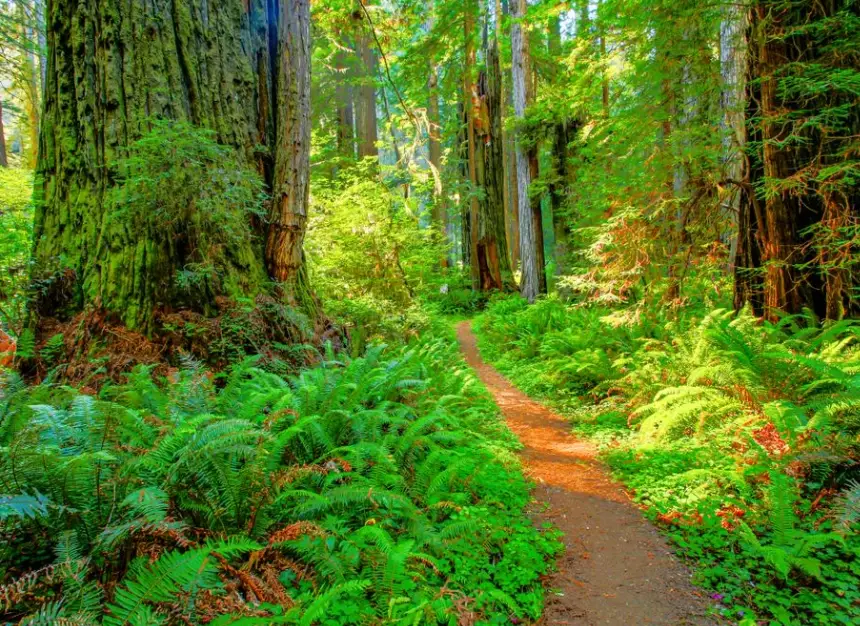
I remember just standing there, my hand on the bark of a tree wider than my car, feeling utterly ridiculous for any stress I'd carried in with me. That's the magic this place holds. It's not just a park; it's a reset button for your soul. But (and here's the real talk) planning a trip there can feel a bit overwhelming. It's not one single, simple park gate. It's a complex partnership of national and state parks sprawled along a rugged Northern California coast. Where do you even start? What's worth your time, especially if you only have a day or two?
That's why I'm writing this. After multiple visits, some amazing hikes, one slightly soggy camping mishap, and many conversations with incredibly knowledgeable park rangers, I want to give you the guide I wish I'd had. No fluff, no generic lists. Just practical, from-the-ground info to help you see these giants for yourself.
So, What Exactly Is Redwood National Park?
This is the first point of confusion, and it's a big one. When people say "Redwood National Park," they're usually talking about the whole shebang – the collective experience. Officially, it's the Redwood National and State Parks (RNSP) partnership. This is a unique cooperative management effort between the National Park Service and California State Parks. Think of it as a team protecting one massive, continuous stretch of precious ecosystem.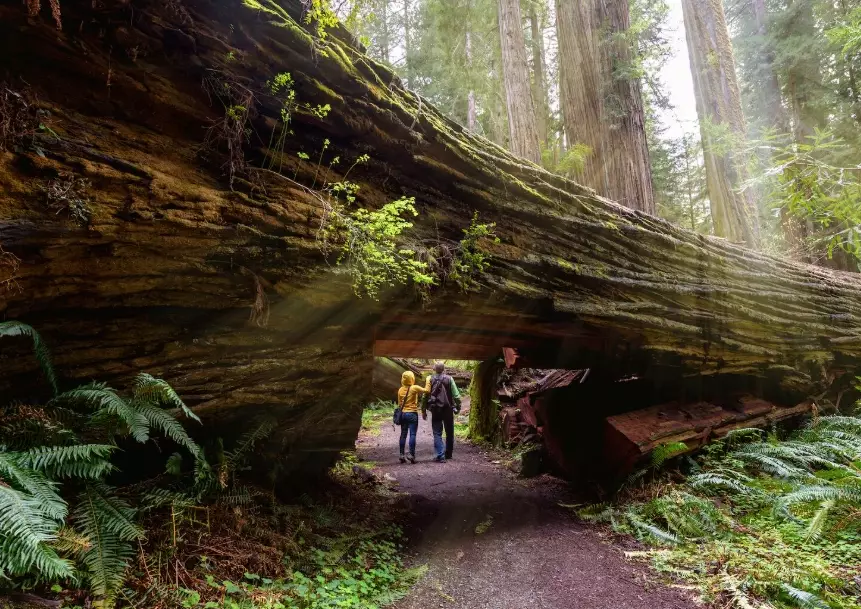
It encompasses:
- Redwood National Park (federal)
- Prairie Creek Redwoods State Park
- Del Norte Coast Redwoods State Park
- Jedediah Smith Redwoods State Park
You buy one pass, and it gets you into all the areas. You drive along Highway 101, and you'll pass seamlessly from a national park section into a state park section. For planning, you just need to know you're exploring the RNSP world. The official National Park Service website for RNSP is your absolute bible for the latest on road conditions, campground closures, and alerts.
Planning Your Visit: The Nitty-Gritty Details
Let's get the logistics out of the way. This stuff matters.
When to Go (The Pros and Cons of Each Season)
This is coastal Northern California. The weather is... moody. And beautiful because of it.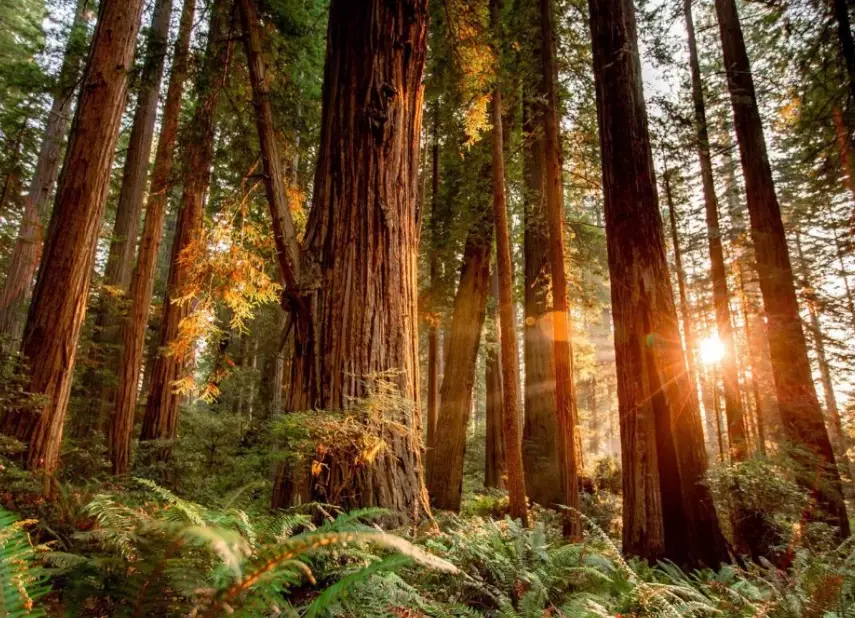
- Summer (June-August): This is peak season. Expect the most people, especially on weekends. The upside? The driest weather (though fog is a constant morning companion), all facilities are open, and all roads/trails are accessible. It's the safest bet, but book everything far in advance.
- Spring (April-May) & Fall (September-October): My personal favorite times. Crowds thin out significantly. The fall colors in the understory (maples, ferns) can be stunning. Spring brings wildflowers like trilliums. You trade guaranteed dry weather for more solitude and a magical atmosphere. Rain is a real possibility, so pack a good rain jacket.
- Winter (November-March): This is for the adventurous soul. It's wet, cold, and incredibly dramatic. Storms roll in, rivers swell, and the forest feels alive in a primal way. The major perk? You'll have whole groves to yourself. The major downside? Landslides can close roads (like the scenic Newton B. Drury Parkway), and some trails turn into mud pits. Always, always check road conditions on the NPS conditions page before a winter trip.
How to Get There and Get Around
Fly into either Medford, Oregon (MFR) or San Francisco, CA (SFO). Medford is closer to the northern sections (Jedediah Smith), while SFO is a longer, but stunningly beautiful drive up the coast. The classic road trip is up (or down) Highway 101. Once you're there, you need a car. There's no real shuttle system that connects all the major sights across the sprawling park complex. This is a drive-yourself, stop-and-explore kind of place.
Gas up when you see a station. Services are sparse between the towns of Trinidad, Klamath, and Crescent City.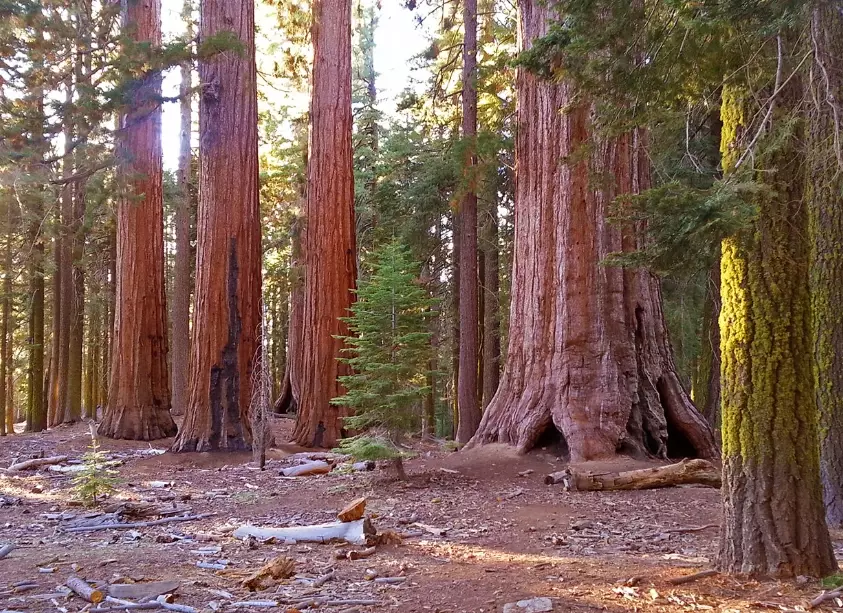
Where to Lay Your Head: Camping vs. Lodging
Your choice here defines your trip.
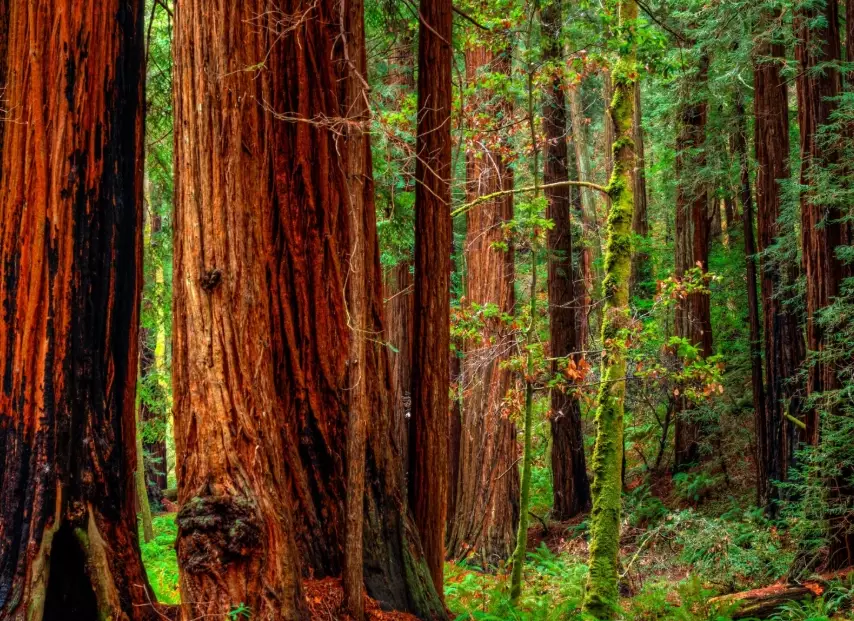
Camping Inside the Parks: The Immersive Choice
If you want to fall asleep to the sound of the Smith River and wake up with sunlight piercing through redwood boughs, this is it. The four state park units each have their own developed campgrounds. They fill up months in advance for summer weekends on ReserveCalifornia.com.
| Campground | Park Unit | The Vibe & Key Notes |
|---|---|---|
| Jedediah Smith Campground | Jedediah Smith Redwoods SP | My top pick. Sites are right among massive old-growth trees along the stunning Smith River. Feels the most "deep in the forest." Some first-come, first-served sites in off-season. |
| Elk Prairie Campground | Prairie Creek Redwoods SP | Great for wildlife lovers. Roosevelt elk frequently graze in the adjacent prairie. Central location for many top hikes. Can feel a bit more open. |
| Mill Creek Campground | Del Norte Coast Redwoods SP | A large, terraced campground nestled in a second-growth forest canyon. A good option if others are full. A short drive from the coast. |
| Gold Bluffs Beach Campground | Prairie Creek Redwoods SP | For something completely different. Pitch your tent on a bluff overlooking the Pacific! Requires driving down a long, rough gravel road (check vehicle restrictions). Windy, surreal, and unforgettable. |
Hotels, Cabins, and Motels
If camping isn't your style, the nearby towns have options. Crescent City (north) and Trinidad/Arcata (south) offer the most choices, from chain motels to charming B&Bs. Klamath has a few spots right in the middle. Book early, especially in summer.
A word on the historic park lodges: The Requa Inn in Klamath is a charming B&B with a rich history. It's a great way to support a local business with character.
Hitting the Trails: A Hiker's Guide to the Best Redwood Groves
This is what you came for. Lacing up your boots and walking among the giants. The beauty of Redwood National and State Parks is the variety. You can do a 5-minute stroll to a monster tree or a full-day trek through pristine forest.
Top Short Walks & Family-Friendly Strolls
Lady Bird Johnson Grove Trail: This 1.4-mile loop is iconic for a reason. It's an easy, paved path (mostly) that takes you through a breathtaking old-growth grove dedicated to the former First Lady. The elevation keeps you among the treetops, offering a unique perspective. It's busy, but for good cause.
Stout Memorial Grove: Located in Jedediah Smith, this is arguably the most impressive concentration of massive redwoods accessible by a flat, easy trail. The trees here are simply staggering in girth. The road to get here (Howland Hill Road) is narrow and gravel, but it's an adventure in itself.
Big Tree Wayside: A classic. Park right off Highway 101 in Prairie Creek, walk a few hundred feet on a boardwalk, and there it is—a 286-foot tall, 23.7-foot diameter champion. It's the quickest, most accessible "wow" moment in the parks.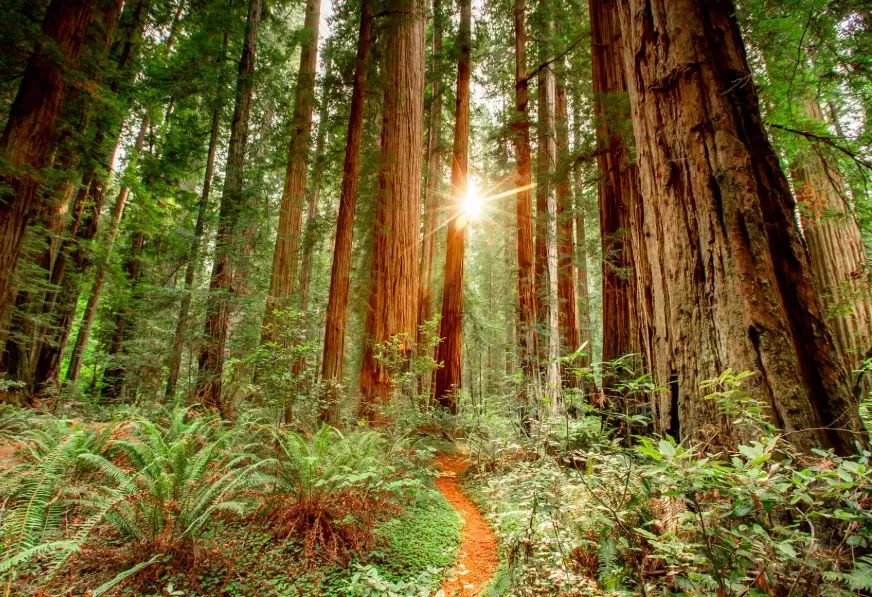
My Favorite Moderate Hikes
James Irvine Trail to Fern Canyon Loop: This is the premier hike, in my opinion. Start at the Prairie Creek Visitor Center. The James Irvine Trail is a 4.5-mile (one-way) gentle descent through a fairy-tale forest of ferns and redwoods. It spits you out at the top of Fern Canyon—a must-see where 50-foot walls are covered in dripping, vibrant green ferns. You can loop back via the coast for a ~10-12 mile day. Magical.
Boy Scout Tree Trail: Deep in Jedediah Smith, this 5.5-mile out-and-back feels like a journey into the heart of the forest. It's less crowded, damp, lush, and ends at the unique, two-trunked Boy Scout Tree. The trail is in great shape but has some roots and mud—it feels authentic.
For the Ambitious: Coastal Bluffs and Long Treks
Don't forget the other half of the park's name: "and State Parks." The coastline is breathtaking. The Coastal Trail stretches for miles along bluffs, past sea stacks, and down to hidden beaches. A spectacular section is from the Enderts Beach picnic area south towards Crescent City. You'll see more seals than people.
Thinking of backpacking? Permits are required for overnight trips in the backcountry of Redwood National Park itself. It's a different world—solitary, challenging, and rewarding. Get all the info and required permits from the NPS backcountry page.
Beyond the Trees: Wildlife, Beaches, and Hidden Gems
If you just stare up at trees the whole time, you're missing a lot.
Roosevelt Elk: These majestic animals are commonly seen in Prairie Creek's grassy meadows, especially around Elk Prairie and along Davison Road near Gold Bluffs Beach. Keep your distance! They are wild and can be aggressive, especially during rutting season (fall). Use your zoom lens.
The Pacific Coast: Places like Enderts Beach, Gold Bluffs Beach, and Hidden Beach are wild, often littered with driftwood, and perfect for a contemplative stroll. Tidepooling can be excellent (check tide charts for low tide). The water is freezing and the currents are dangerous—admire from the shore.
Tall Trees Grove: This remote grove houses some of the park's very tallest trees. Access requires a free permit (limited daily) from the Kuchel Visitor Center to get the gate code for the long, winding access road. It's a commitment—a long drive plus a steep hike down and back up. Is it worth it? For the dedicated tree-seeker, absolutely. For the casual visitor with limited time, maybe not.
Putting It All Together: Sample Itineraries
If You Only Have One Day
It's tough, but focus on one area. I'd suggest the Prairie Creek core. Start at the Thomas H. Kuchel Visitor Center for orientation. Drive the Newton B. Drury Scenic Parkway (slowly!), stop at Big Tree. Hike the short Lady Bird Johnson Grove loop. Then, drive down Davison Road to Fern Canyon for the afternoon (do the short loop hike there). Keep an eye out for elk. You'll get a powerful taste.
A Perfect Weekend (2-3 Days)
This allows you to experience the north and south.
- Day 1: Explore Jedediah Smith. Drive Howland Hill Road, hike Stout Grove or part of Boy Scout Tree Trail. Camp or stay in Crescent City.
- Day 2: Drive south, stopping at points along the coast like the Klamath River Overlook. Focus on Prairie Creek. Do the James Irvine/Fern Canyon loop hike. Stay in or near Prairie Creek.
- Day 3: Visit Lady Bird Johnson Grove on your way out, or explore more of the Coastal Trail.
Answers to the Questions You're Actually Asking (FAQ)
Is Redwood National Park good for kids?
Absolutely. The short, flat trails like Stout Grove, Big Tree, and the Trillium Falls Trail are perfect. The elk are a huge hit. Just manage expectations—this isn't a theme park with constant stimulation. It's about quiet wonder. Pack snacks and let them explore the banana slugs and nurse logs.
Can I see the "world's tallest tree"?
No. And that's a good thing. The locations of the very tallest trees (like Hyperion) are kept secret by the park to protect them from being loved to death. Their shallow root systems are incredibly vulnerable to compaction. The trees you can see in places like Tall Trees Grove or along the trails are still among the tallest living things on the planet and are utterly magnificent. The chase for a specific "champion" can distract from the experience of the whole forest.
What's the biggest mistake visitors make?
Two things: First, not planning for the weather. Hypothermia is a real risk even in summer if you get wet and cold on a trail. Layers are non-negotiable. Second, rushing. Trying to cram too many spots in a day means you spend all your time in the car on Highway 101. Pick one or two areas, hike deeply, and just sit for a while. Let the pace of the forest slow you down.
Are there guided tours?
Yes! The free ranger-led programs are fantastic. Check the park events calendar. From campfire talks to guided walks, they add so much context about the ecology, history, and conservation of these parks.
Final Thoughts: More Than Just a Trip
Visiting Redwood National and State Parks left me with more than photos. It left me with a feeling—a sense of scale, both spatial and temporal. These trees were seedlings during the Roman Empire. They've survived millennia. Walking among them is a profound lesson in resilience and quiet strength.
It's also a lesson in fragility. Seeing the stark contrast between the protected old-growth groves and the industrial timberlands just outside park boundaries is sobering. This park exists because people fought for it. Your visit, done respectfully, supports its continued protection. Follow Leave No Trace principles. Stay on trails. Don't carve into the bark. These are living monuments.
So go. Look up until your neck hurts. Breathe in the damp, earthy air. Listen to the silence. Let yourself feel small.
You'll come back bigger for it.


Comments
Leave a Comment