Let's get this out of the way first. If you think North American food culture is just a giant plate of burgers, fries, and oversized sodas, you're missing about 95% of the story. Having eaten my way from Vancouver's food trucks to Miami's Cuban cafes and countless small-town diners in between, I can tell you the reality is far richer, more regional, and deeply influenced by waves of immigration. It's a living, evolving conversation on a plate. This guide isn't about listing every dish. It's about understanding the why behind the flavors, the regional soul food you won't find in chain restaurants, and how to navigate it all like a local who knows where to look.
Your Flavor Map: Navigate This Guide
What Actually Defines North American Food Culture?
It's a trick question. There isn't one single culture. It's a patchwork. But some common threads run through the quilt.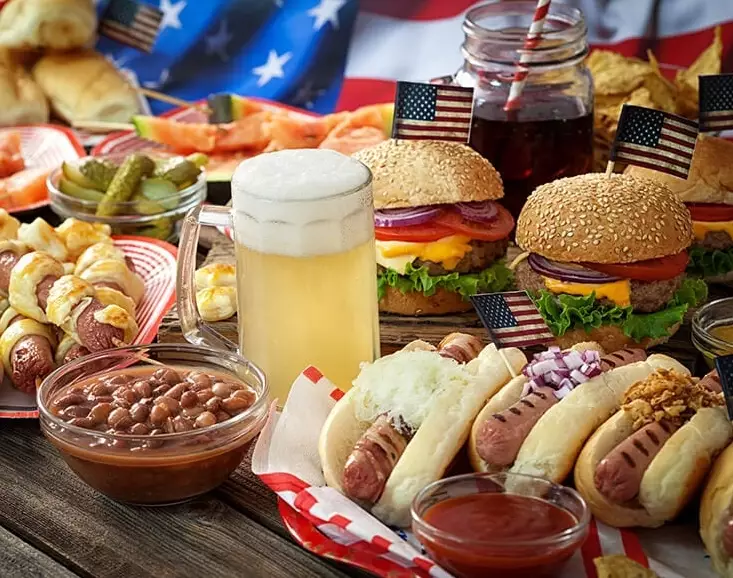
Abundance and Portion Size is a real thing, rooted in agricultural history. It's not just gluttony; it's often tied to hospitality. Sharing a massive rack of ribs or a big family-style platter is social. But the "supersize" trend? That's a late-20th-century fast-food marketing twist on an older idea of plenty.
Regional Pride is Everything. Ask someone from Texas about barbecue, and they'll talk for an hour about wood (mesquite vs. hickory), cuts (brisket is king), and sauce (or the lack thereof). In Quebec, poutine isn't just fries with gravy; it's a cultural identifier. This hyper-local pride prevents any single "national dish" from truly taking over.
Constant Reinvention through Immigration. This is the core engine. The taco didn't stay in its Mexican form when it crossed the border; it got filled with Korean bulgogi in Los Angeles (Kogi BBQ famously started this trend) or fried fish in Baja California. The bagel, brought by Jewish immigrants to New York and Montreal, evolved into a denser, chewier, boiled-and-baked icon distinct from its European cousins.
A common mistake visitors make is sticking to "safe" chain restaurants. You'll get a consistent, sanitized version of something, but you'll miss the vibrant, sometimes messy, always authentic food culture happening in neighborhood joints, food halls, and even gas stations (some of the best barbecue I've had came from a Texas gas station smoker).
Five Regional Must-Try Food Scenes (Beyond the Clichés)
Forget the generic guides. Here are five distinct regional food landscapes where the culture is palpable. I'm giving you specific, actionable spots to make this real.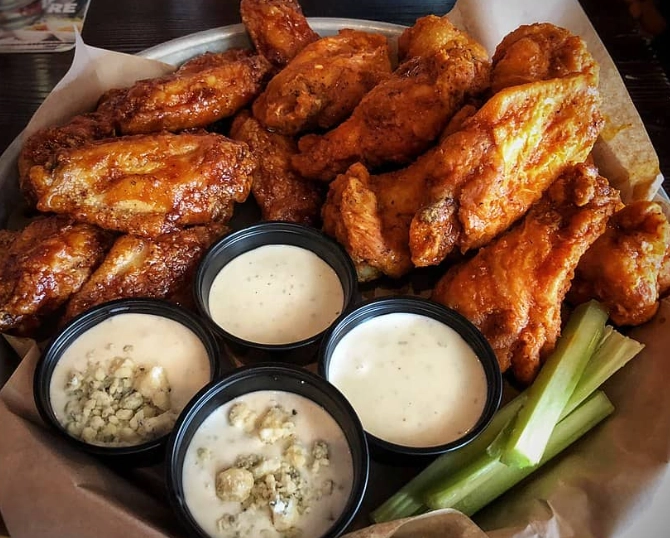
| Region & Core Vibe | Must-Try Dish (The Real Deal) | Where to Get It (A Specific Spot) | What You're Really Tasting |
|---|---|---|---|
| 1. The American South: Soul & Smoke From Lowcountry SC to Cajun LA. |
Lowcountry Boil (Frogmore Stew). Not just shrimp, but sausage, corn, potatoes, and Old Bay seasoning boiled in a pot. | The Wreck in Mount Pleasant, SC (unassuming, on the water). No fancy address, just follow the smell. Cash only. ~$25-30/plate. | Communal eating, West African & coastal influences, the history of the Gullah Geechee people. |
| 2. Quebec, Canada: French Heart, Winter Soul | Tourtière. A spiced meat pie, not poutine. Every family has a recipe. | Aux Anciens Canadiens in Quebec City. Historic house, classic prep. ~$20 CAD. Try it with a local spruce beer. | Survival food turned comfort icon. The blend of French technique with local game (originally). |
| 3. The Pacific Northwest: Forest & Sea Bounty | Wild Salmon, Cedar-Planked. Not just grilled, but cooked on a cedar board that infuses the flavor. | The Salmon House in Vancouver. A bit touristy, but they nail the method. ~$40-50 CAD. Book for a view. | Indigenous cooking methods meeting modern sourcing. A taste of the pristine environment. |
| 4. The Southwest: Native & Nuevo | Navajo Fry Bread Taco. Fluffy fried bread topped with ground beef, beans, lettuce, cheese. | At a local powwow or festival (like the Gallup Inter-Tribal Ceremonial in NM). Food stalls are the authentic source. ~$8-12. | Resilience and adaptation. Fry bread's history is painful (born from government rations), but the taco is a joyful reclamation. |
| 5. The Great Lakes: Heartland Melting Pot | The Detroit-Style Coney Dog. A natural-casing hot dog with a meaty chili sauce, mustard, and onions. | American Coney Island or Lafayette Coney Island in downtown Detroit (they're rivals, try both). ~$4-5. A 24/7 institution. | Immigrant hustle. Created by Greek and Macedonian immigrants in the early 1900s, it's the taste of industrial-era innovation. |
Notice something? None of these are from a national chain. They're deeply tied to place, history, and community. That's the key.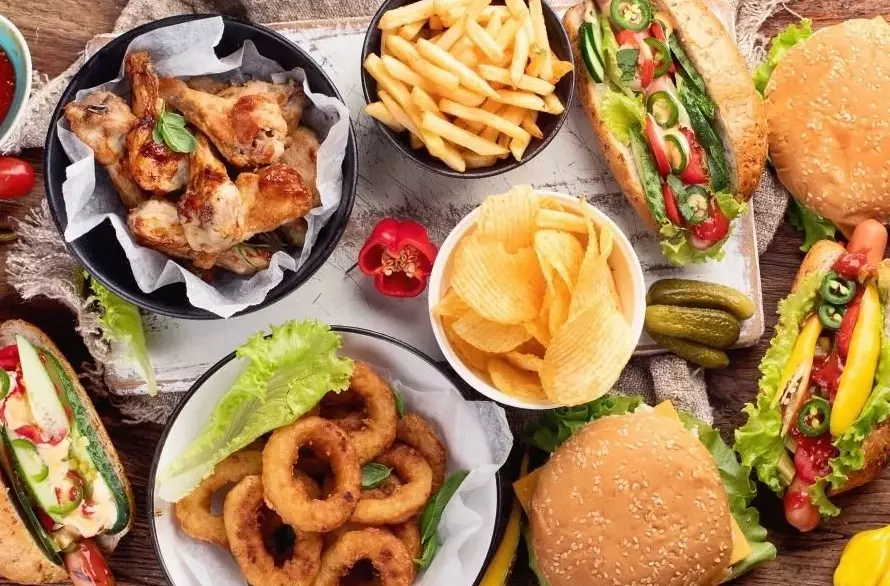
The Immigrant Engine: Where Fusion Really Happens
"Fusion" can be a pretentious restaurant term. In North America, it's often just Tuesday dinner. It's not chefs forcing weird combinations; it's what happens when communities live side-by-side for generations.
Take Tex-Mex. It's not "inauthentic" Mexican food. It's its own cuisine born in Texas when Mexican ingredients met American pantry staples and cowboy cooking. The sizzling fajita platter? That came from Mexican ranch hands ("vaqueros") being given the less desirable skirt steak and making it delicious. The combo plate with rice and refried beans? That's the Tex-Mex format.
Or look at Canadian Chinese food in cities like Vancouver and Toronto. Dishes like Ginger Beef (crispy, sweet, fried beef) or Chow Mein with thick gravy don't exist in China. They were created by early Cantonese immigrants adapting to local tastes and available ingredients, creating a cuisine so beloved it's now a staple of Canadian life.
The best places to experience this aren't always the fanciest. It's the Vietnamese-owned Cajun seafood boil shack, the Korean-run taco truck, the Italian bakery in a Polish neighborhood that started selling paczki during Fat Tuesday. This is the living, breathing food culture.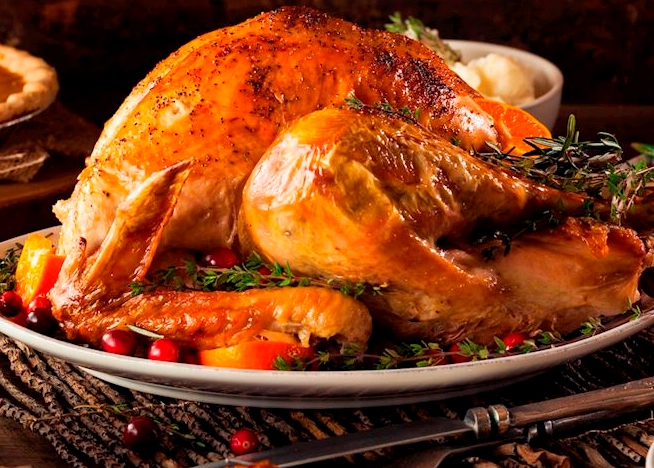
A Personal Case Study: The Montreal Bagel Debate
Everyone knows New York bagels. Fewer know about Montreal bagels. As someone who's lived near both, the difference is a microcosm of food culture. Montreal bagels are smaller, denser, boiled in honey-sweetened water, and baked in wood-fired ovens. They're sweeter and have a larger hole. New York bagels are bigger, chewier, and saltier. The debate over which is "better" is endless and pointless. They're different because the immigrant communities (Jewish from Eastern Europe) settled in different cities with different local ingredients (Montreal's honey, New York's malt) and tastes. One isn't more authentic. They're both authentic evolutions. Try both: St-Viateur Bagel in Montreal (open 24/7, bagels hot out of the oven) and Ess-a-Bagel in New York. Decide for yourself.
Modern North American Dining: Trends Shaping the Table
The culture isn't stuck in the past. Here's what's changing how we eat now.
Hyper-Local & Farm-to-Table 2.0: It's moved beyond a trend to an expectation in many cities. Restaurants now list not just the farm, but the specific farmer. Menus change weekly based on what's harvested. This isn't just upscale; it's seen in the revival of farmers' markets as community hubs where you can eat directly from the producer.
The Food Hall Revolution: Replacing stale food courts, modern food halls like Pike Place Market in Seattle (the original) or Chelsea Market in NYC are curated experiences. They're low-risk ways for new chefs to start and for eaters to sample a dozen different food cultures in one spot. It's social, fast, and diverse—perfectly suited to modern North American life.
Plant-Based Goes Mainstream: This isn't just for vegetarians anymore. Driven by health and environmental concerns, even classic steakhouse chains now offer a convincing plant-based burger. The innovation here is about making it taste familiar, not just virtuous. The Impossible Burger and Beyond Meat are North American inventions for a reason.
Convenience Culture Reimagined: Meal kits (Blue Apron, HelloFresh), gourmet grocery prepared foods (Whole Foods, Wegmans), and premium fast-casual (Sweetgreen, Cava) are huge. People want quality and variety but are time-poor. The culture is adapting by making "good food" more accessible outside a traditional restaurant setting. A report from the USDA's Economic Research Service highlights the continued shift in food spending towards away-from-home meals, underscoring this trend.
Your North American Food Questions, Answered
I'm on a tight budget. Can I still experience authentic North American food culture?
Absolutely, and you might get a better experience. Skip the white-tablecloth spots. Go to a classic diner for breakfast (look for one with vinyl booths and a long counter). You'll get a huge plate of pancakes, eggs, and bacon for under $15 and see locals from all walks of life. Hit a food truck pod for lunch—you can sample amazing, chef-driven food for $10-15 a plate. For dinner, find a neighborhood taqueria or pho restaurant. The best meals are often under $20. The culture is in these everyday places, not the expensive ones.
What's the biggest mistake tourists make when trying regional barbecue in the US?
Assuming all barbecue is the same and drowning it in sauce. The regions are fiercely different. In Central Texas (Austin, Lockhart), it's all about the dry rub and smoke—brisket, sausage, ribs. Sauce is often an afterthought, served on the side. In Kansas City, it's about a sweet, thick, tomato-based sauce coating ribs and burnt ends. In North Carolina, it's a vinegar-based pepper sauce on pulled pork. The mistake? Putting Kansas City sauce on Texas brisket. You'll offend the pitmaster and mask the flavor they worked 18 hours to create. Ask what the house style is and try it their way first.
Is "Canadian food" just poutine and maple syrup?
That's like saying American food is just hot dogs. It's a start, but it's shallow. Beyond those icons, look for: West Coast seafood (spot prawns, Dungeness crab), Prairie perogies and sausage (Ukrainian/Polish influence), East Coast lobster rolls and donair (a unique spiced meat wrap from Halifax), and Indigenous cuisine like bannock, game meats, and foraged foods, which is experiencing a powerful renaissance in restaurants across the country. The Canadian Encyclopedia notes the profound regional diversity shaped by geography and immigration, making a single definition impossible.
How do I find the best local spots and avoid tourist traps?
A few tricks. Look at the cars in the parking lot. If it's full of local plates (not rental cars), that's a good sign. Check if the menu is huge. A giant, laminated menu with pictures of every dish is often a red flag. Great local spots do a few things exceptionally well. Ask your hotel concierge or Airbnb host where THEY go for a casual dinner. Phrase it that way. And use food-focused publications like Eater for their city-specific "Essential" maps—they're usually more current and local than broad travel guides.





Comments
Leave a Comment