Let's get this out of the way first: when you think of traditional American food, your mind probably jumps to a juicy burger, a hot dog at a baseball game, or a slice of apple pie. And you're not wrong. But if you think that's all there is, you're missing the whole story. American food is a living, breathing chronicle of the country's history—a story of immigration, regional agriculture, and cultural fusion that created dishes so deeply embedded in daily life, we often forget they have a history at all. I've spent years traveling cross-country, eating in diners, BBQ joints, and fine-dining establishments that honor these roots. The biggest mistake a newcomer makes is treating "American food" as a monolith. It's not. It's a collection of fiercely independent regional cuisines, each with its own rules and sacred traditions.
Your Quick Bite-Sized Guide
What Exactly Defines 'Traditional' American Food?
This is trickier than it sounds. "Traditional" doesn't mean "oldest." Native American cuisine, with its use of corn, beans, and squash (the "Three Sisters"), is the true foundation. What we commonly call traditional American food today is largely a product of the 18th to early 20th centuries, shaped by European settlers, enslaved Africans, and later waves of immigrants. The key characteristics are often heartiness, simplicity, and a focus on locally available ingredients before globalization changed our pantries.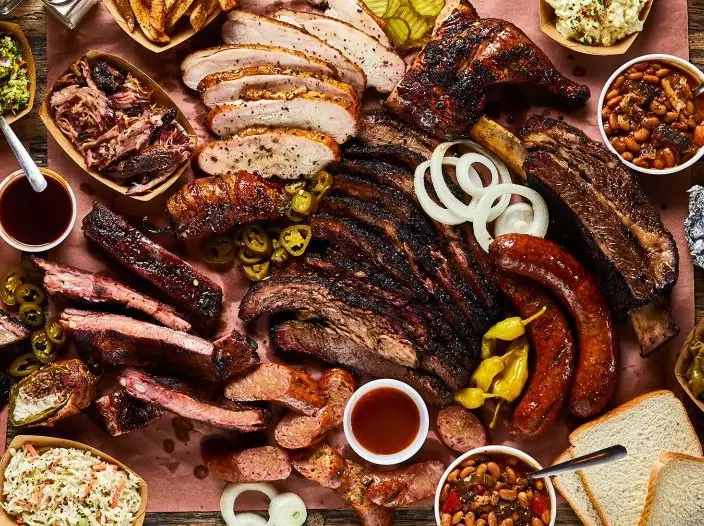
A subtle point most food tours gloss over: true traditional dishes are often tied to a specific technique or piece of equipment, not just a list of ingredients. Think of the Southern cast-iron skillet for cornbread, the New England clambake pit, or the Texas offset smoker for brisket. Getting the gear wrong changes the dish fundamentally.
Regionalism is Everything: Forget a single national cuisine. America's size and history created distinct culinary zones. New England Clam Chowder (cream-based) would start a fight in Manhattan (where it's tomato-based). The BBQ sauce debate (vinegar, mustard, tomato, sweet) is a literal map of post-Civil War cultural lines. Understanding this regional pride is the first step to appreciating the food.
Iconic Dishes Deconstructed: The Must-Try Classics
Let's break down a few pillars. This isn't an exhaustive list, but a deep dive into what makes these dishes tick.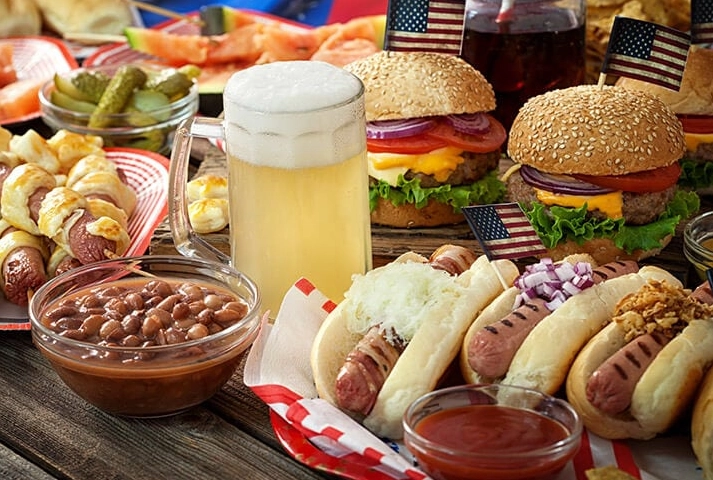
The Hamburger: An American Icon
Its origins are debated (Hamburg, Germany? Seymour, Wisconsin?), but its American perfection is not. The classic form emerged in the early 1900s. The magic isn't in fancy toppings—it's in the ratio. A good diner burger uses an 80/20 ground chuck patty, seasoned simply with salt and pepper, on a soft, slightly sweet bun that can absorb juices without falling apart. Lettuce, tomato, onion, pickles, ketchup, mustard. That's it. The mistake upscale pubs often make is using a dense brioche or an overly thick patty that turns the eating experience into a messy chore.
Barbecue: America's Slowest Food
This is less a dish and more a religion with different denominations. The core is tough, fatty cuts of meat (pork shoulder, beef brisket) cooked low and slow over indirect heat from wood smoke.
- Texas: Beef is king, specifically brisket. Salt and pepper rub (the "Dalmatian rub"), smoked over post oak. Sauce is often an afterthought, served on the side.
- Kansas City: A mix of meats (ribs, burnt ends) with a sweet, thick, tomato-based sauce.
- Carolina: Whole-hog pork, pulled or chopped. Eastern NC uses a vinegar-pepper sauce. Western NC/Piedmont adds ketchup to the vinegar base. South Carolina has its unique mustard-based "Carolina Gold."
- Memphis: Pork ribs, either "wet" (sauced) or "dry" (rubbed with a spice mix).
The true test of a BBQ joint? The presence of a smoke-stained brick pit and the smell of wood smoke permeating your clothes for hours after you leave.
Thanksgiving Dinner: The National Meal
Roast turkey, stuffing, mashed potatoes, gravy, cranberry sauce, green bean casserole, and pumpkin pie. This meal, rooted in 19th-century magazine promotions and presidential proclamations, is America's most universally shared food tradition. The beauty is in the variations: oyster stuffing in New England, cornbread stuffing in the South, sweet potato casserole with or without marshmallows. It's a meal where the "traditional" recipe is the one your family makes.
Where to Eat Authentic American Food: A Restaurant Guide
You can find decent versions in any city, but for the iconic experience, these places are institutions. I'm avoiding massive chains—the soul is in the independents.
| Restaurant & Location | Signature Dish & What Makes It Special | Practical Info (Price, Hours, Note) |
|---|---|---|
| Peter Luger Steak House 178 Broadway, Brooklyn, NY |
Porterhouse Steak for Two. Dry-aged on-site, broiled in a unique ancient broiler, served sizzling in its own juices. The epitome of the classic New York steakhouse. Cash only, and the gruff service is part of the lore. | $$$$. Dinner only, 7 days. Reservations essential, often weeks ahead. Expect to spend $150+ per person. |
| Franklin Barbecue 900 E 11th St, Austin, TX |
Central Texas Brisket. Widely considered among the best. The bark is perfect, the meat impossibly tender with a profound smoke ring. A pilgrimage site. | $$. Open Tue-Sun 11am until sold out (often by 1pm). The line starts before 8am. Pro-tip: Pre-order online for large amounts to skip the line. |
| Joe's Stone Crab 11 Washington Ave, Miami Beach, FL |
Stone Crab Claws. A Florida classic. Served chilled with mustard sauce. The season is legally restricted (Oct 15-May 1), making it a true seasonal tradition. | $$$$. Open seasonally. Hours vary. No reservations for small parties, expect a long wait in the lounge. |
| Canlis 2576 Aurora Ave N, Seattle, WA |
Pacific Northwest Fine Dining. While menu changes, it interprets regional ingredients (Dungeness crab, wild salmon, foraged mushrooms) through a classic, elegant American lens. A 70-year-old family-run institution. | $$$$. Dinner only, Wed-Sun. Tasting menu only. Reservations released 30 days in advance. |
| Alinea 1723 N Halsted St, Chicago, IL |
The Modern American Experience. Pushing the boundaries of what American cuisine can be. Not "traditional" in the historical sense, but essential for understanding its evolution. The iconic dessert course is a edible helium balloon. | $$$$. Extreme tasting menu. Reservations are a competitive event via Tock. One of the world's top restaurants. |
Don't overlook the humble local diner. For a true blue-collar American breakfast, find one with vinyl booths and a counter. Order pancakes, eggs any style, hash browns (crispy!), and bacon. The coffee will be bottomless and strong. It's the most honest meal you'll find.
How Has American Food Evolved?
The story didn't end in the 1950s. The "New American" movement, gaining steam in the 1980s with chefs like Alice Waters (Chez Panisse), refocused on hyper-local, seasonal ingredients but with refined French and Italian techniques. Today, it's simply called American cuisine. The current trend I see is a respectful reinterpretation of the classics. Think a burger with house-ground dry-aged beef and house-made pickles, or a deconstructed apple pie that still tastes unmistakably of cinnamon and butter.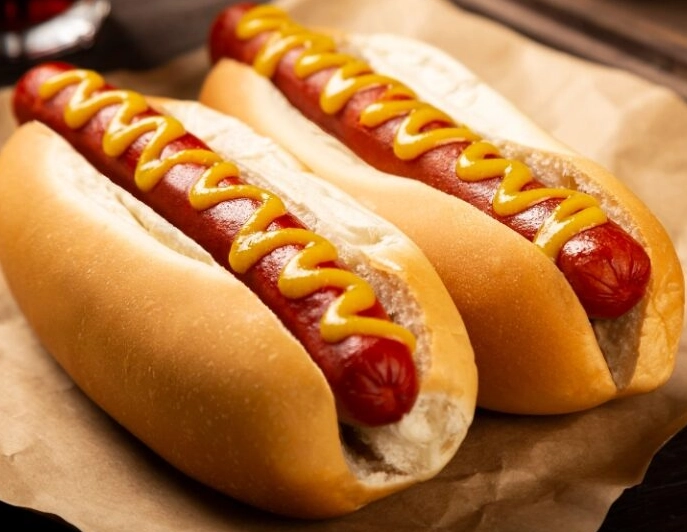
Immigration continues to shape the menu. The taco, through decades of Mexican-American influence, is arguably now a traditional American food in the Southwest. The same could be said for the bagel (Jewish immigration) in New York or the stromboli (Italian) in Philadelphia. American food's tradition is its ability to absorb and adapt.
Planning Your American Food Tour: Practical Tips
Want to taste the real deal? Don't just hop between major cities.
- Follow the region, not the "best of" lists. Plan a trip around a specific food: a BBQ trail through the Carolinas, a clam chowder tour of New England, a Creole and Cajun deep dive in Louisiana.
- Embrace the dive. The best fried chicken or chili is often in a place with questionable décor but a line out the door. Read local food blogs, not just national magazines.
- Ask locals. At a bar or coffee shop, ask where they go for a great burger or slice of pie. You'll get better answers than any app.
- Visit a farmers' market. See the raw ingredients that define regional cooking. In the Midwest, you'll see sweet corn and beef. In the Pacific Northwest, berries and seafood.
Check out resources from the Smithsonian Institution for historical context on American foodways, or the USDA for information on agricultural products that define regions.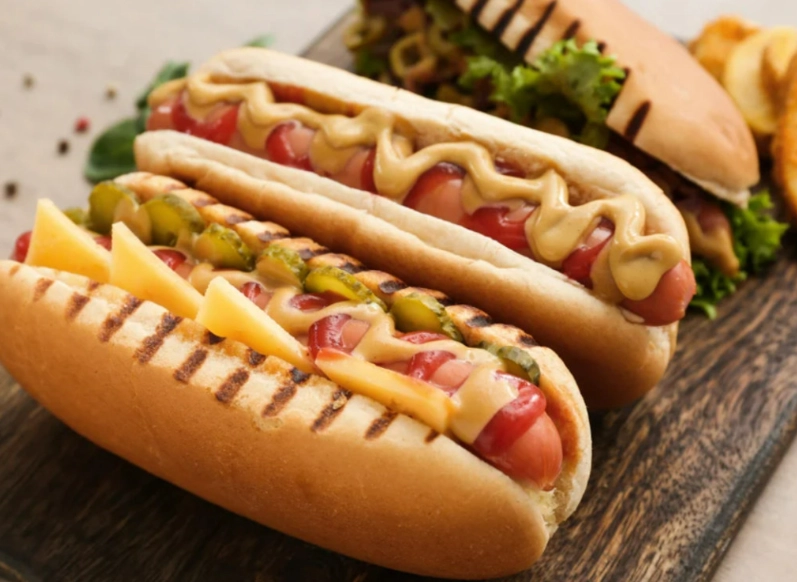






Comments
Leave a Comment