If you're planning a trip or just curious about the Golden State's famously sunny weather, you've probably asked: what's the rainiest month in California? The quick, textbook answer is usually January or February. But stop right there. Giving just one month for the entire state is like saying the weather in Miami is the same as in Minneapolis. California's climate is a patchwork quilt, stitched together by mountain ranges, ocean currents, and sheer size. The rainiest month in Eureka, up in the redwood fog belt, is a world away from the driest month in sunny San Diego.
I've lived through enough California winters to see tourists shivering in shorts on a San Francisco July afternoon and watched rainstorms drench Los Angeles while Palm Springs, just a hundred miles away, stayed bone-dry. Understanding the "when" and "where" of California rain isn't just trivia—it's essential for packing the right jacket, planning a hike that won't wash you away, or deciding whether to risk that coastal drive in winter.
Let's get into the real story.
Quick Navigation: What You'll Find Here
The Statewide Answer: January and February Take the Crown
Zooming out to a bird's-eye view, data from the National Oceanic and Atmospheric Administration (NOAA) confirms that winter is California's wet season. The period from November through March accounts for the bulk of the annual precipitation across most of the state. If you average the numbers from hundreds of stations, January typically edges out February as the single wettest month for California as a whole.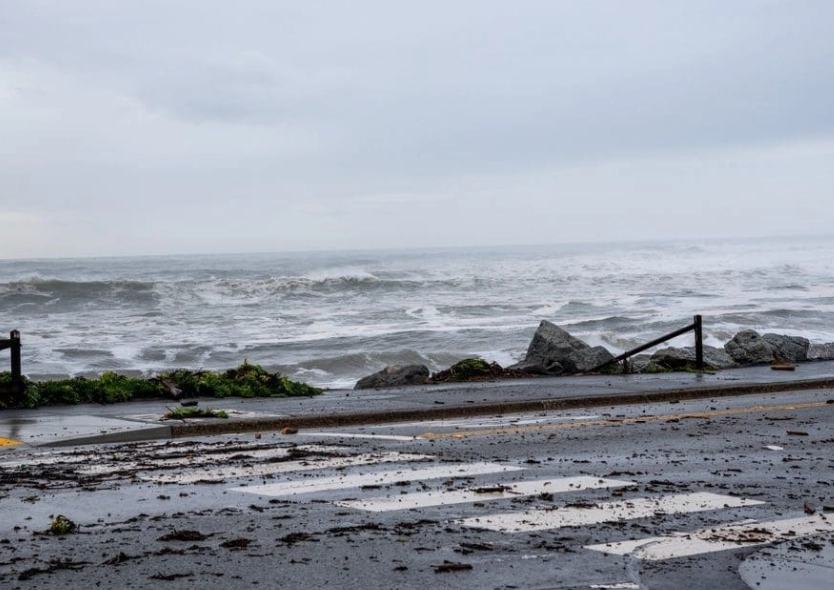
This happens because the Pacific jet stream dips south during winter, steering mid-latitude cyclones and their associated fronts right into the state. The real magic (or menace) comes from "atmospheric rivers"—long, narrow corridors of intense moisture transport from the tropics. Think of them as fire hoses in the sky. When one of these hoses points at California, it can dump incredible amounts of rain and snow in a short time.
Here's the catch: That "statewide average" is almost useless for personal planning. It's smoothed over by the enormous rainfall in the northern mountains and the near-zero rainfall in the southeastern deserts. To make smart decisions, you need to think regionally.
A Crucial Regional Breakdown: Where You Are Changes Everything
California's geography dictates its weather. The dominant pattern is simple: storms come from the west/northwest, hit the coast and the first mountain ranges they encounter, drop most of their moisture, and leave the areas in the "rain shadow" much drier.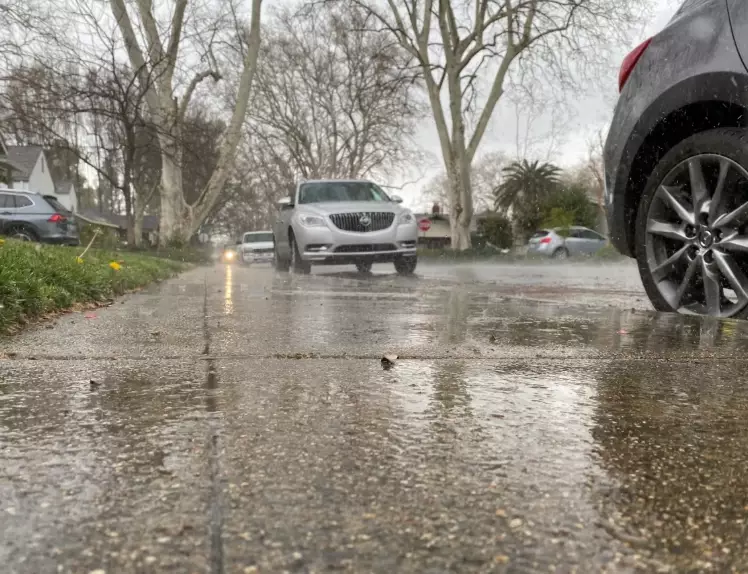
Northern California & the North Coast
This is where it really pours. The coastal ranges and the Sierra Nevada foothills here act like a giant sponge. For cities like Eureka and Crescent City, the rainiest months are solidly November through January. December often wins. Rainfall is more evenly distributed across the winter because storms are more frequent, not necessarily more intense. The landscape here is built for it—lush redwoods, green year-round.
Central California & the San Francisco Bay Area
The pattern sharpens. For San Francisco, Oakland, and the coastal side of the Bay, January is consistently the wettest month. The famous Bay Area microclimates are on full display: it can be pouring in the Santa Cruz Mountains while it's merely drizzling in downtown San Jose. I remember one February where my hike in the Marin Headlands was a soggy, glorious mess with waterfalls everywhere, while my friends across the bay in Berkeley reported nothing but a light mist.
Southern California (Coastal & Valleys)
This is where the textbook answer starts to fray. While winter is still the wet season, the window is narrower and more dramatic. For Los Angeles and San Diego, February is very often the rainiest month, though December can sometimes compete. The difference here is the reliance on fewer, but potentially heavier, storm events. A single strong atmospheric river event in February can deliver half of LA's seasonal rainfall in a few days. The rest of the winter might be relatively dry and pleasant.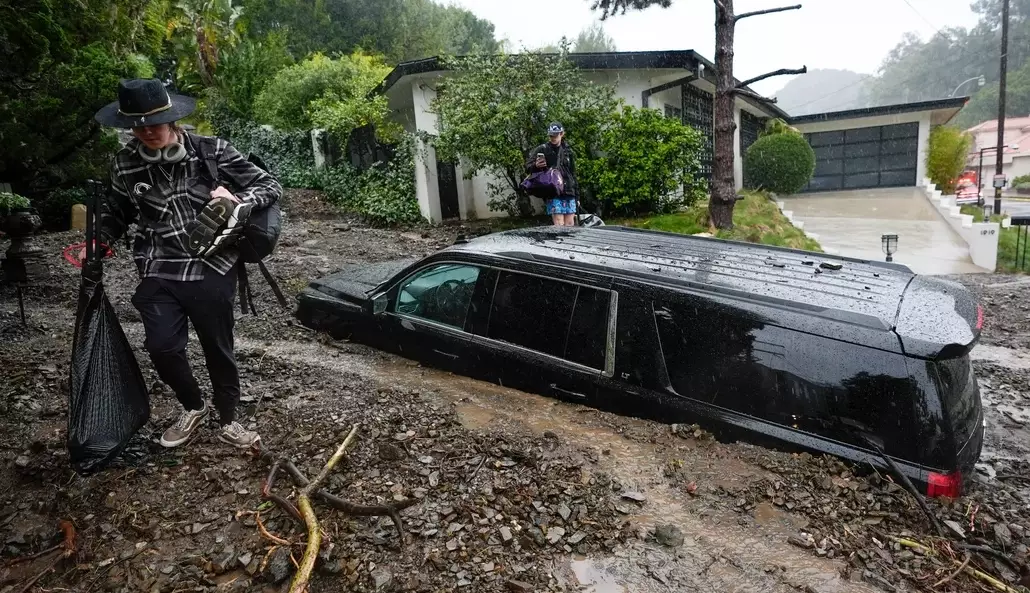
The Sierra Nevada Mountains
Here, we talk about snow, not rain. The peak precipitation (as snow above ~5,000 feet) is usually January and February. This is critical for the state's water supply. March can be a huge snow month too, especially with late-season storms. If you're a skier or boarder, these are the months you dream of, but the weather is serious business—whiteouts, road closures, and avalanche risk are real.
The Interior Valleys & Deserts
Places like the Central Valley (Sacramento, Fresno) follow a muted version of the coastal pattern, with January as the peak. But the rain shadow effect is brutal for areas like Death Valley and the Mojave. Their "rainy season" is a joke—they might see an inch or two total for the entire year, with no reliably wet month at all. When it does rain there, it's often a summer monsoon thunderstorm, a completely different system.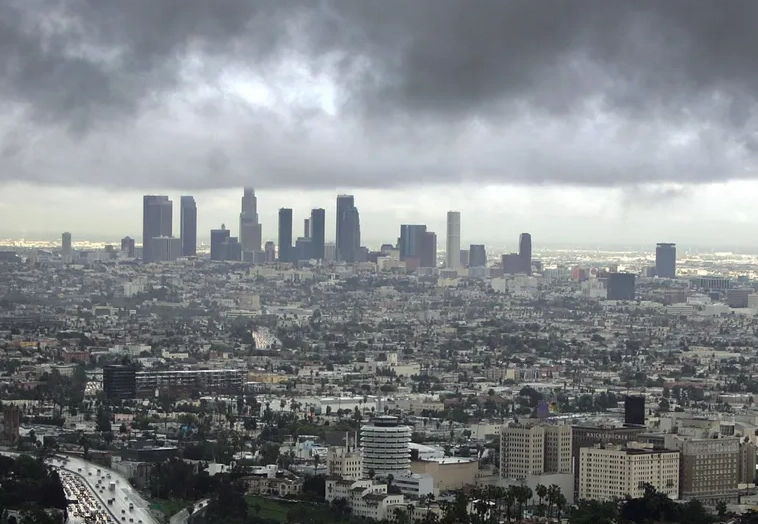
| City / Region | Typical Rainiest Month(s) | Average Rainfall in That Month | Key Characteristic |
|---|---|---|---|
| Eureka (North Coast) | December | ~6.5 inches | Consistent, frequent drizzle and rain |
| San Francisco | January | ~4.5 inches | Wind-driven rain, microclimates |
| Sacramento | January | ~3.5 inches | Central Valley pattern, tule fog after rain |
| Los Angeles | February | ~3.6 inches | Unpredictable, heavy bursts from atmospheric rivers |
| San Diego | February | ~2.3 inches | Mildest wet season, quick-moving storms |
| Yosemite Valley | January | ~6.9 inches (mostly snow above) | Snow at elevation, rain in valley, epic waterfalls |
| Death Valley | Variable (often Feb) | ~0.3 inches | Extremely arid; "rainiest" is negligible |
Why This Rainfall Pattern Matters for Your Plans
Knowing the rainiest month isn't about avoiding California—it's about engaging with it smartly.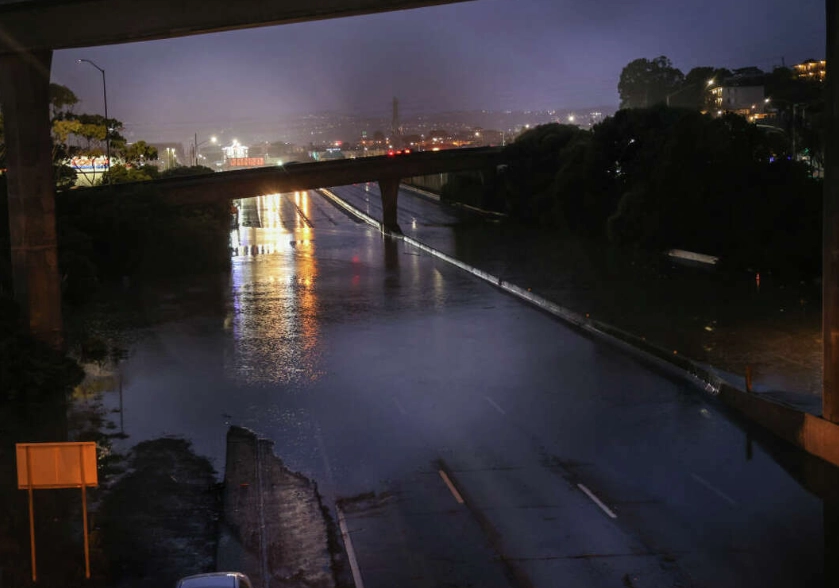
For Travelers: If you visit in January or February, pack a real waterproof jacket. Not a fashion windbreaker. I've seen too many people miserable because they underestimated a Pacific storm. The upside? Fewer crowds at major attractions, stunning green hillsides, and hotel prices that aren't in the summer stratosphere. Coastal whale watching is often excellent during these months as gray whales migrate.
For Hikers and Outdoor Enthusiasts: This is the most important takeaway. Trails change completely. In summer-dry regions like Southern California's chaparral, the ground becomes soft and sticky. In the Sierra foothills, creek crossings can become impassable. Always check conditions with the local land manager—the National Park Service or US Forest Service—for trail closures or warnings. The reward? Waterfalls you won't see any other time of year are at their absolute peak flow from late winter into spring.
For Drivers: Mountain passes like I-80 over Donner Summit or CA-168 into the Sierra can require chains or close entirely during heavy snow. Coastal Highway 1 south of Big Sur is famous for landslides that can close the road for months. Before any winter road trip, checking the Caltrans QuickMap is as essential as checking your gas.
Looking Beyond the Average: Droughts, Deluges, and Climate Patterns
Talking about "average" rainy months in California feels increasingly like a historical exercise. The state swings wildly between extreme drought and extreme precipitation. This volatility is the new normal.
The El Niño-Southern Oscillation (ENSO) is the big player. During a strong El Niño phase, the warmer Pacific waters often (but not always!) shift the storm track further south, potentially bringing above-average rain to Southern California. The monster winters of 1982-83 and 1997-98 were El Niño years. La Niña often does the opposite, bringing drier conditions to the south but sometimes focusing storms on the Pacific Northwest.
Then there's the "Pineapple Express," a specific type of atmospheric river that taps into moisture near Hawaii. When one of these hits, all bets are off for monthly averages. It can dump a month's worth of rain in a single, catastrophic event, regardless of whether it's January or March.
The biggest mistake I see people make is assuming "California = always dry." That mindset leads to poor preparation. The second biggest mistake is assuming the rain will be a gentle, all-day drizzle like in the Pacific Northwest. California rain, when it comes, can be intense, sudden, and localized.
Your California Rainy Season Questions Answered
So, what's the rainiest month in California? For most of its population centers, it's a toss-up between January and February. But the real wisdom lies in understanding that California's weather is a regional drama, not a statewide monologue. From the soggy redwood groves of the north to the dramatic, desert-edged downpours of the south, the water defines the landscape. Respect the rain, prepare for it, and you'll see a side of California that the summer crowds never do—vibrant, powerful, and profoundly green.



Comments
Leave a Comment