Your Journey Roadmap
Let's be honest. The idea of travelling to America for the first time is equal parts thrilling and utterly terrifying. You've seen it in a million movies, heard all the stories, and now it's your turn. But between the excitement of seeing Times Square or the Golden Gate Bridge, there's this nagging worry about the practical stuff. Visas? Customs? Tipping? How do you not look like a total tourist while being, well, a total first-time tourist?
I remember my first trip. I spent hours googling, asking friends, and still felt unprepared. I overpacked, misunderstood the tipping culture, and had a minor panic attack at the car rental counter. I wish I'd had a guide that just laid it all out, straight, without the fluff. So that's what this is. Consider me your slightly-more-experienced friend who's been through the wringer, ready to save you from the classic blunders and help you actually enjoy the process of travelling to America for the first time.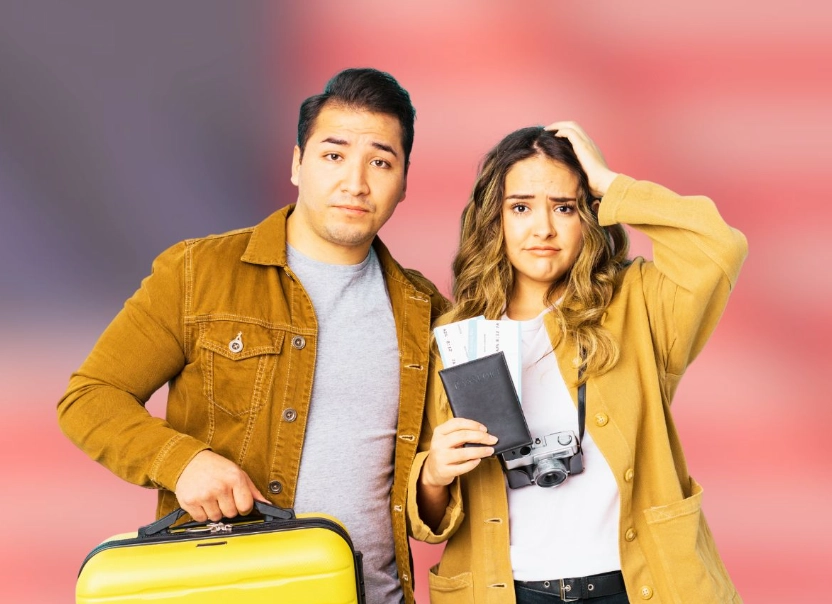
Before You Book a Thing: The Foundational Stuff
Jumping straight to booking flights to LA or New York is tempting. Resist. Get these pillars in place first, or you might waste a lot of money and heartache.
The Visa & ESTA Maze (It's Not That Scary)
This is the biggest gatekeeper, so let's demystify it. The rules are strict, but clear.
If you're a citizen of a country under the Visa Waiver Program (VWP), you likely need an ESTA (Electronic System for Travel Authorization), not a visa. It's an online application, costs $21, and is valid for two years. Do it yourself on the official U.S. government website. Don't use a third-party site that charges you triple—they don't make it any faster or more likely to be approved. I applied on a Tuesday afternoon and was approved by Wednesday morning. Just have your passport handy.
If you're not from a VWP country, you'll need a visitor (B-2) visa. This involves an interview at a U.S. embassy or consulate. Start this process months in advance. Appointment wait times can be long. The key here is proving strong ties to your home country—job, family, property—to convince them you plan to return. It feels invasive, but it's the game.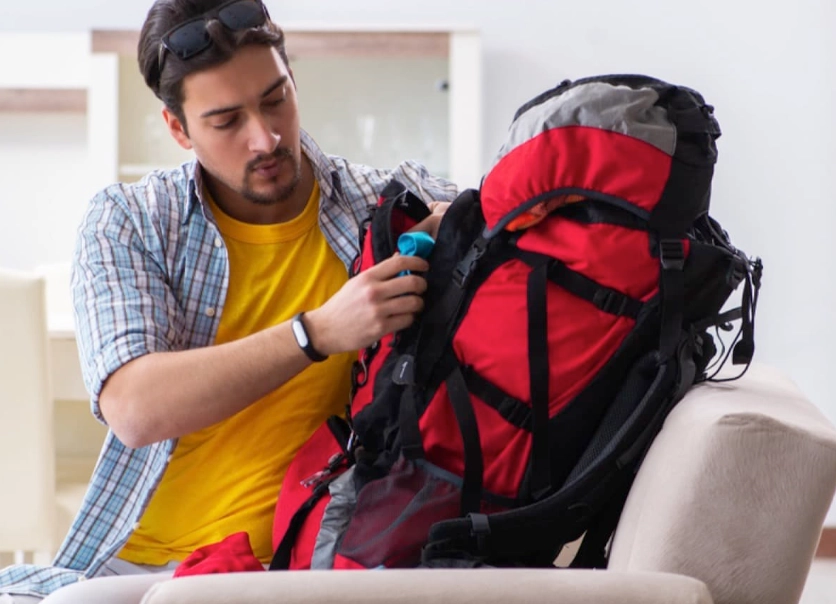
Money Talk: Budgeting for the Real USA
Forget the "$100 a day" blog posts from 2015. America can be expensive, but it doesn't have to bankrupt you. The cost varies wildly between, say, a road trip through Kansas and a week in Manhattan.
Let's break down the main costs for a two-week trip for one person. These are mid-range estimates—you can go cheaper or much, much more expensive.
| Expense Category | Average Cost (Moderate Budget) | Notes & Pain Points |
|---|---|---|
| Accommodation | $120 - $250 / night | This is the killer. Major cities are brutal. Consider suburbs with transit links or trusted vacation rental platforms. Hostels exist but are less common than in Europe. |
| Food & Drink | $50 - $100 / day | You can save by grabbing breakfast from a grocery store. Sit-down meals add up fast with tax (varies by state/city) and tip (20%). A "$15 burger" easily becomes $22. |
| Inter-city Transport | Varies Widely | Domestic flights: $150-$400. Amtrak trains: scenic but often slower and pricier than flying. Buses (Greyhound, Megabus): cheap but time-consuming. |
| Local Transport | $10 - $30 / day | Subway/bus passes, ride-shares (Uber/Lyft), or taxi fares. In walkable cities like NYC or SF, you might spend less. |
| Attractions & Activities | $30 - $80 / day | Museum entry, tour fees, national park passes. Many museums have "pay-what-you-wish" hours—research ahead! |
| Travel Insurance | $50 - $150 (for trip) | NON-NEGOTIABLE. U.S. healthcare is astronomically expensive. A simple ER visit can cost thousands. Get a policy that covers medical emergencies and evacuation. It's the best peace-of-mind money you'll spend. |
The Art of Packing (Less is More)
You will overpack. Everyone does. The goal is to overpack less.
Clothing: Think layers. Weather can shift dramatically, even in a single day. A light jacket, a sweater, and a t-shirt combo is your friend. Comfortable walking shoes are not a suggestion—they are a commandment. You will walk more than you think. For dressier occasions, one versatile outfit is enough.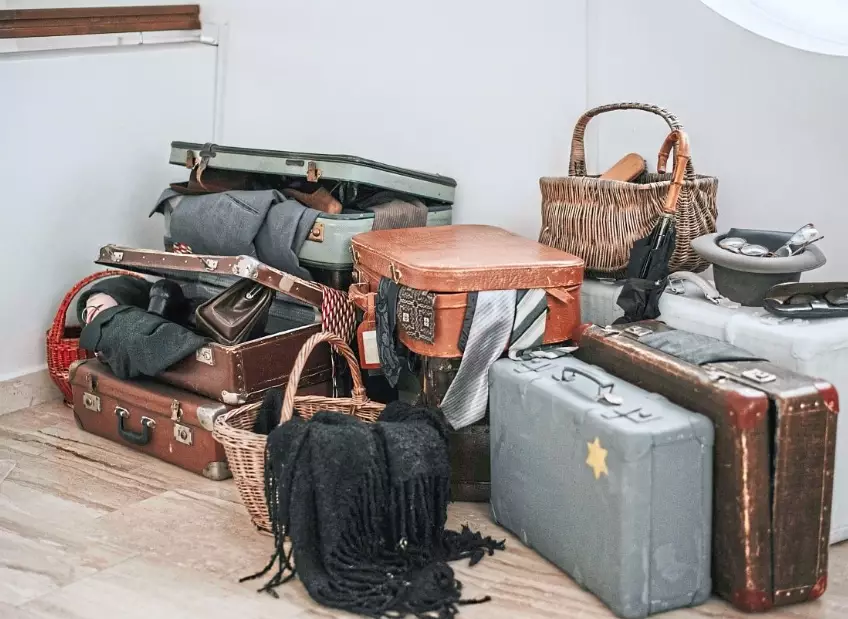
Tech & Adapters: The U.S. uses Type A and B plugs (the flat two-prong kind). Voltage is 120V. If you're coming from Europe or Asia, you'll need an adapter, and possibly a converter for high-wattage devices (like hair dryers). Most phone/laptop chargers are dual-voltage (check the small print). A portable power bank is a lifesaver.
Essential Non-Clothes:
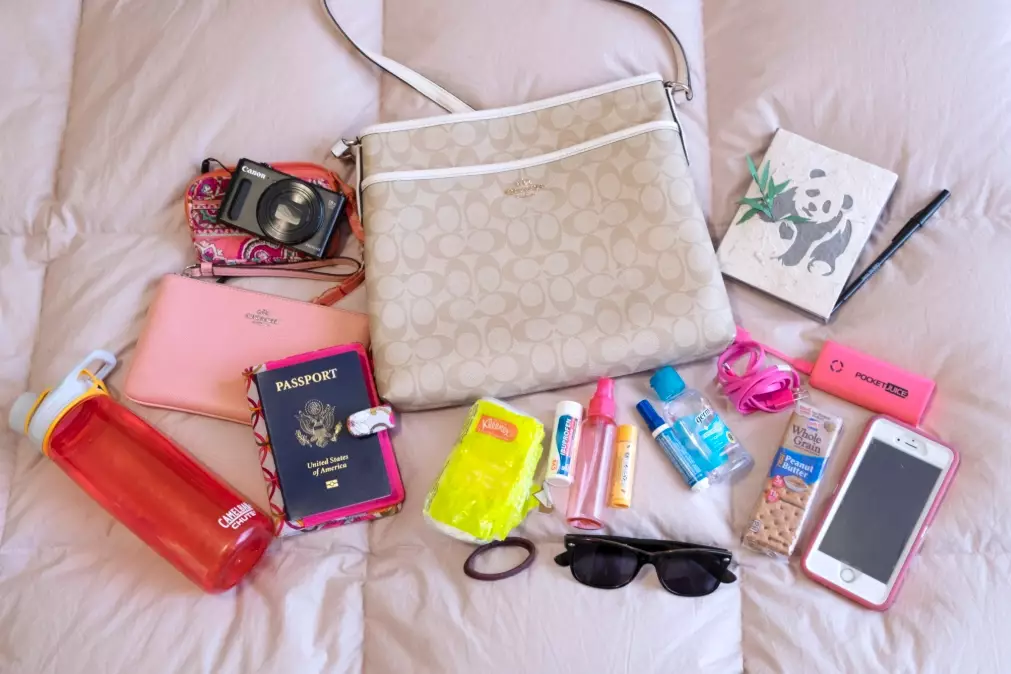
- A copy of your passport/ESTA/visa (separate from the original).
- A debit card with no foreign transaction fees (check with your bank) and a credit card for larger purchases/hotels/car rentals.
- Some U.S. dollars in cash ($200-300 in smaller bills). While cards are king, you'll need cash for tips, small vendors, or places with card minimums.
- Reusable water bottle. Tap water is generally safe to drink, and filling up saves money and plastic.
- Any prescription medications in their original containers, with a copy of the prescription.
Touchdown: Navigating Arrival & Your First 24 Hours
The flight's over. Now the real test begins. This part stresses out even seasoned travelers.
The Immigration & Customs Gauntlet
You'll follow signs to "Arrivals" and "Passport Control." Lines can be long, especially at major hubs like JFK, LAX, or MIA. Have your passport, completed customs declaration form (usually handed out on the plane), and ESTA/visa approval ready.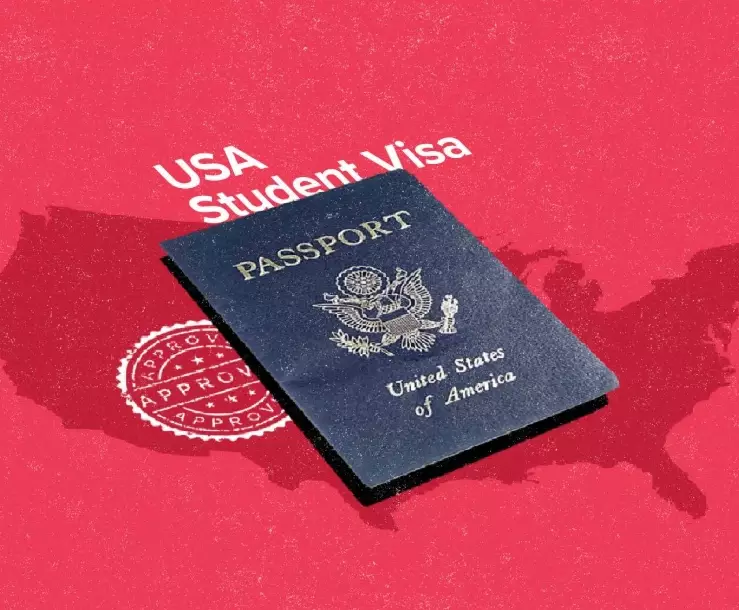
The CBP officer will ask you a few questions. Standard stuff: purpose of visit, where you're staying, how long you're staying, etc. Answer clearly and confidently. "Tourism." "A hotel in Downtown Chicago." "Ten days." They're not trying to trick you; they're assessing risk. Don't joke around. Have proof of your onward/return travel and accommodation details handy on your phone, just in case they ask.
After passport control, you collect your bags and proceed to customs. Hand your declaration form to the officer. They may wave you through or ask to scan your bags. Declare any food, plants, or large sums of cash. The fines for not declaring prohibited items are severe.
Getting Your Bearings: Transport, SIM Cards, Jet Lag
You're through! Now what? The airport arrival hall is a vortex of confusion.
Connectivity First: Before you do anything, get connected. Your phone is your map, translator, and lifeline. Options:
- Airport Wi-Fi: Usually free but slow and time-limited. Good for a quick message.
- International Roaming: Check with your provider. Can be very expensive.
- Local SIM/eSIM: The best option. Companies like T-Mobile, AT&T, and Verizon have kiosks in major airports or stores nearby. An eSIM (digital SIM) is fantastic—you can often buy and activate it online before you even land. Having data immediately helps you call an Uber, check Google Maps, and let people know you arrived safely.
Getting to Your Hotel: Research this BEFORE you land. Is there a convenient airport train or bus? Is a taxi flat rate or metered? Is Uber/Lyft allowed (they often have designated pickup areas)? Knowing your plan eliminates the vulnerable "deer-in-headlights" moment where you get overcharged by the first taxi driver who approaches you.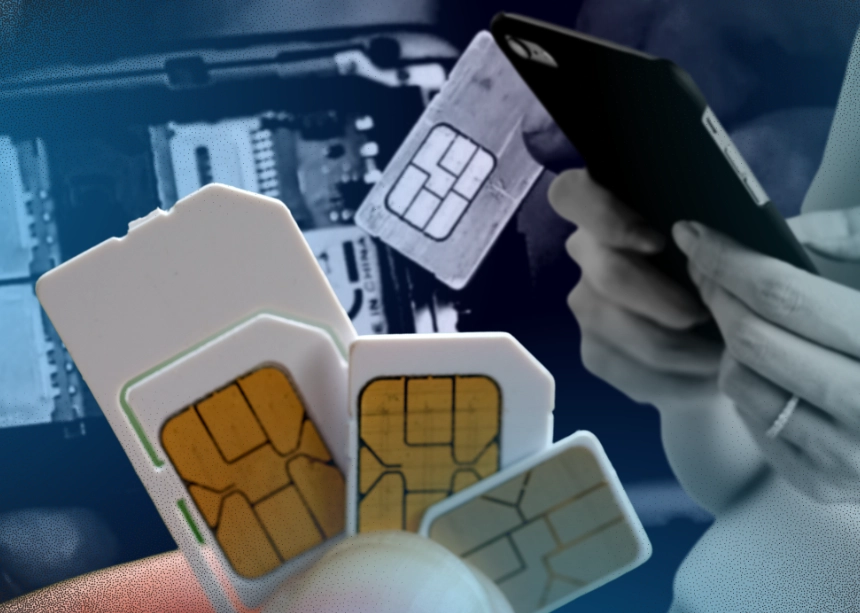
Jet lag is real, especially coming from Europe or Asia. Don't plan anything major for your first afternoon. Check in, take a walk in the sunlight (helps reset your internal clock), stay hydrated, and try to adjust to local meal times. Force yourself to stay awake until a reasonable local bedtime.
Getting Around: The Transport Tangle
America is big. How you get around defines your trip.
To Drive or Not to Drive?
This is the biggest question for many people travelling to America for the first time.
You NEED a car if: You're exploring national parks (Yellowstone, Grand Canyon), doing a road trip (Pacific Coast Highway, Route 66), or visiting smaller towns or regions with poor public transit (most of the South, the Mountain West).
You DO NOT need a car if: You're staying in a major, dense city like New York, Washington D.C., Chicago, San Francisco, or Boston. Parking is a nightmare and expensive, and traffic is stressful. Their public transit and walkability are sufficient.
Public Transit & Ride-Sharing
In cities, the subway (metro) or bus is your best friend. Get a reloadable transit card (like a MetroCard in NYC or a Clipper Card in SF). Google Maps or Apple Maps transit directions are remarkably accurate for most major cities.
Ride-shares (Uber, Lyft) are ubiquitous and often cheaper than taxis for shorter trips. They're fantastic for getting to places not served well by transit, or late at night. Just be aware of "surge pricing" during peak hours or bad weather.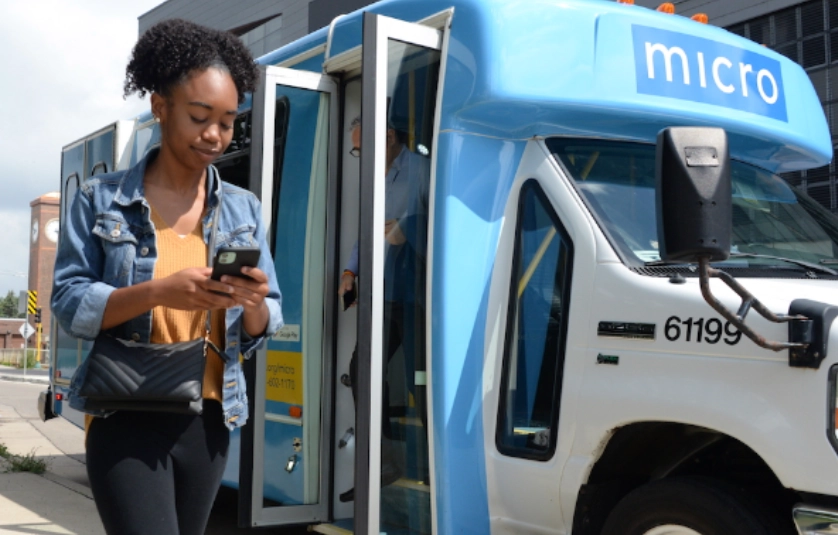
Where to Lay Your Head: Accommodation Choices
Hotels, motels, vacation rentals, hostels—the choice is overwhelming.
- Hotels: Predictable. You know what you're getting. Often have amenities like a gym, breakfast, and 24/7 front desk. Can be pricey in city centers.
- Motels: Classic roadside lodging. Usually cheaper, simpler, with parking right outside your door. Good for road trips. Quality varies wildly—read recent reviews.
- Vacation Rentals (Airbnb, Vrbo): Can offer more space, a kitchen (saving on food costs), and a "live like a local" feel. Be a responsible guest—read the house rules carefully. Watch out for cleaning fees that double the nightly rate.
- Hostels: Best for solo travelers on a tight budget. Less privacy but great for meeting people. Not as widespread as in other parts of the world.
My personal take? For a first trip, a well-located hotel for at least the first few nights reduces stress. You have staff to ask questions, it's easier to get a taxi, and you're not figuring out a strange neighborhood's lockbox at midnight after a long flight.
Staying Safe, Savvy & Sane
Let's talk about the stuff that doesn't make the glossy brochures.
Safety: It's Mostly Common Sense
The U.S. is generally safe for tourists who use their heads. Violent crime against tourists in major tourist areas is rare. Petty crime (pickpocketing, phone snatching) is more common in crowded places.
Basic Rules: Be aware of your surroundings, especially at night. Don't flash expensive jewelry or wave your latest iPhone around carelessly. Keep your wallet in a front pocket. Use the hotel safe for passports and extra cash. If you're driving, don't leave valuables visible in your parked car. Trust your gut—if a street or situation feels off, leave.
For official safety and health advisories, you can always check the U.S. Department of State website for travel info and the Centers for Disease Control and Prevention (CDC) for health-related travel notices.
The Tipping Conundrum
This causes more anxiety for people travelling to America for the first time than almost anything else. Tipping is not optional; it's how service workers make a living wage.
- Restaurants/Bars: 18-20% of the pre-tax bill for good service. Leave it in cash on the table or add it when you pay by card. For counter service (coffee, fast-casual), tipping jars are common—a dollar or your change is nice but not always expected.
- Taxi/Ride-Share: 15-20%. Often you can add a tip via the app after the ride.
- Hotel Housekeeping: $3-$5 per night, left daily (different staff may work each day).
- Bellhops/Porters: $2-$5 per bag.
It feels excessive when you're not used to it. You'll get the hang of it. Just budget for it.
For the Solo Travelers
Travelling to America for the first time alone is an amazing adventure. You have total freedom. A few extra tips:
Choose accommodations with good reviews from other solo travelers. Hostels are great for socializing. Join free walking tours on your first day in a new city—you learn the layout and might meet people. Let someone back home know your rough itinerary. Sit at the bar in restaurants; it's less awkward than a table for one and you can chat with the bartender. Be open, but also maintain healthy skepticism. Most people are friendly and helpful, but it's okay to politely disengage from conversations that make you uncomfortable.
Your Burning Questions, Answered
The Final Word
Travelling to America for the first time is a milestone. It's a vast, complicated, and incredibly rewarding place. The key isn't knowing everything—it's knowing the important things so you can handle the surprises with a bit of grace.
Get your documents sorted, buy good insurance, budget realistically, pack comfy shoes, and embrace the chaos. Be patient, be polite, and be curious. Don't be afraid to ask for help—most Americans are genuinely happy to assist a visitor.
You'll make mistakes. You'll probably get overcharged for something. You'll definitely get lost at least once. That's all part of the story you'll tell later. The goal of this guide is to minimize the stressful mistakes and maximize the fun, awe-inspiring, "I can't believe I'm here" moments.
Now go book that trip. You've got this.



Comments
Leave a Comment