Let's cut to the chase. Ask any travel data analyst, hotel owner in Orlando, or ranger at Yellowstone, and they'll give you the same answer: summer is the most popular season in America. It's not a close contest. From late May through early September, the entire country seems to shift into vacation mode. But slapping a simple "summer" label on it misses the whole story. The real question isn't just *what* the most popular season is, but *why* it holds that crown, and more importantly, whether riding that wave is the right choice for your trip.
I've planned trips across the U.S. for over a decade, and I've seen the good, the bad, and the unbearably crowded. The allure of summer is obvious—long days, predictable weather, and everything is open. But popularity comes at a cost: inflated prices, booked-out hotels, and traffic jams on scenic park roads. Understanding the rhythm of America's seasons is the key to unlocking a better trip, whether you join the summer frenzy or find magic in the quieter months.
What You'll Find in This Guide
Why Summer is the Undisputed Champion
The dominance of summer isn't an accident. It's a perfect storm of cultural, practical, and meteorological factors.
The School Calendar Dictates Everything. This is the biggest driver, full stop. When K-12 schools and universities let out, millions of families suddenly have a 2-3 month window to travel. Major attractions, from the Smithsonian museums in Washington D.C. to the rides at Disney World, design their entire annual strategy around this surge. You're not just competing with other tourists; you're competing with a built-in national rhythm.
Weather You Can Count On. For most of the country, summer means warmth and minimal rain interference. You can reliably plan a beach trip to California's Coast, a hiking trip in the Rockies, or a city tour of Chicago without a high risk of your plans being washed out or frozen over. This predictability is a massive selling point for international visitors planning a once-in-a-lifetime trip.
Everything is Open and in Full Swing. Summer is when America puts on its show. National parks run all their visitor programs. Coastal towns host nightly festivals. Baseball stadiums are packed. Historical sites extend their hours. There's a palpable energy—a sense that this is when things are *happening*.
A Quick Reality Check: The "perfect" summer weather has a downside. In places like the Southwest (Arizona, Nevada, Utah), summer means extreme, even dangerous heat. Hiking in Zion National Park in July can be hazardous, with temperatures regularly exceeding 100°F (38°C). Meanwhile, the Southeast and Florida are not just hot but oppressively humid, with frequent afternoon thunderstorms. That picture-perfect summer day isn't guaranteed everywhere.
Looking Beyond the National Average: A Regional Breakdown
Calling summer America's most popular season is like saying pizza is America's favorite food—true, but it ignores wild regional preferences. Let's break it down.
The Northeast & Mid-Atlantic: A Summer Love Affair
This region fully embraces summer. Cities like New York, Boston, and Philadelphia come alive with outdoor concerts, rooftop bars, and street fairs. The beaches of the Jersey Shore, Cape Cod, and the Hamptons become the epicenter of social life. The humidity can be thick, but the energy is undeniable. Fall is a strong contender here for beauty, but for pure visitor volume, summer wins.
The South: A Double-Peak Season
Here's a nuance many miss. While summer is busy in the South, the extreme heat and humidity push the true "peak" for comfortable tourism into the spring (March-May) and fall (September-November). Think of cities like Charleston, Savannah, or Nashville. Summer is popular, but the savvy traveler knows the sweet spot is the shoulder season. Winter is also huge in Florida, but for a different crowd (snowbirds and holiday travelers), making the South's popularity more evenly spread.
The West & Mountain States: Pure Summer Playground
This is where summer's popularity is most absolute. In places like Montana, Wyoming, Colorado, and the Pacific Northwest, summer is the only season where all high-altitude roads (like Going-to-the-Sun Road in Glacier National Park) are open and all trails are snow-free. National parks like Yellowstone, Yosemite, and Grand Teton see astronomical visitor numbers from June to August. Local economies are built around these three months.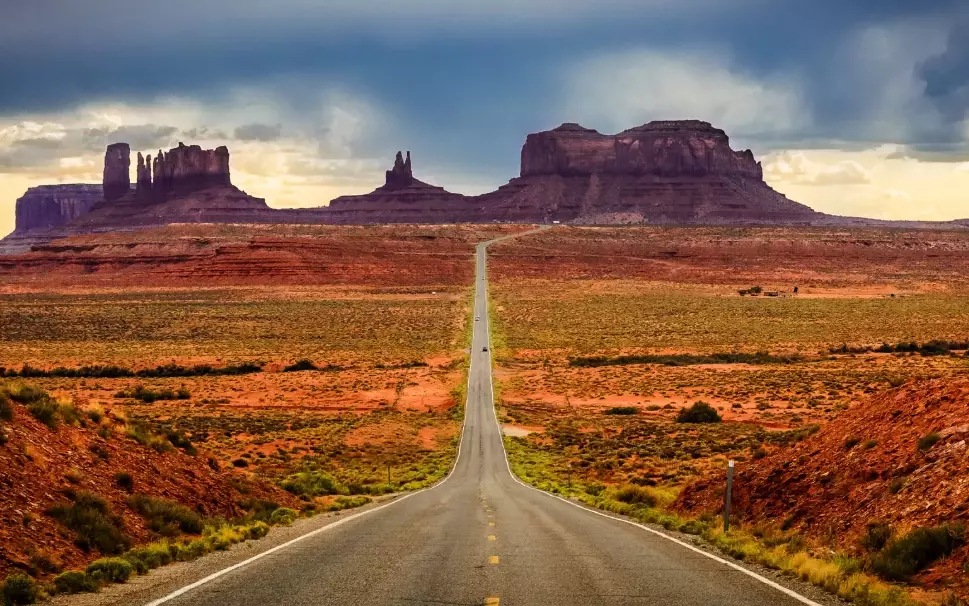
The Southwest: The Inverse Season
This region flips the script. Summer in the desert (Phoenix, Las Vegas, Palm Springs) is the low season. It's too hot. The popular season shifts dramatically to winter and spring, when temperatures are mild and perfect for hiking in the Grand Canyon or exploring Sedona's red rocks. Calling summer popular here would be completely inaccurate.
| Region | Most Popular Season | Key Driver & Sample Destination | Biggest Drawback of Peak Season |
|---|---|---|---|
| Northeast / Mid-Atlantic | Summer (Jun-Aug) | Urban festivals, beach culture. New York City, Cape Cod | High humidity, premium prices, crowded beaches. |
| The South | Spring & Fall (Mar-May, Sep-Nov) | Pleasant weather for city/outdoor trips. Charleston, Great Smoky Mountains | Summer is very hot/humid; spring can be unpredictable. |
| West & Mountains | Summer (Jun-Aug) | Access to high-altitude parks/trails. Yellowstone, Rocky Mountain NP | Overcrowding in parks, limited accommodation, wildfire smoke risk. |
| Southwest Deserts | Winter & Spring (Nov-Apr) | Mild hiking weather. Grand Canyon, Sedona, Phoenix | Cooler nights, higher prices vs. summer. |
| Florida | Winter (Dec-Apr) | Escape cold northern winters. Orlando, Miami, Keys | Highest prices of the year, booked far in advance. |
Where Other Seasons Steal the Show
If you're not tied to a school schedule, other seasons offer experiences that summer simply can't match—often with better prices and fewer people.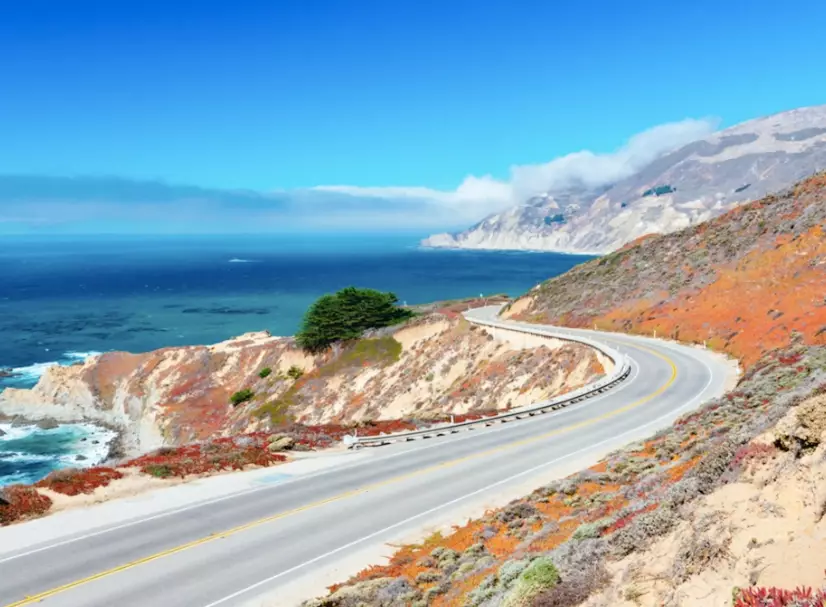
Fall (September - November): This is my personal favorite for travel. The heat breaks, crowds thin, and nature puts on a spectacular show. New England's foliage is world-famous, but the cascade of color stretches down the Appalachians to the Smokies. It's also festival season (Oktoberfest anyone?) and a great time for wine country visits during the harvest. A drive along Virginia's Blue Ridge Parkway in October, with the windows down and the hills on fire with color, is a quieter, more profound experience than any summer trip.
Winter (December - February): Beyond the obvious holiday magic in New York or a warm-escape to Florida, winter owns specific niches. It's the only season for skiing and snowboarding in the Rockies, Sierras, and New England. Places like Aspen, Lake Tahoe, and Park City become the most popular destinations in the country for a specific crowd. The desert Southwest also hits its stride. I once had the South Rim of the Grand Canyon nearly to myself on a crisp, sunny December morning—a surreal contrast to the summer shuttle bus queues.
Spring (March - May): Spring is the season of renewal and a fantastic shoulder season. Wildflowers bloom in California's deserts and Texas hill country. The South is at its most beautiful and comfortable before the summer humidity sets in. Washington D.C.'s National Cherry Blossom Festival creates a unique, if busy, peak in late March. It's a gamble with weather (spring rains are common), but the rewards are lower prices and the joy of seeing landscapes wake up.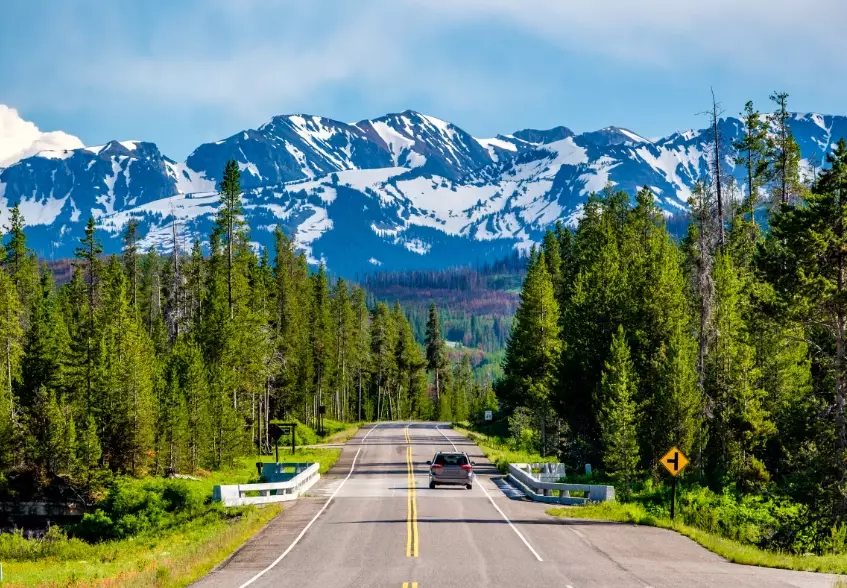
How to Plan Your Trip Around America's Seasons
So, how do you use this information? Don't just pick a season; match the season to your trip goal.
Goal: Classic National Park Adventure.
Best Season: Late Spring (May/June) or Early Fall (September). You get most of the summer access with half the people. Avoid July and August in iconic parks like Yosemite or Zion if you value solitude.
Expert Tip: Book lodging inside the park a year in advance for summer. If you can't, stay in a less-famous gateway town and commit to very early starts to beat the day-tripper crowds.
Goal: Major City Culture & Sightseeing.
Best Season: Fall or Spring. The weather is pleasant for walking, and you avoid the peak summer tourist throngs and the winter chill.
Expert Tip: Cities are year-round destinations. A winter trip to Chicago or Boston can be fantastic—museums are empty, theater tickets are easier to get, and you can truly experience the city like a local, albeit a bundled-up one.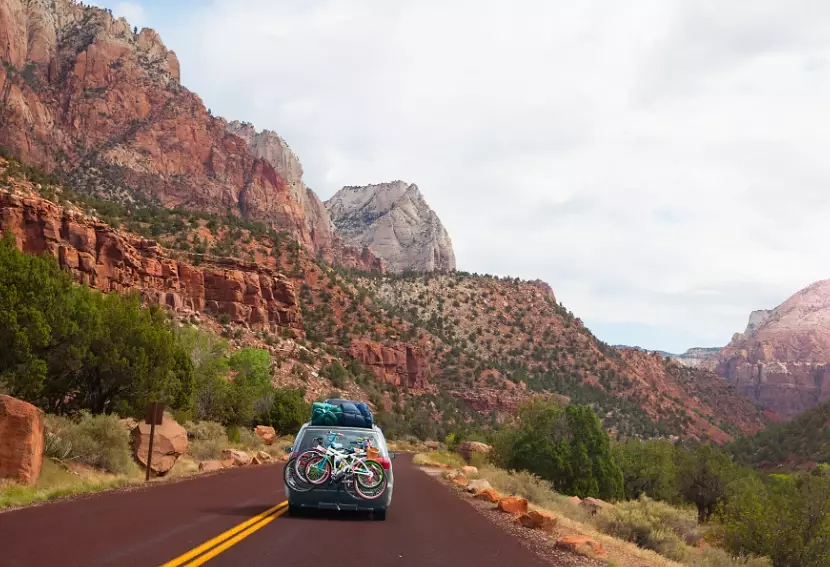
Goal: Beach & Coastal Relaxation.
Best Season: Summer for northern coasts (New England, Pacific Northwest), Late Spring/Early Fall for southern coasts (California, Carolinas).
Expert Tip: For East Coast beaches, the water warms up late. August and September often have the warmest ocean temperatures, not June.
Goal: Scenic Road Trips.
Best Season: Depends entirely on the route. Fall for New England or the Blue Ridge Parkway. Summer for mountain circuits (Pacific Coast Highway is great year-round, but summer is foggy in NorCal).
Expert Tip: Always check for seasonal road closures, especially in mountain passes. A dream route like the Beartooth Highway (MT/WY) is only open from roughly Memorial Day to mid-October.
Your Season-by-Season Travel Questions Answered
The bottom line? Summer is the most popular season in America by the numbers, driven by school schedules and generally agreeable weather. But popularity isn't the same as perfection. By understanding the regional nuances and the unique strengths of fall, winter, and spring, you can plan a trip that aligns with your personal travel style—whether that's joining the vibrant summer energy or discovering a quieter, more intimate side of America.




Comments
Leave a Comment