Jump to Key Sections
Let's be honest. When someone says "national park," your mind probably jumps to the Grand Canyon, Yosemite's granite cliffs, or Yellowstone's geysers. Vast, remote, iconic landscapes that demand a pilgrimage. Cuyahoga Valley National Park is none of those things, and that's precisely what makes it so special. It's a park you can have a relationship with, not just visit.
Think of it as a 33,000-acre green ribbon stitched between the urban fabrics of Cleveland and Akron. It's a park of recovery, where a river once so polluted it caught fire now supports life. It's a park of gentle beauty—rolling hills, deep forests, and charming waterfalls you can practically have to yourself on a weekday. It doesn't overwhelm you with grandeur; it invites you in with accessibility. You can hike a trail in the morning and be at a world-class museum or a brewery for lunch. That's the unique magic of Cuyahoga Valley National Park.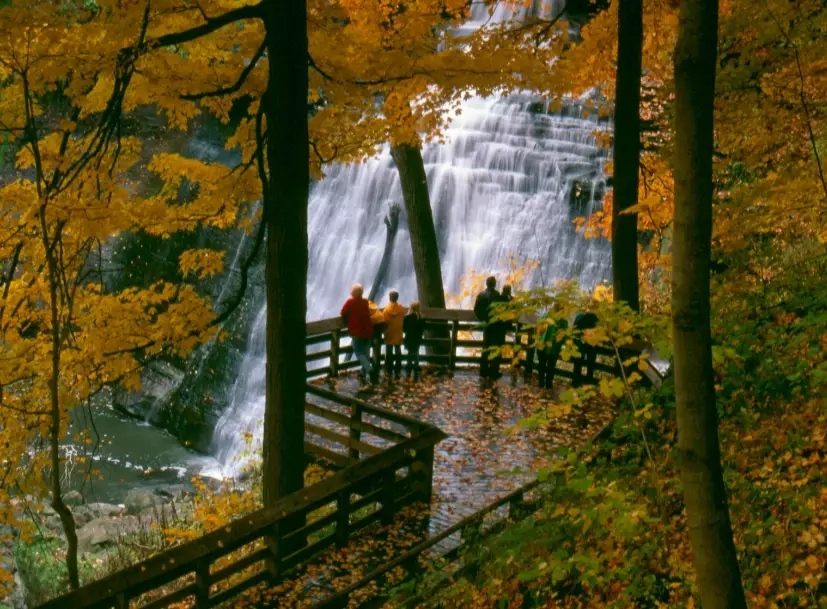
I've been going there for years, sometimes for a full weekend of camping, sometimes just for a two-hour trail run to clear my head. It's that flexible. This guide isn't just a list of facts. It's the culmination of those experiences, meant to answer every question you might have, from "Is it worth it?" to "Where do I even start?"
So, What Exactly Is There to Do in Cuyahoga Valley?
If you're expecting dramatic, heart-stopping vistas around every corner, you might initially be underwhelmed. The beauty here is subtler. It's in the way the morning fog settles in the valley, the sound of Brandywine Falls after a spring rain, and the nostalgic whistle of the Cuyahoga Valley Scenic Railroad cutting through the trees. The activities reflect that. This is a park for doing, for moving through the landscape.
Hiking: The Heart of the Experience
With over 125 miles of trails, hiking is the main event. The trails range from paved, wheelchair-accessible paths to rooty, challenging climbs. You don't need to be an expert. You just need shoes you don't mind getting muddy.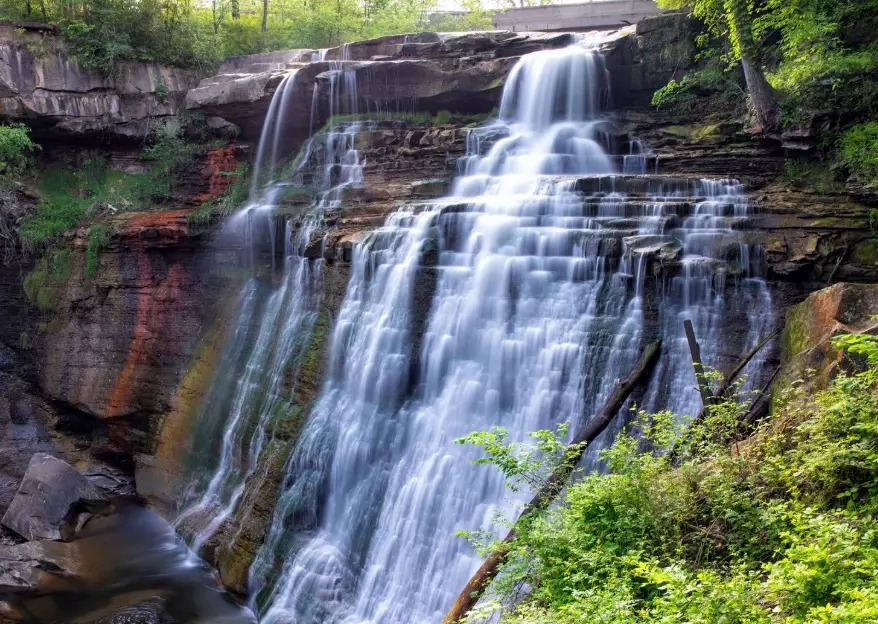
My personal can't-miss list looks something like this:
- The Ledges Trail: This is the park's signature hike for a reason. A 2.2-mile loop takes you through a cool, mossy hemlock forest and out onto massive sandstone cliffs—the "ledges." The view over the valley from the overlook is the closest thing to a classic park vista you'll get here. Go at sunset. Trust me.
- Brandywine Gorge Trail: A straightforward 1.5-mile loop that gets you up close to the park's most famous waterfall, 65-foot Brandywine Falls. The upper boardwalk gives you the postcard view, but the lower section lets you feel the spray. It's often crowded on weekends, so aim for an early start.
- The Towpath Trail: This is the park's spine. Following the historic route of the Ohio & Erie Canal, it's mostly flat, crushed limestone, and runs for about 20 miles within the park boundaries (over 80 miles total!). It's perfect for biking, running, walking the dog, or just a leisurely stroll. You'll pass historic locks, wetlands, and maybe even a beaver. Access points are everywhere.
But here's a tip most guides don't mention.
The less famous trails are where you find solitude. The Stanford Trail to Brandywine Falls is longer and quieter than the main gorge loop. The trails around the Plateau Picnic Area feel wonderfully remote, even though you're not far from a road.
The Scenic Railroad: A Ride, Not Just Transport
The Cuyahoga Valley Scenic Railroad isn't just a gimmick. It's a functional, historic train that runs through the heart of the park. You can use it for one-way hiking/biking trips (a brilliant system—bike one way on the Towpath, take the train back), or just take a scenic round-trip to relax.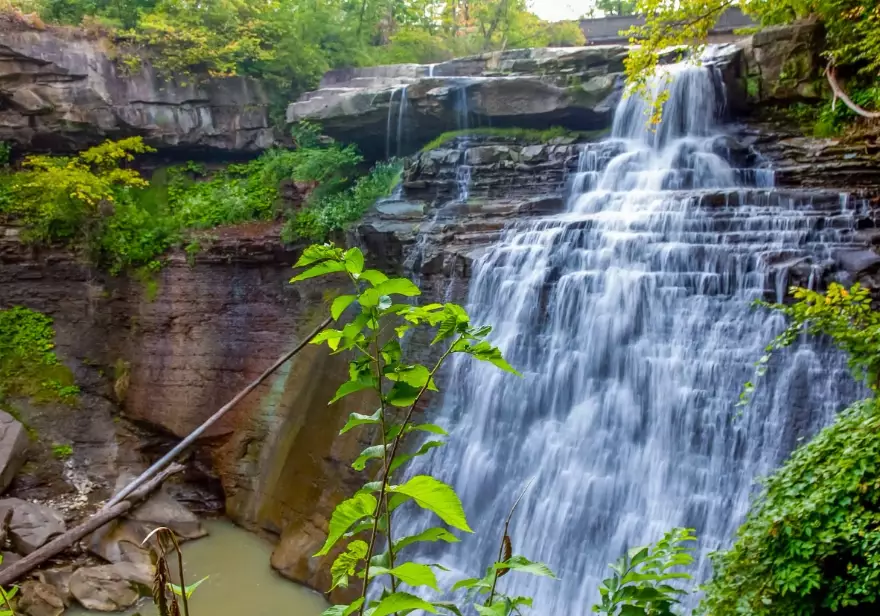
The "Ride & Hike" or "Bike Aboard!" tickets are a steal. You hop on at one station, get off at another, explore, and catch a later train back. It takes all the logistics out of a point-to-point adventure. Sitting in a vintage railcar, watching the river and trails slide by, is a uniquely relaxing way to see the park. It's especially magical during fall foliage season.
Waterfalls, Farms, and History
Beyond the big names, the park is dotted with smaller gems. Blue Hen Falls is a petite, charming waterfall a short walk from the road. Buttermilk Falls requires a bit more of a hike but feels more secluded.
The park also protects a working historical landscape. The Century Farm at Hale Farm & Village (operated by the Western Reserve Historical Society) offers a glimpse into 19th-century life. The Everett Road Covered Bridge is a picturesque spot for photos. These elements remind you that this valley has been a home and workplace for generations, long before it was a national park.
Planning Your Visit: The Nitty-Gritty Details
Okay, you're sold on the idea. Now, how do you actually do it? Here’s where most generic articles stop being useful. Let's get specific.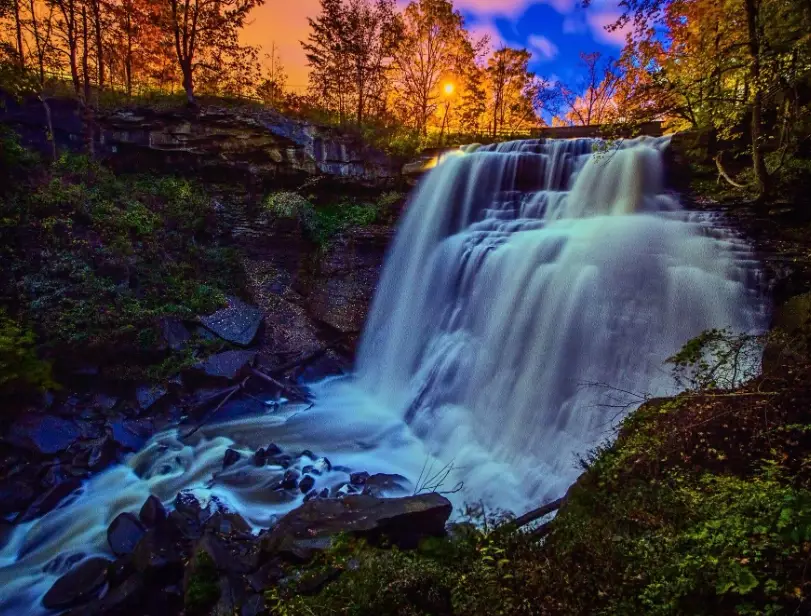
Best Time to Visit
This isn't a one-answer question. It depends entirely on what you want.
- Spring (April-May): The waterfalls are roaring from snowmelt and rain. Wildflowers start popping up. It can be muddy and buggy, but the green is incredibly vibrant.
- Summer (June-August): Lush, green, and busy. Weekends at Brandywine Falls and the Ledges can feel crowded. The Towpath is buzzing with cyclists. Early mornings and weekdays are your friend. Heat and humidity can be high.
- Fall (September-October): The undisputed champion. The foliage is spectacular, painting the valley in reds, oranges, and yellows. This is also the park's busiest time. If you can only go once, go in fall. But book accommodations early.
- Winter (November-March): A hidden secret. The crowds vanish. Snow on the ledges and frozen waterfalls are stunning. The Towpath is often plowed or packed for winter walking. It's quiet, stark, and beautiful. Just dress warmly.
How to Get Around and Where to Stay
A car is pretty much essential. The park is long and narrow, and trailheads are spread out. There's no single "park entrance" with a gate. You just drive into the valley on various roads (like Riverview Road or Akron-Peninsula Road) and look for parking lots.
Lodging inside the park is limited to the Inn at Brandywine Falls (a charming B&B right by the falls) and camping at the Stanford House (a historic hostel-style bunkhouse—check availability on the Conservancy for Cuyahoga Valley National Park website).
Most visitors stay in surrounding towns. Peninsula is a cute village right in the middle of the park with a couple of inns and restaurants. Hudson and Chagrin Falls are charming suburbs with more upscale options. Cleveland and Akron offer all the standard hotel chains and are only 20-30 minutes away.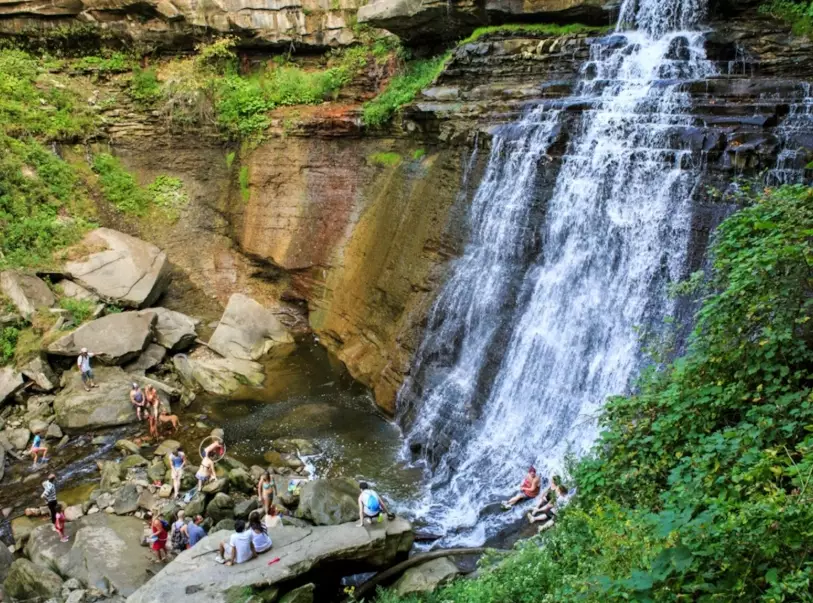
What to Pack (Beyond the Obvious)
Good hiking shoes or boots—trails can be muddy and rooty. A refillable water bottle (there are fill stations at major visitor centers). Bug spray (especially in spring and summer). A physical map or downloaded offline maps (cell service is spotty in the valleys). Layers of clothing—the weather can change quickly. And if you're biking, your own bike is best, though there are a few rental options in Peninsula.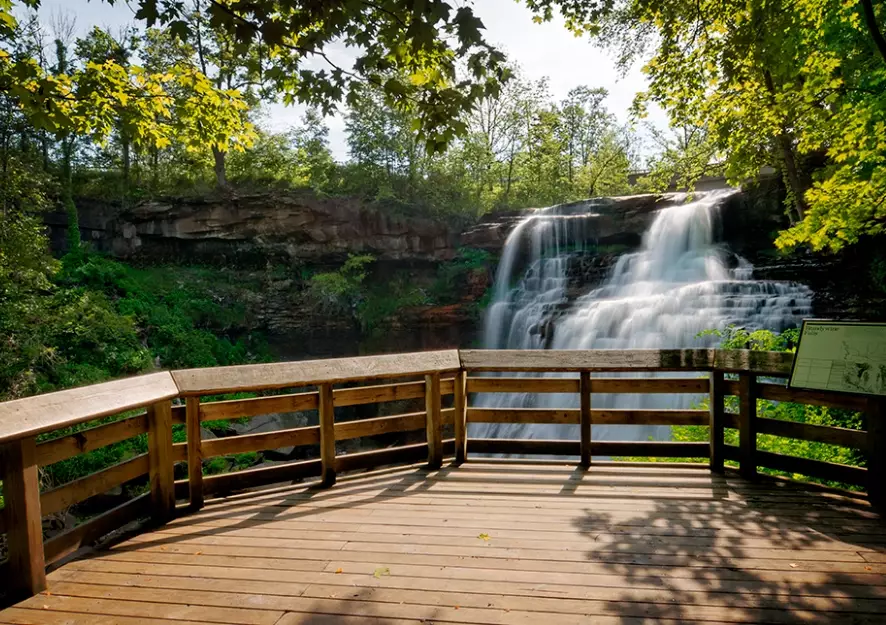
A Quick-Reference Table: Top Hikes at a Glance
To help you decide where to start, here's a breakdown of some of the best trails. This isn't an exhaustive list, but it covers the highlights for different types of visitors.
| Trail Name | Distance & Difficulty | Key Feature | Best For |
|---|---|---|---|
| The Ledges Trail | 2.2 miles, Loop, Moderate | Sandstone cliffs, forest, valley overlook | First-time visitors, photographers, sunset views |
| Brandywine Gorge Trail | 1.5 miles, Loop, Easy-Moderate | Brandywine Falls (65 ft), boardwalks, gorge | Families, waterfall seekers, a quick iconic stop |
| Towpath Trail (any section) | Varies (20+ miles in park), Flat, Easy | Historic canal, river views, wildlife, biking | Biking, running, strollers, wheelchairs, easy walks |
| Stanford Trail to Brandywine Falls | 3 miles, One-Way, Moderate | Quiet forest hike ending at the falls | Avoiding crowds, a longer approach to the falls |
| Blue Hen Falls Trail | 0.5 miles, Out & Back, Easy | Small, picturesque waterfall | A very short, rewarding walk, kids |
| Plateau Trail Loop | 4.5 miles, Loop, Moderate | Secluded forest, rolling terrain, peace & quiet | Solitude, trail running, feeling "away from it all" |
Answering Your Burning Questions (The FAQ You Actually Need)
It depends on your expectations. If you're on a cross-country road trip to hit all the major icons, it might feel like a detour. But if you're within a few hours' drive, or looking for a long weekend getaway that combines nature with city comforts, it's absolutely worth it. Its accessibility is its superpower. You can have a genuine national park experience without the cross-country flight or week-long commitment.
You can hit the highlights (Ledges, Brandywine Falls, a Towpath bike ride) in one very full day. I'd recommend two days to breathe. Day one for the big hikes, day two for the train, a visit to a farm, or exploring a quieter trail. Three days lets you really relax and explore the surrounding towns.
Not like Yellowstone or the Smokies. But popular spots (Brandywine Falls parking lot, the Ledges overlook) on a sunny Saturday in October will be full. The secret is that 95% of visitors stick to 5% of the park. Walk half a mile down any trail beyond the main attraction, and you'll likely be alone. Go on a weekday. Go in the winter. Start early.
No bears. No mountain lions. The most dangerous animal you're likely to encounter is a tick (so do tick checks) or a confused deer. It's incredibly safe from a wildlife perspective.
No! This is a huge plus. Cuyahoga Valley National Park has no entrance fee. It's free to visit, hike, and explore. Some specific activities, like the scenic railroad or events at Hale Farm, have their own fees, but simply entering the park costs nothing. (Donations to the National Park Service or the local Conservancy are always appreciated, though).
The Bottom Line: Who Will Love This Park?
Cuyahoga Valley National Park won't be for everyone. The hardcore backpacker seeking wilderness solitude might find it too tame and too close to roads. The Instagrammer looking only for epic, wide-angle landscapes might not find the shot they crave.
But it will be a perfect fit for:
- Families with kids of all ages. The hikes are manageable, the Towpath is stroller-friendly, and the train ride is a hit.
- Weekend warriors from the Midwest looking for a quick nature fix without a long drive.
- History buffs interested in the story of the canal and the region's industrial past and environmental recovery.
- Bikers and trail runners who want miles of car-free, scenic paths.
- Anyone who wants to pair a day in nature with a night in the city—catch a Cleveland Guardians game or explore the Akron Art Museum.
In the end, visiting Cuyahoga Valley National Park is an exercise in appreciating a different kind of beauty. It's the beauty of a river reborn, of a forest reclaiming its space, and of a natural oasis thriving in the backyard of millions. It proves that national park-worthy landscapes aren't just out west. They're sometimes right in our backyards, waiting to be walked, biked, and simply enjoyed.
So pack your bags, maybe leave the heavy hiking boots behind in favor of comfortable trail shoes, and go see what this unique, welcoming park is all about. You might just find your new favorite escape.



Comments
Leave a Comment