Essential Guide
- Getting Your Head Around the Park: It's Bigger Than You Think
- Before You Go: The Non-Negotiable Prep Work
- The Must-See Sights & How to Prioritize Them
- Hiking in Hawaii Volcanoes National Park: Trails for Every Level
- The Volcanic Reality: Safety, Vog, and Etiquette
- Answering Your Big Questions (The FAQ Section)
- Final Thoughts: Embracing the Unpredictability
Let's be honest. When you think of Hawaii, you picture perfect beaches and fruity drinks with little umbrellas, right? I did too. Then I went to Hawaii Volcanoes National Park, and it completely rewired my brain. This isn't just another pretty park. It's a raw, powerful, and humbling place where the Earth is literally being born and reshaped right in front of you. The smell of sulfur, the crunch of ancient lava under your boots, the sheer silence of a vast lava field at sunset—it's an experience that sticks with you.
But here's the thing. Planning a trip here can feel overwhelming. It's not like showing up at a beach. You need to know what you're doing. Where do you even start? What's safe? What's worth your time, especially if you only have a day or two? I've made my share of mistakes (like wearing the wrong shoes and nearly missing a key eruption viewing because I didn't check the right website), so you don't have to.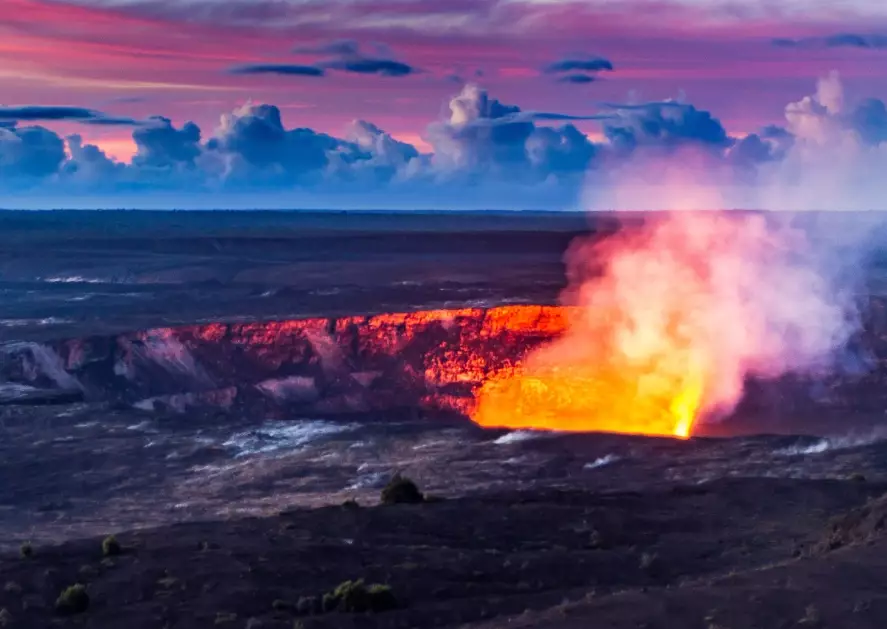
This guide is everything I wish I'd known. We're going to move beyond the basic brochure stuff and talk about how to actually experience this incredible place.
Getting Your Head Around the Park: It's Bigger Than You Think
First, let's get oriented. Hawaii Volcanoes National Park is massive. It sprawls over 323,431 acres from sea level to the summit of Mauna Loa at 13,679 feet. That's a huge range in climate and landscape. You can be in a dripping rainforest in the morning and a barren, Mars-like desert by afternoon.
The park is essentially built around two active volcanoes: Kīlauea, one of the most active on Earth, and the massive Mauna Loa, the largest volcano on the planet by volume. Kīlauea is the star of the show for most visitors because its activity is more accessible (relatively speaking). Mauna Loa is a beast for serious backpackers.
The main entrance is on the Hilo side of the Big Island, about a 45-minute drive from Hilo town and a 2.5-hour drive from the Kona resort areas. That drive time from Kona is no joke, so plan accordingly.
Before You Go: The Non-Negotiable Prep Work
You can't just wing it here. A little prep makes the difference between an epic trip and a frustrating one.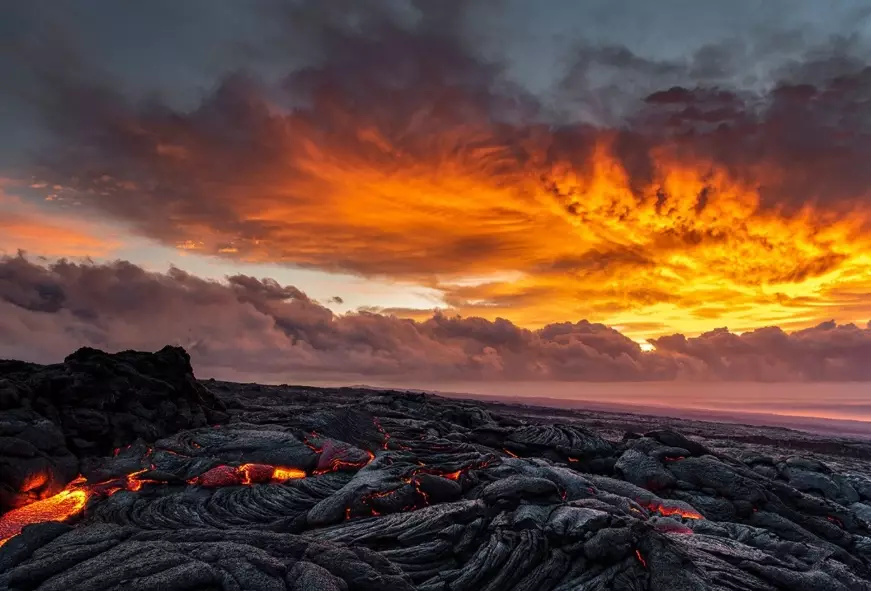
What to Pack (The Real List)
Forget the cute beach bag. You need a daypack.
- Sturdy, broken-in hiking shoes: This is the most important item. The lava rock is sharp, jagged, and unforgiving. Sandals or flimsy sneakers are a one-way ticket to twisted ankles or cuts. I learned this the hard way on my first short hike.
- Layers, layers, layers: A t-shirt, a long-sleeve layer, and a windproof/water-resistant jacket. The summit of Kīlauea can be 20-30 degrees Fahrenheit cooler than the coast, and it's often wet and windy.
- Water and snacks: More water than you think you'll need. There are limited services inside the park. Throw in some high-energy snacks like nuts and bars.
- Headlamp or flashlight: Essential if you're planning to stay for sunset or do any night viewing. It gets dark.
- A good rain jacket: Not a poncho. A proper jacket. The rain can come sideways.
Timing Your Visit: When to Go and For How Long
Is there a best time? Sort of.
The park is open 24 hours a day, every day of the year. The crowds are generally thinner in the shoulder seasons (April-May and September-October). Summer and holidays are busiest.
But here's a more useful way to think about it:
- Sunrise: Crowds are minimal, the light is magical for photography, and you might have popular spots to yourself. But it's cold and you have to get up very early.
- Daytime: Good for hitting all the major overlooks and visitor centers. This is when you'll get the full interpretive experience with rangers around.
- Sunset & Night: My personal favorite. Seeing the glow from Halemaʻumaʻu crater after dark is unforgettable. The star viewing, on a clear night, is astronomical (pun intended). This is also when any surface lava glow is most visible.
How many days do you need? At a bare minimum, one full day. To truly appreciate it without feeling like you're on a forced march, two days is the sweet spot.
The Must-See Sights & How to Prioritize Them
If you're short on time, here's how to tackle the highlights. Think of the park's main road, Crater Rim Drive, as a big loop. Many of the key sights are on or just off this loop.
Top of the List: The Kīlauea Overlooks
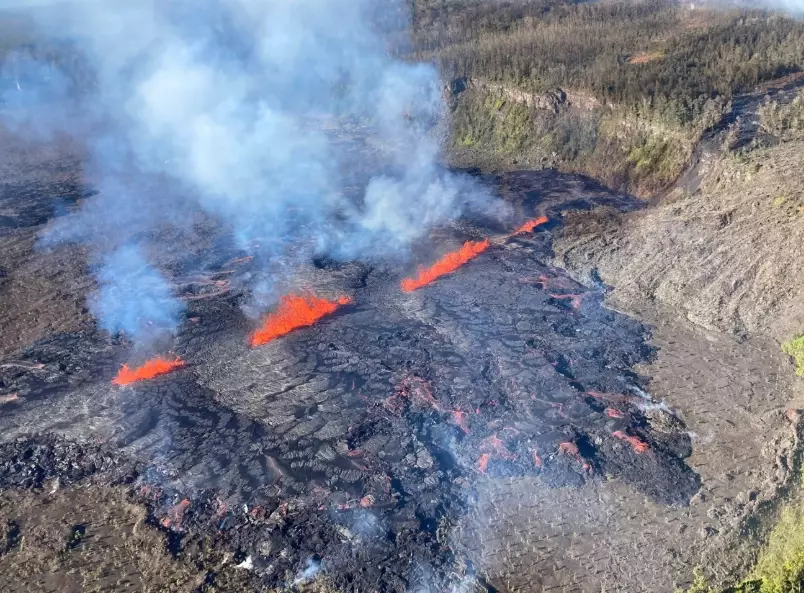
Start at the Kīlauea Overlook near the visitor center. This is your first real “wow” moment, looking into the vast Halemaʻumaʻu crater. The scale is hard to grasp until you're there. The crater has gone through dramatic changes in recent years with massive collapses, lava lake appearances, and eruptions. The view you see today might be different from a photo from last year.
Uēkahuna Bluff (formerly the Jaggar Museum area) is currently one of the best spots for viewing the crater, especially at night if there's a lava lake or eruption glow. The museum itself is closed, but the overlook remains.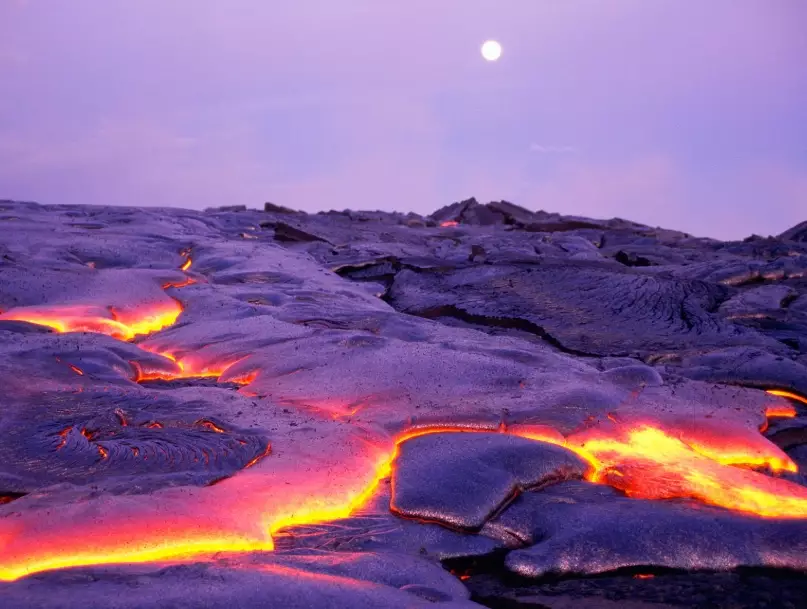
Walk Through a Lava Tube: Nāhuku (Thurston Lava Tube)
This is super popular for a reason. It's a 500-year-old lava tube you can walk right through. It's like a natural subway tunnel formed by flowing lava. It's a short, easy walk down through a beautiful rainforest to get to it. Gets very crowded midday—go early or late.
A quick note: It's damp and dim inside. The lights are sometimes off to protect native bats, so have that flashlight ready!
Drive the Chain of Craters Road
This is not optional. This road descends 3,700 feet over 19 miles from the crater's edge all the way down to the coast. The landscape transformation is mind-blowing. You start in forest, move through fields of old pāhoehoe lava (the smooth, ropy kind), past numerous pit craters, and end at a dramatic sea cliff where lava once poured into the ocean.
The road ends at the Hōlei Sea Arch. Take the short walk to the overlook. The arch is stunning, carved by relentless waves. Look at the cliffs—each layer is a different lava flow from a different eruption. You're looking at a timeline of the island's growth.
Hiking in Hawaii Volcanoes National Park: Trails for Every Level
This is where the park gets real. You have to get out of the car. I've rated these based on my own experience and talking to rangers.
| Trail Name | Distance & Time | Difficulty | What You'll See & Why It's Worth It |
|---|---|---|---|
| Kīlauea Iki Trail | 4 miles loop, 2-3 hours | Moderate | The superstar hike. You descend through lush rainforest into a solidified lava lake that erupted in 1959. Walking across the crater floor, past steam vents, is surreal. The contrast is everything. |
| Devastation Trail | 1 mile round trip, 30 min | Easy | Paved, accessible trail through a cinder field from the 1959 eruption. It's a stark, moon-like landscape that shows the raw power of an eruption. Great for families or if you're short on time. |
| Puʻu Loa Petroglyphs Trail | 1.4 miles round trip, 1.5 hours | Easy | At the end of Chain of Craters Road. A boardwalk takes you to one of the largest petroglyph fields in Hawaii. Over 23,000 carvings. It's a deeply spiritual and historical site. Be respectful—stay on the boardwalk. |
| Mauna Loa Summit Trail | Over 12 miles one-way, multi-day | Strenuous/Expert | This is a major commitment. High altitude, extreme weather shifts, and remote terrain. For serious backpackers with permits only. The views are from the top of the world. |
My personal favorite is the Kīlauea Iki trail. Doing it early in the morning, with mist in the rainforest and the sun hitting the crater floor, is one of my top hiking memories anywhere. Just bring water—that crater floor gets hot with no shade.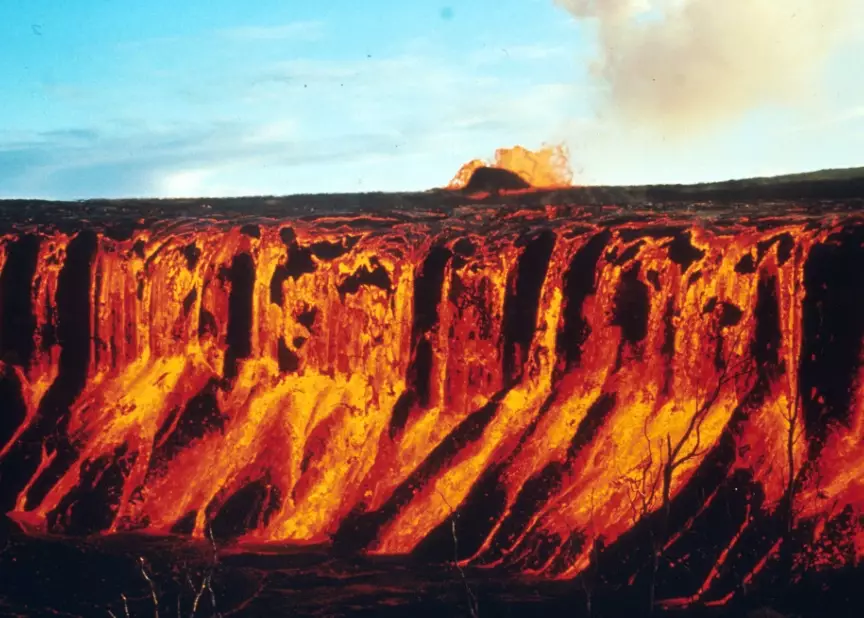
The Volcanic Reality: Safety, Vog, and Etiquette
This is the part most guides gloss over, but it's critical. You are visiting an active, unpredictable volcanic area.
Volcanic Smog (VOG)
Vog is a haze created when volcanic gases (mainly sulfur dioxide) react with sunlight, oxygen, and moisture. It can look like fog or pollution. For most people, it's an irritant—scratchy throat, itchy eyes, maybe a headache. For those with asthma or respiratory issues, it can be serious.
Check the International Volcanic Health Hazard Network (IVHHN) website or local air quality indexes. If it's bad, consider shortening strenuous activities. I felt it most on still, hot days near the crater rim.
General Safety Rules (Not Suggestions)
- Stay on marked trails and overlooks. The ground can be unstable, with hidden cracks and thin crusts over steam vents. The rocks are often razor-sharp.
- Never enter closed areas. They are closed for a reason—usually extreme volcanic hazard or cultural sensitivity.
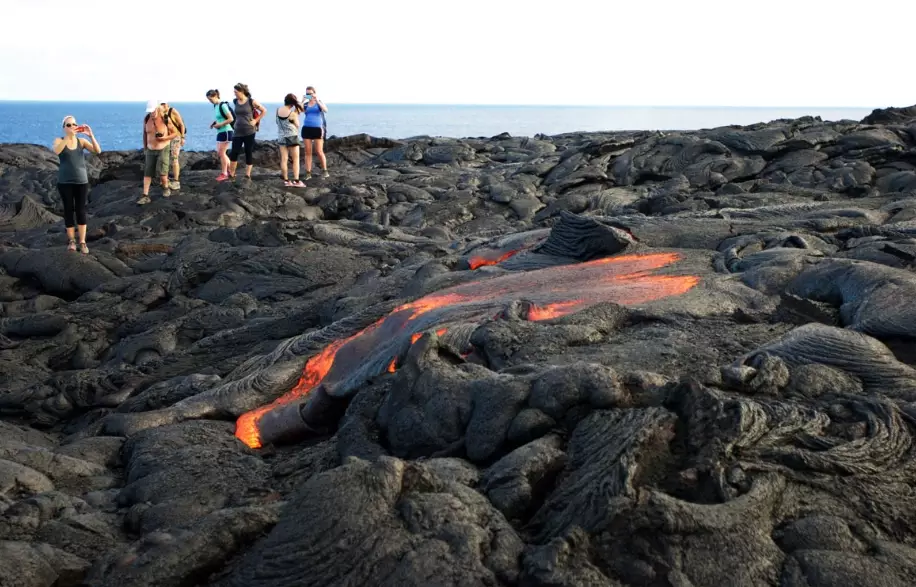
- Do not attempt to hike to active lava flows unless explicitly guided by an official Park Ranger-led program. Flows can change direction, produce deadly gases, and the terrain is treacherous. The ocean entries create unstable land and can explode.
- Respect Pele. For Native Hawaiians, this is the home of Pele, the volcano goddess. It is a sacred landscape. Don't take rocks or sand as souvenirs. It's not just a park rule; it's considered bad luck (and many people mail stolen rocks back, claiming the curse is real).
Answering Your Big Questions (The FAQ Section)
Final Thoughts: Embracing the Unpredictability
The single most important piece of advice I can give you is this: let go of your expectations. Your trip to Hawaii Volcanoes National Park might not look like the Instagram photos from last year. The volcano is in charge.
One visit, the crater might be quietly steaming. On another, it might be filling with a fiery lake. A trail you wanted to hike might be closed due to gas emissions or seismic activity. That's not a ruined trip—that's the reality of visiting a living, breathing landscape.
Embrace it. Talk to the rangers at the Kīlauea Visitor Center. They are fountains of knowledge and can point you to the coolest thing happening right now. Be flexible. Have a Plan A, but be ready for Plan B or even Plan C.
This park isn't about checking sights off a list. It's about feeling the heat from the ground, hearing the crunch of centuries-old lava, and understanding your own small place on this dynamic planet. It's powerful stuff.
Go with respect, come prepared, and keep your eyes open. You're in for an adventure you'll never forget.



Comments
Leave a Comment