Your First USA Trip: A Quick Snapshot
First time in the USA? Let's cut to the chase. You're probably overwhelmed by options—this country is huge, and everyone has an opinion. I've been traveling the US for over a decade, leading tours and making my own mistakes. Based on that, if you're coming for the first time, prioritize these five spots: New York City, the Grand Canyon, San Francisco, Washington D.C., and maybe Orlando if you're with kids. But why these places? It's not just about ticking boxes; it's about experiencing America's diversity without burning out.
I remember my first trip. I tried to do too much—flights from coast to coast, cramming cities and parks. Ended up exhausted and missing the essence. So, here's a guide to help you avoid that.
Why Planning Your First USA Trip is Tough (But Worth It)
The USA spans over 3.8 million square miles. Driving from New York to Los Angeles takes about 45 hours non-stop, and that's just one route. Most first-timers make the classic error: trying to cover both coasts in two weeks. It's a recipe for stress. Instead, focus on one region. For a 10-14 day trip, pick either the East Coast (New York, Washington D.C.) or the West Coast (San Francisco, Grand Canyon) with maybe a dip into the middle.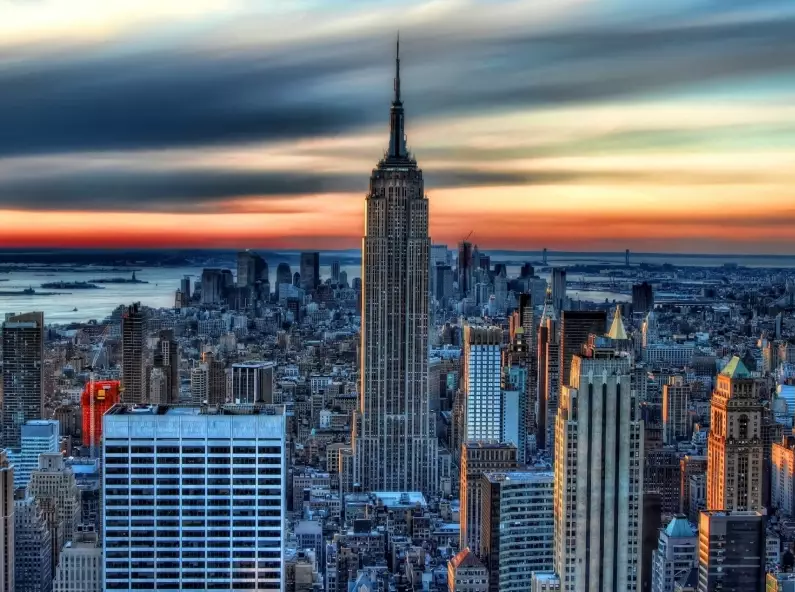
Another thing: the cost. According to the U.S. Travel Association, domestic tourism can be pricey, but with smart planning, you can manage. I'll get into that later.
Let's dive into the destinations.
Top 5 Destinations You Absolutely Shouldn't Miss
These aren't just popular; they offer a slice of America that's authentic and memorable. I've included specifics—tickets, addresses, hours—so you can plan directly.
New York City: The Urban Icon
Address: Manhattan, New York, NY 10001 (for general orientation). Key spots are spread out, but start at Times Square.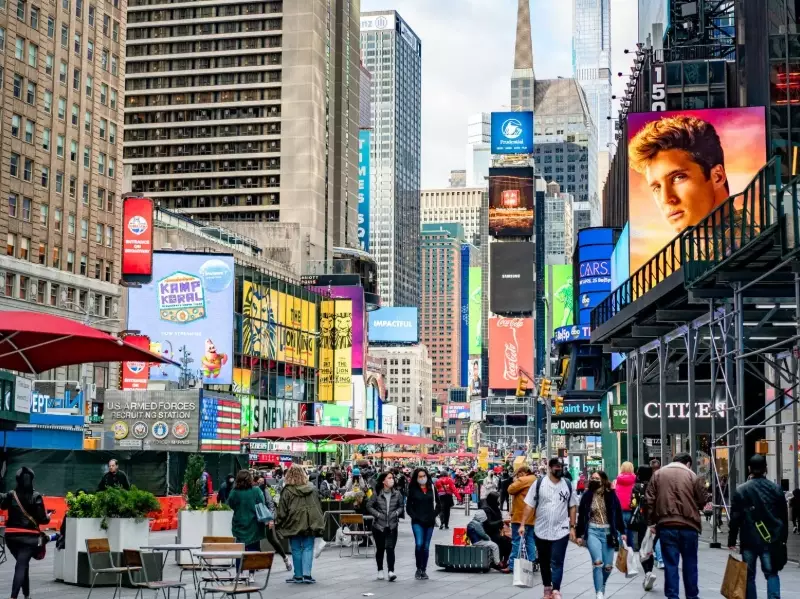
Must-See: Statue of Liberty (Liberty Island, ferry from Battery Park), Central Park (59th to 110th Street), Empire State Building (350 Fifth Ave).
Ticket Prices: Statue of Liberty ferry: around $25 per adult if you book online in advance. Empire State Building observatory: about $44 for standard admission. Central Park: free, but attractions like the Zoo cost extra.
Operating Hours: Statue of Liberty ferries run 9 AM to 5 PM daily, but hours vary by season. Central Park is open 6 AM to 1 AM. Museums like the MET are 10 AM to 5:30 PM.
Personal Tip: Skip the expensive Observation Decks like One World Observatory. Go to the Top of the Rock at Rockefeller Center—it's cheaper ($40) and gives better views of the Empire State Building. Eat in Greenwich Village or Williamsburg, not Times Square where prices are inflated. I once paid $20 for a mediocre burger near Broadway; never again.
Grand Canyon National Park: Nature's Majesty
Address: Grand Canyon Village, AZ 86023 (South Rim—most accessible for first-timers).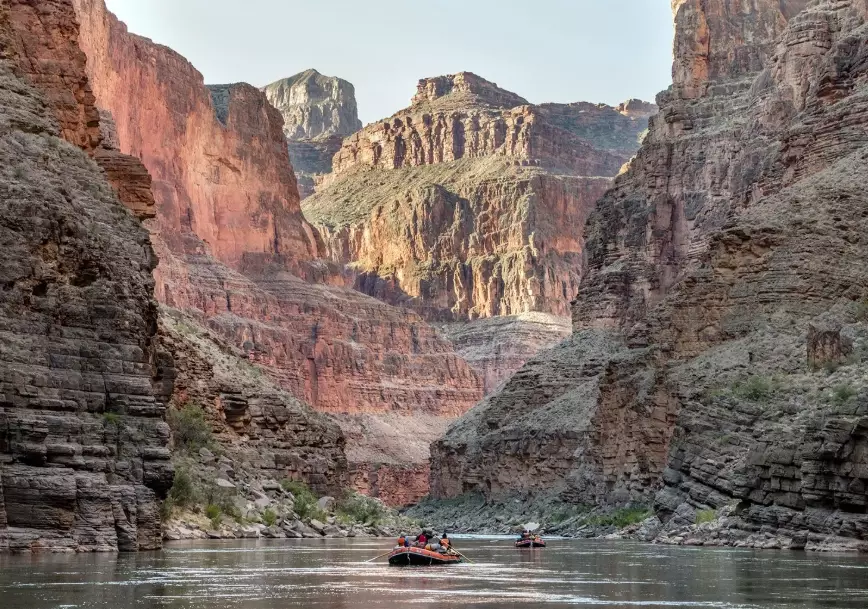
Must-See: South Rim viewpoints like Mather Point, Bright Angel Trail for hiking.
Ticket Prices: Entrance fee: $35 per vehicle, valid for 7 days. If you're on foot or bike, it's $20 per person. Worth every penny.
Operating Hours: South Rim is open 24/7, but visitor centers operate 8 AM to 5 PM. Best time to visit: sunrise to avoid crowds and heat.
Personal Tip: I visited last spring and woke up at 5 AM for sunrise at Mather Point. It was magical—but bring layers. The temperature drops at night, even in April. Don't underestimate the hike; even short trails can be strenuous. And according to the National Park Service website, always carry water.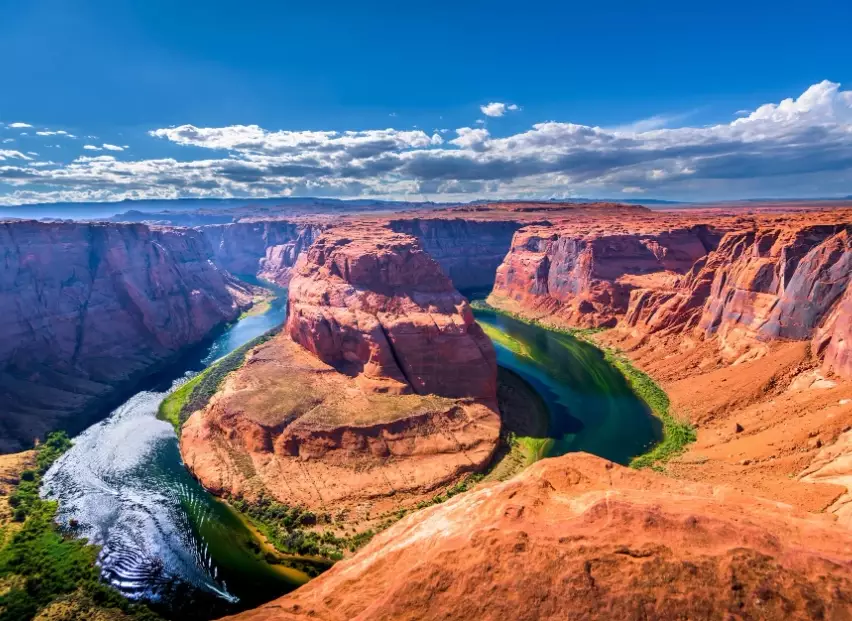
San Francisco: The Golden Gate City
Address: San Francisco, CA 94102 (downtown). Key landmarks: Golden Gate Bridge (Lincoln Boulevard, SF), Alcatraz Island (Pier 33).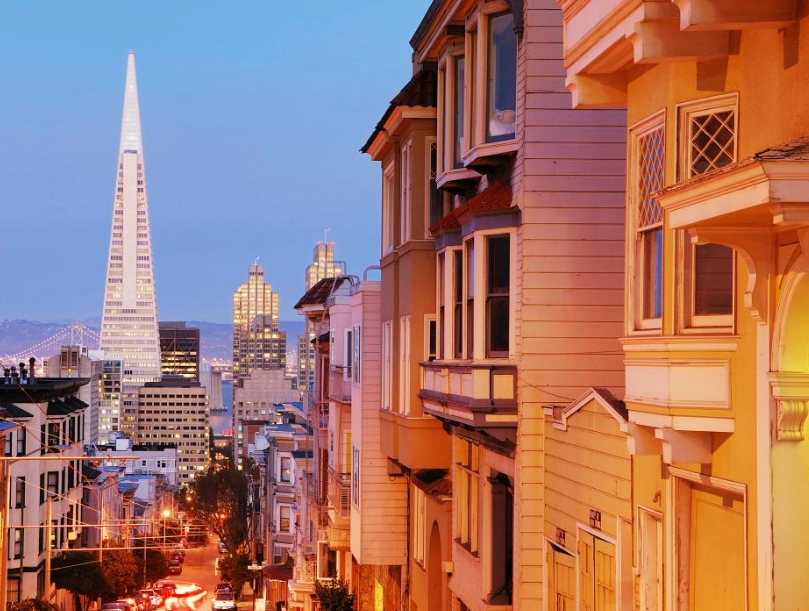
Must-See: Golden Gate Bridge (walk or bike across), Alcatraz Island tour, Fisherman's Wharf.
Ticket Prices: Golden Gate Bridge: free to walk. Alcatraz tour: around $45 per adult, and you need to book weeks ahead—it sells out fast. Cable car ride: $8 per ride, but a day pass for $13 is smarter.
Operating Hours: Alcatraz ferries run from 9 AM to 6:30 PM. Golden Gate Bridge is accessible 24/7, but fog can obscure views in summer afternoons.
Personal Tip: Use the BART system for getting around; it's efficient. Avoid driving in downtown—parking is a nightmare and expensive. I got a ticket for $80 once because I misread a sign. For food, hit the Mission District for burritos, not the touristy spots.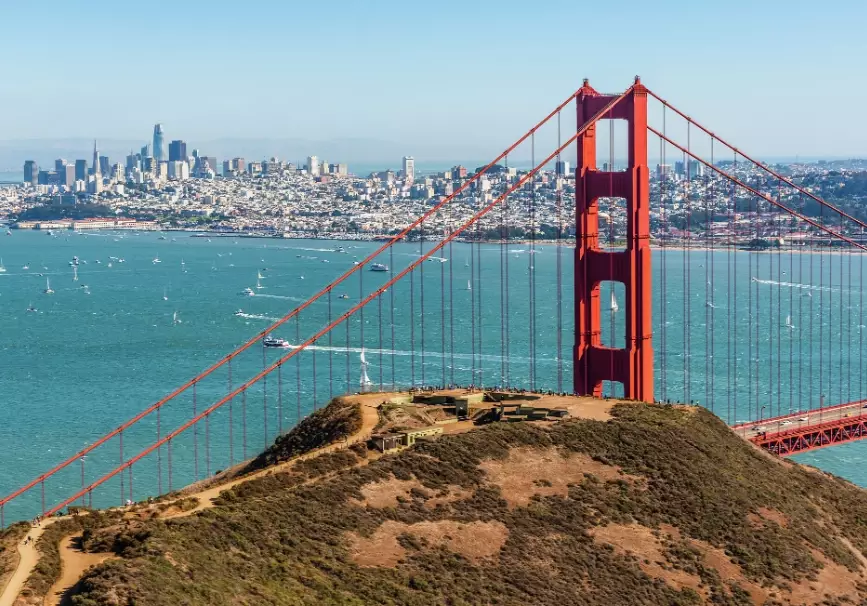
Washington D.C.: History and Politics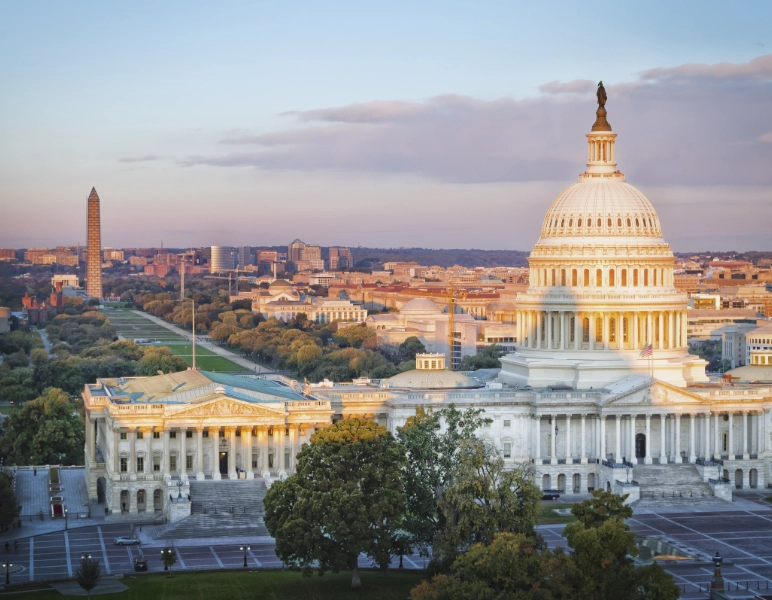
Address: National Mall, Washington, D.C. 20565 (where most monuments are).
Must-See: Lincoln Memorial, Smithsonian museums (like Air and Space), U.S. Capitol.
Ticket Prices: Most attractions are free, including all Smithsonian museums. U.S. Capitol tours are free but require reservation.
Operating Hours: Museums typically open 10 AM to 5:30 PM. Monuments are accessible 24/7, but safer at night with lights.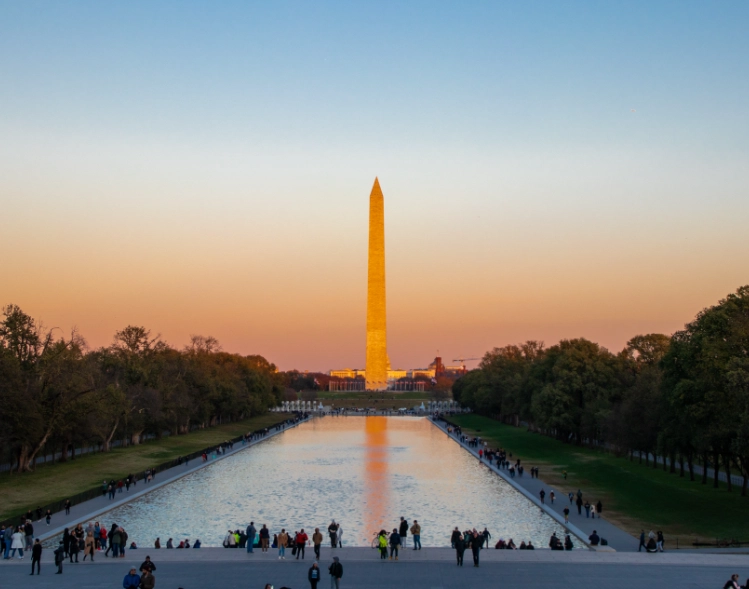
Personal Tip: Visit the Lincoln Memorial at night—it's less crowded and the lighting is stunning. Don't try to see all Smithsonian museums in one day; pick two or three. I spent a whole day at the National Museum of American History and still missed things. Use the Metro; it's clean and easy.
Orlando: For the Fun-Seekers
Address: Orlando, FL 32830 (for theme parks like Walt Disney World Resort).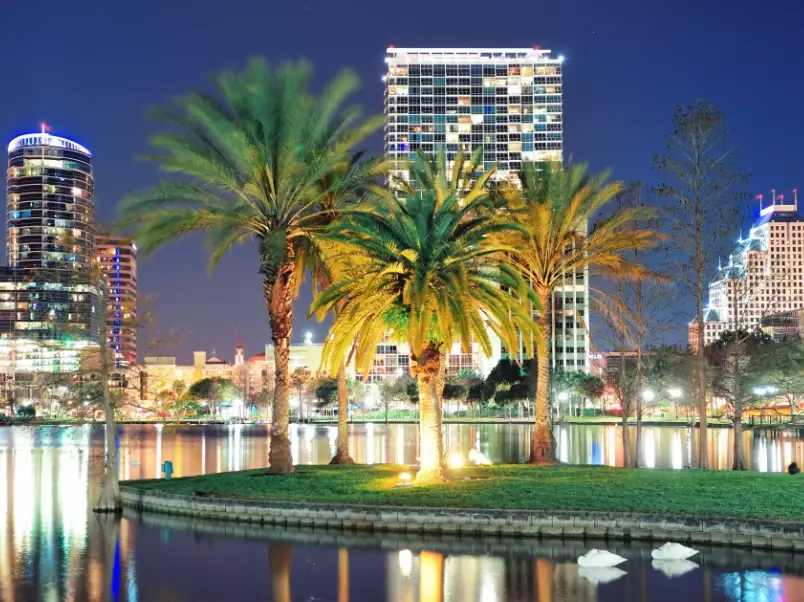
Must-See: Walt Disney World (Magic Kingdom), Universal Studios, Epcot.
Ticket Prices: Disney tickets start at $109 per day for one park. Universal is similar. Multi-day passes can save money.
Operating Hours: Theme parks usually open 9 AM to 9 PM, but vary by season.
Personal Tip: If you're not into crowds or kids, consider skipping Orlando—it can be overwhelming for first-timers. I found Epcot more enjoyable for adults with its international pavilions. Book tickets online to avoid lines, and stay off-site for cheaper hotels. The on-site resorts are pricey.
Quick Comparison: New York for culture, Grand Canyon for nature, San Francisco for vibes, D.C. for history, Orlando for fun. Mix and match based on your interests.
How to Get Around Without Losing Your Mind
Transportation in the USA isn't like Europe—trains are limited, and distances are vast. Here's what works.
Domestic Flights: For long distances, say New York to San Francisco, flying is the only sane option. Use Skyscanner or Google Flights for deals. Book at least 2-3 months ahead for cheaper fares. I recently flew from NYC to Las Vegas for $150 roundtrip by booking early.
Trains and Buses: Amtrak trains are scenic but slow and expensive for long trips. For shorter routes like New York to Washington D.C. (about 3.5 hours), it's worth it—prices around $50-$100. Greyhound buses are cheaper but less comfortable; good for budget travel.
Rental Cars: Essential for national parks or road trips. At the Grand Canyon, you'll need a car to explore viewpoints. Rent from companies like Hertz or Enterprise, but watch for hidden fees. I paid an extra $30 a day for insurance I didn't need once. Book in advance and compare prices on Kayak.
Public Transport in Cities: New York Subway is $2.90 per ride, get a MetroCard. San Francisco BART is similar. In D.C., the Metro is efficient. Don't rely on taxis; they're expensive and traffic is bad.
My advice: plan your transportation before booking accommodations. It'll save you headaches.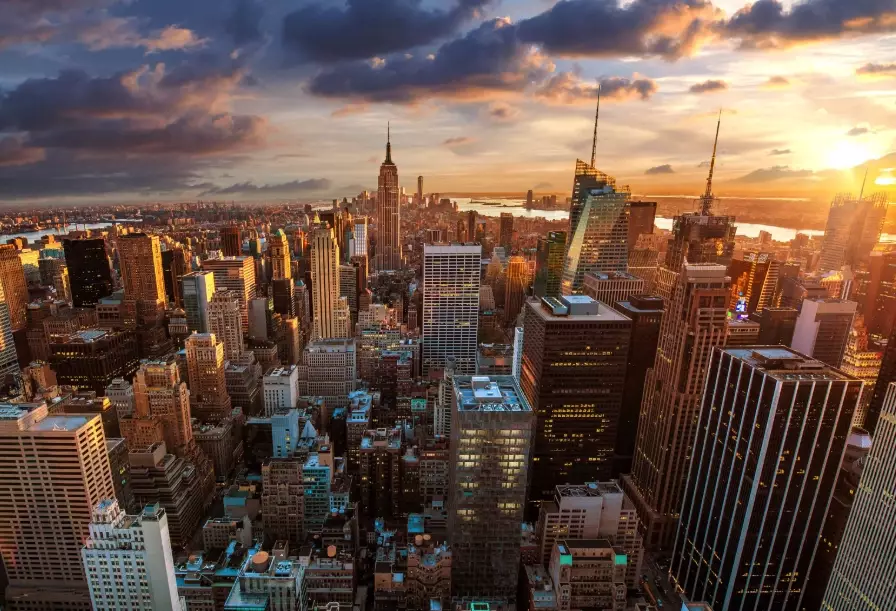
Money Talk: Budgeting for Your USA Adventure
Let's talk numbers. A first-time trip can cost anywhere from $1,500 to $5,000 per person for two weeks, depending on style.
- Accommodation: Mid-range hotels: $100-$200 per night. Hostels: $30-$50. In New York, I stayed at a budget hotel in Queens for $80/night—it was basic but clean.
- Food: Meals: $15-$40 per person per meal. Save by eating at diners or food trucks. In San Francisco, a food truck burrito is $10 vs. $30 at a restaurant.
- Attractions: Budget $50-$100 per day for tickets. Many are free in D.C., so balance it out.
- Transportation: Flights: $200-$500 domestic. Car rental: $40-$80 per day plus gas.
Total daily cost: $150-$300 per person. To save, book flights early, use hotel loyalty programs, and avoid peak season (June-August). I traveled in May and saved about 20% on everything.
Don't forget tipping—15-20% at restaurants, a few dollars for bellhops. It adds up.
Insider Advice: Avoid These First-Timer Blunders
Based on my experience, here are mistakes I see often.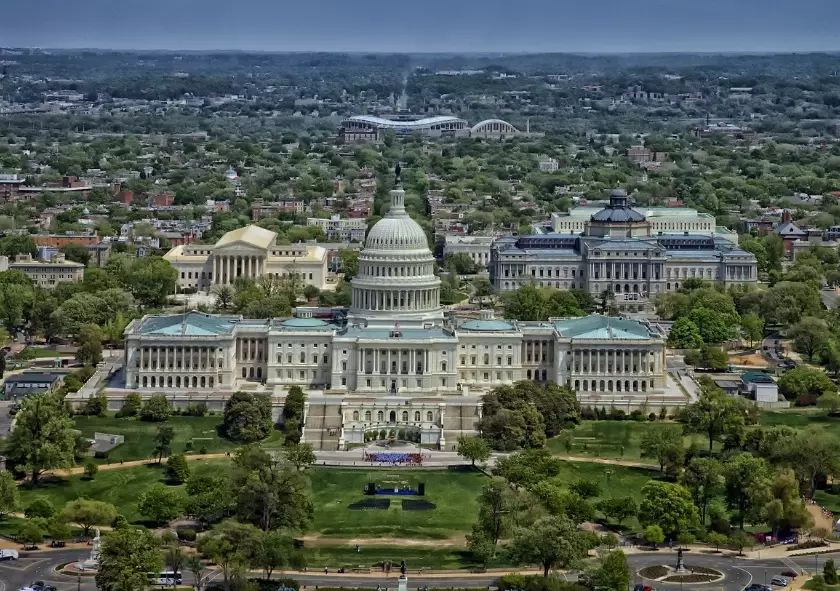
Overplanning: Trying to see too much in too little time. Focus on 2-3 destinations max for a two-week trip. Quality over quantity.
Ignoring Seasons: Summer is peak tourist season—crowded and hot. For the Grand Canyon, spring or fall is better. In New York, winter can be freezing, but hotels are cheaper.
Not Booking Ahead: Attractions like Alcatraz or Disney sell out. Book tickets online weeks in advance. I missed a Broadway show once because I waited until the last minute.
Underestimating Distances: Google Maps might say it's a 4-hour drive, but with traffic or stops, it could be 6. Add buffer time.
Packing Wrong: The USA has diverse climates. In San Francisco, summers are cool with fog—bring a jacket. In Orlando, it's humid. Pack layers and comfortable shoes; you'll walk miles in cities.
One more: don't rely solely on credit cards. Some small places only take cash, especially in rural areas.
Your Burning Questions Answered
That's it. Your first USA trip should be about experience, not checklist. Pick what resonates, plan smart, and enjoy the ride. If you have more questions, drop a comment—I read them all.



Comments
Leave a Comment