So you've booked the flights. London to New York, Manchester to Orlando, Edinburgh to Los Angeles. That initial excitement is quickly followed by a wave of practical questions that feel uniquely transatlantic. It's not like popping over to Paris. The rules are different, the scale is bewildering, and the potential for a minor cultural or logistical misstep is real.
I've made this trip dozens of times, for work and for fun. I've been the overwhelmed first-timer and now the slightly weary but wise regular. This guide cuts through the generic advice. We're going deep on the things that actually matter—the paperwork, the costs nobody talks about, and the subtle social rules that will make your trip smoother.
Your Quick Jump List
The Non-Negotiables: Before You Board the Plane
Get this bit wrong, and your trip ends at Heathrow. Don't focus on the packing yet; focus on the permissions.
ESTA: It's Not a Visa, But It's Everything
If you hold a full UK passport, you travel under the Visa Waiver Program (VWP). Your key is an ESTA (Electronic System for Travel Authorisation).
Critical Tip: Apply for your ESTA on the official U.S. government website (esta.cbp.dhs.gov) the moment you even think about booking. It costs $21. Do not use a third-party site—they charge double or triple for the same form. The authorisation is usually instant but can take up to 72 hours. An expired ESTA or a mistake on the form is the fastest route to being denied boarding.
Your ESTA is valid for two years, but it's linked to your passport number. Renew your passport, you need a new ESTA.
Passport Validity & Border Preparedness
Your passport simply needs to be valid for the duration of your stay. The old "six-month rule" does not apply to UK citizens entering under the VWP. But it must be an e-passport (with the chip symbol).
Now, the border. U.S. Customs and Border Protection (CBP) officers have a reputation. It's not personal. Be polite, direct, and have your documents ready. They will ask your purpose (tourism), where you're staying (have your first hotel address), and how long you're staying. They may ask for proof of funds or a return ticket. I was once asked in detail about my job. Answer clearly, don't joke, and you'll be fine.
Health & Travel Insurance: Don't Gamble
The U.S. healthcare system is phenomenally expensive. A minor accident can cost tens of thousands. Your UK GHIC/EHIC card is useless here.
You need comprehensive travel insurance that explicitly includes high-limit medical coverage ($1-2 million minimum), medical evacuation, and repatriation. Read the policy wording—does it cover pre-existing conditions? Adventure activities? Check comparison sites like MoneySuperMarket but buy directly from the provider.
Money Matters: Building a Realistic US Budget
Your biggest shock won't be the sights; it'll be your bank balance. Prices are rarely what they seem.
| Expense Category | Estimated Daily Cost (Per Person, Mid-Range) | The Hidden Bit Everyone Forgets |
|---|---|---|
| Accommodation | £80 - £150+ | Resort Fees: Common in Vegas, Florida, Hawaii. A mandatory daily charge ($30-$50) for "amenities" like the pool wifi you may not use. It's added at checkout, not in the advertised rate. |
| Food & Drink | £40 - £80 | Tax & Tip: Menu price is NOT the final price. Add 8-10% sales tax and then 18-20% tip for sit-down service. A $20 burger becomes ~$26. |
| Transport (City) | £15 - £40 | Rideshare Surge Pricing: Uber/Lyft prices double or triple during rush hour, bad weather, or events. Check the price before confirming. |
| Car Rental | £30 - £70 + fuel | Under-25 Surcharge & Insurance: Drivers under 25 pay a huge daily fee. Your UK credit card insurance often excludes certain US states or vehicle types. Read the fine print. |
| Attractions | £20 - £60 | Booking Fees: Buying online in advance is cheaper, but they often add a "convenience fee." Still, it beats queuing for hours. |
My rule? Take your initial daily budget estimate and add 25%. That's your real budget. Use a card like Monzo or Chase which offers perfect exchange rates and no foreign fees. Always pay in local currency (USD) to avoid dynamic currency conversion scams.
Navigating the Giant: Transport & Getting Around
America is built for the car. But that's not the whole story.
To Drive or Not to Drive?
You can drive on your UK licence for up to 3 months in most states. Renting a car is essential for national parks, road trips, or Florida. But in New York, San Francisco, or Chicago? A liability and an expense.
Book rentals months in advance for the best rates. Use comparison sites, but always book directly with the company (Hertz, Avis, etc.) for better customer service if things go wrong. You'll need a credit card in the driver's name for the hold deposit.
Public Transport & Rideshares
City metros (NYC Subway, DC Metro, Chicago 'L') are efficient and cheap. Get a rechargeable card like a MetroCard or Clipper Card. Buses are extensive but can be slow.
Uber and Lyft are ubiquitous. They're often cheaper than taxis. Download both apps and compare prices for each journey. For airport trips, some cities have flat-rate zones.
Domestic Flies
To cover distance, you'll likely need a domestic flight. Budget carriers like Spirit and Frontier are cheap, but they charge for everything—carry-on, seat selection, a bottle of water. Factor that in. JetBlue and Southwest often offer better value with included bags.
Blending In: Key Cultural Nuances & Etiquette
This is where you can truly smooth your experience. It's not about pretending to be American; it's about avoiding accidental friction.
- Tipping is Mandatory, Not Optional: We covered the maths, but the psychology matters. It's a social contract. Bad service? Still tip 15%, but speak to a manager. No tip at all is an atomic insult.
- "How Are You?" is a Greeting, Not a Question: Your cashier, your waiter, a stranger in a lift will say "Hey, how are you?" The correct response is "Good, thanks! How are you?" or just "Hi!" They are not asking for your medical history. It's the equivalent of "You alright?"
- Volume & Space: Americans are often louder and more openly friendly in service interactions. It can feel intense. Smile back, it's normal. Personal space bubbles are also slightly larger.
- ID for Alcohol: You will be carded. Every time. Even if you're clearly 50. It's the law for the server. Carry your passport or driving licence without complaint.
Remember, "football" means soccer here. "The game last night" is probably baseball, basketball, or American football depending on the season and city.
Making it Real: A Sample Two-Week Coast-to-Coast Itinerary
Let's stitch this all together. Here’s a brisk but doable first-timer’s loop, heavy on iconic experiences.
Days 1-4: New York City
Fly into JFK or Newark. Ditch the car idea. Use the Subway. Stay in Midtown Manhattan or Brooklyn for vibe. Must-dos: Central Park, Metropolitan Museum of Art (pay what you wish for NY state residents... but you're not one, so full price), Top of the Rock (better views than Empire State), a Broadway show (TKTS booth for day-of discounts). Eat a slice of proper NY pizza (Joe's on Broadway), a bagel with lox (Ess-a-Bagel), and a pastrami sandwich (Katz's Delicatessen).
Days 5-7: Washington D.C.
Take the Amtrak train from NYC (about 3.5 hrs, book ahead). The museums here are the crown jewel—and almost all are free. The Smithsonian Air and Space, National Museum of African American History (book timed passes months ahead), and the monuments at night. Use the excellent Metro.
Days 8-11: Las Vegas & The Grand Canyon
Fly from DCA to LAS. Vegas is an experience. Stay on the Strip (Caesars, Bellagio) for the full spectacle. See a show (Cirque du Soleil), wander the themed hotels. Then, rent a car for a two-day trip to the Grand Canyon's South Rim (4.5-hour drive). Stay in Tusayan overnight to see sunrise over the canyon. This is where the car is essential.
Days 12-14: Los Angeles
Fly from LAS to LAX. LA needs a car. Rent one at the airport. Base yourself in Santa Monica (beach vibe) or West Hollywood (central). Drive the Pacific Coast Highway to Malibu, hike to the Griffith Observatory for Hollywood sign views, stroll Venice Beach Boardwalk. Visit the Getty Center (free, parking fee). Have a classic burger at In-N-Out (order "Animal Style").
Fly home from LAX. Exhausted, enriched, and already planning your next trip to tackle New Orleans, Chicago, or the national parks of Utah.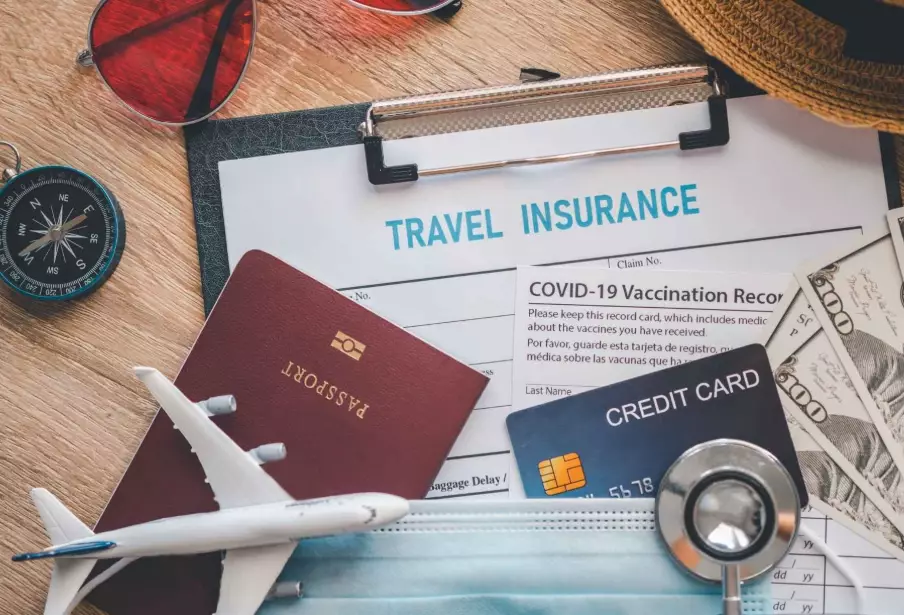





Comments
Leave a Comment