Quick Guide
- What Is This Visa, Really? B1/B2 Explained
- Who Actually Gets a 10-Year Visa? The Eligibility Maze
- The Step-by-Step Application Process: From DS-160 to Interview
- The Real Rules: What You Can and Cannot Do With a 10-Year Visa
- Top Reasons for Visa Denial (And How to Avoid Them)
- You Have the Visa. Now What? Maintaining Good Status.
- Frequently Asked Questions (The Real Ones People Ask)
Let's talk about the US 10-year multiple entry visa. You've probably heard about it – that coveted B1/B2 visa stamp that lets you hop across to the States for a whole decade. Sounds simple, right? Just apply, get it, and you're set for ten years of trips.
If only it were that straightforward.
The reality is, the 10 year multiple entry visa USA rules are a web of official regulations, unwritten expectations, and constant scrutiny. I've seen friends get tripped up by the fine print they never knew existed. One buddy thought "multiple entry" meant he could basically live there, bouncing in and out. That... did not end well for his visa status.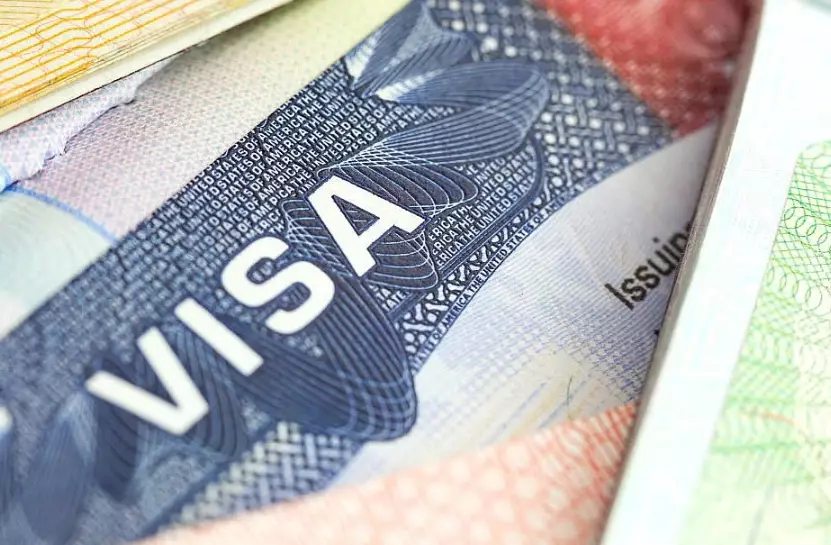
This guide is here to cut through the confusion. We're not just listing rules from a government website. We're digging into what those rules actually mean for your travel plans, your application, and how you avoid the common traps that lead to denial or, worse, revocation at the border.
What Is This Visa, Really? B1/B2 Explained
First things first, let's demystify the name. When people search for "10 year multiple entry visa USA," they're almost always talking about the B-1/B-2 visitor visa. It's a combined visa for temporary visitors for business (B-1) and pleasure/tourism/medical treatment (B-2).
The "multiple entry" part is crucial. It means you can leave and re-enter the United States multiple times within the visa's validity period (up to 10 years for citizens of many countries) without having to apply for a new visa each time. This is the golden ticket for frequent travelers, visiting family, or entrepreneurs who need to make regular business trips.
But here's the catch a lot of websites gloss over: a valid visa does not guarantee entry. It's like having a key to a very secure building. The visa (the key) lets you approach the door (port of entry), but the Customs and Border Protection (CBP) officer (the security guard) has the final say on whether you can come in and for how long. They determine your period of authorized stay on Form I-94 every single time you enter. This is the single most important concept to grasp about USA multiple entry visa rules.
The visa is about admission. The I-94 is about duration.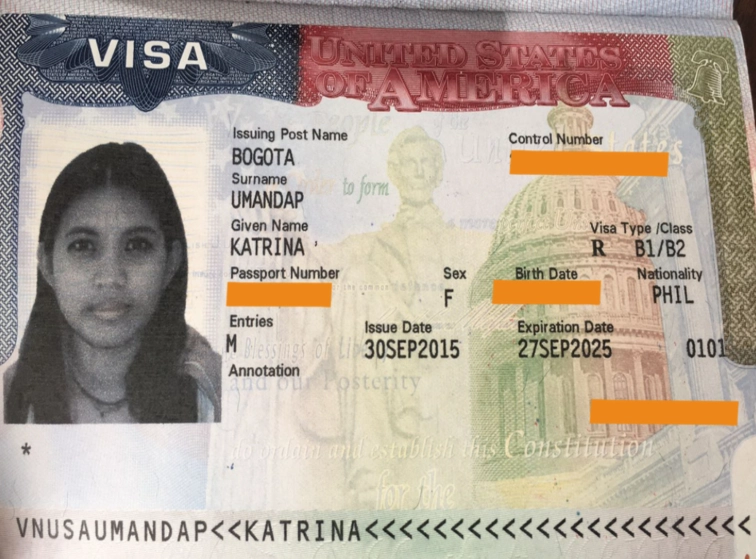
Who Actually Gets a 10-Year Visa? The Eligibility Maze
This is where hopes get dashed. There's no checklist that says "do A, B, and C to get 10 years." The decision is highly discretionary. But based on years of community stories and official guidance, we can map the landscape.
The Core Pillars of Eligibility
Consular officers are mandated by law to view every applicant as an intending immigrant until you prove otherwise. Your entire application strategy revolves around demolishing that presumption. You do this by proving:
- Non-Immigrant Intent: You must have a permanent residence, job, family, and social/economic ties outside the US that are so strong they will compel you to leave America after a temporary visit. This is the big one.
- Legitimate Purpose of Travel: Your reason for going must be clear, legitimate, and fall under B-1 (business meetings, conferences, contract negotiations) or B-2 (tourism, visiting family/friends, medical treatment, short recreational courses) activities.
- Financial Solvency: You must show you can financially support yourself during your stay without working illegally in the US.
- Admissibility: You must not be inadmissible for reasons like certain criminal histories, past immigration violations, health grounds, or security concerns.
What Tilts the Scales Toward a 10-Year Issuance?
While not guaranteed, these factors make an officer more confident in granting long validity:
- A Proven Travel History: Having used previous US or other visas (UK, Schengen, Canada, Australia) compliantly is huge. It shows you understand and follow immigration rules.
- Strong, Documented Ties: A stable, long-term job with a letter from your employer. Property ownership. Enrolment in a university program back home. Immediate family (spouse, children) who are not traveling with you.
- Clean Immigration History: No overstays, no violations on previous visits to any country.
- Your Country of Citizenship: Validity is often based on reciprocity. Citizens of countries whose governments grant US citizens similar long-validity visas are more likely to receive 10-year B1/B2 visas. For example, citizens of India, China, Brazil, and many others are commonly issued 10-year B1/B2 visas based on reciprocal agreements. You can check the U.S. Department of State's Reciprocity Schedule for specific country details.
The Step-by-Step Application Process: From DS-160 to Interview
Understanding the 10 year multiple entry visa USA rules starts with navigating the process correctly. A sloppy application is an easy denial.
Filling Out the DS-160: This is Your First Interview
The Online Nonimmigrant Visa Application (Form DS-160) is not just paperwork. It's your first and most important testimony. Every word matters.
- Be Painfully Consistent: Your answers here must match every other document and what you say in the interview. Inconsistency equals deception in the officer's eyes.
- “Purpose of Trip” and “Address in USA”: Be specific. "Tourism" is okay, but "Two-week holiday visiting friends in Orlando and touring Disney World" is better. Have a real address, even if it's a hotel booking.
- Employment History: List it fully. Gaps raise questions.
- Travel History: Don't forget any trip. They have records.
I once helped a relative who'd forgotten a two-day trip to Singapore 8 years prior. It seemed trivial, but omitting it could have created a needless discrepancy. We dug up the old passport stamp.
The Visa Fee and Scheduling
Pay the Machine Readable Visa (MRV) fee. It's non-refundable, even if you're denied. Keep the receipt. Then, schedule two appointments on the official US visa application website for your country: one for biometrics (fingerprints and photo) and one for the consular interview.
Preparing for the Dreaded Interview
The interview is often just 2-3 minutes. You have to make them count.
Documents to Bring (Organized in a Folder):
- Appointment confirmation, DS-160 confirmation, passport, fee receipt, and photo.
- Ties to Home Country Proof: This is your arsenal. Employment verification letter (stating your position, salary, tenure, and approved leave), property deeds, business registration documents, family photos, evidence of university enrollment.
- Trip Proof: Simple itinerary, maybe hotel or flight reservations (fully refundable ones are wise), invitation letter from a US friend/family if visiting them.
- Financial Proof: Recent bank statements (showing steady balance, not just a sudden large deposit), salary slips, tax returns.
During the Interview: The 2-Minute Judgment
The officer's goal is to verify the information and assess your intent. They might not even look at your documents. Your answers and demeanor are the evidence.
- Be concise, confident, and honest. Look the officer in the eye.
- Answer the question asked. Don't volunteer unsolicited information or launch into a monologue.
- If asked "What do you do?" don't just say "I'm a manager." Say "I'm a project manager at XYZ Tech in Mumbai, I've been there for 7 years, and I'm leading a team on a product launch scheduled for next quarter." That one sentence establishes strong employment ties.
- If visiting family, be ready for "Why will you return?" Have a concrete answer. "My job and my aging parents are here. I'm also in the middle of building a house."
It's over quickly. They'll usually tell you the decision on the spot: approved, denied, or administrative processing (which means more background checks).
The Real Rules: What You Can and Cannot Do With a 10-Year Visa
You got the visa! Congratulations. But now the real test of understanding the US B1/B2 visa rules begins. Misunderstanding these is how people lose their visa privilege.
The 180-Day "Rule" (It's Not a Rule, It's a Pattern)
This causes so much confusion. There is no official law stating you can only stay 180 days per year on a B1/B2 visa. The rule is: you are granted a period of stay (on your I-94) each time you enter, typically up to 6 months (180 days) at the discretion of the CBP officer.
However, if you repeatedly use the full 6 months, stay for 5 months, leave for 1 month, and return, CBP will suspect you are de facto living in the US, not visiting. This violates the terms of the visitor visa. They can deny you entry, shorten your stay drastically, or even cancel your visa on the spot.
The safe, unwritten guideline is to spend significantly more time outside the US than inside over any 12-month rolling period. A pattern of spending 4-5 months per year in the US is a massive red flag.
Permitted vs. Prohibited Activities
This table clarifies the murky areas of what's okay and what will get you in serious trouble.
| Generally PERMITTED (B1/B2) | Strictly PROHIBITED (Requires Different Visa) |
|---|---|
| Business (B-1): Attending meetings, conferences, and negotiations. Consulting with business associates. Participating in short-term training. | Any form of gainful employment for a US employer or as an independent contractor. This includes remote work for a foreign employer if it displaces a US worker or is your primary activity during the stay. |
| Tourism (B-2): Sightseeing, visiting friends/family, vacationing, participating in social events, short recreational courses (like a 2-week cooking class). | Enrolling as a full-time student in a degree program (requires F-1 visa). |
| Medical Treatment (B-2): Receiving medical care at US facilities. | Performing as a professional artist/musician/athlete for pay (requires P visa). |
| Incidental Activities: Checking emails, taking conference calls for your foreign job as a minor part of your trip. | "Volunteering" that would normally be a paid job, filling a position a US worker would take. |
The line on remote work is the hottest topic right now. The official stance from the U.S. Customs and Border Protection is nuanced. While casual checking of email is fine, if your primary purpose for being in the US is to work remotely, you are technically engaging in unauthorized employment. In practice, if you're on a short vacation and do a few hours of work, it's rarely an issue. But if you're staying for months and your main activity is your remote job, you're violating the spirit and likely the letter of the 10 year multiple entry visa USA rules. It's a risky gray area.
Visa Renewal vs. Status Extension
Another critical distinction:
- Visa Renewal: Your visa stamp in your passport expires. You must apply for a new one at a US embassy/consulate outside the USA, going through the DS-160 and interview process again.
- Extension of Stay (Form I-539): Your I-94 expiration date is approaching, but you need more time in the US for the same initial purpose (e.g., medical treatment is taking longer). You can file this form with USCIS while in the US, before your I-94 expires. It's not guaranteed, and frequent extensions look bad. It's far better to plan your trip within the initially granted period.
The EVUS Requirement for Chinese Passport Holders
If you are a Chinese citizen holding a 10-year B1/B2 visa, you have an extra step: the Electronic Visa Update System (EVUS). You must enroll in EVUS and keep your information current every two years, or whenever you get a new passport or change your name. It's a simple online form, but forgetting to update it can prevent you from boarding your flight. The official site is www.evus.gov.
Top Reasons for Visa Denial (And How to Avoid Them)
Understanding why people get rejected is the best defense. Most denials fall under Section 214(b) of the Immigration and Nationality Act: failure to prove non-immigrant intent.
- Weak Ties to Home Country: The #1 reason. A young, single applicant with a new job and no property has a harder battle. You must build the strongest case possible with long-term commitments.
- Insufficient Financial Proof: Your bank balance should comfortably cover your trip. Sudden, large deposits right before the application look like you're borrowing money to show funds.
- Vague or Unconvincing Travel Plans: "I just want to see America" is weak. A detailed, plausible itinerary shows forethought and legitimate purpose.
- Prior Immigration Violations: Any overstay, even by one day, on a previous US or other country's visa is a huge mark against you.
- Inconsistent Information: The DS-160 says you're a manager, but your employment letter says "associate." Instant credibility loss.
If denied, the officer will usually give you a slip citing 214(b). You can reapply, but you must address the reason for the previous denial with significantly stronger evidence. Simply reapplying with the same file is a waste of money.
You Have the Visa. Now What? Maintaining Good Status.
Getting the 10-year visa is half the journey. Keeping it for its full validity is the other half. This is where knowledge of the ongoing USA multiple entry visa rules is paramount.
- Always check your I-94 online after every entry (https://i94.cbp.dhs.gov/I94/). Don't rely on the stamp in your passport. The online record is official. Know your "Admit Until Date."
- Do not overstay. Even one day of overstay automatically cancels your visa under current rules. You'd need a waiver for a future visa.
- Avoid suspicious patterns. Don't become a "professional visitor."
- If your passport with the visa expires, the visa is still valid as long as it's not damaged. When you get a new passport, you simply travel with both passports (old one with the valid visa, new one for validity).
- Report lost or stolen visas immediately to the local police and the nearest US embassy.
Frequently Asked Questions (The Real Ones People Ask)
Navigating the world of the 10-year multiple entry visa isn't about finding loopholes. It's about demonstrating respect for the system, understanding its boundaries, and operating with transparency and clear intent. The rules are there for a reason – to distinguish between genuine temporary visitors and those trying to circumvent immigration channels.
Do your homework, prepare thoroughly, and be honest. That's the only reliable strategy for not just getting the visa, but enjoying its benefits for a full decade of trouble-free travel.





Comments
Leave a Comment