Quick Navigation
- Who Needs a B2 Visa and Who Doesn't?
- The Heart of the Matter: Proving Non-Immigrant Intent
- Step-by-Step: The B2 Visa Application Process
- The Dreaded Visa Interview: What Really Happens
- After the Interview: Approval, Denial, and Administrative Processing
- You Have the B2 Visa – Now What? Rights, Rules, and Pitfalls
- Frequently Asked Questions
Let's talk about the B2 visa. You've probably heard of it – the tourist visa for the United States. Maybe you're dreaming of seeing the Grand Canyon, visiting family in New York, or finally taking that cross-country road trip. The B2 visa is your key, but the whole process can feel like a giant, confusing maze. I remember helping a friend with her application; the amount of conflicting information online was staggering. One site said one thing, a forum said another. It was frustrating.
So, I decided to put this together. Not as a dry, legal document, but as a plain-English walkthrough from someone who's seen the process up close. This isn't about fancy jargon. It's about answering the real questions people have before, during, and after they apply for a B2 visa.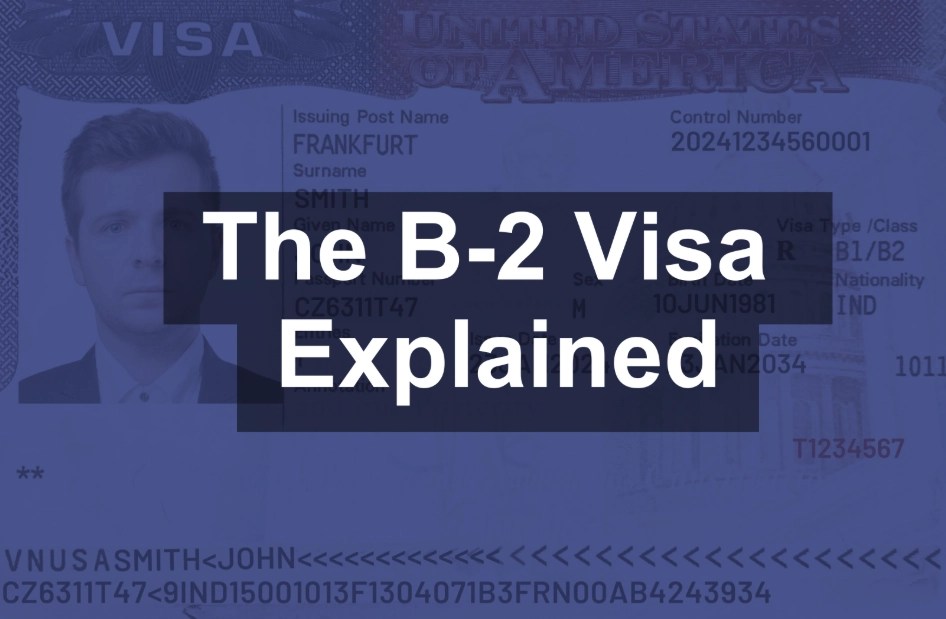
What exactly is a B2 visa? In simple terms, it's a non-immigrant visa that allows you to enter the United States temporarily for tourism, pleasure, or visiting friends and family. It's often combined with the B1 visa (for business) into a "B1/B2 visa" stamp in your passport. But today, we're focusing on the B2 side of things – the pure visitor visa.
Who Needs a B2 Visa and Who Doesn't?
This trips up a lot of people. Not everyone needs to go through this whole song and dance.
You DO NOT need a B2 visa if you are a citizen of a country under the Visa Waiver Program (VWP), like the United Kingdom, Japan, Australia, or most European nations. These travelers can use the Electronic System for Travel Authorization (ESTA) for short visits (90 days or less). You can check the official list of VWP countries on the U.S. Department of State's website.
You DO need to apply for a B2 visa if you are a citizen of a country not part of the VWP. This includes large countries like India, China, Nigeria, and the Philippines. If you're unsure, the U.S. Department of State's website is, again, your best first stop.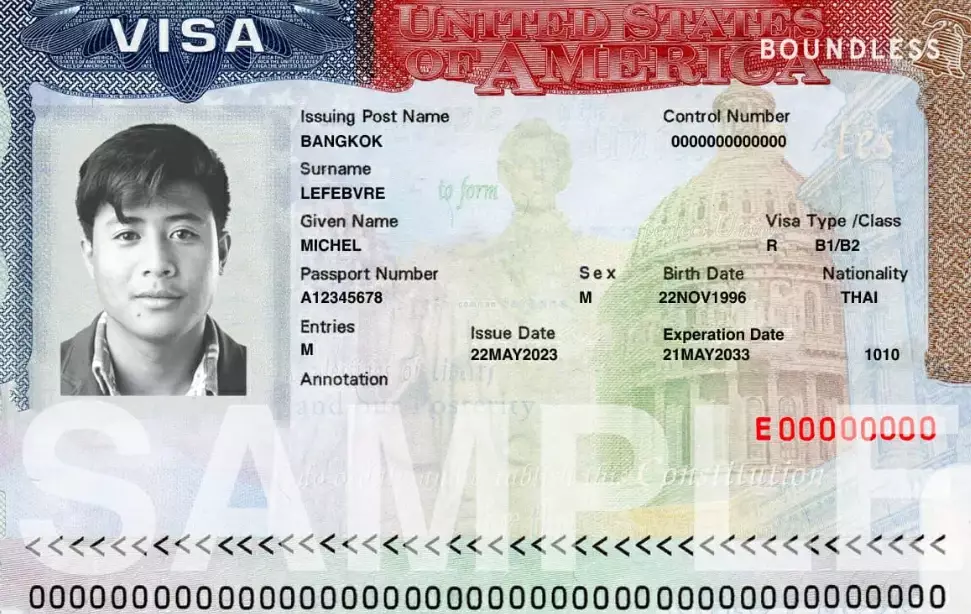
The Heart of the Matter: Proving Non-Immigrant Intent
This is the big one. The entire B2 visa application process is designed to answer one question for the consular officer: Will this person return home after their visit?
U.S. immigration law assumes every visa applicant is an intending immigrant until they prove otherwise. Your job is to prove you have strong, binding ties to your home country that will compel you to leave the U.S. after your temporary stay. We call these "strong ties."
So, what counts as a strong tie? It's not just one thing. It's the whole picture.
- Employment: A stable, long-term job with a letter from your employer stating your position, salary, and approved leave. A job you can't afford to lose is a great tie.
- Property: Owning a house, land, or other significant assets in your home country.
- Family: A spouse, children, or aging parents who reside in and depend on you in your home country.
- Social & Community Ties: Ongoing memberships, community involvement, or volunteer work that roots you in your local area.
- Financial Standing: A healthy bank account, investments, or a business in your home country that shows you have economic reasons to return.
The absence of these ties is a major red flag. A young, single person with no job and minimal savings will have a much harder time than someone with a family and a career back home. It's not fair, but it's the reality of the system.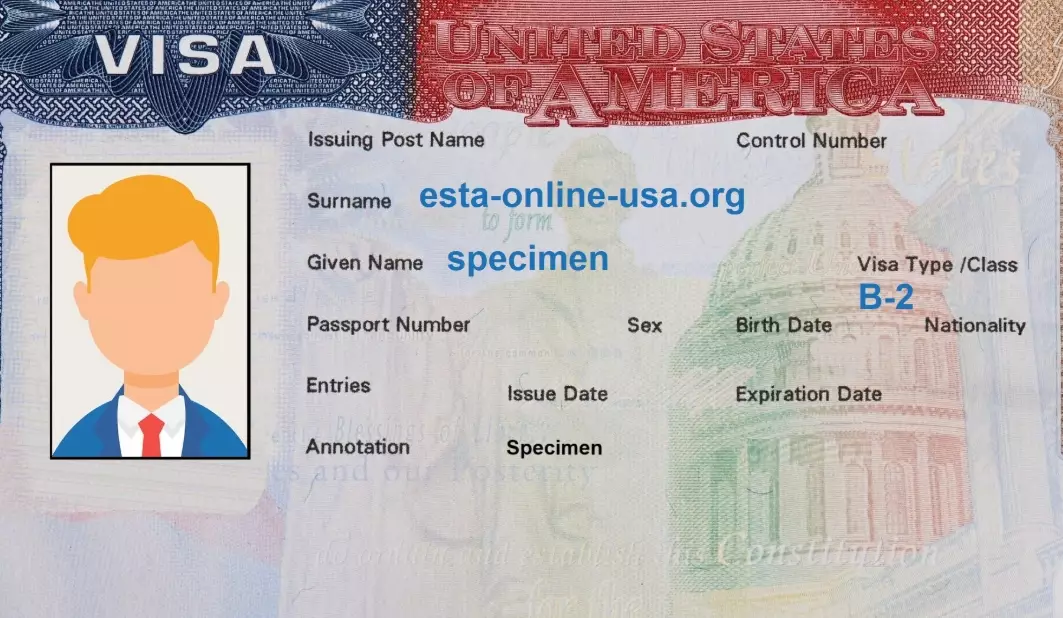
Step-by-Step: The B2 Visa Application Process
Let's break down the actual steps. It's a marathon, not a sprint, so patience is key.
Step 1: Complete the Online Nonimmigrant Visa Application (Form DS-160)
This is your foundation. The DS-160 is a lengthy online form you fill out on the Consular Electronic Application Center website. You'll need your passport, travel itinerary (if planned), and details about your work, education, and family. Be brutally honest. Any inconsistency can be grounds for denial. Save your Application ID number frequently, and once submitted, print the confirmation page with the barcode. You'll need it for your interview.
Step 2: Pay the Visa Application Fee (MRV Fee)
The current fee for a B2 visa is $185 USD. This is a non-refundable processing fee, paid according to the instructions on the U.S. embassy or consulate website in your country. You usually get a receipt number to schedule your interview.
Step 3: Schedule Your Interview
Almost all B2 visa applicants between 14 and 79 require an in-person interview. You schedule this through the embassy/consulate's online system. Wait times can vary wildly – from a few weeks in some cities to several months in others. Check the State Department's visa wait times page for estimates.
Step 4: Gather Your Supporting Documents
This is your evidence file. Organize it neatly in a clear folder. The officer may not ask to see it all, but you must have it ready.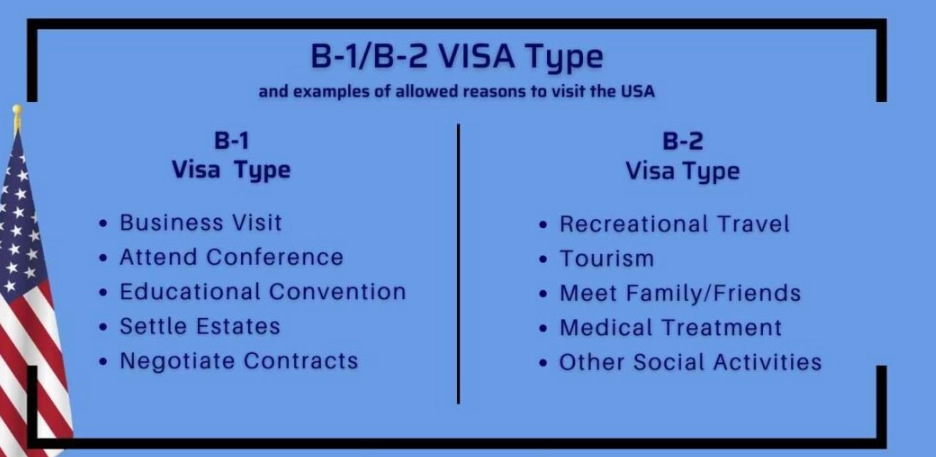
Here’s a checklist I recommend:
| Category | Recommended Documents | Why It's Important |
|---|---|---|
| Mandatory | Passport valid for at least 6 months beyond your intended stay, DS-160 confirmation page, Interview appointment letter, MRV fee receipt, Photo (5cm x 5cm, white background). | Basic requirements. No passport, no interview. |
| Proof of Ties | Employment letter, recent pay stubs, property deeds, business registration documents, marriage/birth certificates for family. | Core evidence you will return home. |
| Financial Proof | Bank statements (last 3-6 months), fixed deposit certificates, tax returns, sponsorship letter (Form I-134) if someone is funding your trip. | Shows you can afford the trip without working in the U.S. |
| Trip Details | Rough itinerary, hotel bookings, invitation letter from family/friends in the U.S. (with their status proof), event tickets (e.g., wedding). | Demonstrates a legitimate, planned purpose for the B2 visa visit. |
The Dreaded Visa Interview: What Really Happens
This is the moment of truth. It's normal to be nervous. The setting is formal – you're at a window, speaking through glass to a consular officer who has minutes to decide.
The interview is usually very short, often just 2-5 minutes. The officer's goal is to assess your credibility. They're trained to look for inconsistencies between your answers and your paperwork.
Common B2 visa interview questions include:
- Why do you want to visit the United States?
- How long do you plan to stay?
- Where will you be staying?
- Who is paying for your trip?
- What do you do for work? How long have you worked there?
- Do you have family in the U.S.? Do you have family in your home country?
- Have you traveled to other countries before?
The key is to be concise, confident, and honest. Answer the question asked, don't volunteer unrelated information. Bring everything back to your ties. If asked about your job, mention how much you love it and that you're expected back on a specific date.
I've heard stories of denials for silly reasons, but usually, it comes down to the officer not being convinced the person will return. Sometimes it feels arbitrary, I admit. But your best defense is solid preparation.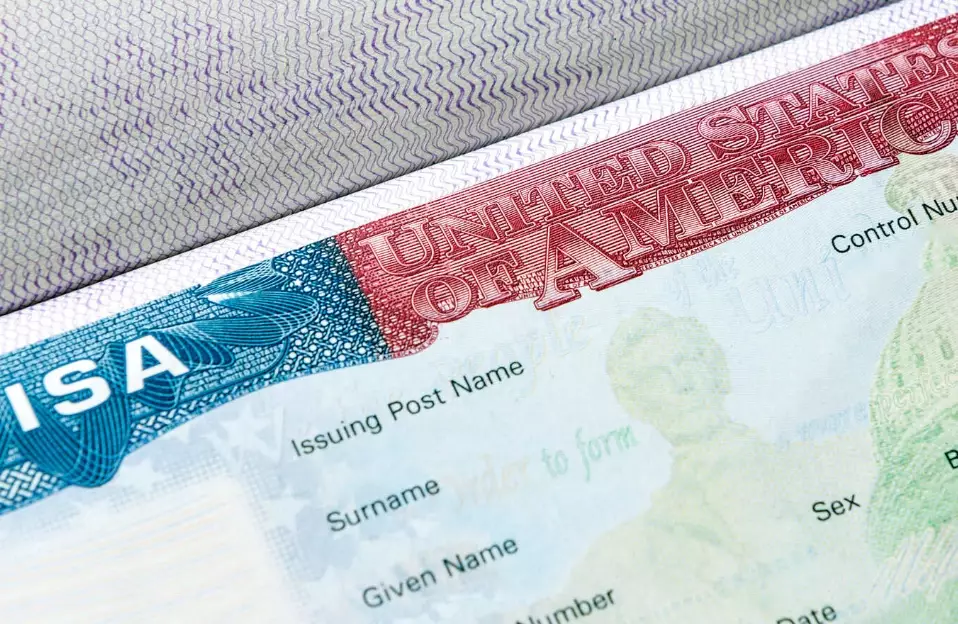
After the Interview: Approval, Denial, and Administrative Processing
You'll typically get a decision right at the window.
Approval: The officer will tell you your visa is approved and keep your passport. It will be returned to you via courier with the visa stamp inside. Check the details on the stamp carefully! It will show the visa type (B1/B2), the number of entries (M for multiple, usually), and the expiration date. Important: The expiration date is the last day you can use the visa to enter the U.S., not how long you can stay. Your permitted stay duration is decided by the CBP officer at the border and is typically noted on the Form I-94 you can retrieve online.
Denial: If denied under Section 214(b) (the most common reason), it means the officer wasn't convinced of your non-immigrant intent. They will return your passport without a visa. You can reapply, but you must address the reason for the previous denial with new, stronger evidence.
Administrative Processing: Sometimes, the officer needs more time for background checks. They'll keep your passport and tell you the application is undergoing necessary administrative processing. This can take from a few weeks to several months. All you can do is wait patiently and respond promptly if they request more information.
You Have the B2 Visa – Now What? Rights, Rules, and Pitfalls
Congratulations! You got your B2 visa. But the responsibility doesn't end there. Misunderstanding the rules is a fast track to losing your visa or even being barred from future entry.
What you CAN do on a B2 visa: Tourism, vacation, visiting family/friends, medical treatment, participating in social events or amateur competitions (if no prize money), and short recreational courses (like a two-week cooking class).
What you CANNOT do on a B2 visa: Work (paid or unpaid), study full-time, be employed by a U.S. company, or seek permanent residency.
One of the biggest gray areas is the length and frequency of stays. There's no set rule like "you can only stay 6 months per year." However, if you spend 6 months in the U.S., leave for a month, and try to return for another 6 months, the CBP officer will likely suspect you are effectively living in the U.S. on a tourist visa. They can deny you entry. The general wisdom is to spend at least as much time outside the U.S. as you spend inside it.
Extending Your Stay or Changing Status
Life happens. Maybe you need medical treatment, or a family emergency keeps you longer. You can apply to extend your stay (File Form I-539 with USCIS) before your authorized stay expires. You must prove the extension is for a legitimate B2 purpose and that you still have ties abroad. It's not automatic.
Changing from B2 status to another (like a student F-1 visa) is possible but tricky. You must file before your B2 status expires and prove you didn't intend to study when you entered on the B2 visa. It's a common red flag for immigration officials.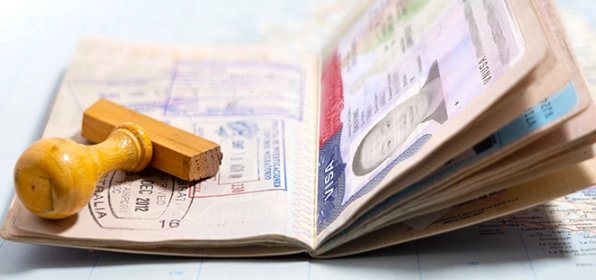
Frequently Asked Questions (The Real Ones People Ask)
Let's tackle some specific, nitty-gritty questions that pop up in forums and emails all the time.
Look, the B2 visa process is bureaucratic and can feel invasive. It's not perfect. The uncertainty is the worst part. But by understanding the "why" behind the questions and preparing a genuine, well-documented case, you dramatically increase your chances. It's about building a story of your life at home that is so concrete, so real, that the officer has no doubt you're just going for a visit.
Start early, be meticulous, and don't try to game the system. Good luck with your application.



Comments
Leave a Comment