What's Inside This Guide?
Choosing the best time to visit the Grand Canyon is more than just picking a date on the calendar. It's about aligning your expectations with the reality of this vast place. I've been guiding trips here for over a decade, and I've seen too many people make the same mistake: they focus solely on weather, forgetting that the Grand Canyon is essentially two different destinations—the North Rim and the South Rim—each with its own rhythm.
The South Rim is open year-round, but the North Rim closes from mid-October to mid-May due to snow. If you're set on seeing the canyon from the North Rim, you're limited to a short window. Most first-timers don't even realize the North Rim exists, let alone that it offers a completely different perspective and a fraction of the visitors. That's your first non-consensus tip: for a truly immersive experience, target the North Rim if you can handle the logistical challenge of a shorter season.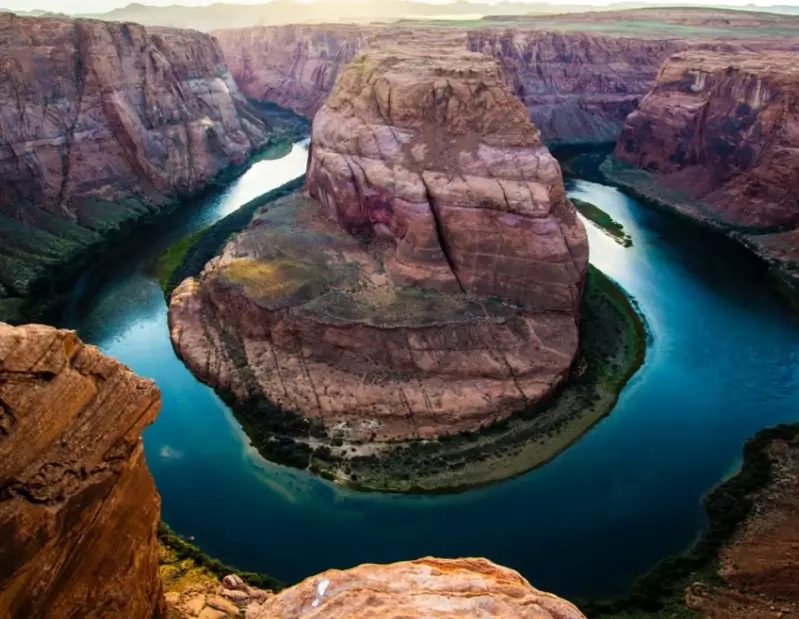
The Best Time to Visit the Grand Canyon
Let's cut to the chase. There is no single "best" time. The answer depends entirely on what you want to do and what you want to avoid. Are you looking for perfect hiking weather with minimal crowds? Or do you prioritize accessibility and open facilities? The canyon's personality changes dramatically with the seasons.
Spring (April to June): The Sweet Spot
This is my personal favorite, and for good reason. Daytime highs at the South Rim range from a comfortable 60s to 80s Fahrenheit (15-27°C), while nights can still dip below freezing. The snowmelt feeds the waterfalls, and the desert wildflowers are in full bloom—a sight that few people plan for but is genuinely breathtaking. The catch? By late May, the summer crowds start to build, especially around Memorial Day weekend. My advice: aim for the first two weeks of May. You'll miss the peak of the wildflower bloom at the lower elevations, but you'll also miss the initial surge of the summer vacation crowd.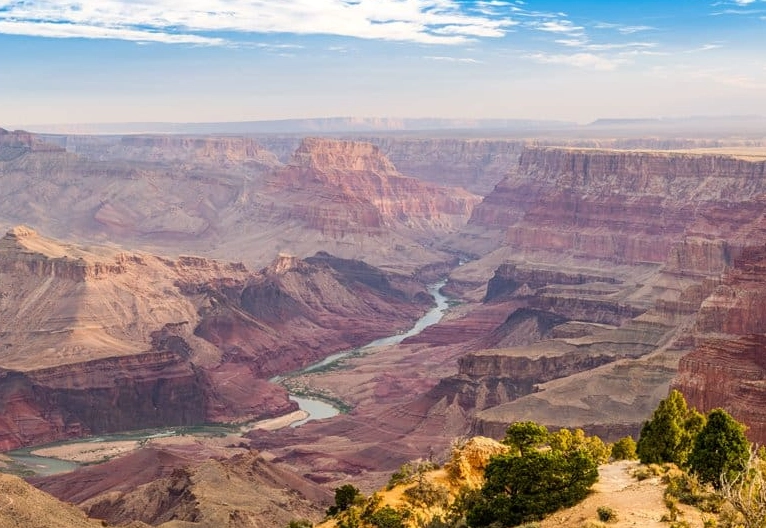
Fall (September to November): A Close Second
Fall mirrors spring in many ways, but with a crucial difference: the weather is more stable. The monsoonal rains of July and August have passed, leaving clear skies and comfortable temperatures. This is prime time for photographers. The light is softer, and the air clarity after the summer storms is unmatched. However, this also means it's peak season for tourists. If you dislike crowds, avoid late September through October.
Understanding the Grand Canyon Visiting Seasons
Winter (December to February) at the South Rim is cold, with occasional snow and ice. Temperatures often drop below freezing, especially at night. Many facilities and services have reduced hours or may close temporarily due to weather. Now, here's a subtle mistake that most beginners make: they see "snow" and think the canyon is "closed" or "not worth visiting." That's wrong. Winter offers a unique stark beauty, with snow-dusted canyon walls and a near-total absence of crowds. The roads are usually plowed, and the South Rim remains fully accessible. The challenge isn't the weather; it's being prepared for it. I've seen people show up in sneakers expecting a leisurely stroll along the rim in January. Don't be that person. Pack layers, waterproof boots with good traction, and check the National Park Service's current conditions before you go.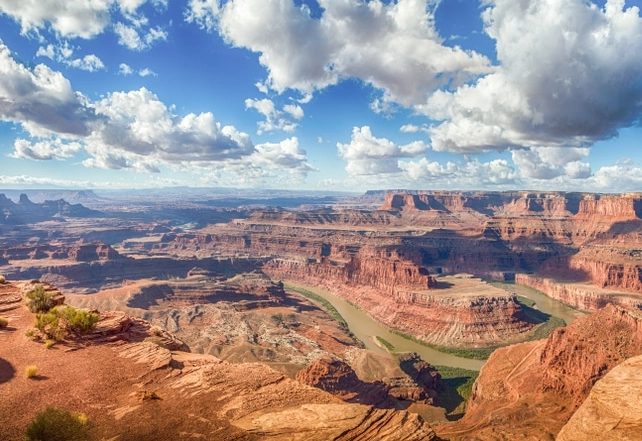
Summer (July and August): The Brutal Truth
Let's be honest: summer at the Grand Canyon can be brutal. Temperatures inside the canyon can soar well above 100°F (38°C). The South Rim sees its highest visitor numbers, and the trails, especially those going down into the canyon, become dangerously hot. If you must visit during summer, your only sane option is to focus on the rims (South or North) and start any hike before 10 a.m. Bring more water than you think you need—I recommend at least one gallon per person per half-day—and be prepared to turn around if you start feeling overheated. This isn't a suggestion; it's a safety imperative.
How to Avoid the Crowds at the Grand Canyon
Most visitors flock to the South Rim. It's accessible, has the most iconic views like Mather Point and Yavapai Observation Station, and is where all the classic postcard shots are taken. But here's a non-consensus view from a decade of guiding: the South Rim's popularity is its own worst enemy. If you want to avoid the crowds, you have two real choices.
First, visit during the shoulder seasons (late spring or early fall). The weather is still good, but the numbers drop significantly. Second, and this is the crucial part that most guides don't emphasize enough: get away from the developed viewpoints. A ten-minute walk from the parking lot at Mather Point along the Rim Trail to the east will give you views just as stunning, with a fraction of the people. Better yet, consider the North Rim if it's open. It gets only 10% of the South Rim's visitation, feels wilder, and has a higher average elevation (about 1,000 feet higher) which makes it significantly cooler in summer.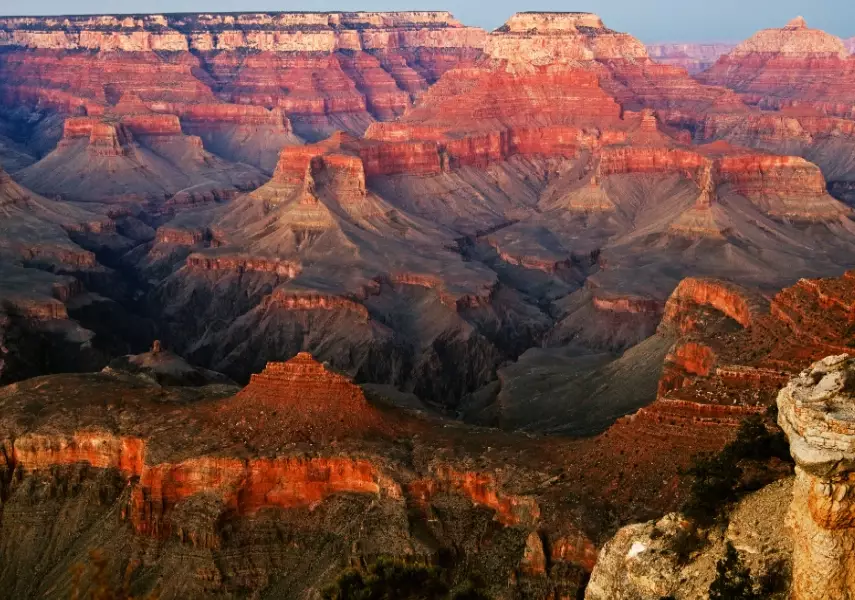
What Are the Top Activities to Do at the Grand Canyon?
This isn't just a list; it's a strategy based on the best time to visit. Your activities dictate the ideal season.
- Hiking the Inner Canyon Trails: This is a serious undertaking. Trails like Bright Angel or South Kaibab descend over 4,000 feet in elevation. The best time for these hikes is spring or fall. Summer temperatures at the canyon floor are extreme and can be life-threatening without proper preparation (think carrying double your usual water). Winter brings ice and snow to the upper portions of the trails, making them treacherous without crampons or experience.
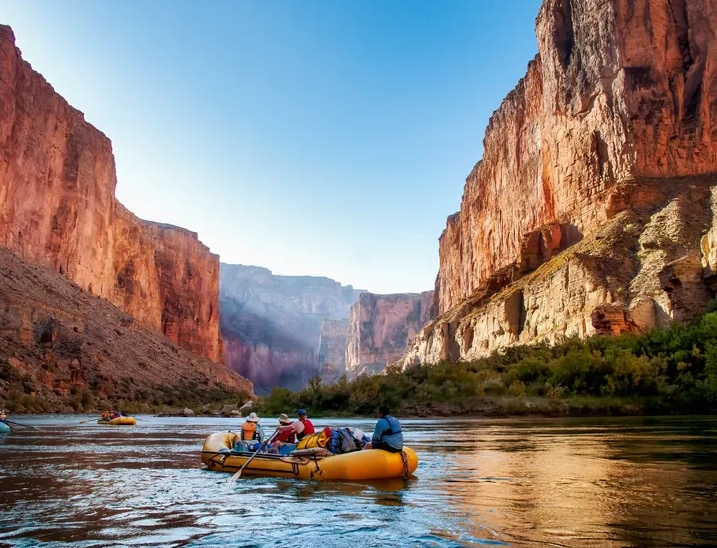
- Rafting the Colorado River: This is a multi-day expedition. Most commercial rafting trips operate from April through October, with peak flows in May and June from snowmelt. If you want the biggest whitewater, target the earlier season. For a more relaxed, family-friendly float, consider the late summer or early fall when water levels are lower.
- Scenic Driving and Rim Viewpoints: These are accessible year-round. However, some roads like the Desert View Drive may have temporary closures in winter due to snow. Always check road conditions before you go.
- Helicopter Tours and Mule Rides: These are weather-dependent. Helicopter tours operate year-round but are most frequent and reliable in the spring and fall when winds are calmer. Mule rides down into the canyon are offered year-round but are subject to trail conditions and heat restrictions in summer.
See how that works? Your activity choice narrows down the "best" time considerably.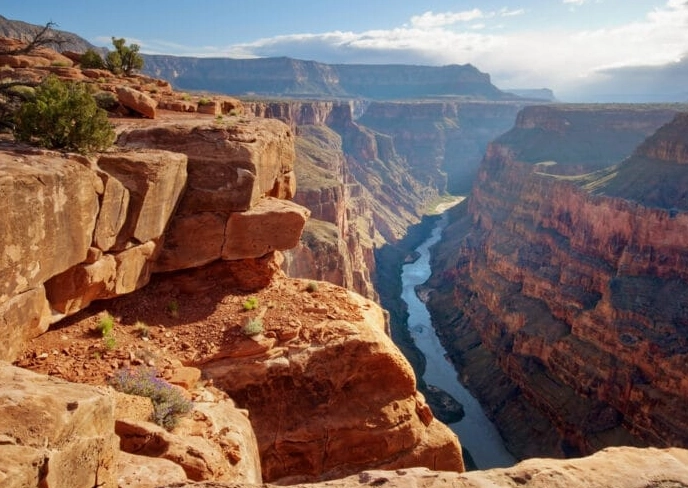
Planning Your Trip to the Grand Canyon
Now, let's get practical. Knowing the best time is useless without knowing how to plan around it.
Where to Stay
Inside the park, your options are limited, bookable through Xanterra, and often sell out a year in advance for peak seasons. This is a pain point for many visitors. My solution? Look at the gateway towns. Tusayan, Arizona (South Rim) and Jacob Lake, Arizona (North Rim) offer a wider range of accommodations, from hotels and motels to campgrounds and RV parks. The trade-off is you'll have a longer drive into the park each morning.
Getting There and Getting Around
The Grand Canyon is remote. Your choice of airport (Las Vegas, Phoenix, or Flagstaff) dictates your drive time. Once there, you'll rely on the park's free shuttle buses on the South Rim (operating year-round on the Hermit Road and seasonally on the Desert View Drive) or your own vehicle. A personal vehicle offers the most flexibility, especially for visiting the North Rim or accessing viewpoints along the East Rim.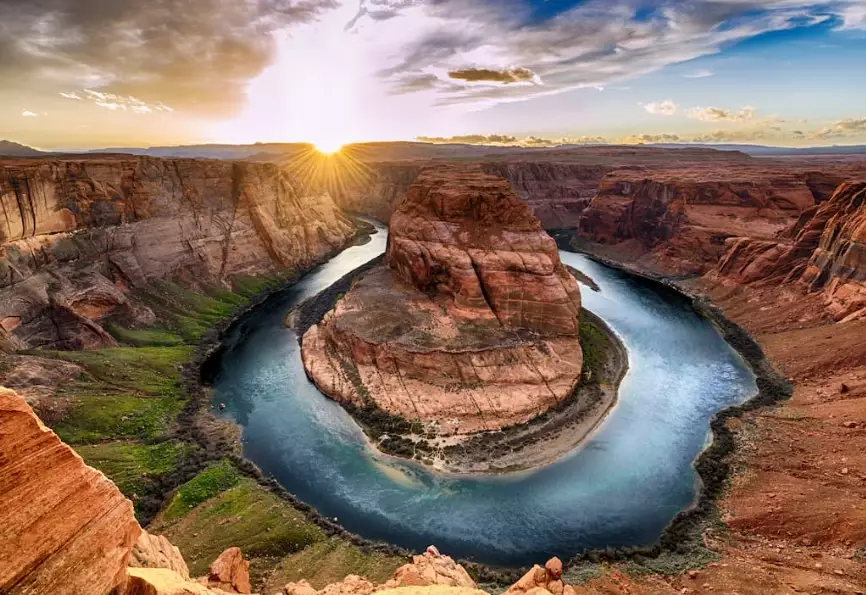
What to Pack
This is non-negotiable. The desert climate is deceptive. It can be scorching hot at the rim and freezing cold inside the canyon, sometimes on the same day. Layering is key. Pack:
- Sturdy, broken-in hiking boots with good ankle support. I've seen more ankle injuries on the Bright Angel Trail from people wearing new shoes than from any other cause.
- Moisture-wicking base layers, insulating mid-layers, and a windproof/waterproof outer shell.
- A wide-brimmed hat, sunglasses, and sunscreen. The sun is intense at 7,000 feet elevation, and the reflection off the canyon walls can double your UV exposure.
- More water than you think you need. A good rule is one gallon per person per half-day of hiking. Double that if you're going down into the canyon.
- High-energy snacks and meals that don't require cooking. Many of the picnic areas have grills, but if you're planning to hike, you'll want food that's easy to eat on the go.
And finally, a personal negative: the sheer popularity of the South Rim has led to a certain Disney-fication of the experience. You'll find long lines for the shuttle buses, crowded viewpoints, and a gift shop every hundred yards. It can feel overwhelming. My workaround? Start your day at sunrise. Not only will you beat the vast majority of the day-trippers arriving on tour buses from Las Vegas, but you'll experience the canyon in a quiet, golden light that is simply magical. It's a cliché, but it's true.
So, when is the best time to visit the Grand Canyon? The answer is simple: when it aligns with your personal goals for the trip. Use the seasons as your guide, not your master.


Comments
Leave a Comment