Let's get this out of the way first: asking for the single best time to visit California's national parks is like asking for the best tool in a toolbox. It depends entirely on the job. Are you trying to see a waterfall at full roar, hike a desert canyon without heatstroke, or find a quiet moment among ancient trees? California's parks span from below-sea-level deserts to alpine peaks over 14,000 feet. Their "best" times are wildly different.
I've spent over a decade exploring these places in every month, dealing with surprise snowstorms in May, empty trails on perfect October days, and yes, sitting in bumper-to-bumper traffic in Yosemite Valley in July. This guide won't give you a generic answer. It'll give you the specifics for each major park so you can match the season to your dream trip.
Plan Your Perfect Trip
Park-by-Park Breakdown: When to Go and Why
Forget the state average. Here’s the real schedule, park by park.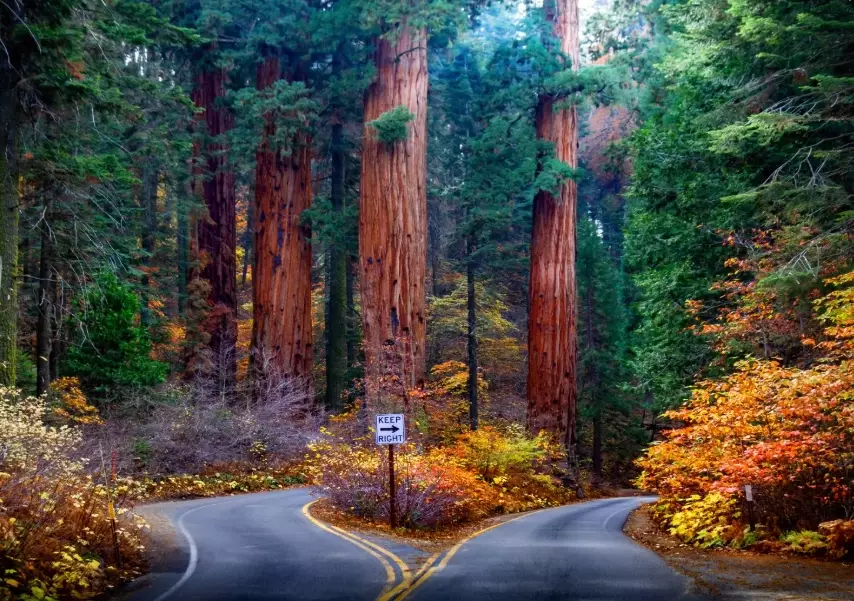
Yosemite National Park
Address & Access: Primary entrances are via CA-120 (Big Oak Flat), CA-140 (Arch Rock), and CA-41 (South). GPS can be unreliable; have a map. Fee: $35 per vehicle, valid 7 days. Official NPS site for reservations.
The classic dilemma: spring runoff or fall colors?
Prime Time (Shoulder Seasons): Late May to June & September to October. In late spring, the waterfalls (especially Yosemite Falls and Bridalveil Fall) are thunderous from snowmelt. By June, most high-country roads (like Tioga Pass) usually open, but check status. Crowds build but aren't at peak insanity. Fall brings crisp air, golden dogwood and cottonwood leaves, and significantly fewer people after Labor Day. Hiking conditions are ideal.
Summer (July-August): This is when you need a strategy. The valley is packed, hot, and often hazy from fires. The mistake? Only staying in the valley. Your salvation is the high country—Tuolumne Meadows. It's 20 degrees cooler, far less crowded, and stunning. But you must book lodging or campgrounds there well in advance.
Winter (November-April): A completely different, quiet park. The valley is beautiful with snow, and you can ice skate at Curry Village. But Glacier Point Road and Tioga Pass are closed. Access is limited to the valley and Wawona. Chains are frequently required.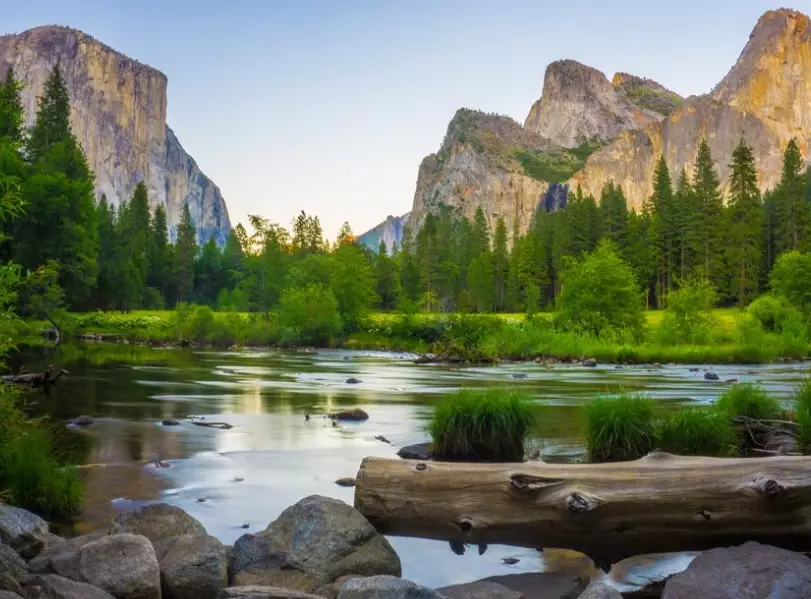
Sequoia & Kings Canyon National Parks
Address: Main entrance via CA-198 to Three Rivers for Sequoia; CA-180 from Fresno for Kings Canyon. Fee: $35 per vehicle, covers both parks.
These sibling parks are all about the giant trees and deep canyons. Their season is shorter than Yosemite's.
Prime Time: June to early October. This is when all areas are accessible. June for wildflowers in the subalpine meadows, September for stable weather and smaller crowds. The Generals Highway connects the parks, but it's a winding mountain road—snow closes parts of it from roughly November to May.
A key tip: Kings Canyon's Cedar Grove area (the canyon floor) is one of the last places to heat up and first to cool down. It's perfect for summer hiking when the foothills are baking.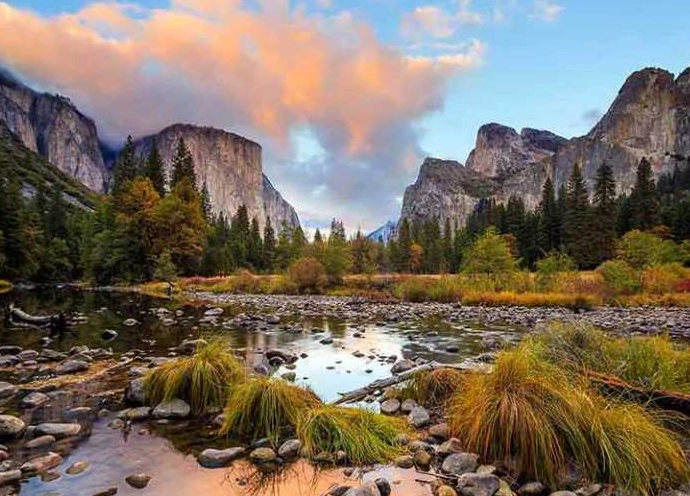
Death Valley National Park
Address: Multiple entrances; common ones are from CA-190 near Furnace Creek or from NV-374 near Beatty. Fee: $30 per vehicle. Note: It's massive—fill your gas tank before entering.
This one flips the script. You go in the "off-season" for everyone else.
Prime Time: November to March. This is winter, and it's the only time hiking is safe for most people. Daytime temps are in the 60s-70s°F (15-25°C), nights are cold. It's perfect for exploring Badwater Basin, Golden Canyon, or Artist's Palette without risking heat illness.
Spring (March-April): The wildflower gamble. If there's been a "superbloom," it's unforgettable. If not, it's just getting uncomfortably hot. Check bloom reports from the park before you commit.
Summer (May-October): Just don't. Seriously. Temperatures regularly exceed 120°F (49°C) at Furnace Creek. It's dangerously hot for any significant activity. Some people go to experience the extreme heat, but that requires serious preparation and sticking to short, paved viewpoints at dawn.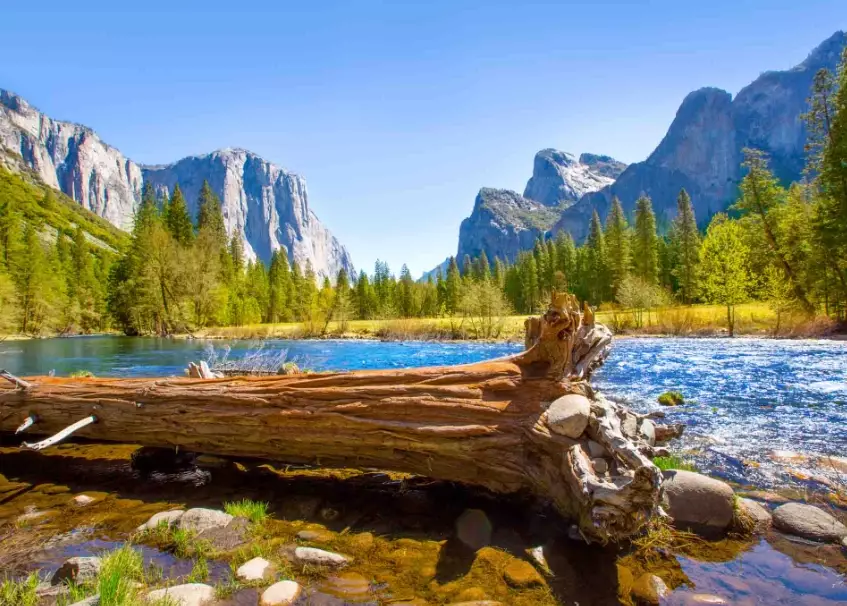
Channel Islands National Park
Access: No bridge. You must take a boat (Island Packers) from Ventura or Oxnard, or a small plane. Fee: Park entry is free, but boat transport costs $60-$120+ per person round-trip.
This is California's Galapagos. The season is less about temperature and more about ocean conditions and wildlife.
Prime Time: April/May through October. The Pacific is calmer, crossing is smoother, and water visibility is better for kayaking and snorkeling. Summer offers the warmest water (still chilly) and peak activity for island foxes and seabirds.
Winter & Spring: Whale watching is prime! Gray whales migrate past the islands December through April. The crossing can be rougher, and it's colder, but for wildlife enthusiasts, it's worth it.
Lassen Volcanic National Park
Address: Main entrances on CA-89 near Manzanita Lake (NW) or near the Kohm Yah-mah-nee Visitor Center (SW). Fee: $30 per vehicle.
California's hidden gem, Lassen feels like a mini Yellowstone with far fewer people. Its defining feature? A very short summer.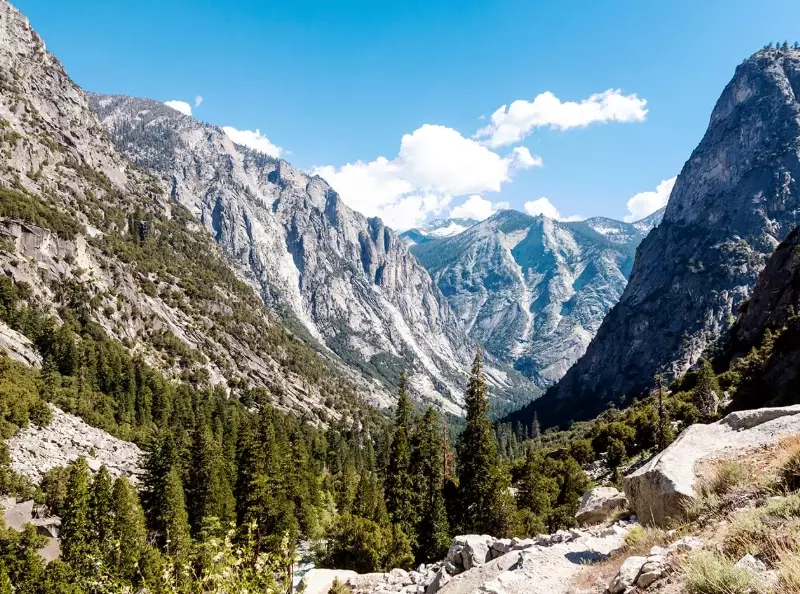
Prime Time: July to September. The park's main road, Lassen Volcanic National Park Highway, is typically snow-free only during this window. This is your chance to hike Bumpass Hell (a hydrothermal basin), summit Lassen Peak, and see the lakes thawed. Go in early July for lingering snowfields, late September for fall color and solitude.
Outside this window, you're in a snowpark. Great for snowshoeing and cross-country skiing, but road access is severely limited.
Joshua Tree National Park
Address: Three entrances: West (near Joshua Tree town), North (Twentynine Palms), South (Cottonwood). Fee: $30 per vehicle.
The sweet spot here is all about comfortable desert exploration.
Prime Time: October to April. Fall, winter, and early spring are glorious. Days are mild (60s-70s°F), nights are cold—perfect for camping. This is prime rock climbing and hiking weather. The park gets incredibly popular on weekends; try for weekdays.
Spring (March-May): Can be lovely, but temps start climbing fast by May. Also, this is when the infamous "spring break" crowds descend, especially around the popular Hidden Valley and Barker Dam areas.
Summer (June-September): Like Death Valley, it's brutally hot. Over 100°F (38°C) is standard. If you go, your activity window is 5:00 AM to 9:00 AM.
The Seasonal Showdown: Pros, Cons & Surprises
Let's compare what each season generally offers across the board. Remember, "winter" means something very different in the Sierras versus the deserts.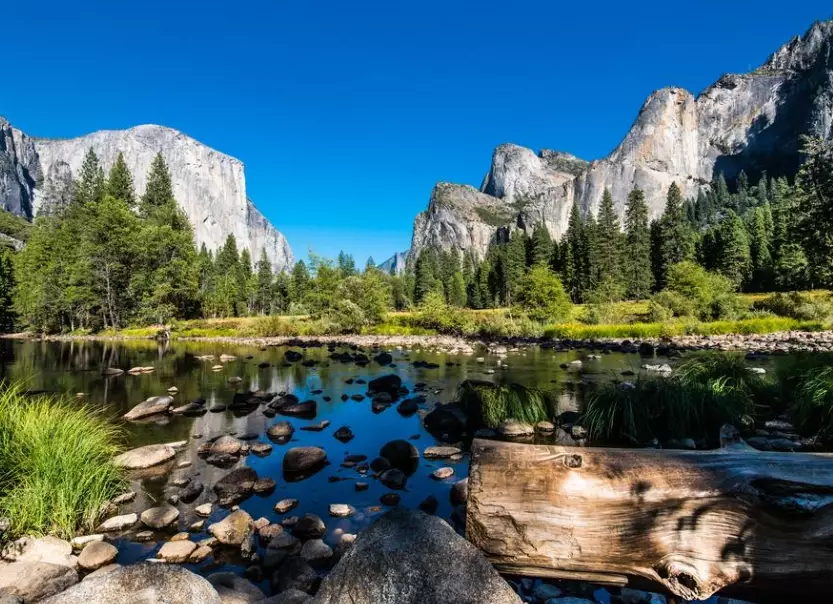
| Season | Best For Parks Like... | Biggest Advantage | Watch Out For |
|---|---|---|---|
| Spring (Apr-Jun) | Yosemite, Channel Islands, Desert Blooms (hit or miss) | Waterfalls are epic, wildflowers, migrating whales. | Unpredictable weather (snow in mountains), Tioga Pass/other high roads often still closed until June. |
| Summer (Jul-Aug) | Lassen, Sequoia/Kings Canyon High Country, Channel Islands | All roads and trails open, long days, warm water for swimming/kayaking. | Extreme crowds in popular areas (Yosemite Valley), heatwaves in foothills/deserts, wildfire smoke. |
| Fall (Sep-Oct) | Yosemite, Sequoia, Joshua Tree, Death Valley (late Oct) | Fewer crowds, stable weather, fall colors in the Sierras, comfortable desert temps. | Early snowstorms can close high passes (Tioga, Lassen) suddenly. Shorter days. |
| Winter (Nov-Mar) | Death Valley, Joshua Tree, Channel Islands (whales), Snow sports in Yosemite/Sequoia | Solitude (except holidays), unique snowy landscapes, ideal desert hiking. | Major road closures in mountain parks. Limited services. Cold nights everywhere. |
Putting It All Together: Sample Park Pairings
Most people don't fly to California for just one park. Here’s how to combine them logically based on season.
Classic Summer Sierra Trip (July): Start in Yosemite for 2 days, but focus on Tuolumne Meadows. Then drive south on CA-41/CA-180 to Kings Canyon (Cedar Grove) for 2 days of canyon hiking. Finish with 2 days among the giants in Sequoia's Giant Forest. This route follows the melting snow uphill.
Perfect Fall Loop (October): Fly into Las Vegas. Drive to Death Valley (2 hours) for 2 days of perfect hiking weather. Then, drive to Joshua Tree (4 hours) for 2 days of rock scrambling and star-gazing. End with a drive back to Vegas. You hit two iconic deserts in their prime season.
Spring Coastal & Island Adventure (May): Base yourself in Ventura. Take a day trip to the Channel Islands (Santa Cruz Island for hiking/kayaking). The next day, drive up the coast to Big Sur (not a national park, but stunning) or inland to explore the foothills of Sequoia before the Generals Highway fully opens to the giants.
Beyond the Calendar: Pro Tips from the Trail
After countless trips, here’s what I’ve learned that most first-timers miss.
1. Target the "Shoulder Months" within the shoulder season. Everyone says "go in September." So June and October are now often better. Early June in Yosemite (if Tioga is open) is less crowded than late September. Late October in Death Valley is better than packed November.
2. Embrace the "Five AM Rule" for popular parks. At Yosemite, Zion, Arches—any iconic park—the difference between arriving at a trailhead at 7 AM versus 9 AM is the difference between solitude and a conga line. In summer, it's also the only cool part of the day. Get up early. Have coffee in the parking lot. You won't regret it.
3. The entrance station is not your first stop. Your first stop should be the nearest large grocery store outside the park to load up on water, snacks, and lunch supplies. Park stores are expensive and have limited selection.
4. Check for more than just "open/closed." Look at the park's official website for the current conditions page. This will tell you about waterfall flow, wildflower status, mosquito levels (brutal in the Sierras in July!), and trail-specific issues like bear activity or rockfalls.
5. Have a "Plan B" hike always. Your dream hike to Half Dome might require a permit lottery you didn't win. The road to your trailhead might be closed for construction. Always research a second, equally appealing option for each day.
So, what's the best time? It's the time that aligns with what you want to do and see, in the specific park you're targeting. Use this guide to match your tolerance for crowds, heat, and uncertainty with the park's seasonal personality. Then get out there. The redwoods, the granite, the desert silence—they're waiting, and there's never a truly bad time to be in a place that's been preserved for forever.




Comments
Leave a Comment