Ask anyone about the best time for California beaches and you'll likely get a knee-jerk "summer" answer. They're picturing endless sun, warm sand, and perfect waves. I've spent over a decade chasing that ideal up and down the Pacific Coast Highway, and I'm here to tell you the postcard version is often wrong. The truth is more nuanced, and getting it right is the difference between a magical coastal escape and a disappointing, fog-shrouded shiver-fest.
California's coastline is a beast of microclimates. The experience in San Diego is worlds apart from what you get near San Francisco. Your "best time" depends entirely on what you want: scorching sun or mild breezes, bustling boardwalks or secluded coves, swimming in the surf or watching whales breach.
Your Quick Beach Trip Planner
The Great Divide: Southern vs. Northern California
This is the single most important factor. Treating the California coast as one entity is the biggest mistake you can make.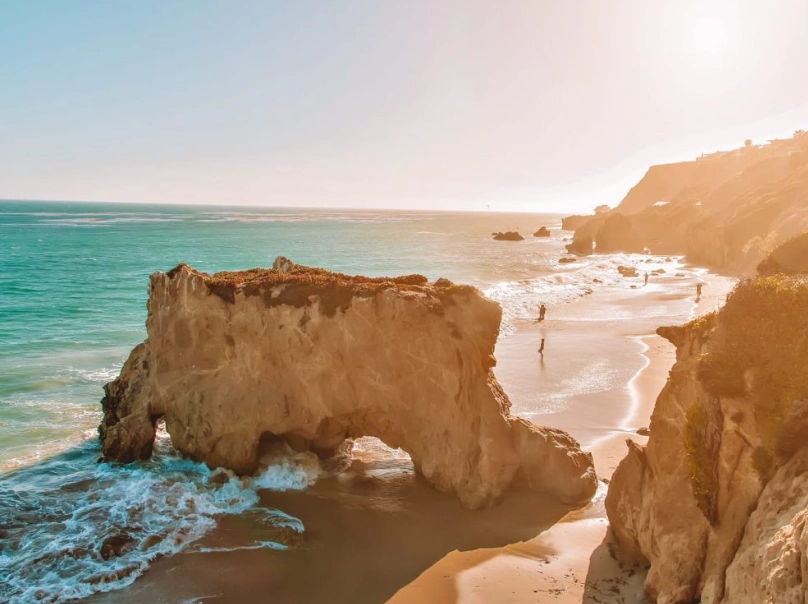
Southern California (San Diego to Santa Barbara)
Here, you're chasing reliable warmth and sun. The water is (relatively) warmer. But there's a catch: June Gloom. From late May through July, a persistent marine layer often blankets the coast in morning clouds that may not burn off until afternoon, especially in beach cities like Santa Monica or Huntington Beach. I've seen too many families arrive in early June expecting blazing sun, only to pack up their towels by noon, disappointed. The sunniest, most predictable weather typically arrives in late August, September, and October. The ocean is also at its warmest then.
Northern & Central California (Monterey to Mendocino)
Forget everything you know about beach weather. Up here, summer is often the foggiest, windiest, and coldest season. The iconic image of the Golden Gate Bridge peeking through fog? That's a summer staple. If you want the best chance of clear, sunny days on beaches like Stinson or near Point Reyes, aim for September and October. Fall is king. The fog retreats, the winds calm, and you get stunningly beautiful days—though the water remains frigid year-round.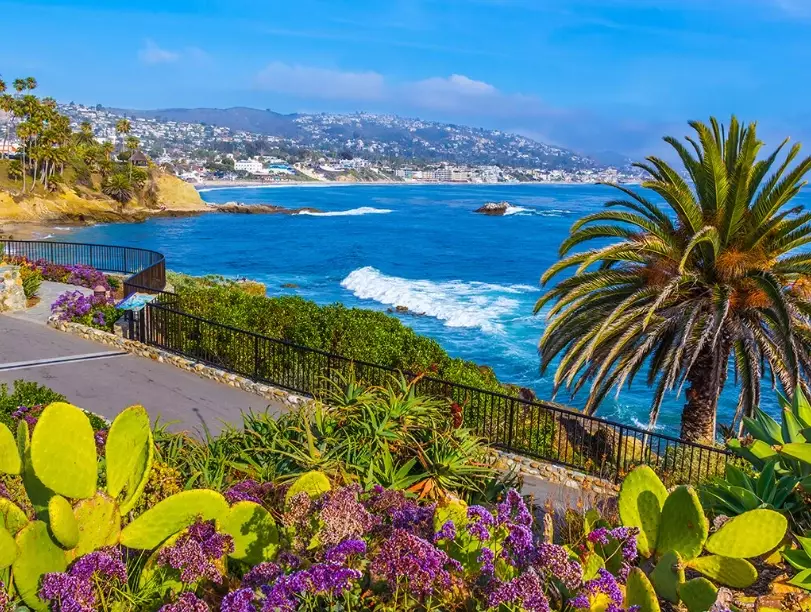
| Coast Region | Prime Sunny Season | Water Temp Peak | Key Consideration |
|---|---|---|---|
| Southern California (e.g., San Diego, Laguna, Santa Monica) |
Late Aug - Oct | Sept - Early Oct (High 60s°F / ~20°C) |
June Gloom; crowded Jul-Aug |
| Central Coast (e.g., Santa Barbara, Pismo, Big Sur) |
Apr - Jun & Sep - Nov | Late Sep - Oct (Mid 60s°F / ~18°C) |
Less fog than north, more variable than south |
| Northern California (e.g., Monterey, Santa Cruz, Point Reyes) |
Sep - Oct | Sep - Oct (Mid 50s to low 60s°F / 13-16°C) |
Summer fog & wind; water always cold |
A Season-by-Season Breakdown: What to Really Expect
Spring (March - May)
Wildflowers on the coastal bluffs, green hills, fewer people. This is a fantastic time for hiking to beaches and scenic drives. The water is cold, but the days are often pleasant. In Southern California, you might hit perfect 75°F (24°C) days. In the north, it's still hit-or-miss with rain possible through April. This is prime time for whale watching as grays migrate north.
Summer (June - August)
The crowds descend. Prices peak. In Southern California, expect morning clouds (June Gloom) giving way to afternoon sun, especially by July. It's busy, but the long days and vibrant energy are infectious. In Northern California, this is fog central. Don't be surprised if you never see the sun at Ocean Beach in San Francisco. If you must visit NorCal in summer, plan for inland activities in the afternoon when it's sunny.
Fall (September - November)
My personal favorite, and the true secret season. Crowds thin dramatically after Labor Day. The water is warmest. The fog lifts, especially in the north. September and October offer the most reliable sunshine across the entire state. It's ideal for beach camping, coastal drives without traffic, and enjoying sunsets without a jacket. This is the best time for a Pacific Coast Highway road trip.
Winter (December - February)
You're not coming for a swim. You're coming for storm watching, dramatic waves, empty beaches, and lower prices. It can be rainy (especially in the north), but between storms are crisp, clear, breathtakingly beautiful days. Southern California can have stretches of sunny, 65°F (18°C) weather that feels like spring elsewhere. This is also the southbound gray whale migration season.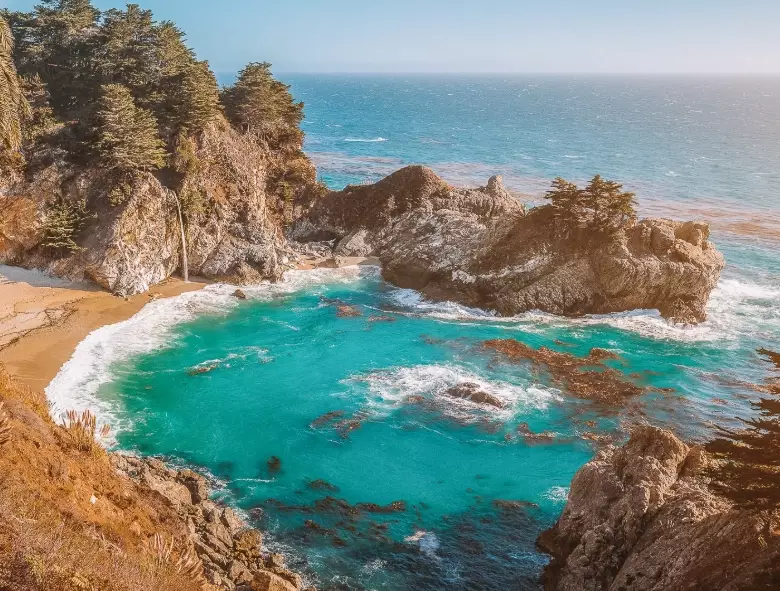
Thinking Beyond the Weather: Crowds, Costs & Events
Weather is only half the story. Your perfect beach day can be ruined by a packed shoreline or a drained wallet.
Crowd Calendar: Peak crowds hit from mid-June through August, with spikes around July 4th and Labor Day. Weekends are always busier. For solitude, target weekdays in the shoulder seasons (spring and fall).
Cost Factor: Hotel and rental prices shadow the crowd calendar. You can save 30-50% by visiting in late spring (May) or fall (October) versus July. Winter offers the best deals, outside of holiday weeks.
Event Conflicts: Check local calendars. A big surf competition, marathon, or festival (like the massive US Open of Surfing in Huntington Beach in late July) can transform a beach town, for better or worse.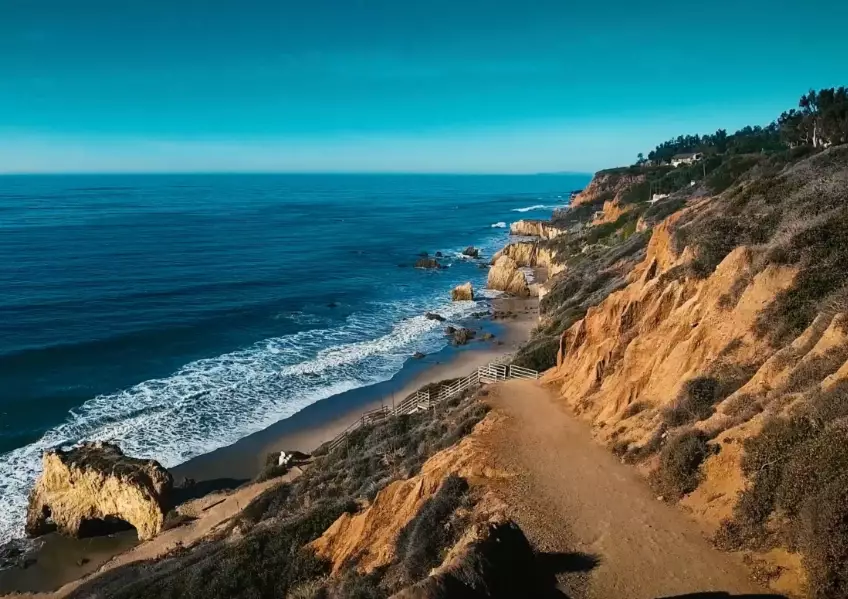
Pro Tips from a Coastal Regular
- Always Pack Layers. Even on a hot summer day in SoCal, a coastal breeze can pick up by late afternoon. In NorCal, a fleece and windbreaker are non-negotiable year-round.
- Check the Surf Report. Sites like Surfline or the National Weather Service coastal forecast give you wind direction, swell, and water temp—more useful than a basic weather app.
- Embrace the Microclimate. If it's foggy at the beach, drive 15-20 minutes inland. You'll often find sunshine. This works in both Southern and Northern California.
- For Warm Water Swimming: Head to beaches with natural wind protection, like Coronado (San Diego) or Crescent Bay (Laguna). The water in protected coves heats up faster.
- Parking is a Battle. At popular beaches, arrive before 10 AM or after 3 PM to have a shot at public lot parking. Research paid lots or residential street restrictions in advance.
Your Beach Timing Questions, Answered
So, what's the final verdict? Ditch the simple "summer" answer. For guaranteed sun and warm water in the south, target September. For clear, stunning days in the north, choose early fall. For fewer crowds and lower prices with decent weather, late spring is your friend. And if you crave drama and solitude, winter has a powerful, raw beauty all its own. Match the season to your personal beach dream, and you'll find your perfect California coast moment.


Comments
Leave a Comment