Your Quick Guide
- First Things First: The Big Picture Questions
- Crafting Your Route: The Fun Part (and the Hard Part)
- Getting Around: Your Transportation Crossroads
- Where to Lay Your Head: Accommodation Deep Dive
- The Nitty-Gritty: Visas, Money, Phones, and Packing
- Putting It All Together: A Sample 3-Week Hybrid Plan
- The Final Step: Embrace the Detour
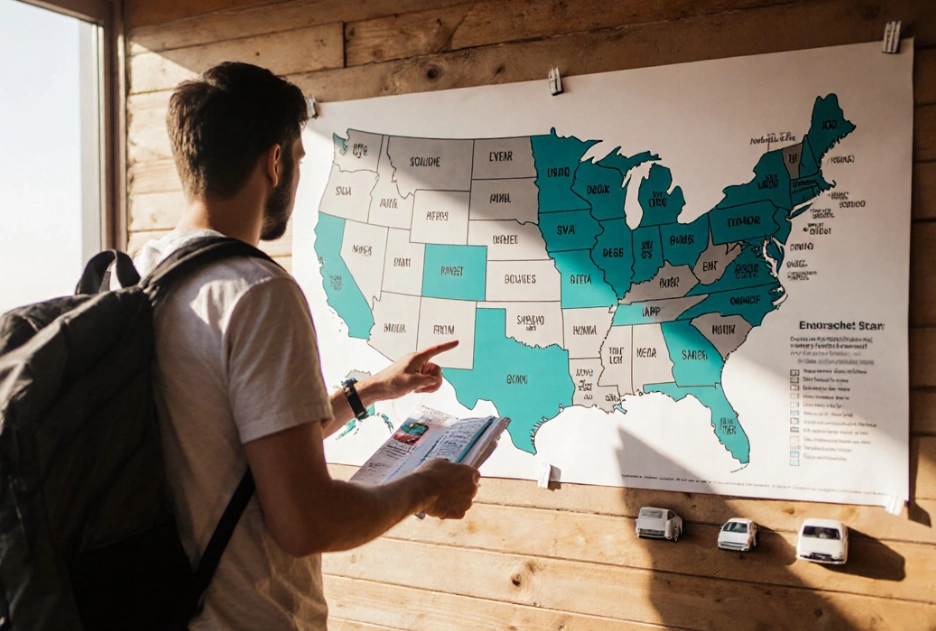
Let's be honest. The idea of planning a trip around the USA can feel totally overwhelming. You're looking at a country that's massive, diverse, and packed with options. Do you drive? Fly? Stick to cities or chase national parks? How much will it actually cost? I remember staring at a map, feeling a mix of excitement and pure panic. I've made the mistakes—the over-ambitious itinerary, the budget blowout, the "why did I pack this?" moments—so you don't have to.
This isn't a fluffy, inspirational piece. It's a practical, step-by-step manual on how to plan a trip around the USA that you can actually execute. We'll break down the monster task into bite-sized pieces.
First Things First: The Big Picture Questions
Before you Google a single hotel or flight, you need to answer three foundational questions. Get these wrong, and your entire plan could wobble.
1. What's Your Travel Style and Pace?
Are you a go-go-go city explorer, or a slow-moving nature lover? I learned this the hard way on my first big trip. I tried to cram three major cities into one week. It was exhausting, and I felt like I saw nothing properly. Be real with yourself. Do you want to wake up in a new place every two days, or settle in for a week to really feel a region?
This directly impacts how to plan a trip around the USA. A fast pace means more money on transport and less downtime. A slow pace means you can explore deeper but cover less ground.
2. What's Your Realistic Budget?
Everyone asks "how much does a USA trip cost?" The answer is infuriatingly simple: it depends. A lot. But you can't plan without a number. You need a total figure, then break it down. I suggest a rough 50/30/20 split: 50% for transport and lodging, 30% for food and activities, 20% as a contingency buffer (because things always come up).
Here’s a blunt look at potential daily costs for one person, not including long-distance flights or car rentals:
| Budget Style | Accommodation | Food & Drink | Activities/Transport | Estimated Daily Total |
|---|---|---|---|---|
| Budget Backpacker (hostels, cooking, buses) | $30 - $60 | $20 - $30 | $15 - $25 | $65 - $115 |
| Mid-Range Traveler (motels/Airbnb, mix of eating out) | $80 - $150 | $40 - $60 | $30 - $50 | $150 - $260 |
| Comfort Seeker (hotels, restaurants, tours, flights) | $150 - $300+ | $70 - $120+ | $60 - $100+ | $280 - $520+ |
See? Huge range. Multiply that by your trip length. Be honest. It's better to have a shorter, fully-funded trip than a long, stressful one where you're counting pennies every meal.
3. How Much Time Do You Really Have?
Two weeks? Two months? This is the biggest constraint. A common mistake is trying to see "all of America" in two weeks. You can't. Don't try. It's a recipe for burnout. Focus on a region. For a 2-week trip, maybe pick the Pacific Coast (California, Oregon, Washington) or the Southwest (Grand Canyon, Utah parks, Las Vegas). For a month or more, you can start linking regions together in a more coherent loop.
Time dictates the scope of your entire plan. It's the first box you have to fit everything else into.
Crafting Your Route: The Fun Part (and the Hard Part)
This is where knowing how to plan a trip around the USA gets tactical. You have your style, budget, and time. Now, where do you actually go?
Forget a perfect coast-to-coast line on a map. Think in terms of clusters and connectors. What are your "must-see" anchors? A national park? A specific city? Plot those first. Then, look at what's logically in between.
Use Google Maps' "Add destination" feature religiously. It's your best friend for estimating drive times. Pro tip: Add 20% to whatever Google says. Traffic, bathroom breaks, photo stops, and that weird roadside attraction (like the world's largest ball of twine in Kansas) all add up.
Classic USA Trip Routes to Spark Ideas:
- The Classic American Road Trip: Route 66 from Chicago to Santa Monica (or parts of it). It's touristy, sure, but it's iconic for a reason—pure Americana.
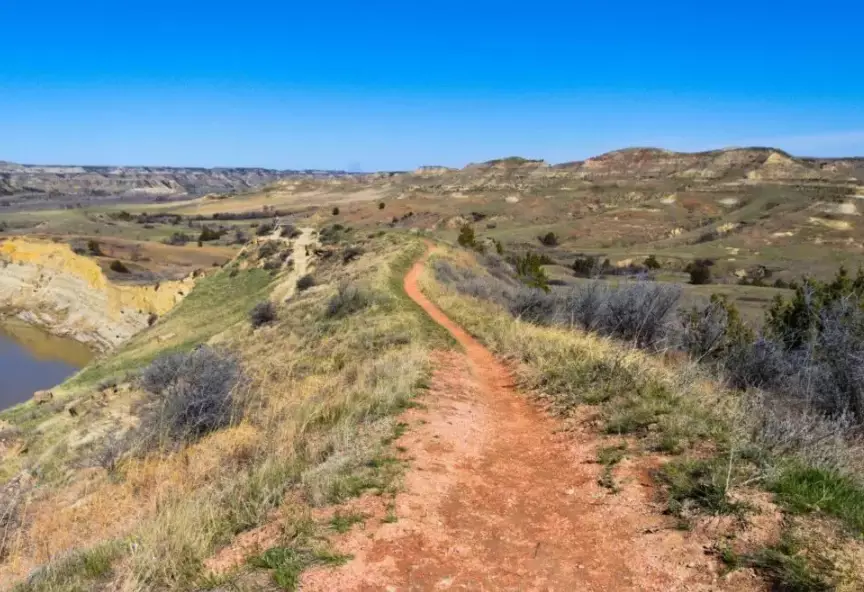
- The National Park Loop: Fly into Las Vegas, hit Zion, Bryce Canyon, Antelope Canyon, Monument Valley, the Grand Canyon. The scenery is unreal.
- The Coastal Crawl: Pacific Coast Highway (California State Route 1) from San Francisco to Los Angeles. Mountains, ocean, big cities. Stunning.
- The Cultural and City Hop: Boston -> New York City -> Philadelphia -> Washington D.C. History, food, and no need for a car (trains connect them all).
Don't feel you have to follow these exactly. Mix and match! Maybe start in New York, fly to Denver, road trip the Rockies, then fly home from Salt Lake City. The key is minimizing backtracking.
On my last trip, I was dead set on seeing New Orleans. But it was completely out of the way from my Southwest loop. Adding it would have meant two extra flight legs and 3 extra days. I saved it for another time. Be ruthless with your map.
Getting Around: Your Transportation Crossroads
This is a massive decision point in how to plan a trip around the USA. The right choice saves you money, time, and sanity. The wrong one can break your trip.
| Mode | Best For | Biggest Pros | Biggest Cons & Watch-Outs |
|---|---|---|---|
| Flying (Domestic) | Covering huge distances quickly; city-focused trips; limited time. | Speed, often cheaper than long drives when you factor in time/fuel. | You miss everything in between; baggage fees; need transport at destination; airport hassle. |
| Road Trip (Rental Car/RV) | Freedom, exploring rural areas/national parks, setting your own schedule. | Ultimate flexibility, stop anywhere, cost-effective for groups. | Long drives are tiring, fuel costs, parking in cities is expensive/annoying, one-way drop fees can be brutal. |
| Train (Amtrak) | Scenic, relaxed travel; avoiding highways; specific scenic routes. | Beautiful views (Coast Starlight, California Zephyr), spacious, no stress of driving. | Often slower than driving, can be expensive, not all destinations are served, frequent delays. |
| Intercity Bus (Greyhound, Megabus) | The absolute tightest budgets; short hops between cities. | Very cheap, connects most cities. | Can be unreliable, less comfortable, limited space, some stations are in less-desirable areas. |
My take? For a true "around the USA" experience with variety, a hybrid approach often works best. Maybe you fly into New York, take the train to Washington D.C., fly to Denver, rent a car for a 10-day mountain and park loop, then fly home from Las Vegas. This is the kind of strategic thinking that defines a smart plan.
Where to Lay Your Head: Accommodation Deep Dive
Your choice here eats a huge chunk of your budget, so choose wisely. It's not just about cost, but location and vibe.
- Hotels/Motels: Predictable, often have amenities (pool, breakfast). Use aggregator sites, but also check the hotel's own website for direct booking deals. Chain motels (like Motel 6, Super 8) are basic but cheap and consistent.
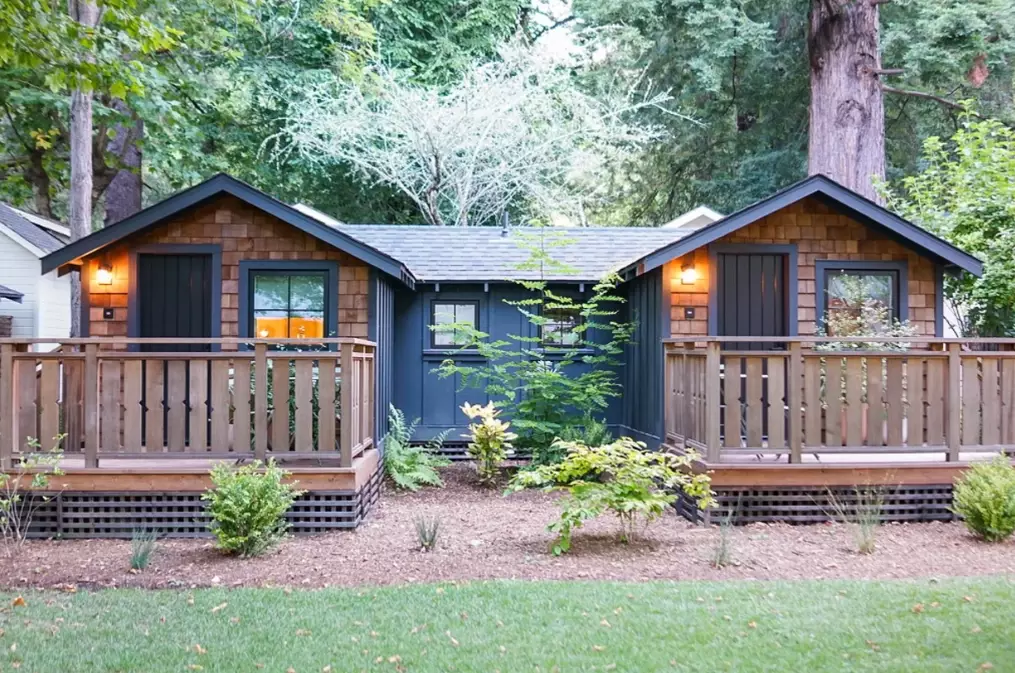
- Vacation Rentals (Airbnb, Vrbo): Great for groups, longer stays, or if you want a kitchen to save on food costs. Downside: Cleaning fees have gotten out of hand. Always look at the total price, not the nightly rate. Also, they're becoming a problem in some cities, pushing out locals.
- Hostels: Not just for kids! Many have private rooms. The best part is the social atmosphere and local advice from staff. Great for solo travelers. Check reviews on Hostelworld.
- Camping: The budget king for national park trips. You can camp in National Forests (often free or cheap, called "dispersed camping") or in park campgrounds. Recreation.gov is the official site for booking federal campgrounds, and sites for popular parks like Yosemite or Yellowstone sell out months in advance. Plan ahead!
I'm a fan of mixing it up. A few nights in a cool hostel for socializing, a week in an Airbnb in a neighborhood to feel local, and camping under the stars in a national park. Variety keeps it interesting.
The Nitty-Gritty: Visas, Money, Phones, and Packing
The boring stuff that makes the fun stuff possible.
Visas and ESTA
If you're visiting from a country in the Visa Waiver Program (like the UK, Australia, Japan, most of Europe), you need an ESTA authorization before you board your flight. It's an online form, costs $21, and is valid for two years. Do this at least 72 hours before travel, but really, do it as soon as you book your flight. The official site is the Department of Homeland Security's ESTA website. Don't use a third-party service that charges you extra for the same form.
Money and Tipping
Credit/debit cards are accepted almost everywhere, even for small purchases. Still, carry some cash ($50-$100) for farmers' markets, small tips, or places with card minimums. Notify your bank of your travel dates.
Tipping is non-optional. It's not a bonus; it's a core part of service workers' wages. 15-20% at sit-down restaurants, $1-2 per drink at a bar, $3-5 per night for hotel housekeeping, 15-20% for taxis/rideshares. Budget for it.
Staying Connected
Your home mobile plan might have roaming, but it's often slow and expensive. Options: 1) Buy a local SIM card at the airport (T-Mobile, AT&T stores). 2) Use an eSIM if your phone supports it (companies like Airalo). 3) Rely on Wi-Fi and download offline Google Maps for your route. Good Wi-Fi is easy to find in cities, spotty in rural and park areas.
The Packing List (The Essentials)
USA weather is extreme. Desert heat, mountain cold, coastal fog—you might hit it all.
- Layers are everything: A lightweight puffer jacket, a rain shell, moisture-wicking shirts.
- Comfortable walking shoes: You will walk more than you think. Break them in first.
- Power bank & universal adapter (if coming from abroad). US outlets are Type A/B, 120V.
- Reusable water bottle: Tap water is safe to drink almost everywhere. Fill up for free.
- National Parks Pass ($80): If you visit more than 3 parks in a year, this pays for itself instantly. Buy at any park entrance or online. It covers the entrance fee for you and your carload.
Putting It All Together: A Sample 3-Week Hybrid Plan
Let's make this concrete. Here’s a sketch of a popular 3-week itinerary that blends cities and nature, using a hybrid transport model. This is a solid template for how to plan a trip around the USA for a first-timer.
Phase 1: The City Start (Fly + Public Transport)
Fly into New York City (4 nights). See the sights, get over jetlag. Take the Amtrak train (about 3.5 hours) to Washington D.C. (3 nights). Explore the free museums and monuments. Fly from D.C. to Las Vegas (use as a base, 2 nights). This leg uses flights and trains to cover huge distances efficiently.
Phase 2: The Southwest Road Trip (Rental Car)
Pick up a rental car in Vegas. Drive to Zion National Park (2 nights). Hike The Narrows. Drive to Bryce Canyon (1 night). See the hoodoos. Drive to Page, Arizona (2 nights) for Antelope Canyon and Horseshoe Bend. Drive to the Grand Canyon (South Rim, 2 nights). Drive back to Las Vegas, drop off the car. This is the scenic, flexible heart of the trip.
Phase 3: The California Finale (Fly + Maybe a Short Car Rental)
Fly from Vegas to San Francisco (3 nights). If you want to drive the Pacific Coast Highway, rent a car here for a one-way trip to LA. Otherwise, fly from SF to Los Angeles (3 nights) before flying home. This gives you urban contrast after the parks.
See the logic? Fly over the boring bits, drive the beautiful bits, use trains where they make sense. It's about matching the transport to the terrain and purpose.
Questions You're Probably Asking (FAQs)
The Final Step: Embrace the Detour
Here's the most important tip I can give you after all this planning: leave room for spontaneity. The best parts of my trips have often been the unplanned stops—the local festival, the diner recommendation from a gas station attendant, the decision to spend an extra day somewhere because I loved it.
Learning how to plan a trip around the USA isn't about creating a prison sentence of reservations and schedules. It's about building a smart, flexible framework that empowers your adventure, not restricts it. You do the hard work upfront so you can relax and enjoy the ride when you're finally on the road.
So grab a map (a real one or digital), start circling your dream spots, and start connecting the dots. Your American journey is waiting.
One last thing: don't stress about seeing it all. America is too big. See what calls to you, and know that whatever you miss is just a reason to come back.

Comments
Leave a Comment