Let's cut straight to the chase. You're planning a trip to paradise and you've heard there's a "worst time" to go. You're right. It's not a myth. Going to Hawaii during the wrong weather window can turn your dream vacation into a frustrating, expensive, and even risky ordeal. I'm not talking about a passing shower. I'm talking about weeks of relentless rain, canceled flights, closed trails, and beaches you can't even step foot on.
Most articles sugarcoat this. They'll say "Hawaii is great year-round!" which, while technically true on some level, ignores the real struggles travelers face during specific seasons. After more visits than I can count, and one particularly memorable trip during a tropical storm watch, I've learned the hard way. The worst time to go to Hawaii is a combination of two overlapping weather patterns: the official Central Pacific Hurricane Season and the winter rainy season.
This isn't about scaring you off. It's about giving you the honest, detailed information you need to make a smart decision. Because sometimes, you have to travel during those times due to work, school, or budget. If that's you, I'll also show you exactly how to navigate it.
Your Quick Guide to Hawaii's Weather Pitfalls
Hurricane Season: More Than Just a Storm Threat
The official season runs from June 1 to November 30, with peak activity from August through September. Here's the nuance most people miss: the biggest problem isn't necessarily a direct hurricane hit (those are statistically rare for the islands). The real headache comes from the peripheral effects of storms hundreds of miles away.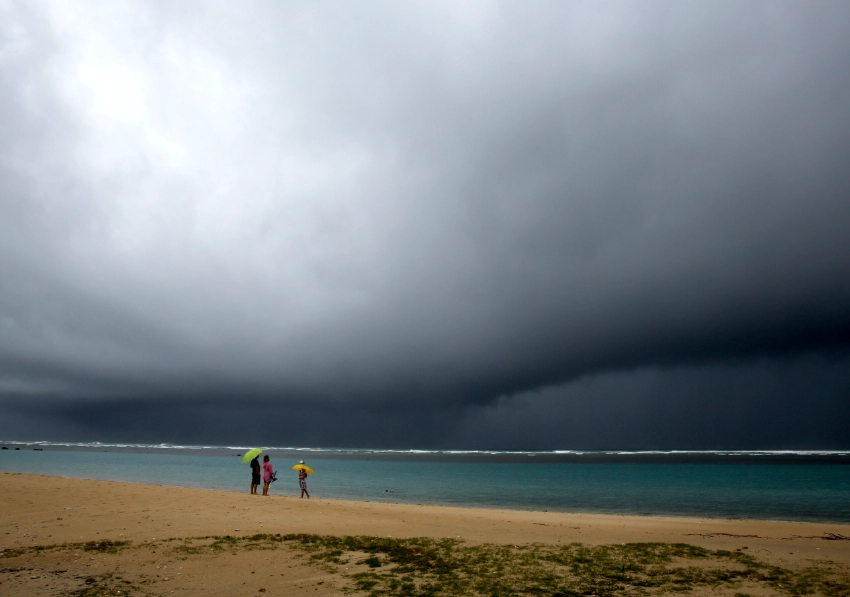
I was on Oahu once when a system passed far to the south. No direct impact, right? Wrong. For four days, we had:
- Flight chaos: Inbound and outbound flights were delayed or canceled due to the storm's effect on airline routing and airport operations elsewhere. The domino effect is real.
- Relentless rain and wind: Not storm-force, but a constant, gusty 25-30 mph wind with heavy rain bands. It shuts down catamaran tours, snorkel trips, and helicopter flights. Sitting on the beach? Forget it.
- Extreme surf: North and east shores get massive, dangerous swells. All those famous beaches like Waimea Bay, Pipeline, and Ho'okipa close to swimmers and surfers alike. The water turns brown with churned-up sediment.
What Gets Canceled During a Hurricane Watch/Warning
It's not just outdoor fun. Resorts batten down the hatches. You might lose pool access, restaurant hours get reduced, and luaus are postponed. If a warning is issued, you're looking at mandatory preparations that kill the vacation vibe entirely.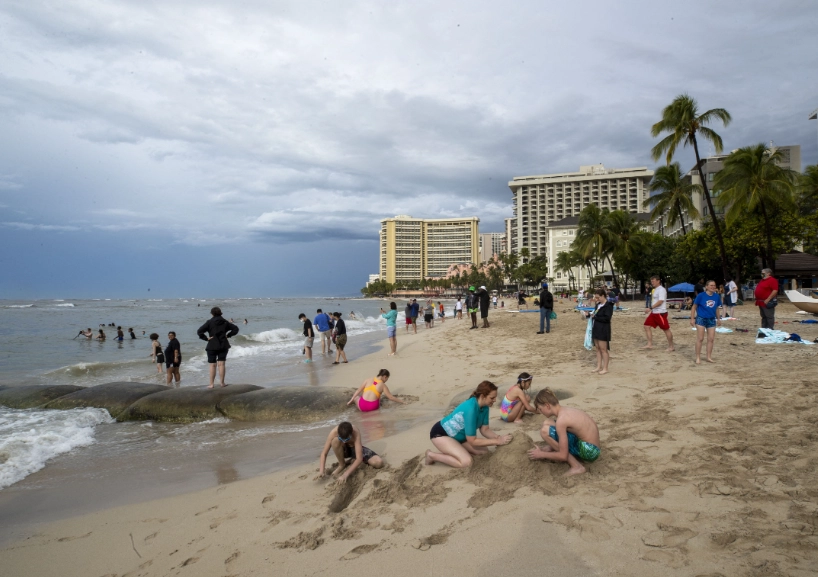
The Rainy Season: It's Not Just "Afternoon Showers"
Roughly November through March is Hawaii's wet season. The classic line is "it only rains for an hour in the afternoon." That's a lie for large parts of the state during these months. This is when the islands get persistent, island-wide rain events thanks to cold fronts and Kona low-pressure systems.
The impacts are subtle but ruinous for a trip:
| Problem | Concrete Example & Impact |
|---|---|
| Soggy Hikes & Trail Closures | Kauai's Kalalau Trail on the Na Pali Coast closes frequently due to mudslide risk. Maui's Pipiwai Trail to Waimoku Falls becomes a slippery, treacherous slog. Rangers close trails for safety—no arguments. |
| Poor Visibility & Vog | That epic view from Haleakalā summit? You might see pure white cloud. Rainy periods often trap vog (volcanic smog from Kilauea) against the mountains, creating hazy, unhealthy air, especially on the Big Island and Maui. |
| Beach Erosion & Brown Water | Heavy rain sends runoff from mountains into the ocean. Your pristine blue cove turns murky brown overnight, killing snorkeling visibility and sometimes triggering bacteria advisories. |
| Road Hazards | The Road to Hana is challenging in perfect weather. Add steady rain, and you're dealing with increased rockfall, reduced visibility on blind curves, and overflowing waterfalls that can flood the road. |
You pack for sun and beach, but you end up needing rain jackets, waterproof shoes, and a lot of patience.
Island-by-Island Breakdown: Where It Gets Worst
Not all islands suffer equally. Understanding the microclimates is key.
Kauai: The wettest spot on earth (Mount Waialeale) is here for a reason. Kauai feels the rainy season the hardest. The north shore (Hanalei, Princeville) can get absolutely pummeled from November to March, with roads flooding and a general sense of dampness. If your dream is Kauai's lush greenery, you're literally seeing it at its soggiest source.
Oahu: Windward sides (Kaneohe, Kailua) get drenched. The famous North Shore surf spots are at their biggest and most dangerous in winter, closing beaches. Waikiki is more sheltered but still sees more gray days.
Maui: A tale of two sides. The windward side (Hana, upcountry) is very wet. The leeward side (Kihei, Wailea) is much drier but can still be affected by large systems. The road to Hana becomes a serious commitment in the rain.
Big Island (Hawaii): This is the exception that proves the rule. The Kona and Kohala coasts on the leeward west side sit in a massive rain shadow. While Hilo on the east coast is one of the rainiest cities in the US, Kona can be sunny and dry while the other islands are under clouds. During the worst weather times, the Big Island's west side is often your safest bet.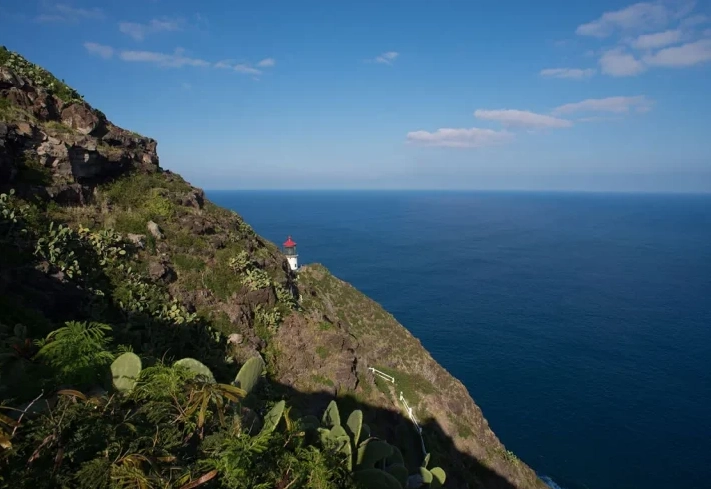
If You Must Go: Damage Control Strategies
Maybe you found a killer deal for February. Or your family reunion is set for September. Here’s how to mitigate the misery.
1. Insurance is Non-Negotiable
Get a "Cancel For Any Reason" (CFAR) upgrade or at the very least, a policy that explicitly covers "hurricane" or "named storm" cancellations. Read the fine print. Many standard policies only kick in if your destination is under a mandatory evacuation, which is rare. CFAR gives you an out if the forecast looks apocalyptic, usually requiring you to cancel 48+ hours in advance.
2. Book Refundable Everything
Flights, hotels, tours. The premium you pay for flexibility is your vacation sanity insurance. Look for hotels with 24- or 48-hour cancellation policies. Book tours as late as possible, once you have a reliable short-term forecast.
3. Plan an "Indoor & Leeward" Itinerary
Structure your trip around activities that are weather-proof or thrive in the drier zones.
- Focus on the Leeward Sides: Stay in Ko Olina (Oahu), Wailea/Kihei (Maui), or Kona/Kohala Coast (Big Island).
- Indoor/Sheltered Activities: Bishop Museum (Oahu), Maui Ocean Center, Lyman Museum (Hilo), Pu'uhonua o Honaunau National Park (Big Island), coffee farm tours (Kona).
- Embrace the Spa & Food Scene: This is the time to budget for that amazing resort spa treatment or book those hard-to-get restaurant reservations.
When to Go Instead: The Sweet Spots
To avoid the worst weather entirely, target the shoulder seasons:
- April to early June: After the winter rains subside, before the summer crowds and hurricane season heat up. Wildflowers are blooming, waterfalls are still flowing, and the ocean is warming up.
- September to mid-October: This is a gamble, as it's peak hurricane season. However, if no systems are active, this period often has fewer crowds, lower prices, and great weather. It requires vigilant monitoring and flexibility.
The absolute consensus best months for balanced weather across all islands are May and October (outside of storm events). You get long, sunny days, manageable crowds, and prices that haven't yet skyrocketed.
Your Hawaii Weather Questions Answered
Is it safe to visit Hawaii during hurricane season?
What are the biggest problems with visiting Hawaii in the rainy season?
Can I get a good deal by traveling during the worst weather times?
Which Hawaiian island is best if I'm stuck traveling in the rainy season?


Comments
Leave a Comment