Let's cut through the noise. Getting a US visa feels like a black box to most people. You hear stories, you get conflicting advice, and the official government pages can be a maze. I've helped dozens of friends and family through this process, and I've seen where people trip up. The requirements aren't just a checklist—they're a story you need to tell about yourself to a consular officer in under three minutes.
Your US Visa Application Roadmap
Understanding the Different US Visa Types
First, you need the right key for the lock. Applying for the wrong visa is a guaranteed waste of time and money. Most people visiting the US need a nonimmigrant visa.
| Visa Type | Code | Who It's For | Key Point |
|---|---|---|---|
| Tourist / Business Visitor | B1/B2 | Vacation, family visits, conferences, short business meetings. | You cannot work or study. This is the most common application. |
| Student | F1, M1 | Full-time academic or vocational students. | Requires an I-20 form from a US school. You must prove you can pay for tuition and living costs. |
| Temporary Worker | H1B, L1, etc. | Specialty occupations, intra-company transfers. | Usually requires a petition filed by a US employer first. |
| Exchange Visitor | J1 | Researchers, professors, au pairs, summer work travel. | Often has a two-year home residency requirement after the program. |
This guide focuses on the B1/B2 tourist and business visa, as it's the gateway for most travelers. The principles, however, apply broadly.
The 8 Core Requirements Every Applicant Must Meet
Forget the vague ideas. US immigration law presumes every visa applicant intends to immigrate. Your job is to overcome that presumption. Here's what that looks like in practice.
1. A Valid Passport
Seems obvious, but your passport must be valid for at least six months beyond your intended period of stay in the US. An expiring passport is an instant red flag. Get it renewed first.
2. Nonimmigrant Intent (The Biggest Hurdle)
This is the core of everything. You must prove you have strong ties to your home country that will compel you to return after a temporary visit. What are ties?
- Job: A stable, long-term job with a letter from your employer stating your position, salary, and approved leave.
- Family: A spouse, children, or parents who remain in your home country.
- Property: Owning a home, land, or other significant assets.
- Social/Community Ties: Ongoing studies, community involvement, or other commitments.
A young, single person with a new job will need to work harder to prove ties than an established professional with a family.
My observation: Consular officers are trained to spot a genuine life versus one constructed for a visa. A letter from a company that was registered last month won't cut it. They look for consistency and longevity.
3. Sufficient Financial Means
You must show you can afford the trip without working in the US. This includes flights, accommodation, food, and activities. Bank statements are key, but they tell a story.
Six months of statements showing regular salary deposits and healthy balances are better than one statement with a sudden, large deposit you can't explain.
4. A Properly Completed DS-160 Form
This is your online application. Every answer is permanent. Inconsistencies between your form, your documents, and your interview answers are a prime reason for denial. Take your time. Save the confirmation page and number.
5. Payment of the Visa Application Fee
The Machine Readable Visa (MRV) fee is currently $185 for most nonimmigrant visas. This is a non-refundable processing fee, paid at designated banks or online. You need the receipt number for scheduling.
6. A Recent Photograph
One 2x2 inch (51x51 mm) color photo taken within the last six months. It must have a white background, and you must be facing the camera directly. Selfies or edited photos often get rejected, delaying your application.
7. An Interview Appointment
With rare exceptions, almost every applicant between 14 and 79 must attend a visa interview at a US Embassy or Consulate. Wait times vary wildly—from a week to several months. Check wait times on the U.S. Department of State's website.
8. Eligibility Based on US Law
You cannot have certain criminal convictions, previous immigration violations, or be deemed a security risk. Past US visa denials must be disclosed and explained.
The Non-Negotiable Document Checklist
Bring these to your interview, organized in a simple folder. The officer may not ask for any of them, but you must have them ready.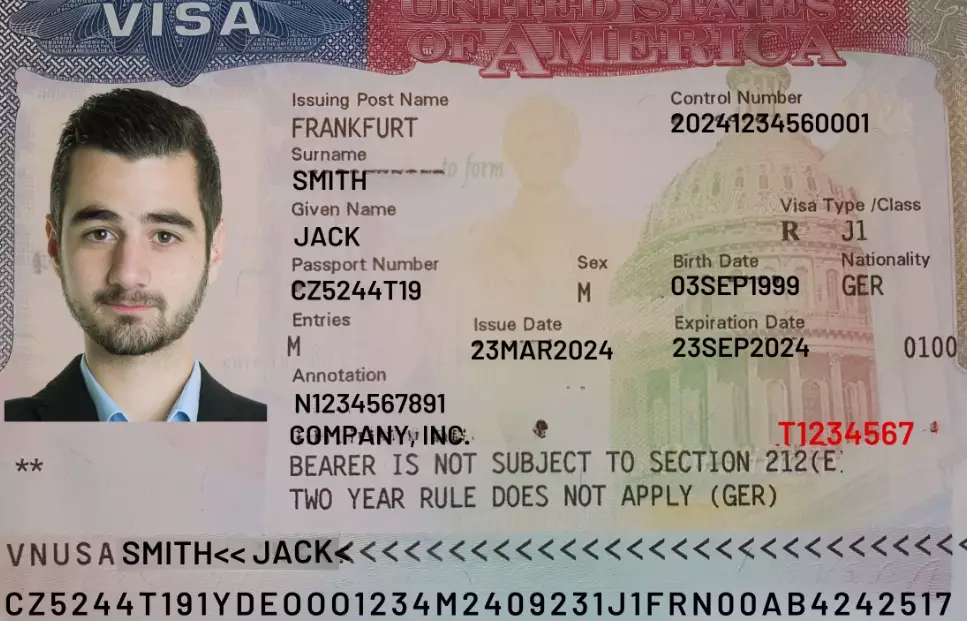
- Mandatory: Interview appointment letter, DS-160 confirmation page, current passport, old passports (if any), photo.
- Proof of Ties: Original employment letter (on company letterhead), property deeds, marriage/birth certificates for family.
- Financial Proof: Last 6 months of personal bank statements, fixed deposit certificates, tax returns (ITRs) for the last 2-3 years, salary slips for the last 3-6 months.
- Trip Details (Optional but helpful): Flight itinerary (not a ticket), hotel bookings, tour plan.
Do not present fake documents. It will result in a permanent ban from the US. If a document is unavailable, be prepared to explain why honestly.
The Step-by-Step Application Process
1. Complete the DS-160 Online. Do this yourself. You know your history best. Have all your information, travel history, and passport handy. Double-check dates and spellings.
2. Pay the Visa Fee. Follow the instructions on the official visa information and appointment services website for your country.
3. Schedule Your Interview. Use the receipt number from your fee payment. Choose the earliest available date at the embassy/consulate where you are a resident.
4. Gather Your Documents. Use the checklist above. Don't overdo it—a thick, disorganized file is a nuisance.
5. Attend the Visa Interview. Be on time. Dress neatly (business casual is safe). Answer questions clearly and concisely.
Mastering the Visa Interview
The interview is not an interrogation; it's a verification. The officer has likely already made a preliminary decision based on your DS-160. The interview confirms it.
Common Questions:
- Why do you want to go to the US?
- What do you do for work? (Be ready to explain your job simply)
- Who is paying for your trip?
- Do you have family or relatives in the US?
- What are your ties to [Your Home Country]?
The tone matters more than the specific answer. Be confident, direct, and honest. If asked for a document, hand it over promptly. Keep your answers short—volunteering unsolicited information can open unnecessary lines of questioning.
I knew someone who was asked, "What will you do in New York?" They launched into a minute-by-minute itinerary. The officer cut them off. A simple "See the Statue of Liberty, visit museums, and see Times Square" was all that was needed.
Why Visas Get Denied and How to Avoid It
The most common refusal is under Section 214(b) of the Immigration and Nationality Act: failure to prove nonimmigrant intent.
Other reasons:
- Incomplete or Inaccurate DS-160: Typos matter. A wrong date of a previous US visit can look like deception.
- Weak Financial Proof: Statements that don't show a stable income pattern.
- Inconsistent Story: Your documents say one thing, your mouth says another.
- Applying for the Wrong Visa: Don't apply for a tourist visa if you're going to look at universities.
If denied under 214(b), you can reapply anytime. But you must materially strengthen your application. More money in the bank isn't always the answer. A promotion at work, buying property, or starting a new academic program can be stronger evidence of ties.
Your Visa Questions, Answered
Look, the process is bureaucratic by design. But it's not magic. It's about presenting a clear, honest, and consistent picture of yourself as a genuine temporary visitor. Focus on your ties, be meticulous with your paperwork, and prepare for a short, straightforward conversation. That's the real requirement.

Comments
Leave a Comment