Let's cut to the chase. The worst time to visit California is a moving target, but it usually hits during peak wildfire season (late summer/fall), the rainy winter months on the coast, and any major holiday weekend. But here's the thing most generic lists get wrong: "worst" is completely dependent on where you're going and what you want to do. A terrible time for a Napa Valley wine tour could be perfect for a Death Valley hike. I've lived here for over a decade, watched tourists make the same mistakes, and learned that avoiding disaster is less about a single bad month and more about understanding seasonal rhythms and regional quirks.
Your California Trip Planning Cheat Sheet
The Absolute Worst Times to Visit California (And Why)
These periods consistently deliver the highest combination of crowds, high prices, logistical nightmares, or outright danger. If you can avoid these, you're already ahead.
Peak Wildfire Season (Late Summer & Fall)
Forget rain. The modern California traveler's biggest nemesis is fire and smoke. What was once a predictable summer issue has stretched into a prolonged season of anxiety from July through November, with September and October often being the cruelest months.
The problem isn't just the flames you see on the news. It's the air quality. During the 2020 fire season, the Bay Area's Air Quality Index (AQI) spent weeks in the "Unhealthy" to "Hazardous" range. Imagine planning a trip to hike in Yosemite or enjoy Sonoma's vineyards, only to be stuck inside with all windows closed, the sky an apocalyptic orange, your throat scratchy. National parks close. Wineries shutter. Outdoor dining vanishes. Your dream vacation evaporates into a hazy, stressful waiting game.
I made the mistake of booking a late-September cabin in Tahoe once. A major fire started upwind. We spent three days watching the AQI app like a hawk, packing our bags ready to evacuate, and never once stepped foot on a trail. The trip was a total loss.
The Rainy Season (Winter, Northern & Central Coast)
California's drought-prone image fools people. When the rain comes, especially on the Central and Northern coasts, it comes. From about December through March, places like San Francisco, Big Sur, and the Redwood forests get the bulk of their annual rainfall.
This isn't a light drizzle. It can mean days of steady, gray, cold rain. The iconic Pacific Coast Highway (PCA) through Big Sur is notoriously prone to landslides and closures during heavy storms. Caltrans (California's transportation department) is constantly repairing it. A planned scenic drive can turn into a frustrating detour adding hours to your trip.
More subtly, winter is the worst time for coastal scenery. Those golden hills and vibrant blue skies you see in photos? They're a summer and fall phenomenon. In winter, everything is green (which is beautiful in its own right) but the skies are often overcast. Your photos from the Golden Gate Bridge might just be… gray.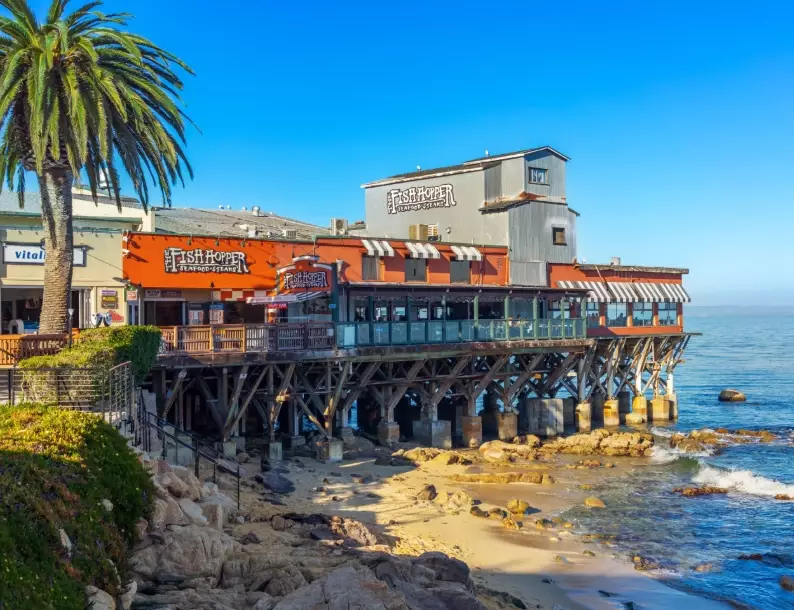
Major Holiday Weekends (Year-Round)
This seems obvious, but you'd be shocked how many people don't internalize it. California is the most populous state, and everyone hits the road on these weekends. It transforms the experience.
- Thanksgiving Weekend: Arguably the worst. Airports are chaos. Highway traffic is soul-crushing. Every family-friendly attraction (think: Disneyland, Monterey Bay Aquarium) is at peak capacity.
- Christmas through New Year's: Similar to Thanksgiving, but with added pressure on ski resorts like Lake Tahoe. Lift lines can be 45+ minutes, and a 3-hour drive from the Bay Area can take 7.
- Fourth of July & Memorial Day Weekend: The unofficial start and peak of summer. Beaches are sardine cans. Coastal hotel prices triple. Good luck finding a parking spot anywhere near a popular trailhead.
The vibe shifts from relaxed exploration to stressful crowd management. You're not experiencing California; you're experiencing a queue.
| Time Period | Primary Downside | Most Affected Regions | What Actually Happens |
|---|---|---|---|
| Late Sept - Oct | Wildfire Smoke & Closures | Napa/Sonoma, Sierra Foothills, Inland Valleys, Often Statewide | Hazy skies, unhealthy air, park/winery closures, evacuation orders possible. |
| Dec - Mar | Heavy Rain & Road Closures | Northern & Central Coast, Big Sur, Sierra Nevada (snow) | Highway 1 closures, muddy trails, cold/damp coastal weather, limited views. |
| Major Holidays (Thanksgiving, Xmas-NY, July 4th) | Extreme Crowds & Prices | Everywhere, especially airports, highways, theme parks, national parks. | Traffic gridlock, 2x-3x hotel/rental car prices, long lines for everything. |
How to Salvage a Trip During California's Worst Seasons
Sometimes you're locked into a school schedule or a wedding. If you find yourself visiting during a suboptimal time, strategy is everything.
For Fire Season: Pivot to the coast. The marine layer often protects coastal towns from the worst inland smoke. Destinations like San Diego, Santa Barbara, Monterey/Carmel, and the North Coast (Mendocino) can be havens. Focus on aquarium visits, coastal walks, and museum days. Check Airbnb and hotel cancellation policies religiously. I have a personal rule: after Labor Day, I only book places with free cancellation up to 24-48 hours before.
For Rainy Season: Embrace it or escape it. If you're in a city like San Francisco, lean into urban culture—museums (de Young, Academy of Sciences), fantastic restaurants, cozy coffee shops. Or, head east to the deserts. Winter is the absolute best time for Joshua Tree, Palm Springs, Anza-Borrego, and Death Valley. Daytime temperatures are perfect for hiking. This is the secret seasoned travelers know: California's bad weather is hyper-local.
For Holiday Crowds: Go niche and go early. If everyone is at Disneyland, visit the quieter missions or regional parks. If they're all heading to Tahoe on Friday afternoon, leave at 5 AM. Book restaurants weeks in advance. Resign yourself to higher costs and build in extra travel time. A two-hour drive? Plan for four.
Other Seasons to Consider Carefully
Spring (April-May) and early Fall (September) are often touted as perfect. And they can be. But there are catches.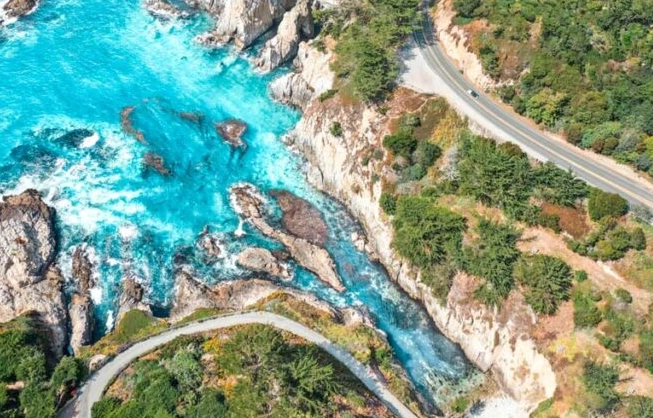
Spring (April-May): Wildflowers can be stunning, and crowds are thinner than summer. But the water in the Pacific is frigid—not a swimmer's season. Also, the famous California poppy superblooms are fickle and dependent on prior winter rains. If it was a dry winter, the hills will be brown by May.
June ("June Gloom"): A classic rookie mistake is expecting sunny beaches in Southern California in early summer. Coastal areas from Santa Barbara to San Diego are often shrouded in a thick marine layer until midday or even all day. It's cool and gray. Inland areas (LA valleys, deserts) are already hot.
The biggest misconception I see? Travelers think "California = always warm." They pack shorts for a San Francisco summer and freeze in the 55-degree fog. Or they expect Palm Springs weather in Sacramento. Climate zones here are drastic. Always check the specific forecast for your exact destination, not just "California."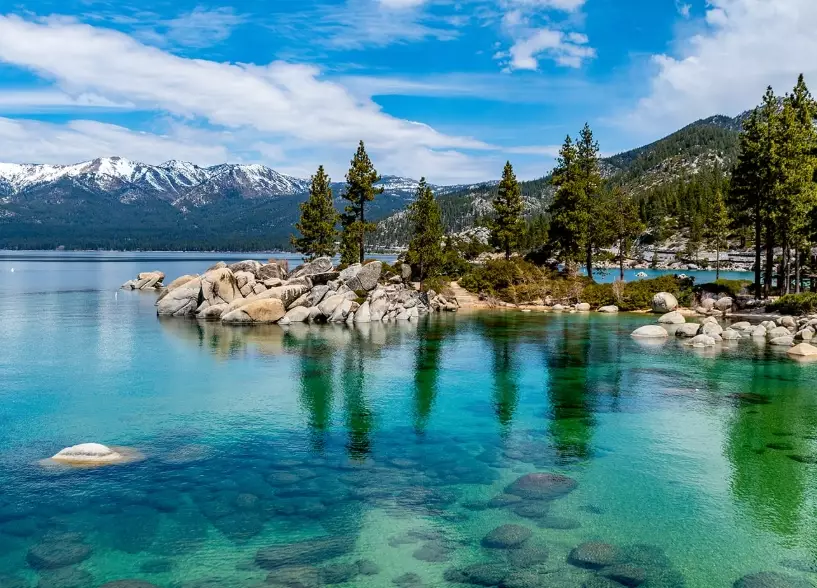
Your California Timing Questions, Answered
Is visiting California in November a bad idea?
What's the worst month for wildfires in California?
We're thinking of a California coast road trip in July. Is that a mistake?
Is winter a universally bad time to visit all of California?

Comments
Leave a Comment