Quick Navigation
- Spring on the East Coast: The Great Awakening (March - May)
- Summer: The High Season Hustle (June - August)
- Fall: The Crown Jewel (September - November)
- Winter: A Season of Contrasts (December - February)
- Breaking It Down: A Seasonal Comparison Table
- Your Specific Trip Goals: Matching Time to Purpose
- Regional Spotlights: It's a Big Coast
- Practical Tips & Final Thoughts
So, you're thinking about hitting the USA East Coast? Good call. It's a massive stretch, from the rocky cliffs of Maine down to the sunny beaches of Florida, and honestly, there's no single "perfect" time that works for everyone. Anyone who tells you otherwise hasn't spent enough time dealing with summer traffic on I-95 or getting caught in a surprise April snow shower in Boston. The best time to visit the USA East Coast completely depends on what you want out of your trip. Are you chasing perfect beach weather? Do you want to see the legendary fall colors without the legendary crowds? Or maybe you're on a tight budget and need to find those sweet spots where prices dip?
I've made the mistake of going at the wrong time (hello, humid, crowded, and expensive July in New York), and I've stumbled into perfect weather by accident (like a crisp, sunny week in October in Washington D.C.). This guide is here to save you from the guesswork. We'll break it down by season, weather, crowds, cost, and what's actually happening on the ground. Forget the generic advice; let's get specific.
Spring on the East Coast: The Great Awakening (March - May)
Spring is a season of dramatic change here. It starts chilly and can be unpredictable, especially up north, but it finishes strong with some of the most pleasant days of the year. It's a shoulder season, which is a fancy term for "usually cheaper and less crowded than summer, but the weather is a bit of a gamble."
Weather and What to Pack
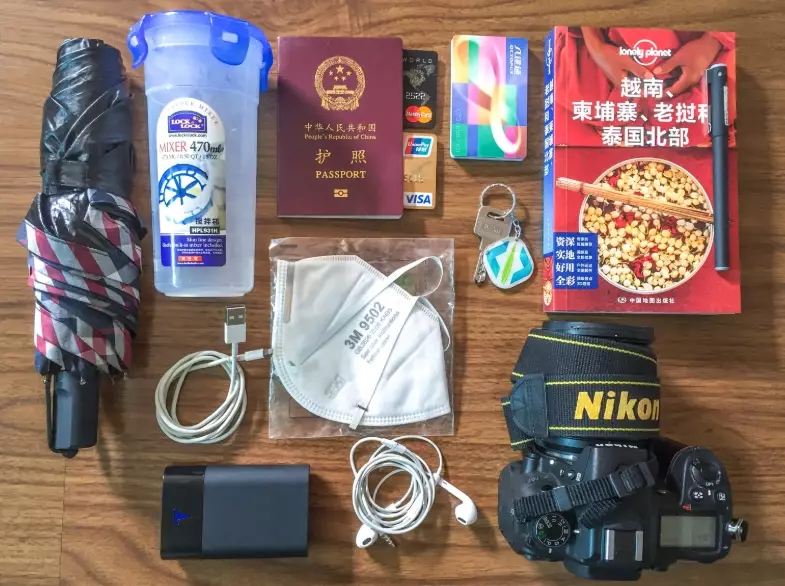
This is where geography really matters. In early March, Florida might be hitting a lovely 75°F (24°C), while Maine is still digging out from snow. By late May, the whole coast is warming up nicely. The keyword is layers. You might need a morning jacket in D.C. that you ditch by lunchtime. Rain is common, especially in April, so a compact umbrella or a packable rain jacket is a non-negotiable item in your bag. Don't be fooled by a warm forecast in New England in April—the nights can still get very cold.
Crowds and Costs
Spring break in March and early April brings localized spikes—think Florida, Myrtle Beach, and college towns. But outside those specific weeks and places, you'll find flights and hotels are more reasonable than in peak summer. It's a fantastic time to visit cities like Philadelphia, Baltimore, and Boston before the summer tourist rush and the heavy humidity set in. I found a great deal on a hotel in Savannah in mid-April once, just after the spring break crowd had left and before the summer heat arrived.
The Not-So-Good: Unpredictable weather, especially early season (rain, lingering cold), spring break crowds in specific areas, some outdoor attractions or beach towns may not be fully "open for season" until Memorial Day.
Summer: The High Season Hustle (June - August)
This is it. Peak season. When schools are out, families hit the road. The weather is consistently warm to hot, and everything is open. But this is also when you'll encounter the biggest crowds and the highest prices. Finding the best time to visit the USA East Coast in summer often means embracing the chaos or getting strategic.
Heat, Humidity, and Hurricanes
Let's be real. The humidity from Washington D.C. southward can be oppressive in July and August. It's not just heat; it's a thick, heavy air that makes walking tours feel like a marathon. New England and the Mid-Atlantic have more tolerable summers, but heatwaves happen. The Atlantic hurricane season officially runs from June 1 to November 30, with peak activity from mid-August to mid-October. While a direct hit is rare for any one location, it can mean rainy, disrupted travel plans for the entire southeastern coast. It's a risk factor to consider.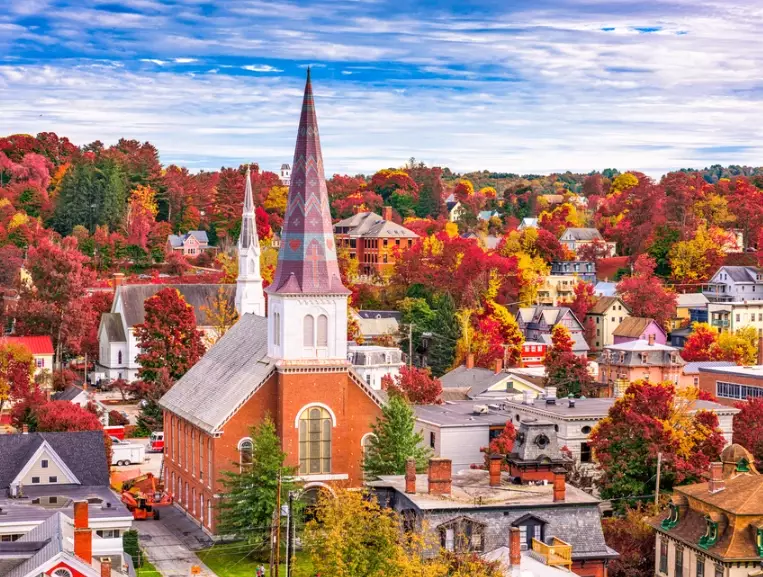
Navigating the Crowds
Major cities (New York, D.C.), beach destinations (Outer Banks, Jersey Shore, Florida), and iconic national parks like Acadia and Great Smoky Mountains are packed. My personal strategy? Book everything far in advance—hotels, popular restaurant reservations, tours. Aim for weekday visits to major attractions. Consider lesser-known beaches or mountain towns if you want to escape the worst of it.
So, is summer the best time to visit the USA East Coast? For a classic beach vacation with guaranteed warm water, yes. For city sightseeing in sweltering heat with long lines, maybe not.
Fall: The Crown Jewel (September - November)
Ask many seasoned travelers, and they'll point to fall as the absolute winner for the best time to visit the USA East Coast. And it's hard to argue. The summer crowds dissipate, the brutal humidity breaks, and nature puts on a spectacular show.
The Legendary Foliage
The fall color change is a north-to-south wave. It starts in Maine and Canada's Maritime provinces in late September, sweeps through New England and the Adirondacks in October, and moves down the Appalachians into the Smokies and Blue Ridge Mountains by late October and November. Planning a "leaf-peeping" trip requires some research, as the peak can shift by a week or two each year based on weather. Resources like the USDA Forest Service's fall color report are invaluable for timing.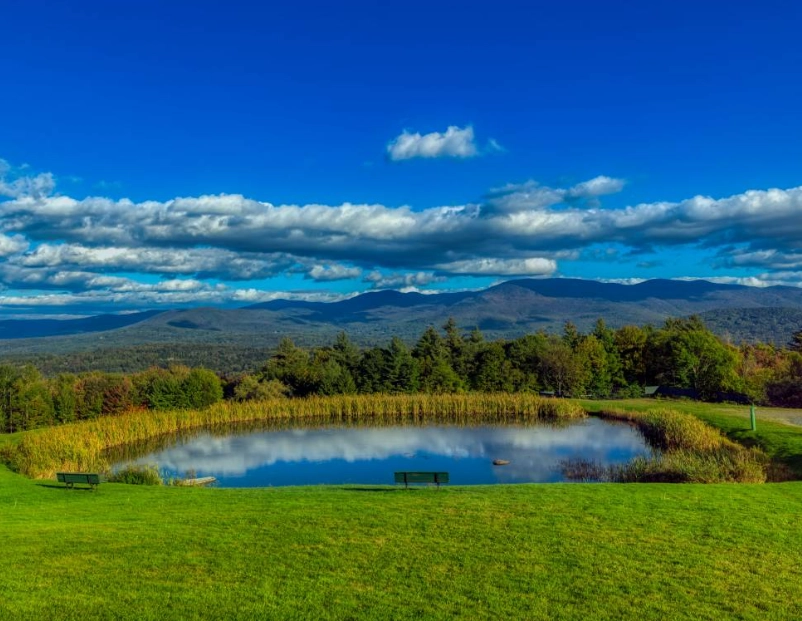
Ideal Conditions for Everything
The weather is just about perfect for active travel. Hiking, biking, kayaking—it's all superb without the summer sweat. City sightseeing is a joy. Food festivals and harvest events are everywhere. Even the beaches are lovely in September and early October, with warm water retained from summer and far fewer people. I personally adore this shoulder season—you often get summer weather with spring-like tourist numbers and prices that start to drop after Labor Day.
But it's not a secret anymore. Popular foliage destinations in New England and the mountains can be very busy on October weekends, and hotel prices reflect that. For a quieter experience, aim for a weekday trip or look at areas just past peak color.
Winter: A Season of Contrasts (December - February)
Winter divides the East Coast sharply. North of Washington D.C., it means cold, snow, and a cozy, festive atmosphere. South of that, it's mild and often sunny, making it a prime escape for "snowbirds."
The Snowy North vs. The Sunny South
In New England and New York, winter is for skiing, snowboarding, and charming small towns draped in white. Cities like Boston and New York are magical around the holidays, but January and February are cold and can be slushy. It's a great time for museum hopping, theater, and finding deals in cities after the New Year's rush. Pack seriously warm clothes.
Meanwhile, Florida, the Carolina coasts, and southern Georgia offer a completely different experience. Daytime temperatures are often in the 60s and 70s°F (15-25°C). It's the perfect climate for golf, tennis, cycling, and exploring without breaking a sweat. This is the peak season for Florida, however, so prices are high and reservations are essential, especially from January through March.
The Not-So-Good (North): Bitter cold, shorter days, some outdoor attractions are closed, risk of travel disruptions from snow.
The Good (South): Escape from cold, pleasant dry weather, perfect for outdoor activities.
The Not-So-Good (South): Peak season prices, can be crowded, water is too cold for most swimmers.
Breaking It Down: A Seasonal Comparison Table
Sometimes you just need to see it side-by-side. This table sums up the vibe for a typical coastal trip, say, focusing on the Mid-Atlantic and New England regions.
| Season | Typical Weather | Crowd Level | Cost Level | Best For... |
|---|---|---|---|---|
| Spring (Mar-May) | Unpredictable, cool to warm, rainy spells | Low to Medium (spikes during Spring Break) | Low to Medium | City tours, gardens, budget travelers, avoiding heat |
| Summer (Jun-Aug) | Hot, humid, sunny, chance of thunderstorms | VERY HIGH | VERY HIGH | Beach vacations, family trips, all attractions open, festivals |
| Fall (Sep-Nov) | Crisp, cool, sunny, decreasing rain | Medium to High (peak in foliage areas) | Medium to High | Hiking, scenic drives, food & wine, photography, comfortable city visits |
| Winter (Dec-Feb) | Cold & snowy (North), Mild & sunny (South) | Low (North) / High (South) | Low (North) / High (South) | Skiing/cozy trips (North), escaping cold, golf (South), holiday events |
Your Specific Trip Goals: Matching Time to Purpose
Let's get even more personal. What's your travel style?
For the Beach Bum: The water is warmest from late June through early September. But for the best combo of good weather and fewer people, target the "shoulder" weeks: late May/early June or September/early October. Just check that seasonal restaurants and rentals are open.
For the City Explorer: Spring (April-May) and Fall (September-October) are golden. You avoid the extreme heat and humidity of summer and the bitter cold of winter. Hotel rates are better than peak summer, and walking around all day is a pleasure.
For the Hiker & Nature Lover: Late spring (wildflowers!) and early fall are top-tier. Summer in the mountains is cooler than cities but can be buggy and crowded on popular trails. Fall is obviously spectacular, but don't overlook late October into November for solitude in the mountains after leaf drop.
For the Budget-Conscious Traveler: Your best windows are the value seasons: late fall (post-foliage, November), winter in the north (January-February, excluding holidays), and early spring (March, before spring break). You'll trade perfect weather for significant savings.
Regional Spotlights: It's a Big Coast
You can't talk about the best time to visit the USA East Coast without acknowledging its sheer size. A blanket statement fails.
New England (ME, NH, VT, MA, RI, CT):
Peak summer (July-Aug) for coastal trips, peak fall (late Sep-Oct) for foliage. Winter for skiing. Spring is muddy and quiet—great for deals if you don't mind cool temps.
Mid-Atlantic (NY, NJ, PA, DE, MD, DC):
The most flexible region. Spring and fall are stellar for cities (NYC, Philly, D.C.) and countryside. Summer is busy but vibrant. Beaches are summer-only. Winters are cold but manageable for short city breaks.
The South (VA, NC, SC, GA):
Spring and fall are perfect. Summers are hot and humid but great for beach. Winters are mild, especially in coastal areas. Mountain areas (Blue Ridge, Smokies) follow a similar pattern to New England for foliage.
Florida:
Inverted season. Winter (Dec-Apr) is peak—dry, sunny, crowded, expensive. Summer is hot, humid, rainy (with hurricane risk), but less crowded and cheaper. Shoulder months (May, November) can offer a good balance.
Practical Tips & Final Thoughts
Always check the calendar for major events. A marathon, a huge festival, or a college graduation can fill a city and triple hotel prices overnight, making a supposedly "good" time terrible. A quick search for "[City Name] event calendar" plus your month can save you.
Weather is more variable now. I've seen 80°F days in December in D.C. and frost in April in Georgia. Use long-range forecasts as a guide, not a gospel. Packing layers is the ultimate hack for East Coast travel any time of year.
So, what's the final answer? If I had to pick one period as the overall best time to visit the USA East Coast for a first-timer wanting a bit of everything—good weather, manageable crowds, and decent value—I'd point to the autumn shoulder season: mid-to-late September through mid-October. You catch the tail end of summer's energy, the glorious fall weather, and the start of the color change before the absolute peak foliage crowds hit.
But your perfect time is out there. Maybe it's a quiet, snowy weekend in a Vermont inn, or a sunny, 75-degree January day biking on Sanibel Island. Now that you know what each season holds, you can match it to your own dream trip.


Comments
Leave a Comment