Quick Guide
- The Big Picture: Breaking Down the "Worst" by Season
- The Regional Deep Dive: Your Destination Dictates the Worst Time
- Beyond Weather: The Hidden Factors That Create a "Worst" Trip
- So, What Should You Do? Strategies to Beat the "Worst Time"
- Frequently Asked Questions (The Stuff You're Actually Searching For)
- The Final Word: It's About Your Personal "Worst"
Let's be real. Nobody plans a trip hoping for the worst time to visit the USA. But here's the thing – the "worst" time isn't the same for everyone. It's a messy mix of weather you hate, prices that make your wallet cry, and crowds that turn famous landmarks into human sardine cans. I learned this the hard way, standing in a three-hour line for a coffee in Times Square on a sweltering July afternoon. Never again.
This guide isn't about scaring you off. It's about giving you the straight facts, the data, and the personal horror stories (yes, I have a few) so you can make your own call. Because sometimes, knowing the worst time to visit USA is the best way to plan a truly amazing trip.
Quick Takeaway: If you absolutely hate crowds and love your bank account, the consensus worst time to visit USA for a generic, coast-to-coast trip often clusters around peak summer (late June to August) and major holiday weeks. But that's a massive oversimplification. The real answer depends entirely on where you're going and what you want to do.
The Big Picture: Breaking Down the "Worst" by Season
We'll get into regions later, but first, let's look at the national mood swings across the year. Think of this as the macro view of the worst time to visit USA.
Summer (June - August): The Peak Chaos Champion
Summer is the undisputed heavyweight champion of challenging travel times for a huge chunk of the country. It's when the idea of the worst time to visit USA becomes a tangible, sweaty reality for many.
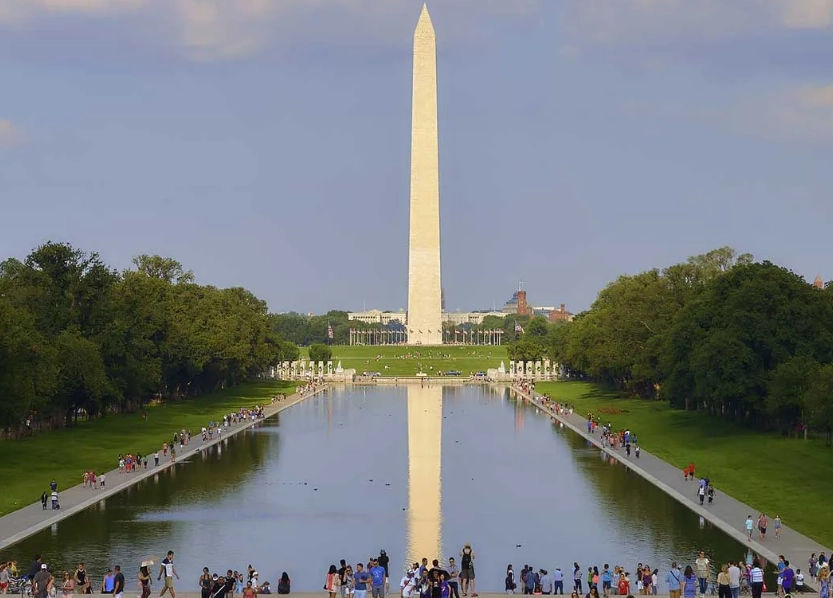
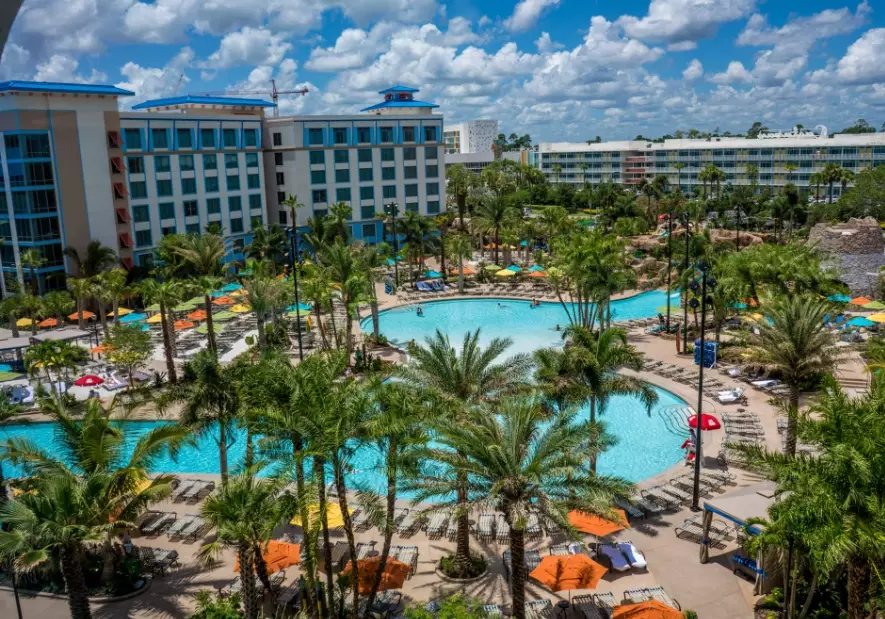
- The Crowds: School's out. Every family with kids is on the move. National parks like Yellowstone and the Grand Canyon see visitor numbers spike. Cities like New York, Orlando, and San Francisco are packed. I remember trying to get a photo at the Lincoln Memorial in August – it was less a moment of reflection, more a lesson in crowd navigation.
- The Heat and Humidity: This isn't just warm weather. The Southeast and Midwest can become brutally humid, with heat indices soaring above 100°F (38°C). The Southwest (Arizona, Nevada, Southern California deserts) is scorching hot, with temperatures frequently exceeding 110°F (43°C). Outdoor activities between 10 AM and 4 PM can be not just unpleasant, but dangerous without proper hydration and planning.
- The Cost: This is peak season. Airfare, hotels, rental cars, and even some attractions hike their prices. You're paying a premium for the privilege of sharing your vacation with millions of others.
- The Silver Lining: All attractions are open, festivals are in full swing, and daylight hours are long. If you can handle the heat and the people, the energy is infectious.
Personal Verdict: For general sightseeing across multiple regions, summer often tops my personal list as a contender for the worst time to visit USA. The combination of cost, crowds, and oppressive heat in many areas is a tough sell unless you have a specific summer-only goal (like a festival or a northern national park where summer is the only accessible season).
Winter (December - February): A Tale of Two Coasts (and a Frozen Middle)
Winter is the most polarizing season (pun intended). The worst time to visit USA in winter depends 100% on your destination and tolerance for cold.
- The North and Midwest: Bitterly cold, with heavy snowstorms that can shut down airports, delay flights for days, and make city exploration a chore. A friend got stranded in Chicago for three extra days after a "bomb cyclone" – not a fun extra vacation.
- The Holidays (Late Dec - Early Jan): An absolute frenzy. From just before Christmas until after New Year's Day, travel is at its most expensive and stressful. Airports are nightmares, hotels are booked solid, and popular destinations are crammed. It's arguably the single most concentrated worst time to visit USA for hassle-free travel.
- The Flip Side – The Sunbelt: While the North freezes, states like Florida, Arizona, and Southern California become incredibly popular and pricey. It's their peak season! So winter is the best time for them, but you're competing with snowbirds and other sun-seekers, driving up costs.
Shoulder Seasons: Spring & Fall – Usually the Sweet Spot, But...
Spring (March-May) and Fall (September-October) are widely touted as the best times to visit. And they often are. But they have their own pitfalls that can create a localized worst time to visit USA.
- Spring Break (March - April): A rolling wave of chaos. Specific weeks see college students and families descend on beach destinations (Florida, Cancun, South Carolina) and certain cities. Prices spike, and the party atmosphere might not be what you're looking for.
- Unpredictable Weather: Spring can be rainy and cool in the Northeast (April showers are real). Fall can see early snowstorms in the Rockies. Hurricane season peaks in the Atlantic from August through October, threatening the Southeast and Gulf Coast. Planning a beach trip to Florida in September? You're rolling the dice with weather.
- Fall Foliage Peaks (New England, October): This is a famous one. For about two weeks in October, tiny towns in Vermont and New Hampshire are inundated with "leaf peepers." Traffic is bumper-to-bumper, accommodations require booking a year in advance, and prices are astronomical. It's beautiful, but for a peaceful getaway, it might just be the worst time to visit USA's Northeast.
| Season | Primary Downsides | Worst For Regions Like... | Potential Upsides |
|---|---|---|---|
| Summer (Jun-Aug) | Extreme crowds, peak prices, intense heat/humidity, long waits. | Southeast, Southwest, Midwest, Major Coastal Cities, National Parks. | Guaranteed open attractions, long days, festival season. |
| Winter (Dec-Feb) | Extreme cold & snow (North), holiday travel chaos, high prices in sun destinations. | Northern States, Midwest, Mountain West. Holiday period everywhere. | Ski season, holiday magic, lower crowds in cold cities, great sunbelt weather. |
| Spring (Mar-May) | Spring break crowds, unpredictable rain/cool temps, early hurricane risk (Gulf). | Spring Break hot spots (FL, TX), Northeastern cities early in season. | Generally mild weather, blooming landscapes, lower crowds than summer. |
| Fall (Sep-Nov) | Peak hurricane season (Sep-Oct), fall foliage crowds & prices, early snow in mountains. | Southeast/Gulf Coast (hurricanes), New England (foliage), Rockies (early snow). | Generally pleasant temps, beautiful scenery, post-summer calm in many places. |
See? It's never simple.
The Regional Deep Dive: Your Destination Dictates the Worst Time
This is where the real planning happens. The worst time to visit USA's East Coast is worlds apart from the worst time for the Southwest.
Northeast & Mid-Atlantic (NY, DC, Boston, Philly)
I've spent a lot of time here, and the rhythms are distinct.
- Worst: Mid-July through August (hot, humid, crowded), the week between Christmas and New Year's (bonkers), and peak fall foliage weekends in October (if you dislike crowds).
- Why: The summer humidity is oppressive. Walking around Washington DC's National Mall in August feels like moving through soup. Winter holidays bring insane travel delays and prices.
- Watch Out For: Hurricane remnants in late summer/early fall can cause heavy rain and flooding, even in NYC.
The South & Southeast (FL, GA, LA, AL, MS, TN)
Heat and humidity define the worst time to visit USA's southern states.
- Worst: June, July, August, and September. The heat is intense, and the humidity makes it feel worse. Afternoon thunderstorms are daily events. This is also the heart of hurricane season.
- Why: It's not just discomfort. The heat can be dangerous for extended outdoor activity. Mosquitoes are rampant. And the threat of a hurricane disrupting or canceling your trip is very real, especially for coastal areas. The National Hurricane Center is a crucial resource if you're traveling during this window.
- Personal Note: I made the mistake of visiting New Orleans in late August once. The jazz was amazing, but the 95°F (35°C) heat with 90% humidity at 10 PM was a shock to my system. You need to be a heat warrior.
The Southwest (AZ, NV, UT, NM, SoCal Deserts)
This region flips the script. Their worst time to visit USA's desert areas is the opposite of the South's.
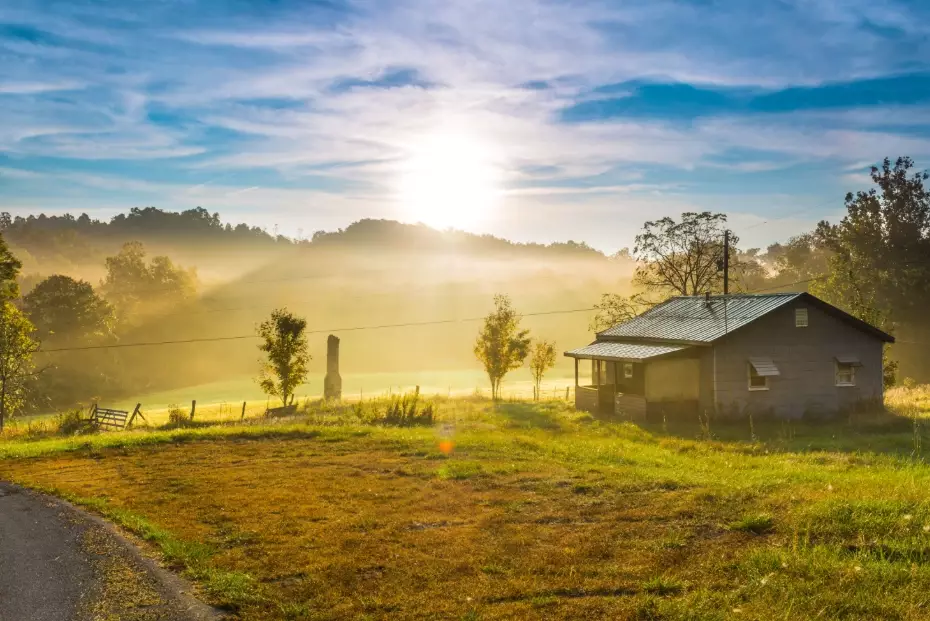
- Worst: The peak of summer, specifically July and August. Think Phoenix or Las Vegas with temperatures consistently at 110°F+ (43°C+). Hiking in places like Death Valley or the Grand Canyon can be life-threatening.
- Why: It's a dry heat, but at those temperatures, it's like standing in an oven. Many desert animals are inactive, and the intense sun is relentless. Outdoor activities are severely limited to very early mornings.
- Silver Lining: It's often the cheapest time to visit cities like Las Vegas, as it's their low season. But you'll be going from air-conditioned casino to air-conditioned pool.
The Pacific Northwest (WA, OR)
The stereotype is rain, but the worst time is more about gloom.
- Worst: The deep winter months, November through February. It's not necessarily super cold, but the days are very short, and the overcast, drizzly weather (the "drizzle" is constant) can be mentally draining if you're not used to it.
- Why: The lack of sunshine for weeks on end is the real issue for many visitors. Hiking and enjoying the stunning natural scenery is less appealing in the cold rain. However, if you love moody coasts and cozy coffee shops, you might love it.
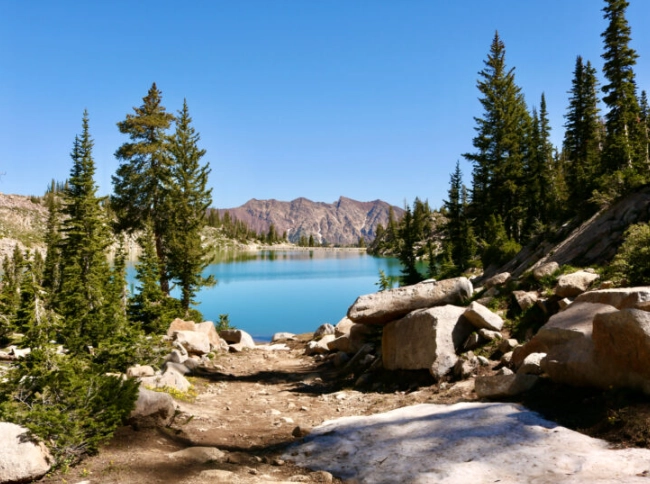
The Mountain West (CO, WY, MT, ID)
It's all about accessibility and mud.
- Worst: The "mud seasons" – late April/May as the snow melts, and October/November as winter sets in. Trails are a muddy mess, many high-elevation roads in places like Yellowstone National Park are closed, and the weather is highly unpredictable.
- Why: You get the worst of both worlds: not enough snow for winter sports, and too much muck for summer hiking. Many tourist-oriented businesses in mountain towns shut down entirely during these shoulder periods.
Pro Tip: Always check the official National Park Service website for your destination. Road closures, wildfire alerts, and permit requirements can make or break a trip and instantly create a worst time to visit USA's natural wonders if you're unprepared.
Beyond Weather: The Hidden Factors That Create a "Worst" Trip
Sometimes, the worst time to visit USA isn't about the climate. It's about the context.
Major Events and Holidays
These can turn any destination into a nightmare if you're not prepared.
- Thanksgiving Weekend: The single busiest travel period of the year in the US. Airports are pure chaos from the Wednesday before to the Sunday after. Hotels in major cities are packed and expensive. It's a genuine worst time to visit USA for efficient travel.
- Super Bowl Weekend: If the big game is in a city like Miami or Phoenix, that city becomes insanely expensive and booked solid. Avoid it unless you're going for the game.
- Mardi Gras in New Orleans: A fantastic experience if you want it. A crowded, expensive, overwhelming mess if you don't. Book a year in advance or stay away.
- College Football Game Days: Try getting a hotel in Tuscaloosa, Alabama, or Columbus, Ohio, on a home game Saturday in the fall. Impossible and price-gouged.
The "Shoulder Season" Trap for Certain Places
We praise shoulder seasons, but for some locations, they're a dead zone. I visited a famous beach town on the Outer Banks in late October once. The weather was still pleasant, but 80% of the restaurants and shops were closed for the season. It was quiet, sure, but it also felt a bit ghost-town-ish. The vibe was off.
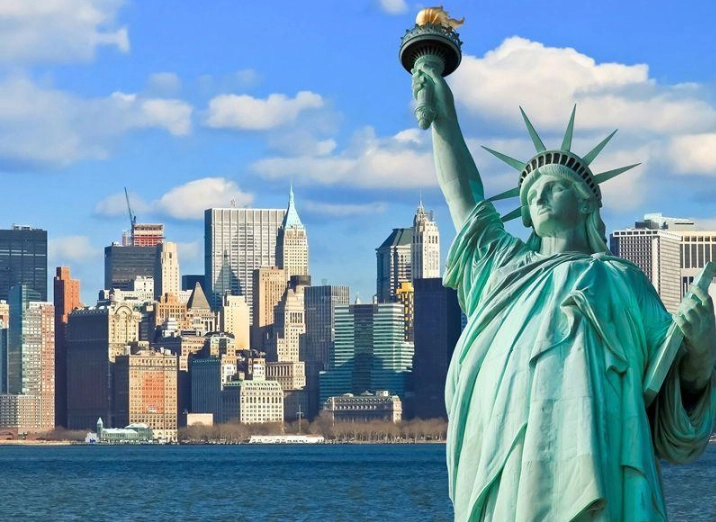
Ever tried to book a hotel in New York during Thanksgiving? Don't. Just don't.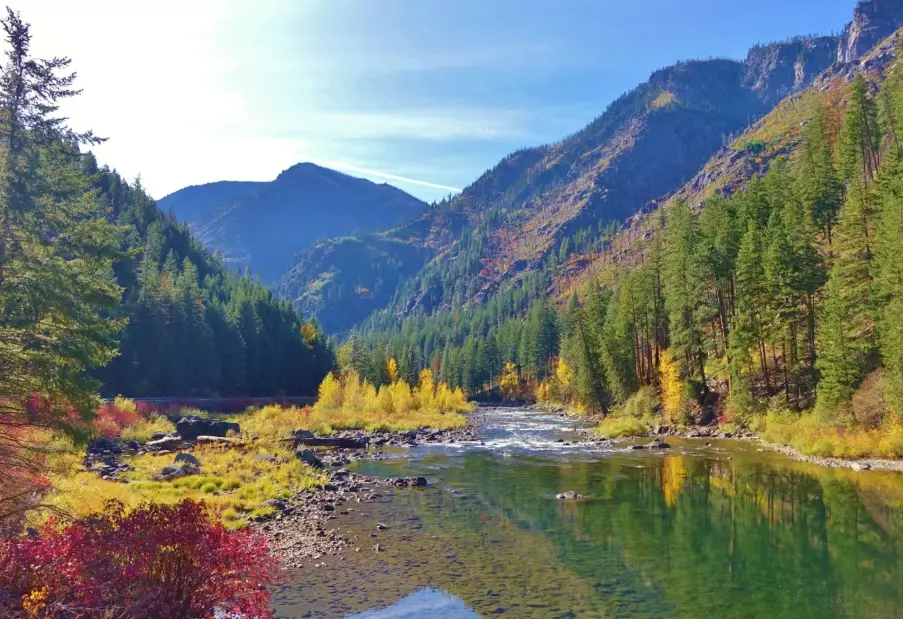
So, What Should You Do? Strategies to Beat the "Worst Time"
Okay, so maybe your only vacation time aligns with a potential worst time to visit USA. Don't panic. You can still have a great trip.
- Embrace the Off-Season Mentality: Going to Florida in September? You accept the hurricane risk but get amazing deals and fewer crowds. Have a solid Plan B (indoor activities, travel insurance).
- Shift Your Focus: Visiting the Southwest in July? Focus on indoor museums in Phoenix or Las Vegas, and schedule any outdoor activities for sunrise. Or head to higher elevation in Flagstaff or the mountains where it's cooler.
- Book Everything Way in Advance: If you're locked into a peak season, book flights 3-6 months out, and hotels as soon as you can. This locks in better prices and ensures availability.
- Get Travel Insurance: Seriously. Especially if traveling during hurricane season or winter storm season. A policy that covers "trip interruption" due to weather can save you thousands.
- Choose Less-Hyped Alternatives: Instead of the Grand Canyon in July, consider Bryce Canyon or North Cascades National Park. Instead of Miami Beach for Spring Break, look at the Gulf Coast of Florida or a different region entirely.
My own rule of thumb? I actively avoid the two-week period around Christmas and New Year's for any major travel. The stress and cost multiplier just aren't worth it to me. I'd rather take a cozy local trip then and save the big adventure for a less chaotic time. That single decision has saved me more travel headache than any other.
Frequently Asked Questions (The Stuff You're Actually Searching For)
Is there an absolute single worst month to visit the USA?
Not really. It's too big. But if you held a gun to my head and forced a coast-to-coast answer, I'd say late July or early August. You're hitting peak summer heat/crowds almost everywhere, except the deep desert which is even hotter. The holiday period (Dec 20 - Jan 2) is a close second for pure travel hassle.
What is the worst time to visit USA for good weather?
Again, regional. But broadly, January-February for the northern two-thirds of the country (cold/snow), and July-August for the southern third and deserts (extreme heat/humidity). The concept of "bad weather" just moves around the calendar.
I'm on a tight budget. When should I absolutely avoid?
Peak summer (June-Aug), major holidays (Thanksgiving, Christmas/New Year's, Spring Break weeks), and any time a huge event is in town. These periods see the highest prices for flights and lodging. The worst time to visit USA on a budget is when everyone else wants to go.
Is the "worst time" also the cheapest time?
Sometimes, but not always. There's a difference between "off-season" (cheaper, fewer crowds, but still functional) and "dead season" (cheap, but everything is closed and the weather is truly prohibitive). The shoulder seasons (late spring/early fall) often offer the best balance of decent weather, lower crowds, and moderate prices – they're rarely the absolute cheapest, but they're the best value.
How do I check for local events that might ruin my trip?
A simple Google search for "[City Name] event calendar [Month Year]" is a great start. Also check the city's official tourism website. For academic towns, look up the local university's academic calendar to avoid graduation or major football games.
The Final Word: It's About Your Personal "Worst"
At the end of the day, labeling a universal worst time to visit USA is a bit of a fool's errand. My worst (blazing heat and wall-to-wall people) might be your best (guaranteed swimming weather and a vibrant social scene).
The key is to be honest with yourself. What do you hate? Standing in lines? Paying $400 a night for a basic hotel? Being cold? Being sweaty? Once you know that, you can cross-reference it with the seasonal and regional data here.
Use this guide not as a list of dates to avoid, but as a filter for your own priorities. Do your research on your specific destinations. Check the National Weather Service for climate averages. Look at park websites for closure schedules.
Plan with your eyes open, and even if you end up traveling during what some call the worst time to visit USA, you'll be prepared to handle it—or even enjoy its unique, chaotic charm. Because sometimes, the worst time can make for the best story. Just ask me about that Times Square coffee line.
Safe travels.


Comments
Leave a Comment