Let's cut right to the chase. The most visited city in America, by a massive margin, is New York City. It's not even a close contest. While other cities like Orlando, Miami, or Los Angeles see huge numbers, NYC consistently pulls in over 60 million visitors annually in recent pre- and post-pandemic years, according to NYC & Company, the city's official tourism bureau. That's more than the entire population of many countries. But this article isn't just about stating a fact you could Google in two seconds. It's about why this is the case, and more importantly, how you can plan an amazing trip to experience the magnetic pull of NYC for yourself, avoiding the common pitfalls that frustrate first-timers.
Your Quick Guide to NYC's Crown
Why NYC Reigns Supreme: Beyond the Obvious
Everyone knows the Statue of Liberty and Times Square. The real reason NYC dominates isn't just a checklist of landmarks. It's the unmatched density of experiences. In most cities, you have a downtown core with attractions. In New York, every neighborhood feels like its own city with a unique personality, history, and food scene. You can go from the ancient temples of art at the Metropolitan Museum to the cutting-edge street art in Bushwick, Brooklyn, in under an hour on the subway.
There's a psychological factor too. NYC is the most filmed and referenced city in American media. For many international visitors, stepping onto a Manhattan street feels like walking onto a movie set they've known their whole lives—a powerful draw. The city's 24/7 energy creates a sense that you're missing out if you sleep, pushing visitors to pack their days.
A Local's Perspective: The biggest mistake I see is people trying to "do" Manhattan in three days. You'll just be exhausted and feel like you saw nothing but crowds. The magic often happens in the spaces between the landmarks: a random jazz bar in the West Village, a quiet moment in a hidden courtyard, or a perfect bagel from a neighborhood deli nobody blogs about.
Top Attractions: A Deep Dive, Not Just a List
Here’s where we get practical. Below is a table of the heavy hitters, but with crucial details most lists omit—like the best time to go to avoid the worst crowds and money-saving alternatives.
| Attraction | Address / Area | Key Info & Ticket Price (Approx.) | Pro Tip / Hidden Gem Alternative |
|---|---|---|---|
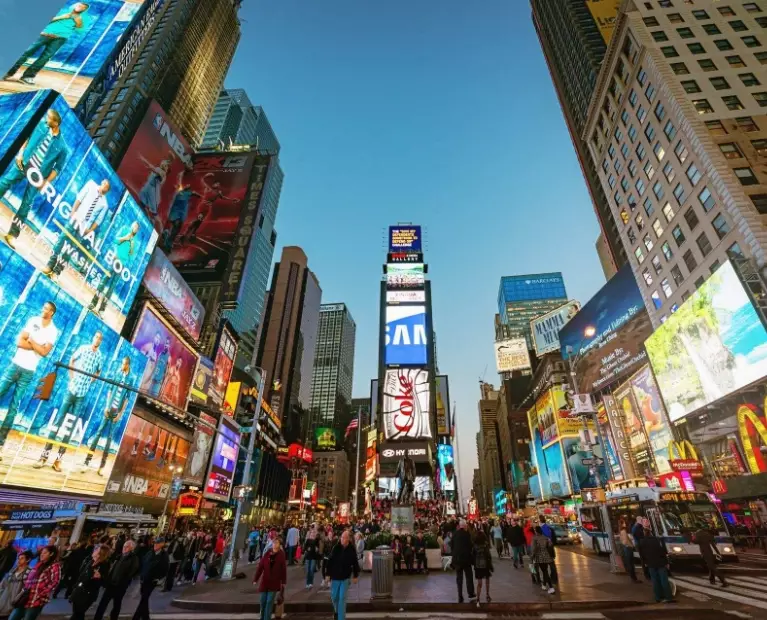
| Times Square | Broadway & 7th Ave (42nd to 47th St) | Free, always open. Overwhelming sensory experience. | Go late at night (after 11 PM) to see it relatively calm. For a better elevated view, skip the expensive observation decks here and go to the Roosevelt Island Tram for a fraction of the cost. |
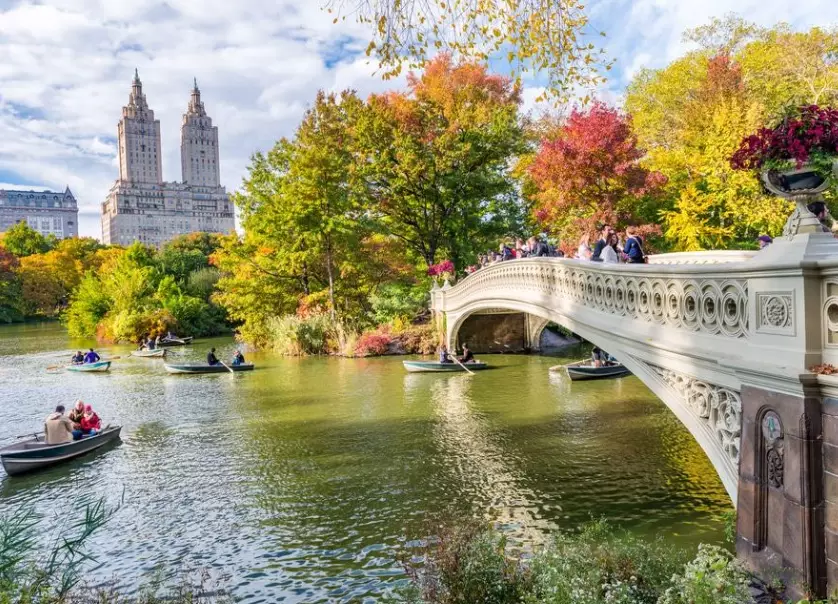
| Central Park | 59th St to 110th St, between 5th & 8th Ave | Free, open 6 AM to 1 AM. 843 acres. | Rent a Citi Bike to cover more ground. Locals love the North Woods (around 103rd St) for escaping crowds. The Conservatory Garden (105th St) is a serene, formal garden few tourists find. |
| The Metropolitan Museum of Art | 1000 5th Ave | Open Sun-Tue 10-5, Fri-Sat 10-9. Suggested admission: $30 for adults, $22 seniors, $17 students. *You can pay less. | The "suggested" price is just that—you can pay $1 if you wish. Go on a Friday or Saturday evening when it's less crowded. Don't miss the rooftop garden (seasonal) for skyline views. |
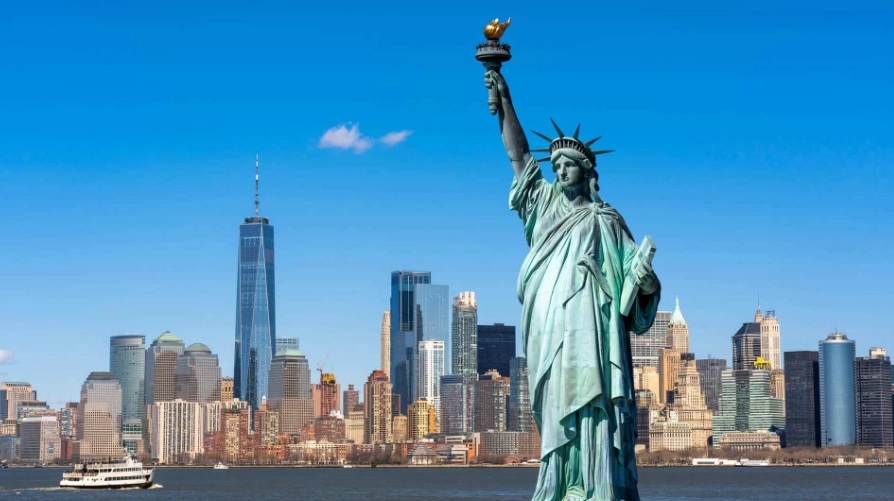
| Statue of Liberty & Ellis Island | Depart from Battery Park, NYC or Liberty State Park, NJ | Ferry ticket required: $24.50 adult (includes both islands). Crown access requires a separate, hard-to-get reservation. | Book the first ferry of the day (8:30 AM) to beat crowds. The Statue of Liberty Museum on the island is fantastic and often overlooked. For a free, stunning view, take the Staten Island Ferry. |
| Empire State Building | 350 5th Ave | Open 9 AM-2 AM. Tickets from $44 (main deck) to $79 (both decks). Prices surge at sunset. | Sunset is chaos. Go late at night for shorter lines and a mesmerizing sea of lights. Consider Top of the Rock (30 Rockefeller Plaza) instead—you get the Empire State Building in your photos. |
How to Navigate NYC's Crowds Like a Pro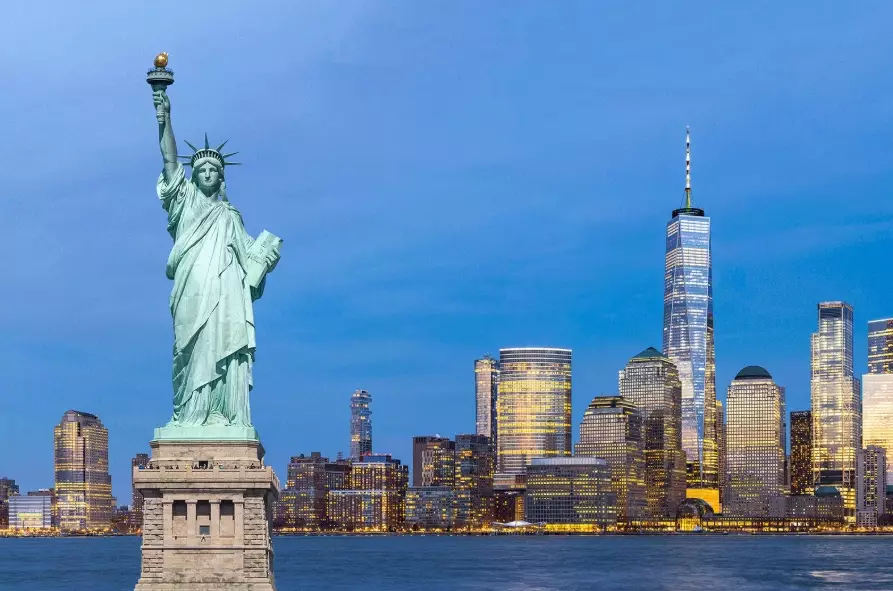
Overtourism is real in NYC. My non-consensus advice? Embrace the subway, not the hop-on-hop-off bus. The bus traps you in traffic with other tourists. The subway is faster, cheaper ($2.90 per ride), and drops you closer to where locals actually go. Use the Citymapper app—it's lifesaving.
For museums, many offer "pay-what-you-wish" hours or days. The Met's is for NY state residents, but the Museum of Modern Art (MoMA) is free on Friday evenings from 4-8 PM for all. Get there at 3:45 PM.
The NYC Food Map: From Dollar Slices to Fine Dining
You can't talk about NYC without talking about food. It's a core part of the visitation draw. Forget the overhyped, Instagram-famous spots with hour-long lines. Here’s a borough-by-borough breakdown of the real deal.
Manhattan Classics (That Are Actually Worth It):
- Joe's Pizza (7 Carmine St, West Village): The quintessential NYC slice. Foldable, greasy in the right way, open late. A slice is around $4. It's a rite of passage.
- Katz's Delicatessen (205 E Houston St, Lower East Side): Yes, it's touristy. Yes, it's still incredible. The pastrami on rye ($25+) is a mountain of meat. Go on a weekday afternoon to avoid the worst line. They give you a ticket—don't lose it!
- Levain Bakery (Multiple locations): Their $5 chocolate chip walnut cookie is famously thick and gooey. The original location on 74th & Amsterdam often has a shorter line than the one in the Village.
Brooklyn's Foodie Havens:
Cross the bridge. Seriously. Williamsburg and Greenpoint are packed with innovative restaurants at slightly better prices than Manhattan.
- Peter Luger Steak House (178 Broadway, Brooklyn): The classic old-school steakhouse. Cash only (mostly). Expect to spend $150+ per person. Reservations are essential, booked weeks ahead.
- Lilia (567 Union Ave, Brooklyn): Modern Italian in a converted auto shop. The pasta is legendary. Nearly impossible to get a reservation, but they save seats for walk-ins at the bar—go right when they open at 5 PM.
Queens: The Ultimate Culinary Adventure
Flushing, Queens, has better, more authentic Chinese food than Manhattan's Chinatown. Take the 7 train to the end. Jackson Heights is a paradise for Indian, Tibetan, and Colombian food. Just wander and point at what looks good.
Where to Stay and Sample Itineraries That Actually Work
Hotel prices are the biggest shock for visitors. You can easily pay $300+ per night for a basic room. Location is everything to save time and transit costs.
Budget-Conscious & Well-Located:
- Pod Hotels (Multiple locations): Pod 51 in Midtown East is a favorite. Small, efficient rooms, but clean and social. Rooms from ~$150/night if booked ahead.
- Stay in Long Island City, Queens: Just one subway stop from Manhattan. Neighborhoods like LIC have newer hotels (The Paper Factory, Hilton Garden Inn) at better rates and stunning views of the Manhattan skyline.
Mid-Range with Character:
- The Library Hotel (299 Madison Ave): Near the NY Public Library, themed by the Dewey Decimal system. Charming, includes a rooftop lounge. ~$250-$350/night.
- Ace Hotel Brooklyn (252 Schermerhorn St, Brooklyn): Trendy, in downtown Brooklyn with easy subway access to Manhattan and Brooklyn sights. ~$200-$300/night.
A Realistic 3-Day NYC Itinerary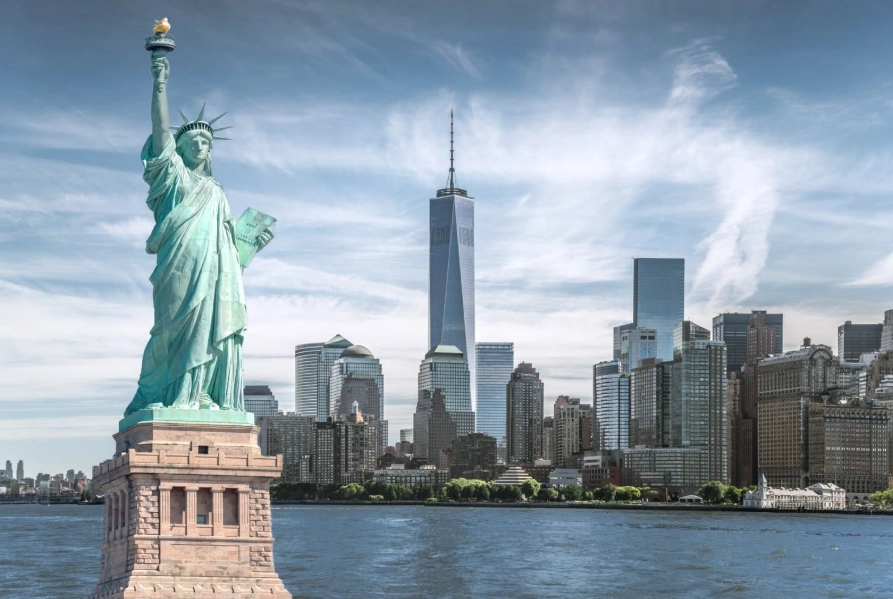
This plan minimizes backtracking and builds in breathing room.
Day 1: Lower Manhattan & Icons. Start early at the 9/11 Memorial & Museum (opens 9 AM, book tickets). Walk to Wall Street, see the Charging Bull. Take the Staten Island Ferry for your free Lady Liberty view. Return, explore Stone Street for a historic pub lunch. Evening in Chinatown/Little Italy for dinner.
Day 2: Central Park & Museum Mile. Enter Central Park at 5th Ave & 59th St (Grand Army Plaza). Walk to Bethesda Terrace, rent a rowboat on the Lake. Exit at the 79th St Transverse. Choose one major museum: The Met (right there) or the American Museum of Natural History (a 10-min walk west). Don't try to do both. Evening on the Upper West Side (Zabar's for gourmet snacks) or see a Broadway show.
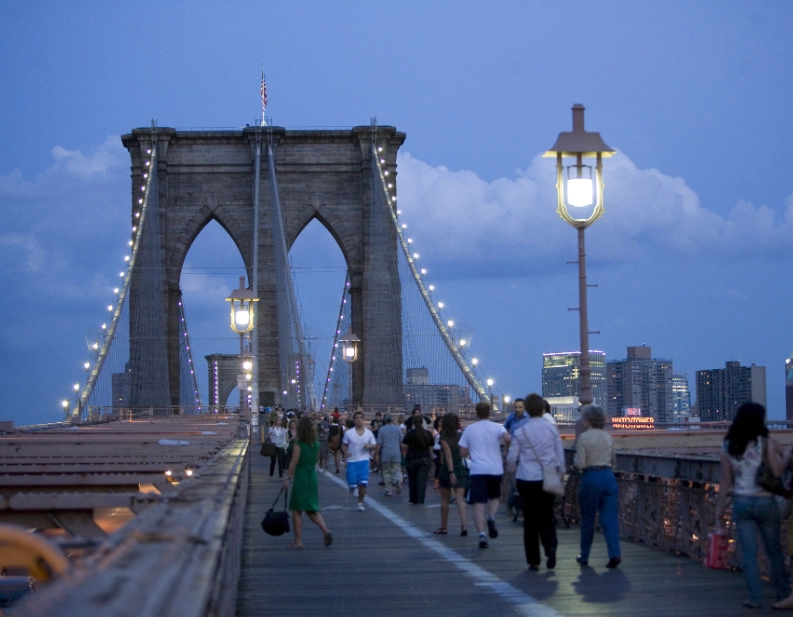
Day 3: Brooklyn & Views. Walk across the Brooklyn Bridge from Manhattan side (start at City Hall Park). Explore DUMBO (Down Under the Manhattan Bridge Overpass), get the famous photo on Washington St. Walk through Brooklyn Bridge Park. Take the subway to Williamsburg for lunch and boutique shopping. End your day at a Brooklyn rooftop bar like Westlight for the sunset view back to Manhattan.
NYC Trip FAQ: Expert Answers to Real Questions
Beyond flight/hotel deals, focus on food and transit. Eat your big meal at lunch when many restaurants offer prix-fixe menus for $20-$40 that would cost double at dinner. Buy a 7-day unlimited MetroCard ($34) if you're staying 4+ days and plan to use the subway more than 12 times—it pays for itself quickly. Walk as much as you can; the grid system makes it easy, and you'll discover things you'd miss underground.
Times Square and the main tourist corridors in Midtown are among the safest, most heavily policed areas in the city, precisely because of the tourism. They're brightly lit and crowded until very late. The primary risk there is pickpocketing or being overcharged by street vendors. Be more vigilant with your belongings in dense crowds than worried about personal safety in these zones.
 How can I experience the "real" New York City and avoid feeling like just another tourist?
Spend half your trip outside Manhattan. Take the subway to a residential neighborhood in Queens (Astoria, Sunnyside) or Brooklyn (Park Slope, Carroll Gardens) on a Saturday morning. Go to a local diner, browse a neighborhood bookstore, and walk the streets without a specific landmark as a goal. Sit in a park like Washington Square Park or Tompkins Square Park and just people-watch. The "real" NYC is in the daily rhythm of its diverse neighborhoods, not just the postcard sights.
Underestimating travel time and over-scheduling. They'll put the Statue of Liberty ferry (a 4-5 hour commitment with travel and security) and a Broadway show on the same day, not realizing the mental and physical fatigue. The city is bigger and more exhausting than it looks on a map. Schedule one major "anchor" activity per day (a museum, a landmark tour), then fill in the spaces around it loosely. Leave room for spontaneity—getting lost is often the best part.


Comments
Leave a Comment