In This Article
Let's talk about San Francisco tourism statistics. You know, the numbers behind the postcard pictures. Everyone's got an opinion on whether the city is "back" or not, but I find the raw data tells a more interesting, and often more nuanced, story than the headlines. I've been digging into reports, cross-referencing sources like the San Francisco Travel Association's research page, and even chatting with a few folks in the hospitality biz to get a feel for what's really going on.
The picture isn't just one of simple recovery or decline. It's a patchwork. Some areas are booming, others are still finding their footing. International visitors? That's a whole different timeline compared to domestic travel. And what people spend their money on has shifted in ways that surprise even the experts. If you're planning a trip, running a business, or just curious about the city's economic heartbeat, understanding these San Francisco visitor statistics is key.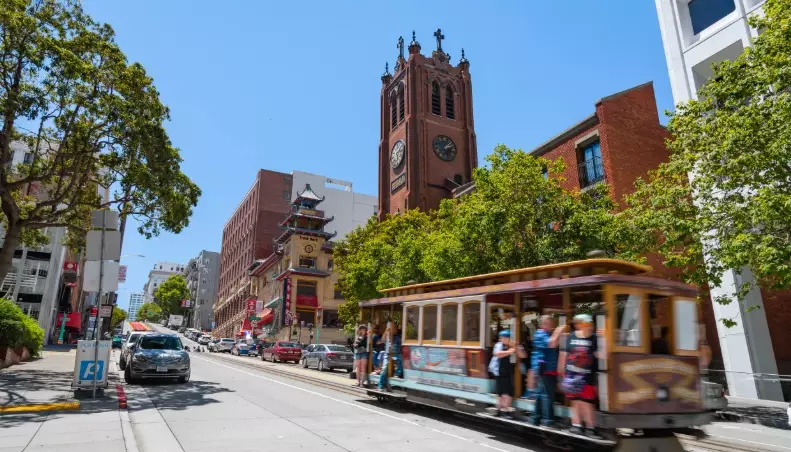
Why bother with this data? Well, it tells you when hotels might be cheaper, which neighborhoods are buzzing, and what kind of experience you're likely to have. For me, it's the difference between fighting crowds on a packed Pier 39 and discovering a quieter moment somewhere just as beautiful.
The Big Picture: How Many People Actually Visit?
This is the number everyone wants first. Pre-pandemic, San Francisco was flirting with the 26 million visitor mark annually. That's a staggering number for a city of its size. Then, obviously, things crashed. The latest comprehensive San Francisco tourism statistics show a strong rebound, but the composition of that crowd has changed.
In 2023, the city welcomed about 21.9 million visitors. That's a huge climb from the depths of 2020, but still shy of the 2019 peak. Here's the kicker, though. The recovery hasn't been even. Leisure travel came roaring back, especially from other parts of the U.S. The domestic market has been the engine. Business travel and international visitors, however, have been on a slower boat. Conventions and big conferences are trickling back, but the schedule isn't as packed as it once was. And while flights from Europe and Asia are full again, the overall volume from overseas, a major spending powerhouse, hasn't fully returned to its old self.
What does this mean on the ground? You might notice fewer large tourist groups with guides holding flags, and more families or couples on vacation from other states. The vibe in popular spots is different. The reliance on the domestic market also makes the city's tourism more vulnerable to fluctuations in the U.S. economy. If people in the Midwest or on the East Coast start tightening their belts, San Francisco feels it directly.
Where Are All These Visitors Coming From?
Let's break down the origins. It's not just a blob of "tourists". Understanding the source markets is crucial for the city's marketing and for businesses trying to cater to them.
The top domestic markets are, unsurprisingly, other major California metros and neighboring states. Los Angeles, New York, Seattle, Chicago, and Phoenix are consistently at the top. But there's also a steady stream from Texas, Florida, and Washington D.C. These San Francisco tourism statistics on origin tell us that the city remains a premier destination for a classic American vacation.
Internationally, the landscape has shifted. Before the pandemic, China was the undisputed top source market, bringing in huge numbers of travelers. While they are returning, the pace has been slower due to a complex mix of factors including flight capacity, visa processes, and economic conditions there. The UK, Germany, Australia, and South Korea have been more consistent in their return. You can often find more detailed breakdowns on international arrival patterns through the Visit California research portal, which provides context for the state as a whole.
I remember talking to a shop owner in Chinatown last fall. He said business was good, but different. "Before, buses. Many buses from the airport," he said. "Now, more people who are already in America coming to see us." That anecdote lines up perfectly with the data.
The Money Trail: Spending Patterns and Economic Impact
Visitor volume is one thing. What they leave behind is another. Tourism spending is the lifeblood for thousands of businesses, from massive hotels to the single cart selling clam chowder in a bread bowl.
Total visitor spending in San Francisco hit roughly $7.8 billion in 2023. Again, a massive recovery, but not quite at the pre-pandemic high of over $10 billion. The story within this San Francisco tourism statistic is about how people are spending. There's been a noticeable shift.
| Spending Category | Approx. Share of Total (2023) | Notes & Trend |
|---|---|---|
| Food & Beverage | ~25% | Remains the top category. People have to eat! Trend towards more casual dining and food halls over fine dining. |
| Lodging | ~22% | Hotel rates have soared, especially in downtown core. This share might increase as more luxury hotels open. |
| Shopping | ~18% | Down from pre-pandemic. Less focus on luxury goods, more on local souvenirs, experiences, and apparel. |
| Entertainment/Recreation | ~15% | Growing category. Includes museum tickets, tour fees, park admissions, sporting events. |
| Local Transportation | ~12% | Rideshares, rental cars, transit passes. A significant cost for visitors exploring beyond Fisherman's Wharf. |
| Other | ~8% | Incidentals, services, etc. |
See that shift in shopping? It's real. The Union Square luxury corridor, while still important, isn't drawing the same frenzied spending from certain international cohorts as it once did. Meanwhile, neighborhoods like the Mission, Hayes Valley, and even parts of the Outer Sunset are seeing more tourist dollars flow into smaller boutiques, record stores, and local design shops. Visitors seem more interested in taking a piece of San Francisco's culture home rather than just a globally-available designer handbag.
My take: The high cost of lodging is a real pain point, both for visitors and for the city's image. It prices out a lot of people and concentrates tourist density in specific areas. When a standard hotel room downtown costs what it does, it changes the calculus of a trip. You feel pressured to "get your money's worth" in a way that can make the vacation feel less relaxing.
And let's talk about the elephant in the room: downtown recovery. Convention business is a huge driver of mid-week hotel occupancy and spending in restaurants and bars around the Moscone Center area. Those San Francisco visitor statistics for hotel occupancy in the Financial District and SoMa are still trailing other parts of the city. A strong convention calendar in 2024 and 2025 is viewed as critical for a full recovery. You can track the official city's economic reports, which often touch on this sector, through the San Francisco City Administrator's office publications, which sometimes include relevant economic analyses.
What Do Tourists Actually *Do* in San Francisco?
The postcards show the Golden Gate Bridge and cable cars. The data shows... well, also those things. But the rankings and time allocations are fascinating.
Based on attraction ticket data, surveys, and my own unscientific observations from living here, here's a rough hierarchy of what dominates the tourist itinerary:
The Undisputed Top Tier:
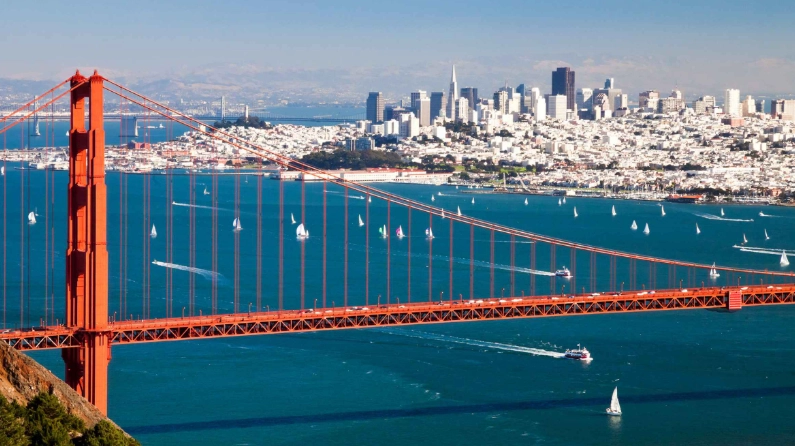
- Golden Gate Bridge: More a photo op/viewpoint experience than an activity. Vista points on both sides are constantly packed.
- Fisherman's Wharf/Pier 39: Yes, it's cliché. Yes, it's crowded. But the sea lions, the chaotic energy, and the access to bay cruises make it a perpetual magnet. The San Francisco tourism statistics for this area are always at the top.
- Alcatraz Island: This one requires planning. Tickets sell out weeks, sometimes months, in advance. It's the premier "must-do" ticketed experience.
The Strong Second Tier (The "Day Activity" Group):
- Golden Gate Park: This is a massive draw, but its appeal is fragmented. The Japanese Tea Garden, California Academy of Sciences, and de Young Museum are major individual attractions within it.
- Lombard Street (the "crooked" one): Less an activity, more a quick stop. The line of cars waiting to drive down it on a weekend is its own tourist attraction.
- Cable Car Ride: More than transportation, it's a ride. The Powell-Hyde and Powell-Mason lines offer those classic postcard views.
The Growing in Popularity Tier:
- Mission District Murals & Food: Tourists are increasingly venturing into the Mission for a dose of authentic culture, incredible food (the burrito pilgrimage is real), and the famous Balmy Alley and Clarion Alley murals.
- Land's End & Sutro Baths: The hike from Lands End to the ruins of the Sutro Baths offers stunning, free coastal views that rival the Bridge. It's become a huge word-of-mouth hit.
- North Beach (Little Italy): The classic San Francisco neighborhood vibe—cafes, bookstores, Italian restaurants—draws those looking to escape the more frantic tourist hubs.
Museums are interesting. The SFMOMA and the de Young do very well, but they tend to attract a specific subset of visitors—often older, often more educated, and frequently domestic. They aren't the mass-market draws that the iconic outdoor sights are.
The When: Seasonality and Its Impact
San Francisco's weather is famously... idiosyncratic. And it directly shapes the San Francisco tourism statistics month by month.
Contrary to many destinations, peak season is late summer through early fall (August to October). Why? This is when the city is most likely to have its warmest, sunniest, and least foggy days. The water is (relatively) calmer for bay cruises, and the days are long. Hotels are at their most expensive, and attractions are at their most crowded.
Shoulder seasons are spring (April-May) and sometimes late fall (November). You trade a higher chance of rain and cooler temps in spring for blooming flowers and smaller crowds. November can be surprisingly lovely. The summer fog is usually gone, and the holiday rush hasn't begun.
Low season is winter (December through February), excluding the holiday weeks. This is when you'll find the best hotel deals. Yes, it will be colder and rainier. But the city has a quiet, local charm during these months. The cultural scene—theater, opera, symphony—is in full swing. For a certain type of traveler, this is the best time to come.
A quick tip: Check the city's convention calendar. A single large convention can fill 20,000 hotel rooms and spike prices overnight, even in an otherwise quiet period.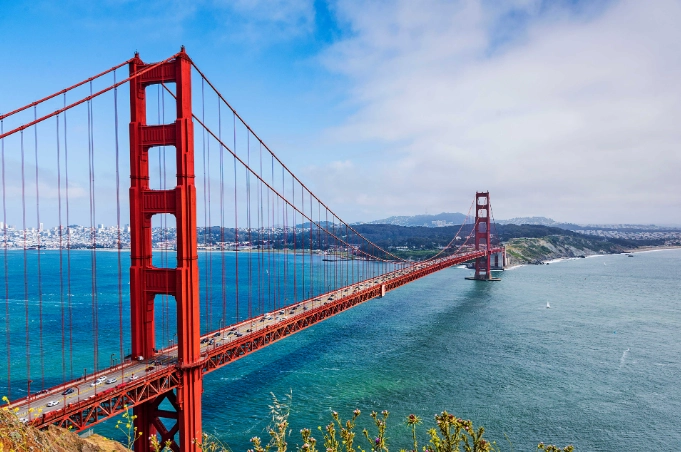
How Long Do They Stay?
The average length of stay for leisure visitors is about 3.2 nights. For business travelers, it's shorter, often just 2 nights. This is a critical piece of San Francisco tourism data for planners. It means the typical tourist has maybe two full days to explore. That creates intense pressure to hit the "top" sights, which reinforces the popularity of the Golden Gate Bridge, Alcatraz, and Fisherman's Wharf. It's a self-perpetuating cycle. If you have 4 or 5 nights, you suddenly have the luxury to explore Hayes Valley, take a day trip to Muir Woods, or just wander through different neighborhoods.
Looking Ahead: Trends and Predictions
Where is this all heading? Based on the trajectory of San Francisco tourism statistics and industry chatter, a few trends seem solid.
1. The "Experience" over "Stuff" Trend Will Deepen. People want to do things, not just buy things. This means continued growth for guided tours (food tours, history walks, bike rentals), unique activities (urban hiking, workshop classes), and access to local events. The success of platforms like Airbnb Experiences is a testament to this.
2. Neighborhood Dispersion Will Continue. As visitors seek authenticity and spread out due to high downtown costs, neighborhoods beyond the core will benefit. The challenge is ensuring these neighborhoods have the infrastructure (bathrooms, transit info, welcoming businesses) to handle the influx without losing what made them attractive in the first place.
3. Sustainability is No Longer a Niche Ask. More travelers are considering the environmental impact of their trip. This could influence choices around transportation (electric vehicle rentals, transit use), accommodations (hotels with green certifications), and activities. The city's own climate goals will push this sector as well.
4. The Return of Asia-Pacific Travel is the Big Unknown. The full recovery of the Chinese, Japanese, and Southeast Asian markets will be the single biggest factor in pushing overall visitor numbers and spending past pre-pandemic records. It's a matter of when, not if, but the timing is uncertain.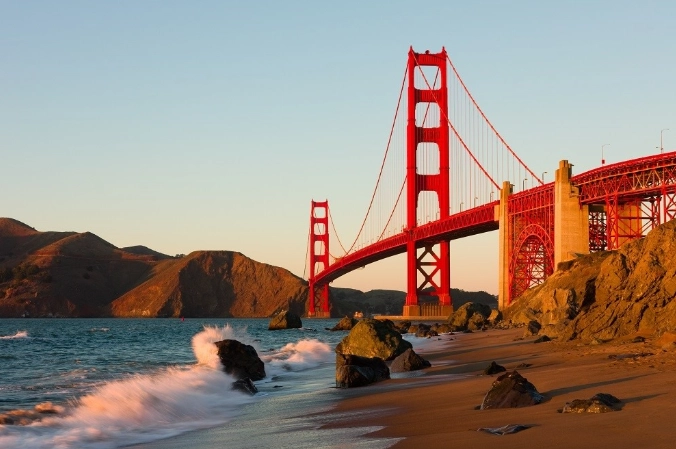
Your Questions on San Francisco Tourism Stats (FAQs)
So, there you have it. San Francisco tourism statistics are more than just a number. They're a story of resilience, change, and adaptation. They tell us how a global city navigated a global crisis, what visitors value now, and where the journey might lead next. Whether the numbers hit a new record next year or not, the character of tourism here has been permanently altered. And honestly? That might not be a bad thing. A more spread-out, experience-seeking visitor might just be what helps the city discover new versions of itself.
The next time you're planning a trip or just reading a headline about the city's recovery, remember the layers behind those San Francisco visitor statistics. They're the real map to understanding this place.

Comments
Leave a Comment