Figuring out the best time to visit the East Coast for fall colors feels like trying to hit a moving target. One year, Vermont is fiery red in late September; the next, it's still green. I've missed the peak by a week and still had an incredible trip, and I've also stumbled upon perfect color in a place I didn't expect. The secret isn't a single date—it's understanding the wave. Fall color sweeps down from the Canadian border starting in early September and doesn't finish its show in the southern Appalachians until early November. Let's break down that wave, state by state, so you can plan a trip that actually works.
Your Quick Guide to Autumn’s Canvas
Understanding the Fall Foliage Timeline
Think of it as a slow-motion wave of color rolling south and from high elevation down to sea level. It starts in the cool, northern reaches of Maine and New Hampshire's White Mountains in mid-to-late September. By early October, it's bathing Vermont, upstate New York, and the high peaks of North Carolina in brilliance. Mid-October is prime for most of New England, the Catskills, and the Pennsylvania Wilds. Late October brings the show to the mid-Atlantic states like Virginia and West Virginia, while the Smoky Mountains and Blue Ridge Parkway hit their stride from mid-October through early November.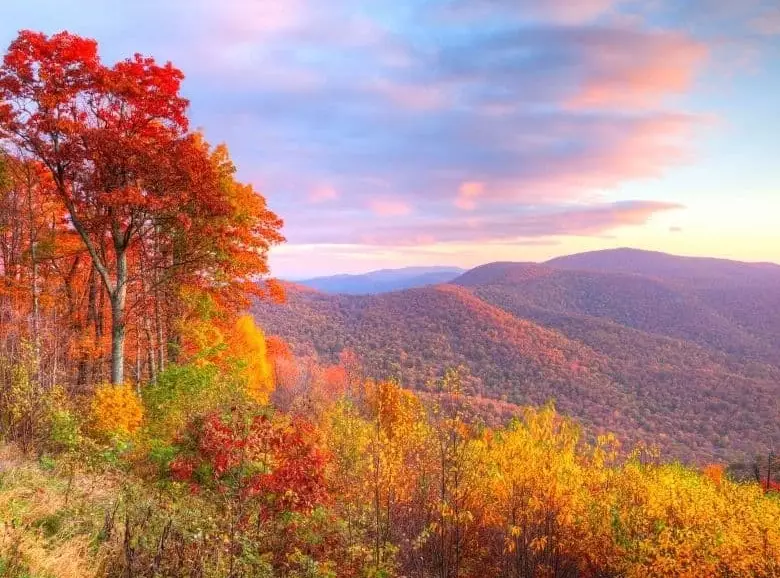
The Non-Consensus Point: Everyone obsesses over the date, but elevation and microclimates matter more. On a single day in late October, you could see bare trees at 5,000 feet on Mount Washington, peak color at 2,500 feet in Shenandoah, and just-starting color in the lowlands of Georgia. Planning your daily drives with elevation in mind is the pro move most guides don't emphasize enough.
State-by-State Peak Foliage Windows & Top Spots
Here’s the practical data. Remember, these are typical windows. A warm fall pushes them later; an early cold snap pulls them forward.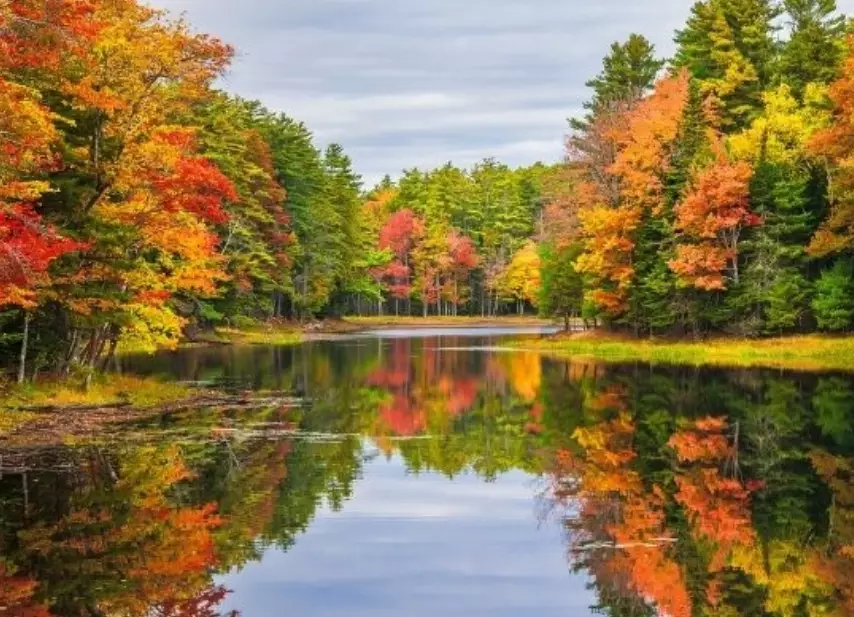
| State/Region | Typical Peak Window | Top Spot to Consider | Why It's Special & Practical Notes |
|---|---|---|---|
| Maine | Late Sept - Early Oct | Acadia National Park | Ocean-meets-mountains scenery. Park Loop Road gets packed—go at sunrise. No park entry fee? Try the Rangeley Lakes Scenic Byway. |
| New Hampshire | Early - Mid October | Kancamagus Highway (Route 112) | A 34-mile scenic drive with zero services. Gas up in Lincoln or Conway. Parking at Sabbaday Falls is a nightmare after 9 AM. |
| Vermont | Early - Mid October | Route 100 (The "Skier's Highway") | The quintessential Vermont route. Stop at a farm stand. Traffic through Stowe can be slow; consider parallel routes like 108 through Smugglers' Notch (closes in winter). |
| New York (Adirondacks/Catskills) | Late Sept - Mid Oct | Whiteface Mountain Veterans' Memorial Highway | You can drive to the top for 360-degree views. It's a toll road (~$20/car+driver). For a free alternative, hike to Indian Head for that iconic Ausable Lakes view. |
| Pennsylvania | Mid - Late October | Pine Creek Gorge (The "PA Grand Canyon") | Vast, less crowded than New England. Hike the West Rim Trail. The town of Wellsboro is a charming base with several B&Bs. |
| Virginia | Mid - Late October | Shenandoah National Park, Skyline Drive | 105 miles of ridge-top views. Entrance fee is $30 per vehicle. Milepost 51 at Skyland is a classic vista. Weekends are a traffic jam—go on a Tuesday. |
| North Carolina/Tennessee (Smokies) | Late Oct - Early Nov | Newfound Gap Road & Clingmans Dome | Elevation dictates everything here. Color starts at the top (6,643 ft) in early Oct and slides down. Clingmans Dome parking fills by 10 AM. Have a backup plan like the Foothills Parkway. |
| Georgia (Blue Ridge) | Late Oct - Early Nov | Brasstown Bald | Georgia's highest point. You take a shuttle from the parking lot ($5 per person). The 360-degree view lets you see the color progression across multiple mountain ranges. |
I learned the hard way about backup plans. One Columbus Day weekend, every overlook on the Blue Ridge Parkway near Asheville was a parking lot. We bailed and found stunning, quiet color on the backroads around the town of Burnsville, NC. Don't be afraid to ditch the famous route if the crowds are soul-crushing.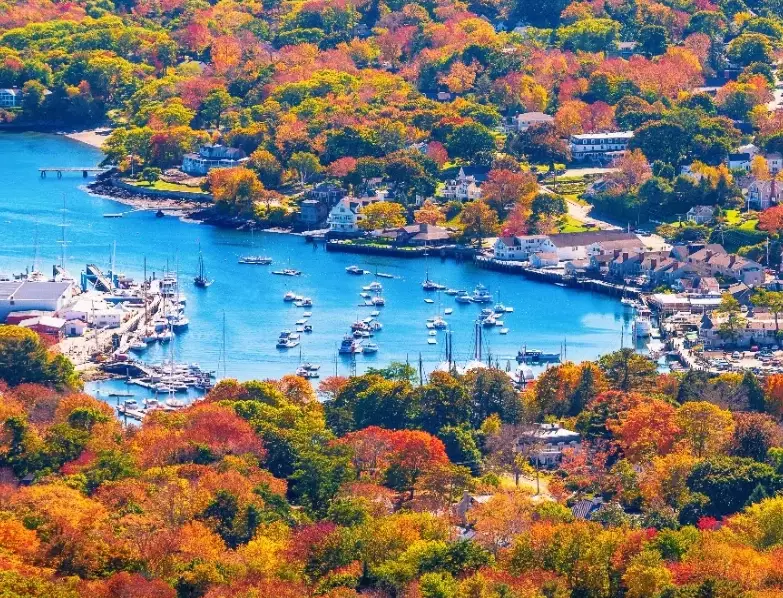
How to Accurately Track Fall Colors (Beyond the Calendar)
Forget last year's blog post. You need live intelligence.
Use Official Foliage Prediction Maps
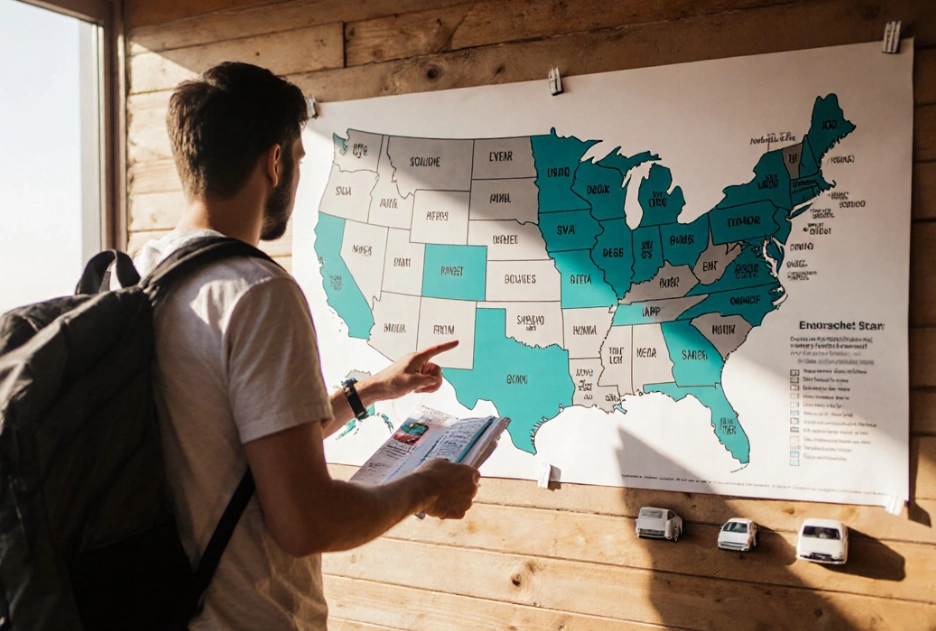
In the weeks before your trip, start checking the Smoky Mountains Fall Foliage Prediction Map. It's not perfect, but it's the most widely used visualizer and gets updated regularly. More importantly, check the state tourism websites. Vermont's Fall Foliage Tracker and New Hampshire's tracker use reports from real foresters and spotters.
Understand the Science: It's About Chlorophyll and Sugars
Warm, sunny days and cool (but not freezing) nights create the best reds. The sugar produced during the day gets trapped in the leaves by the cold night, forming red anthocyanin pigments. A hard frost or a major storm can end the party early. A drought in late summer can cause leaves to brown and drop before turning. This is why forecasts change.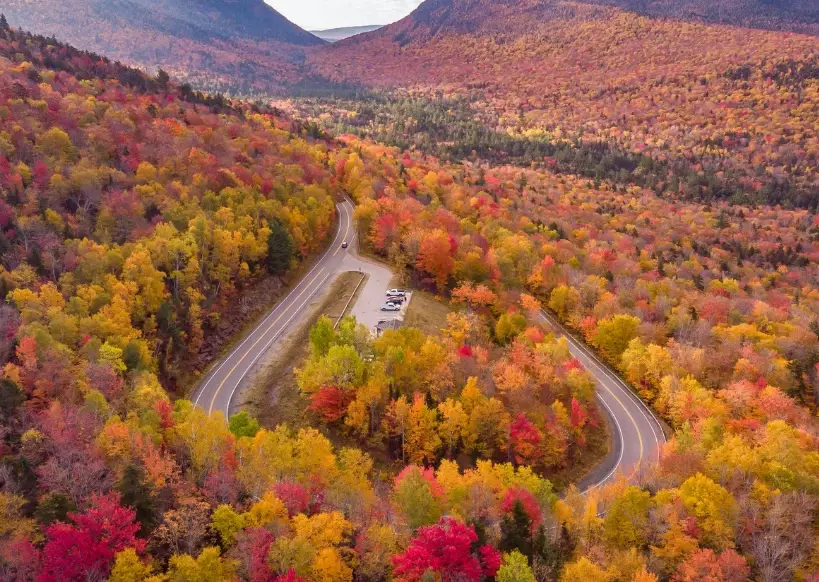
Follow Local Photographers on Social Media
This is my insider tip. Search Instagram or Flickr for hashtags like #vtfallfoliage or #shenandoahfall. Local photographers are out every weekend and will post real-time conditions. It's more reliable than any official map.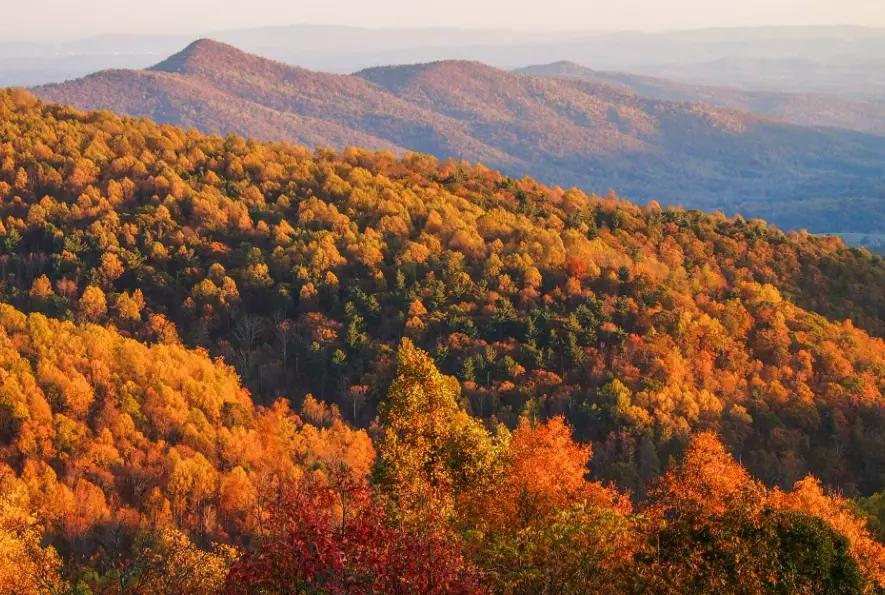
Planning Your Fall Foliage Trip: Key Considerations
Book Accommodations Early, Like, Yesterday
Seriously. Quaint B&Bs in Stowe, Woodstock, or near Shenandoah book up a year in advance for peak weekends. If you're planning last minute, look for chain hotels in larger towns 30-60 minutes from the prime viewing areas. You'll have to drive more, but you'll have a bed.
Build Flexibility Into Your Itinerary
Don't lock yourself into a non-refundable hotel in one town for three days. If the color is late, you're stuck. Plan a loose route with multiple base options. Maybe night one is in Burlington, VT, and then you move south based on what you see.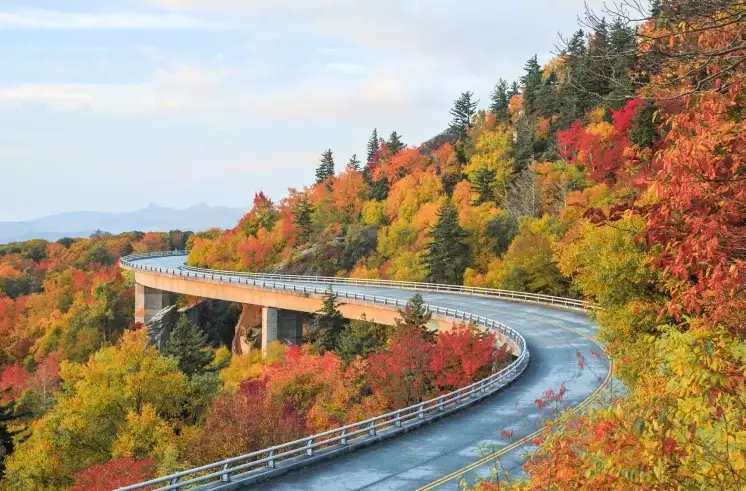
Get Off the Beaten Path to Avoid Crowds
The Kancamagus Highway, Skyline Drive, and the Smokies are packed on weekends. To find solitude, look for National Forests or state lands instead of National Parks. For example, near the Smokies, the Cherohala Skyway or the Nantahala National Forest offer incredible color with maybe 10% of the traffic.
Photography Tips
Shoot during the golden hours—just after sunrise and just before sunset. The light is warm and soft. Use a polarizing filter to cut glare on wet leaves and make colors saturate. Look for composition—a winding river of color, a single red tree against evergreens, leaves floating on a pond.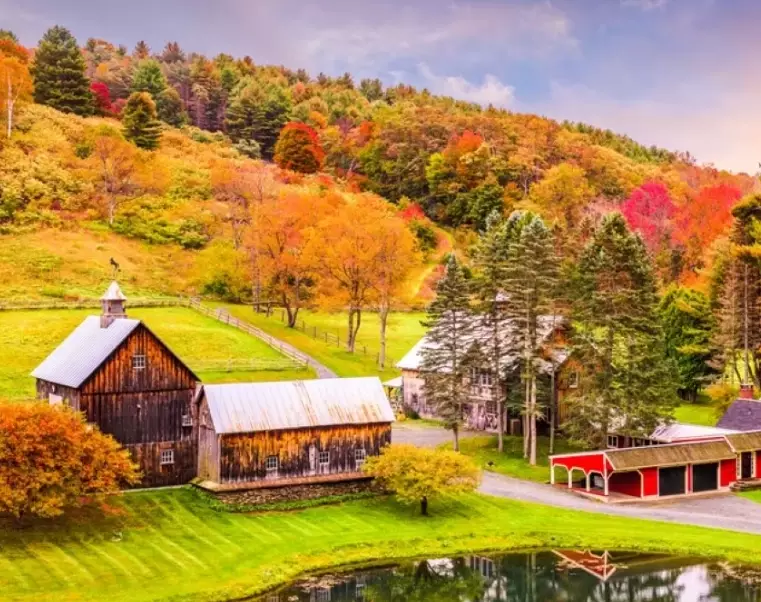
Your Fall Color Questions Answered
The best time to visit the East Coast for fall colors isn't about chasing a single perfect day. It's about understanding the rhythm of the season, using real-time tools, and having the flexibility to follow the color where it leads. Whether you find yourself on a famous highway or a forgotten backroad, that moment when the light hits the canopy just right makes all the planning worthwhile. Now go check those prediction maps.



Comments
Leave a Comment