Swimming from the Farallon Islands to San Francisco is a 30-mile open water marathon that pushes human limits. It's cold, sharky, and brutally challenging. Only a handful of people have done it. If you're serious about attempting this swim, you need more than just grit—you need a detailed plan. This guide cuts through the hype and gives you the raw, practical info to prepare, survive, and maybe even succeed.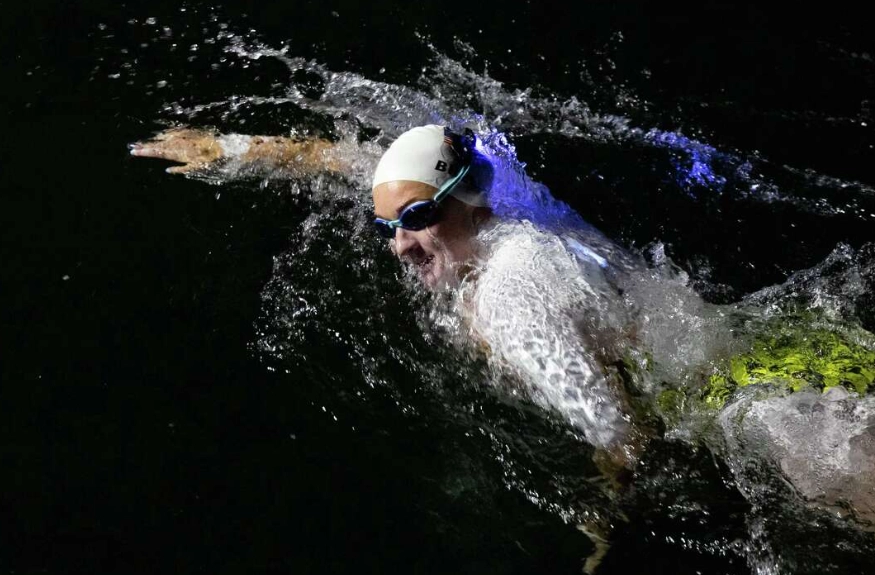
What You'll Find in This Guide
- What Is the Farallon Islands to San Francisco Swim?
- Key Challenges and Risks You Can't Ignore
- How to Train for This Extreme Swim
- Essential Gear Checklist for Survival
- Navigating the Route: Currents and Landmarks
- Safety Measures and Legal Regulations
- Real Success Stories and Lessons Learned
- Frequently Asked Questions (FAQ)
What Is the Farallon Islands to San Francisco Swim?
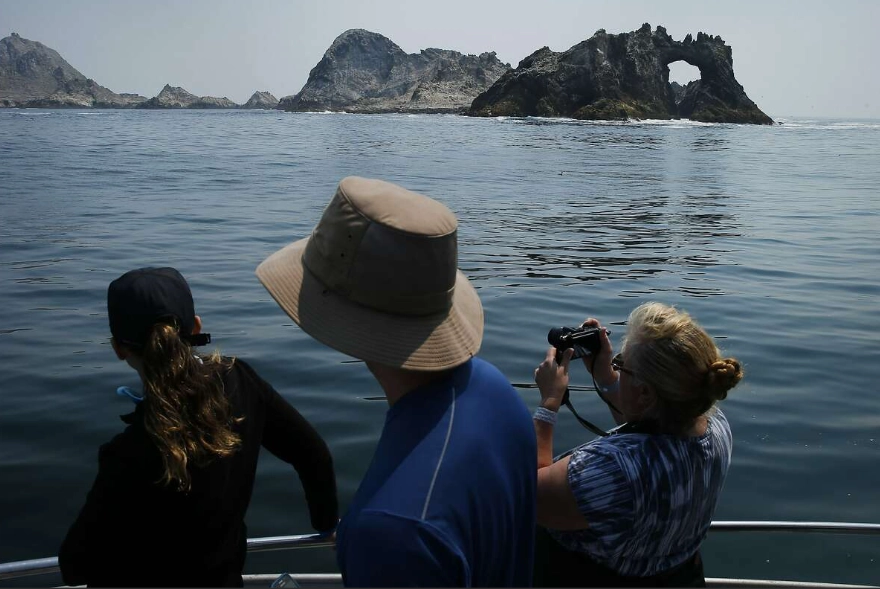
The swim starts at the Southeast Farallon Island, part of the Farallon Islands National Wildlife Refuge, and ends at the San Francisco shoreline, often at Aquatic Park or Baker Beach. Distance is roughly 30 miles (48 kilometers), but with currents, it can feel longer. Water temperatures range from 50°F to 55°F (10°C to 13°C)—cold enough to induce hypothermia fast.
Historically, this swim gained attention in the 1960s, but completions are rare. The first documented success was by Theodore "Ted" Erikson in 1967, taking over 14 hours. Since then, fewer than 50 swimmers have officially finished. The Marathon Swimmers Federation tracks some attempts, but many go unrecorded due to the extreme nature.
Why do it? For some, it's the ultimate test of endurance. For others, it's about conquering one of the last great ocean swims. But let's be honest: it's also incredibly dangerous. The Farallones are called "the islands of the dead" for a reason—shark attacks are common, and the area is remote.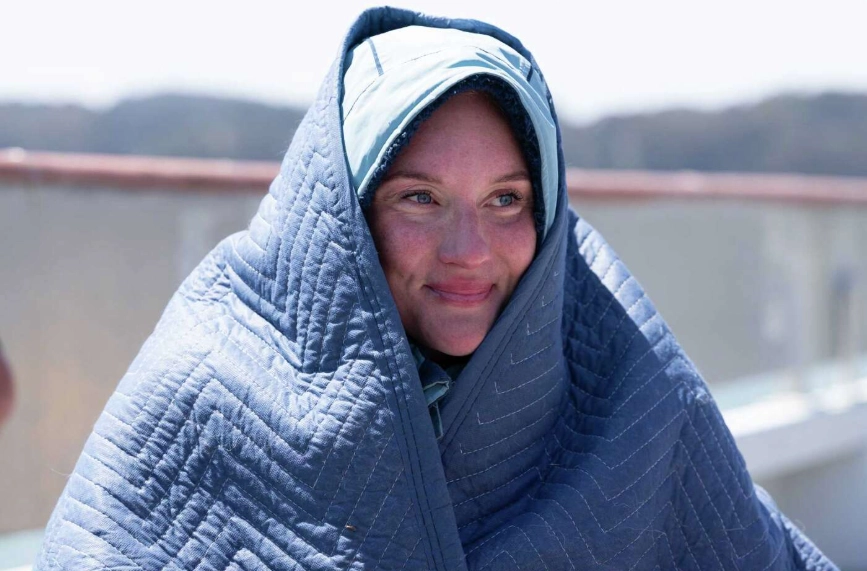
Key Challenges and Risks You Can't Ignore
This isn't your local lake swim. The risks are real, and overlooking them can be fatal.
Cold Water and Hypothermia
Water rarely gets above 55°F. Even with a wetsuit, hypothermia sets in within hours. I've seen swimmers pull out after 5 hours because their core temperature dropped too low. Non-wetsuit attempts? Almost suicidal without years of acclimatization.
Great White Sharks
The Farallon Islands are a hotspot for great whites. According to the NOAA Fisheries, the area has one of the highest densities of white sharks in the world. During my own training swims near there, I've spotted fins—it's not a joke. Most swimmers use shark shields or escort boats with deterrents, but there's no guarantee.
Strong Currents and Fog
The California Current and tidal flows can add miles to your swim. Fog is frequent, reducing visibility to zero. I once got disoriented in fog for an hour; without GPS, I'd have been lost. Navigation isn't optional—it's critical.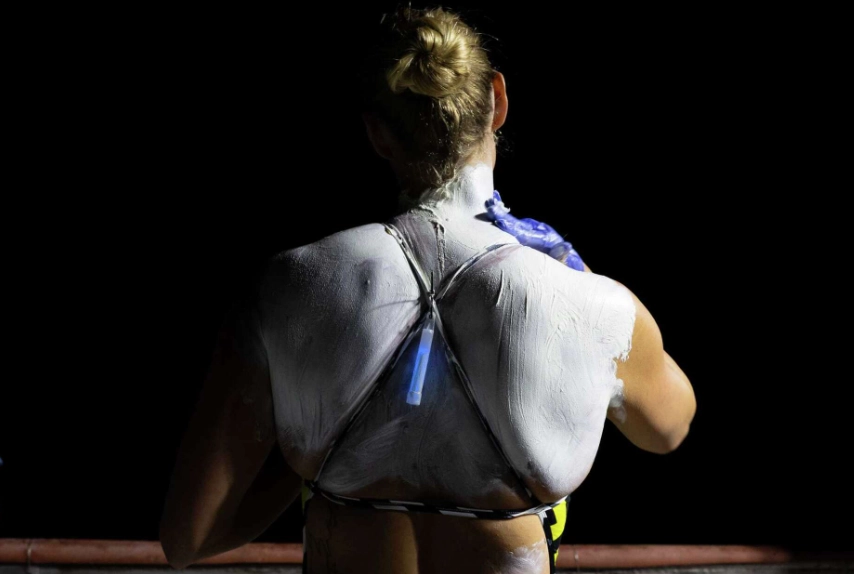
Logistical Nightmares
Getting to the Farallones requires a permit from the U.S. Fish and Wildlife Service. Boats cost thousands of dollars, and you need a skilled crew. Miss the weather window, and you're stuck postponing.
Personal take: Many beginners underestimate the cold. They focus on distance but forget that 50°F water feels like knives after a few hours. I made that mistake early on—trained in a pool, then froze in the ocean. Don't be that person.
How to Train for This Extreme Swim
Training isn't just about swimming laps. It's a multi-year commitment. Here's a breakdown based on advice from experienced marathon swimmers like Kim Chambers, who completed this swim in 2015.
Build Cold Water Acclimatization
Start with short dips in cold water, gradually increasing exposure. Aim for at least 6 months of regular cold swims. I recommend joining the South End Rowing Club in San Francisco—their members swim year-round in the bay and share tips.
Distance and Endurance Training
You need to swim 30 miles, but in training, focus on time in water rather than just distance. A sample weekly plan:
- Monday: 2-hour open water swim (focus on technique).
- Wednesday: 3-hour pool session (intervals for speed).
- Friday: 4-6 hour ocean swim (simulate race conditions).
- Weekend: Cross-training like yoga or light running to prevent injury.
Increase weekly volume by no more than 10% to avoid overtraining.
Nutrition and Hydration Drills
Practice feeding every 30 minutes during long swims. Use high-carb gels or liquid meals. Dehydration is a silent killer—even in cold water, you sweat. I've bonked mid-swim because I skipped a feed; it's miserable.
Essential Gear Checklist for Survival
Forget fancy gadgets; this gear is non-negotiable. Here's a table summarizing the essentials.
| Item | Purpose | Brand Recommendations | Approx. Cost |
|---|---|---|---|
| Full Wetsuit (5mm+) | Insulation against cold | Roka, Orca, Blue Seventy | $300-$600 |
| Swim Cap (Neoprene) | Heat retention for head | Speedo, TYR | $20-$40 |
| Goggles (Anti-fog) | Clear vision in fog/saltwater | Aqua Sphere, Barracuda | $30-$50 |
| GPS Tracker | Navigation and safety monitoring | Garmin, SPOT Gen4 | $150-$300 |
| Shark Deterrent | Reduce shark attack risk | Shark Shield FREEDOM7 | $500-$700 |
| Support Boat | Logistics, feeding, emergency | Local charter services | $2000-$5000/day |
Some swimmers skip the wetsuit for a "skin" swim, but that's for elites with decades of cold adaptation. For most, a wetsuit is mandatory. Also, test all gear in conditions similar to the Farallones—I had a GPS fail once because I didn't saltwater-test it.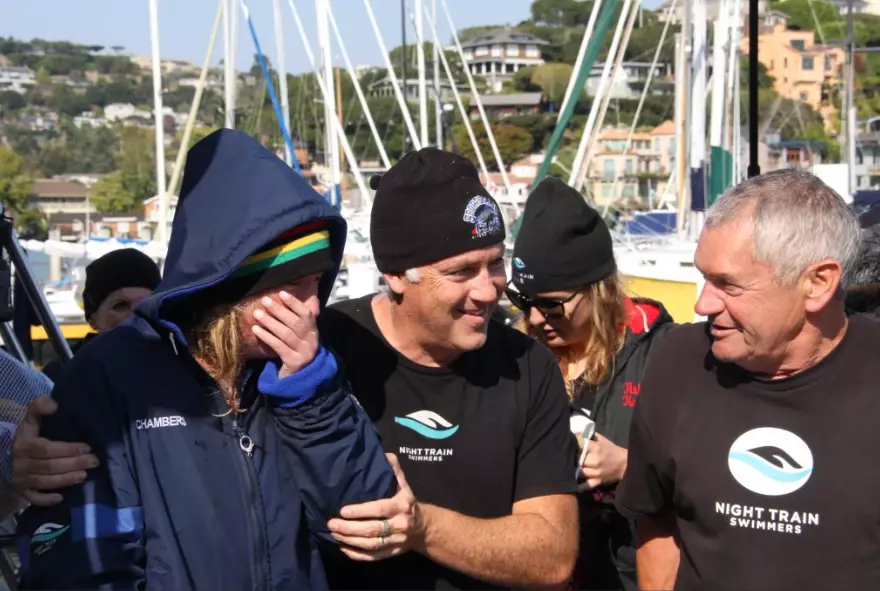
Navigating the Route: Currents and Landmarks
The route isn't a straight line. You'll deal with currents that push you north or south. Here's a step-by-step breakdown.
Starting Point: Southeast Farallon Island
You'll launch from a small boat near the island—landing is prohibited due to wildlife protections. The water is deep immediately, so expect swells.
Midpoint: The Gulf of the Farallones
This is the toughest section. Currents can be unpredictable. Use landmarks like the Farallon Islands fading behind you and the San Francisco skyline ahead. In fog, rely on your escort boat's GPS.
Approach: San Francisco Bay Entrance
Near the Golden Gate Bridge, tides get strong. Time your swim to ride the incoming tide—otherwise, you'll fight a brutal current. I've seen swimmers stuck here for hours, making no progress.
Navigation tools: A compass watch helps, but your boat crew should handle most of it. Communicate constantly via hand signals or waterproof radios.
Safety Measures and Legal Regulations
You can't just jump in and swim. There are rules, and breaking them risks fines or worse.
Permits and Permissions
- U.S. Fish and Wildlife Service: Permit required for accessing Farallon Islands waters. Apply months in advance.
- California Coastal Commission: May need notification for long-distance swims.
- U.S. Coast Guard: File a float plan and ensure your escort boat is licensed. They monitor for safety violations.
Check the U.S. Fish and Wildlife Service website for latest regulations. I've heard of attempts halted because permits weren't in order.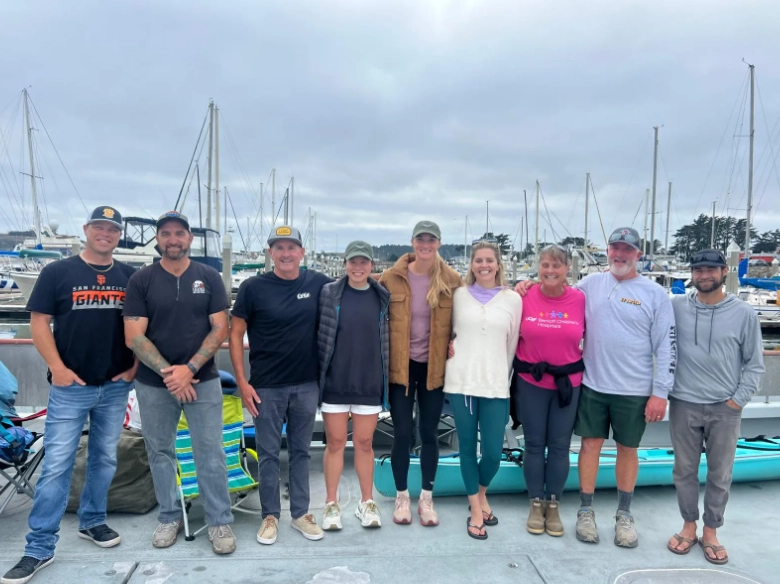
Support Crew Requirements
Your crew needs at least: a licensed boat captain, a navigator, a feeder, and a medical responder. Hypothermia kits and emergency oxygen should be on board. Don't cheap out here—a good crew saved my swim when I cramped up.
Real Success Stories and Lessons Learned
Learning from others' experiences is crucial. Here are two notable completions.
Kim Chambers (2015)
Kim swam from the Farallones to the Golden Gate Bridge in 17 hours. She used a wetsuit and had a detailed support plan. Her key insight: mental resilience matters more than physical strength. She hit a wall at mile 20 but pushed through by focusing on small goals.
Theodore Erikson (1967)
The first recorded success. He swam without a wetsuit, relying on grease for insulation. His time was 14 hours 38 minutes. Lessons: acclimatization is possible, but it's brutal. Modern gear makes it slightly safer, but the ocean hasn't changed.
From my chats with these swimmers, a common mistake is over-pacing early. Start slow; the first 10 miles should feel easy.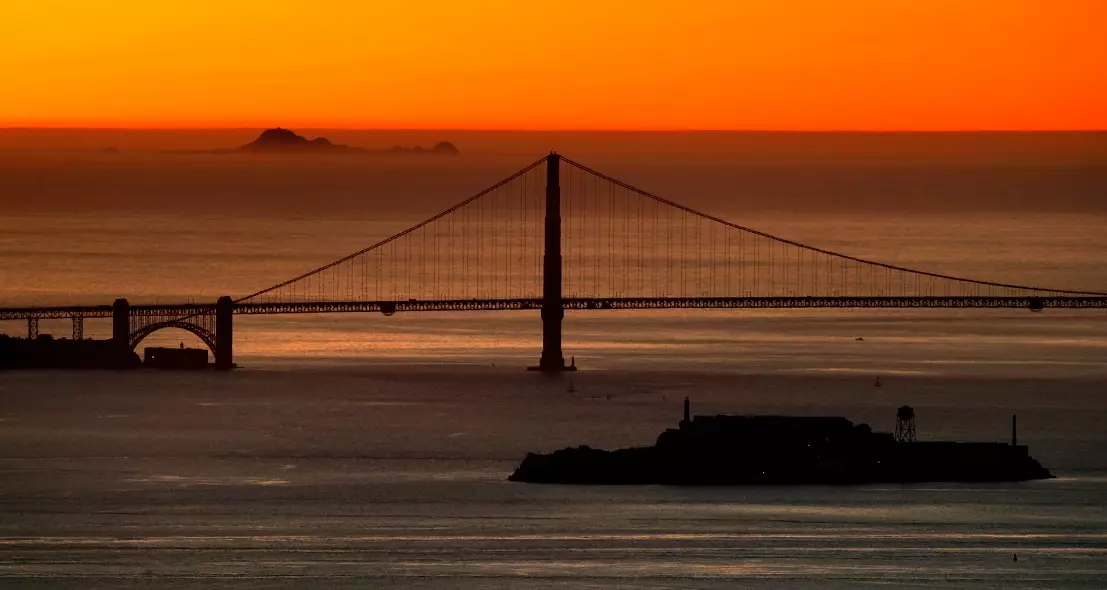
Frequently Asked Questions (FAQ)
 Can I swim from Farallon Islands without a wetsuit?
This swim isn't for everyone. But if you're committed, use this guide as a roadmap. Train smart, respect the ocean, and never underestimate the cold. Good luck—and maybe I'll see you out there.



Comments
Leave a Comment