Let's cut to the chase. If you're an adult looking for the number one attraction in California, skip the theme parks and crowded beaches. Napa Valley is it. I've spent over a decade exploring California, and while places like Disneyland have their charm, they're often overrun with families. Napa offers something different: sophistication, relaxation, and world-class wine. It's where you go to unwind, indulge, and feel like a grown-up. In this guide, I'll break down exactly why Napa Valley tops the list, how to plan your trip, and what most visitors get wrong.
Quick Navigation: What You'll Find Inside
Why Napa Valley Tops the List for Adult Visitors
Napa Valley isn't just about drinking wine. It's an experience that blends luxury, nature, and culture in a way that resonates with adults. Think scenic drives through rolling vineyards, gourmet meals at Michelin-starred restaurants, and intimate tastings at family-owned wineries. Unlike more touristy spots, Napa feels curated for those who appreciate finer things.
A Blend of Relaxation and Sophistication
When I first visited Napa, I expected it to be stuffy. It wasn't. The vibe is laid-back but elegant. You can spend a morning biking between wineries, then enjoy a long lunch overlooking the vines. It's perfect for couples, friends, or solo travelers looking to escape the hustle.
Beyond Just Wine: Culinary and Cultural Experiences
Wine is the star, but food runs a close second. Places like The French Laundry or Bouchon Bistro offer meals that are events in themselves. Plus, there's art galleries, hot air balloon rides, and spas. It's a multi-sensory getaway.
Planning Your Napa Valley Adventure: A Step-by-Step Guide
Planning a trip to Napa can feel overwhelming, but it doesn't have to be. Here's a straightforward approach based on my own trips.
Getting There: Transportation Options
Napa Valley is about 50 miles north of San Francisco. Driving is the most flexible option—take Highway 101 or I-80, then CA-29 into the valley. The drive takes around 1.5 hours without traffic. If you don't want to drive, consider a shuttle service like Evans Transportation or a guided tour from San Francisco. Public transit is limited, so renting a car is best for exploring.
Where to Stay: Accommodations for Every Style
From luxury resorts to cozy B&Bs, Napa has it all. I've stayed at several places, and here are my top picks:
- Auberge du Soleil: High-end with stunning views, but pricey. Perfect for a splurge.
- Napa River Inn: Centrally located in downtown Napa, more affordable, and walkable to restaurants.
- Calistoga Motor Lodge: A retro-style spot with hot springs, great for a casual vibe.
Book at least a month in advance, especially for weekends.
Must-Visit Wineries and Tours
Don't try to hit every winery. Focus on a few that match your taste. Here's a table with key details for some standout options:
| Winery Name | Address | Tasting Fee (Approx.) | Hours | Why It's Great for Adults |
|---|---|---|---|---|
| Castello di Amorosa | 4045 St Helena Hwy, Calistoga, CA 94515 | $40-$75 | 9:30am-6:00pm (varies by season) | Medieval castle setting, unique experience beyond standard tastings. |
| Robert Mondavi Winery | 7801 St Helena Hwy, Oakville, CA 94562 | $35-$50 | 10:00am-5:00pm | Iconic spot with educational tours, great for wine beginners. |
| Domaine Carneros | 1240 Duhig Rd, Napa, CA 94559 | $45-$60 | 10:00am-5:30pm | Champagne-focused, elegant terrace seating, perfect for a leisurely afternoon. |
Reservations are essential. Most wineries require them, especially post-pandemic. I learned this the hard way when I showed up without one and got turned away.
Essential Practical Information: Tickets, Hours, and Directions
Let's get into the nitty-gritty. Napa Valley isn't a single attraction with one ticket; it's a region with multiple venues. Here's what you need to know.
Ticket Prices and Booking Tips
Tasting fees range from $25 to $100 per person, depending on the winery. Some include food pairings. Look for combo tickets or passes like the Napa Valley Wine Trolley tour, which covers transportation and tastings for around $100. Book online directly through winery websites—third-party sites often charge more.
Operating Hours and Best Times to Visit
Most wineries open between 10:00am and 5:00pm, with last tastings around 4:00pm. Seasonal variations occur; for example, winter hours might be shorter. The best times to visit are spring (April-May) and fall (September-October). The weather is mild, and crowds are thinner. Summer gets hot and crowded, and winter can be rainy but cozy.
Addresses and Directions for Key Spots
Napa Valley stretches along Highway 29 and the Silverado Trail. Key towns include Napa, Yountville, St. Helena, and Calistoga. Use GPS, but cell service can be spotty in rural areas. I always download offline maps. For a scenic route, take the Silverado Trail—it's less congested than Highway 29.
Insider Tip: Start your day early. Wineries are less crowded before 11:00am, and you'll have more time to enjoy each stop without rushing.
Common Mistakes and How to Avoid Them
After years of visiting, I've seen people make the same errors. Here's how to steer clear.
Overbooking vs. Underplanning
Newcomers often try to cram in too many wineries—three to four per day is the max. Otherwise, you'll be exhausted and won't remember the flavors. On the flip side, not booking tastings in advance means you might miss out. Balance is key: book 2-3 tastings with gaps for lunch and exploration.
The Myth of "All Wineries Are the Same"
This is a big one. Napa wineries vary wildly. Some are corporate and bustling, others are small and intimate. For a more authentic experience, seek out family-owned spots like Frog's Leap or Storybook Mountain. They often offer personalized tours and stories you won't get elsewhere.
Other Notable Adult Attractions in California
While Napa Valley is my top pick, California has other adult-friendly spots. Here's a quick rundown, but Napa still wins for its overall package.
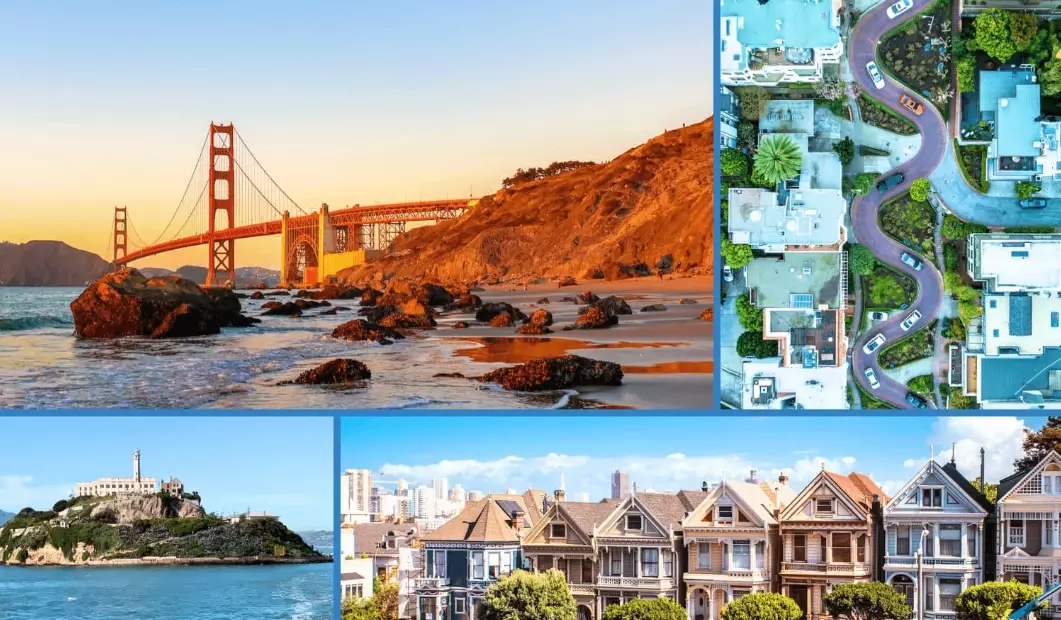
- San Francisco's Golden Gate Bridge: Iconic, but it's more of a quick visit. Combine it with a food tour in the Mission District for a fuller day.
- Los Angeles' Getty Center: Art and architecture, free entry (parking fee), but can feel academic.
- Big Sur Coastline: Stunning drives and hiking, but limited amenities—better for adventure-seekers.
Napa edges them out because it combines multiple elements: taste, scenery, and relaxation in one cohesive experience.
Frequently Asked Questions
Napa Valley stands out as California's number one attraction for adults because it delivers on multiple fronts. It's not just a place to see; it's a place to savor. From the first sip of Cabernet to the last bite of artisanal cheese, every moment feels designed for grown-up enjoyment. Plan wisely, avoid the common pitfalls, and you'll have a trip that lingers in memory long after you've left the vineyards behind.


Comments
Leave a Comment