Planning a USA itinerary for 3 weeks can feel overwhelming. You want to see the iconic cities, the breathtaking national parks, and get a real taste of American culture, all without spending half your trip in transit or going broke. After over a decade of exploring the States, I've found the sweet spot. Forget trying to cram everything in. The key is focusing on two complementary coasts and one legendary natural wonder in between. This itinerary gives you New York's electric buzz, the grandeur of the American Southwest, and the laid-back cool of California, with realistic travel times and a mix of must-dos and local secrets.
Your 3-Week USA Roadmap
The 3-Week USA Itinerary at a Glance
This plan assumes you're flying into New York (JFK/EWR) and out of Los Angeles (LAX/SFO). It's a linear route that minimizes backtracking. Here’s how your 21 days will shape up:
| Week | Destinations | Focus | Key Transport |
|---|---|---|---|
| Week 1 | New York City, NY | Urban exploration, culture, history | Subway, walking, taxi/ride-share |
| Week 2 | Las Vegas, NV & Grand Canyon, AZ | Adventure, natural wonders, desert landscapes | Domestic flight, rental car |
| Week 3 | Los Angeles & San Francisco, CA | Coastal drives, iconic sights, food scene | Rental car, domestic flight |
Week One: The New York City Immersion
Start with six full days in New York. Don't just tick off landmarks; try to live in a neighborhood. I recommend staying in Midtown for first-timers (easy access) or Williamsburg, Brooklyn for a more local vibe.
Where to Stay in NYC
- The Marlton Hotel (5 W 8th St, Greenwich Village): Boutique charm in a perfect location. Rooms are small but stylish. Expect $250-$400/night.
- citizenM Times Square (218 W 50th St): High-tech, compact rooms right in the action. Great value for the location, around $200-$300/night.
- Pod 51 (230 E 51st St): The quintessential budget-friendly, efficient "pod" hotel. Clean and social, from $120/night.
Your NYC Must-Dos (Beyond Just Times Square)
Day 1-2: Lower Manhattan & Icons. Get the Statue of Liberty & Ellis Island Ferry tickets online weeks in advance ($24.50). The best free view? Take the Staten Island Ferry. Walk the Brooklyn Bridge at sunset, then get pizza at Juliana's (19 Old Fulton St) in DUMBO.
Day 3-4: Museums & Central Park. Choose between the MET (suggested donation $30, 1000 5th Ave) or the AMNH ($28, Central Park W & 79th St). You can't do both justice in one day. Spend an afternoon getting lost in Central Park. Rent a Citi Bike.
Day 5-6: Neighborhood Deep Dives. Explore the High Line and Chelsea Market. Walk through the West Village. See a Broadway show (TKTS booth for same-day discounts). Eat at a classic deli like Katz's Delicatessen (205 E Houston St) – pastrami on rye is a must, about $25.
Week Two: Southwest & The Grand Canyon Adventure
Fly from NYC to Las Vegas (LAS). This is your gateway to the canyon. Rent a car at the airport for the next leg.
The Grand Canyon Strategy
Most people go to the crowded South Rim (open 24/7, $35 vehicle pass). It's incredible. But for a less crowded, more raw experience, consider the North Rim (seasonal, May-Oct, $35). It's a longer drive from Vegas (4.5 hrs vs 4 hrs to South), but worth it for the solitude.
Where to Stay: At the South Rim, the historic El Tovar Hotel (books up a year in advance) or Yavapai Lodge are good options. In the town of Tusayan just outside the park, chains like Holiday Inn Express offer more availability. Book any park accommodation the second you know your dates.
Las Vegas: More Than Just The Strip
Use Vegas as a base for 2 nights. See a show, walk the Strip at night. But the real magic is a day trip to Red Rock Canyon (30 mins west, $15 reservation required) for hiking or Valley of Fire State Park (1 hour, $10) for surreal red sandstone. Eat off-Strip at Lotus of Siam (953 E Sahara Ave) for legendary Thai food.
Week Three: The California Dream
Fly from Las Vegas to Los Angeles (LAX). Pick up another rental car here—you'll need it.
Los Angeles (4 Days)
LA is sprawling. Base yourself in Santa Monica (beach access) or West Hollywood (central).
- Getty Center (1200 Getty Center Dr): Free entry, $20 parking. Stunning art, architecture, and views.
- Griffith Observatory: Free, iconic Hollywood sign views. Parking is tough, consider a ride-share.
- Walk Venice Beach Boardwalk and Abbot Kinney Blvd.
- Food: Tacos at Guisados (multiple locations), Korean BBQ in Koreatown.
The Pacific Coast Highway & San Francisco (3 Days)
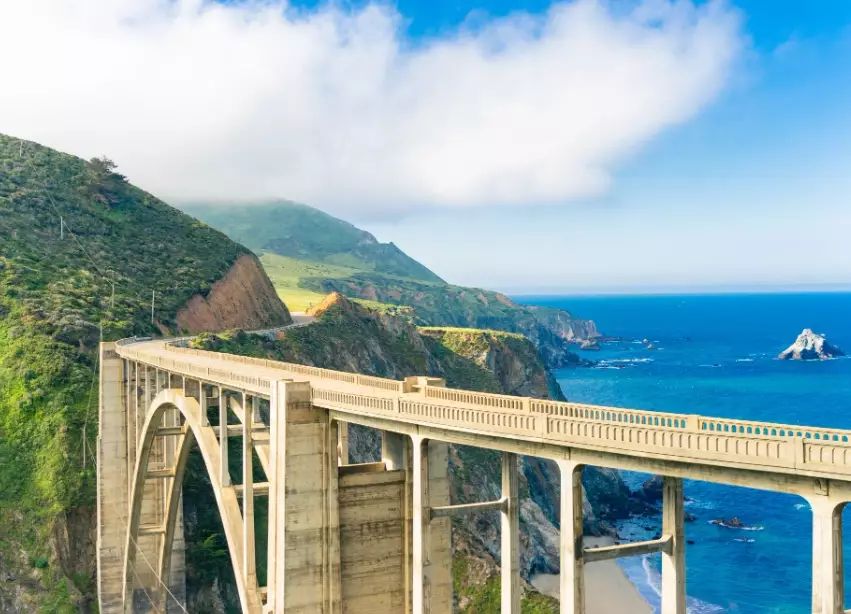
Drive from LA to San Francisco via Highway 1. This is a full-day, can't-miss drive. Key stops: Santa Barbara, Solvang, Hearst Castle (book tour ahead), Big Sur's Bixby Bridge. Stay overnight in Monterey or Carmel-by-the-Sea.
In San Francisco, ditch the car—parking is a nightmare. Use cable cars, buses, and ride-shares.
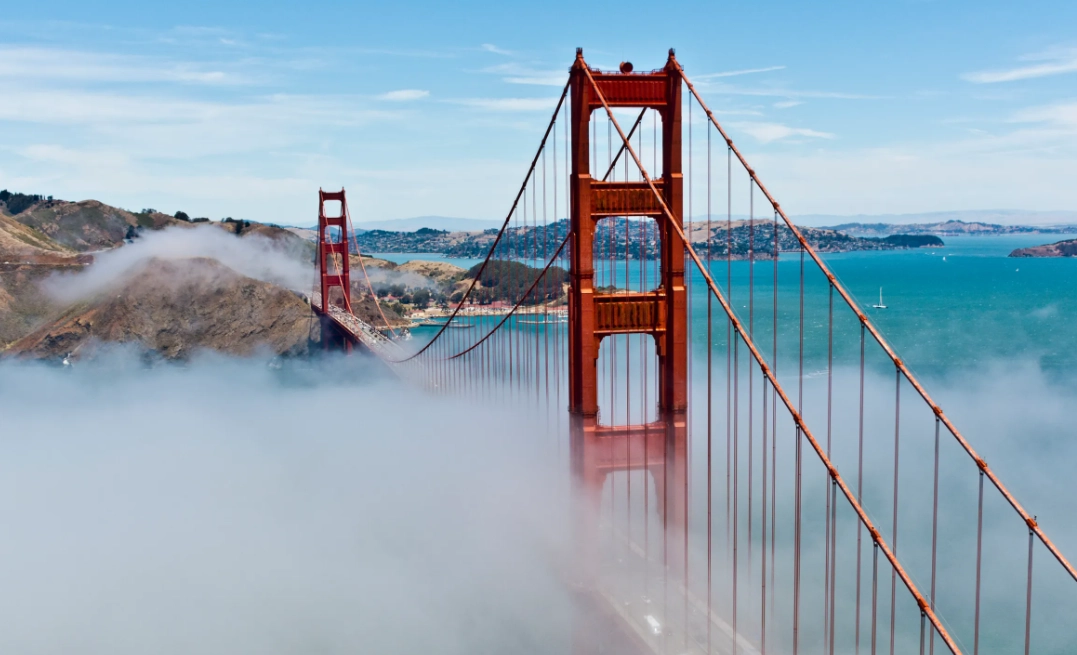
- Walk across the Golden Gate Bridge (or bike from Fisherman's Wharf).
- Alcatraz: Book tickets weeks in advance on the official site.
- Explore Chinatown and North Beach. Eat clam chowder in a sourdough bowl.
Getting Around: Flights, Cars & Internal Travel
This trip needs two one-way domestic flights: NYC to Vegas, and Vegas to LA. Book these with your international ticket for better deals. Use Google Flights to track prices.
Rental Cars: You'll need two separate rentals: one in Vegas for the Grand Canyon loop, and one in LA for the California coast. Book the LA one as a one-way drop-off in San Francisco. Yes, there's a drop fee ($100-$200), but it saves you a 7-hour drive back.
In NYC and SF, do not rely on a car. Public transit is your friend.
Realistic Budget Breakdown for 3 Weeks
Let's talk numbers for two people sharing rooms. This is mid-range—not hostels, not five-star.
| Category | Estimated Cost (for 2 people) | Notes |
|---|---|---|
| Accommodation | $3,500 - $5,000 | $150-$250/night average |
| Internal Flights (2 legs) | $400 - $700 | Book early, baggage fees add up |
| Rental Cars & Gas | $800 - $1,200 | Includes one-way drop fee & Southwest gas |
| Food & Drink | $2,000 - $3,000 | $75-$150/day for meals, coffee, tips |
| Attractions & Activities | $600 - $1,000 | Museums, tours, show tickets |
| Total (Excl. Int'l Flights) | $7,300 - $10,900 | This is the realistic range for a comfortable trip |

Comments
Leave a Comment