Let's be honest. When you think of beautiful places in California, the Golden Gate Bridge and Hollywood sign probably pop up first. They're iconic, sure, but they're also just the cover of a much deeper, wilder, and more varied story. Having spent over a decade exploring every corner of this state, from forgotten desert valleys to wave-battered northern coves, I've learned that the real magic often lies where the tour buses don't go, or at times when everyone else is still asleep.
This isn't just another list. It's a practical blueprint for experiencing California's beauty in a way that feels personal and profound, not just like checking boxes. We'll cover the essentials—addresses, fees, best times—but also the subtle mistakes most first-timers make that can turn a dream trip into a traffic-jammed headache.
Your California Travel Blueprint
- 1. Yosemite Valley: The Cathedral of Nature
- 2. Big Sur Coast: Where Mountains Meet the Sea
- 3. Lake Tahoe: The Alpine Sapphire
- 4. Death Valley National Park: Stark & Surreal
- 5. Redwood National & State Parks: Walking with Giants
- 6. Santa Barbara: The American Riviera
- 7. Joshua Tree National Park: Desert Dreamscape
- 8. Napa & Sonoma Valleys: Vineyard Vistas
- 9. La Jolla, San Diego: Coastal Charm & Coves
- 10. Channel Islands National Park: California's Galapagos
- How to Plan Your Trip to California's Beautiful Places
- Your California Travel Questions Answered
1. Yosemite Valley: The Cathedral of Nature
Address: Yosemite National Park, CA 95389. The main valley is accessed via CA-120, CA-140, or CA-41.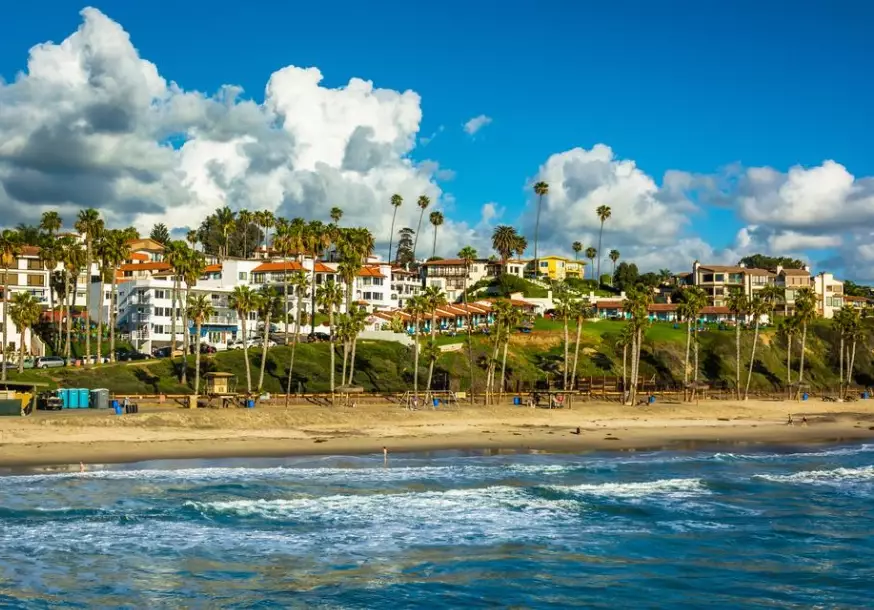
The Vibe: Overwhelming scale. El Capitan and Half Dome aren't just rocks; they're monuments. The mistake? Everyone aims for the same three viewpoints at noon. The secret is either to be there for sunrise when the light hits El Capitan, or to hike even a short distance up the Mist Trail to feel the power of Vernal Fall away from the crowds.
Key Info: Park entrance is $35 per vehicle (valid 7 days). You must reserve online for peak season (roughly May-October) entry. The park is open 24/7, but services have seasonal hours. Traffic is the real enemy—enter the valley before 9 AM or after 5 PM.
My personal tip? Skip the crowded Lower Yosemite Fall trail and drive up to Glacier Point Road (summer/fall) or Tunnel View for a perspective that will literally take your breath away.
2. Big Sur Coast: Where Mountains Meet the Sea
Address: Stretches along Highway 1 between Carmel and San Simeon.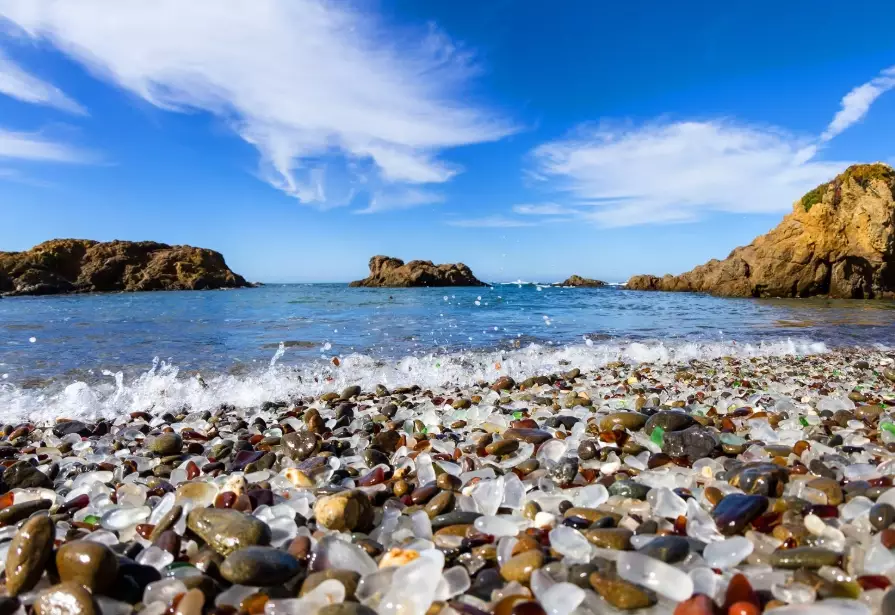
This isn't a single destination; it's a 90-mile state of mind. Driving Highway 1 here is the main event. The error most make is trying to do it too fast. You need a full day, with stops.
Must-Stop Vistas: Bixby Creek Bridge (get there early to avoid the tour vans), McWay Falls in Julia Pfeiffer Burns State Park ($10 day-use fee), and Pfeiffer Beach (look for the turnoff, it's easy to miss).
There are limited services and zero cell service for long stretches. Gas up in Carmel or Cambria. For the most dramatic experience, go on a weekday. The fog often rolls in by afternoon, so mornings are usually clearer.
3. Lake Tahoe: The Alpine Sapphire
Address: Spanning the California-Nevada border in the Sierra Nevada.
Tahoe suffers from a split personality. The south shore (Stateline) is casinos and crowds. The true beauty lies on the west shore (Homewood, Tahoe City) and the east shore.
For the iconic water color, go to Sand Harbor (Nevada side, gets packed) or find public access points like Kiva Beach on the south shore. The real magic is getting on the water. Rent a kayak from Tahoe City and paddle out to see the underwater boulders at Emerald Bay.
Winter is for skiing (Palisades Tahoe, Heavenly). Summer and fall are for hiking and lake activities. It's a year-round stunner, but parking is a notorious summer headache—use the seasonal shuttles.
4. Death Valley National Park: Stark & Surreal
Address: Death Valley National Park, CA. Main entrance near Furnace Creek.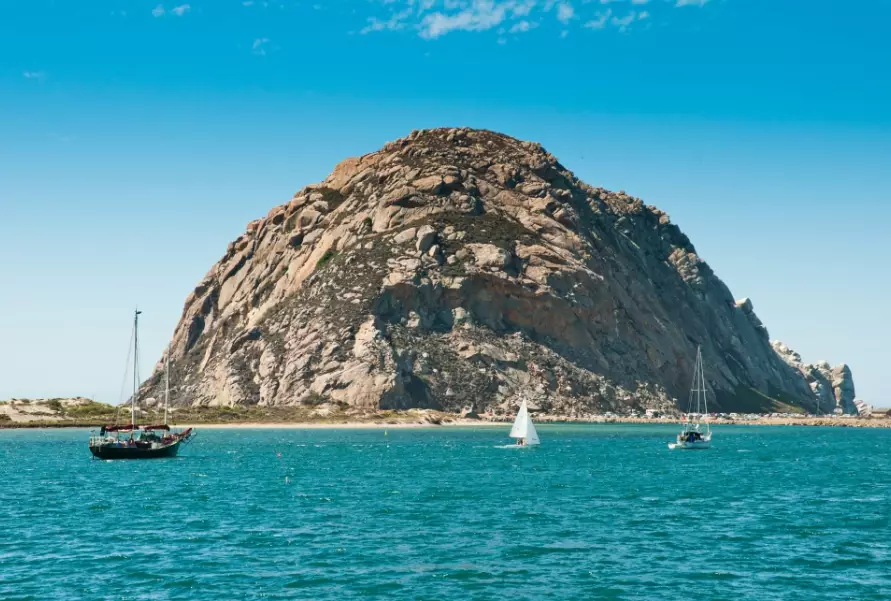
Don't let the name fool you. This is a place of extreme and profound beauty. The vast salt flats at Badwater Basin (282 feet below sea level), the rolling dunes at Mesquite Flat, and the artist's palette of Zabriskie Point feel otherworldly.
Critical Advice: Visit between October and April. Summer temperatures are dangerously hot. Entrance is $30 per vehicle. You need a full tank of gas and plenty of water—services are far apart. Sunrise at the dunes or sunset at Dante's View are transformative experiences with far fewer people than you'd find in Yosemite.
5. Redwood National & State Parks: Walking with Giants
Address: Northern California coast, near Crescent City and Orick.
This is a collection of parks (Redwood NP, Prairie Creek, Del Norte, Jedediah Smith). The trees are the main attraction, but the fern-covered forest floors and Roosevelt elk grazing in meadows complete the scene.
For easy access to massive trees: Lady Bird Johnson Grove (easy loop trail) or the Stout Grove in Jedediah Smith (requires a short, scenic drive). To truly escape, hike the less-traveled trails in Prairie Creek Redwoods State Park.
It's often cool, damp, and rainy. Pack layers and waterproof gear. The parks are free, but some state park areas may have day-use fees ($8-$12).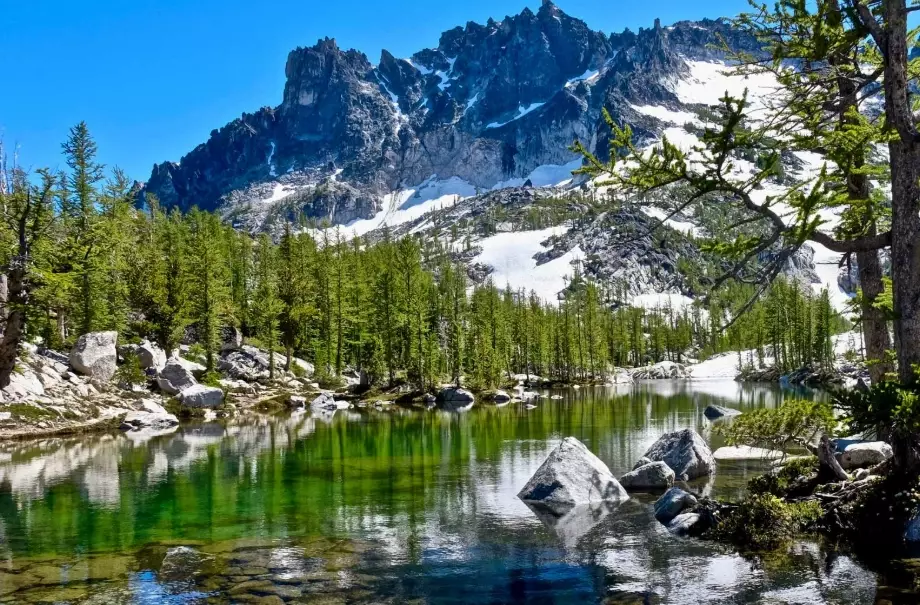
6. Santa Barbara: The American Riviera
Address: Santa Barbara, CA, about 90 miles north of Los Angeles.
This is curated, Mediterranean-style beauty. Red-tiled roofs against the Santa Ynez Mountains. Start at Stearns Wharf, then walk along Cabrillo Boulevard's beach path. The real gem is the Santa Barbara County Courthouse—go up the clock tower for a free, 360-degree view of the city, mountains, and ocean.
For a dose of nature, drive up to the Santa Barbara Botanic Garden or hike the Inspiration Point trail. It's more relaxed and walkable than major Southern California cities, with excellent food and wine tasting rooms (called "funk zones") downtown.
7. Joshua Tree National Park: Desert Dreamscape
Address: Southeastern California. Main entrances at Twentynine Palms and Joshua Tree town.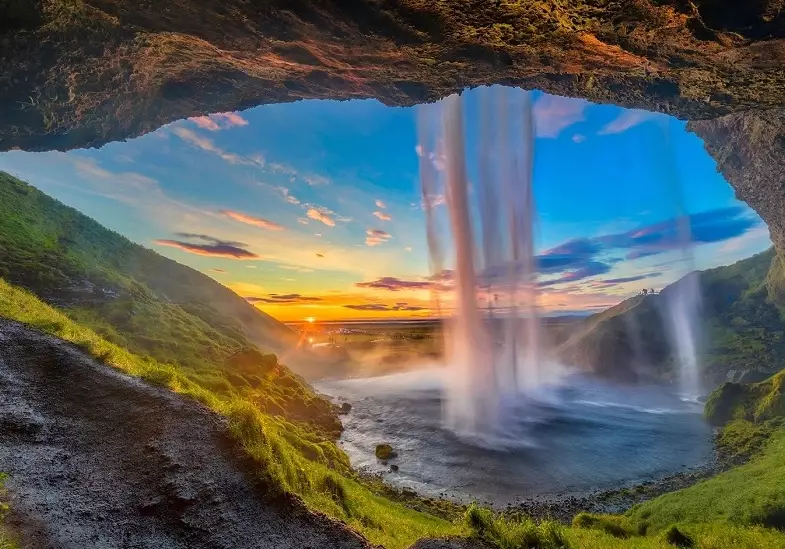
Where the Mojave and Colorado deserts meet. It's not just about the quirky Joshua Trees; it's the massive, sculpted boulders (a rock climber's paradise) and the surreal, quiet landscapes.
Key spots: Hidden Valley nature trail, Keys View for panoramas (smog permitting), and Cholla Cactus Garden at sunrise or sunset—the light makes them glow. Entrance is $30 per vehicle.
It gets extremely crowded on spring weekends. Go on a weekday, or visit in the quieter, cooler fall or winter months. The stars here are insane—consider staying for nightfall if you can.
8. Napa & Sonoma Valleys: Vineyard Vistas
Address: Napa Valley and Sonoma County, north of San Francisco.
The beauty here is manicured and agricultural. Rolling hills of perfectly aligned vines, especially stunning in the fall when leaves turn gold and red.
Don't just drive Highway 29. Take the Silverado Trail in Napa or the back roads like Dry Creek Road in Sonoma. For a non-wine, panoramic view, hike the modest trail up to Bothe-Napa Valley State Park or visit the Sonoma Plaza, a beautiful historic square.
Tastings can be expensive ($40-$100+) and require reservations. For a more low-key and often more scenic experience, many find Sonoma County a bit more relaxed and beautiful than the sometimes-congested Napa.
9. La Jolla, San Diego: Coastal Charm & Coves
Address: La Jolla, a neighborhood within San Diego, CA.
Compact, upscale, and bursting with wildlife. Walk the coastal path from La Jolla Cove (watch the sea lions, smell included) to the Children's Pool (seals), and on to the tide pools at Shell Beach. For a breathtaking view, have a drink at the George's at the Cove terrace.
Kayaking from La Jolla Shores to see the sea caves is a fantastic way to experience it. Parking is tough—use the paid lots or park further inland and walk. It's beautiful year-round, but can be overcast ("June Gloom") in early summer.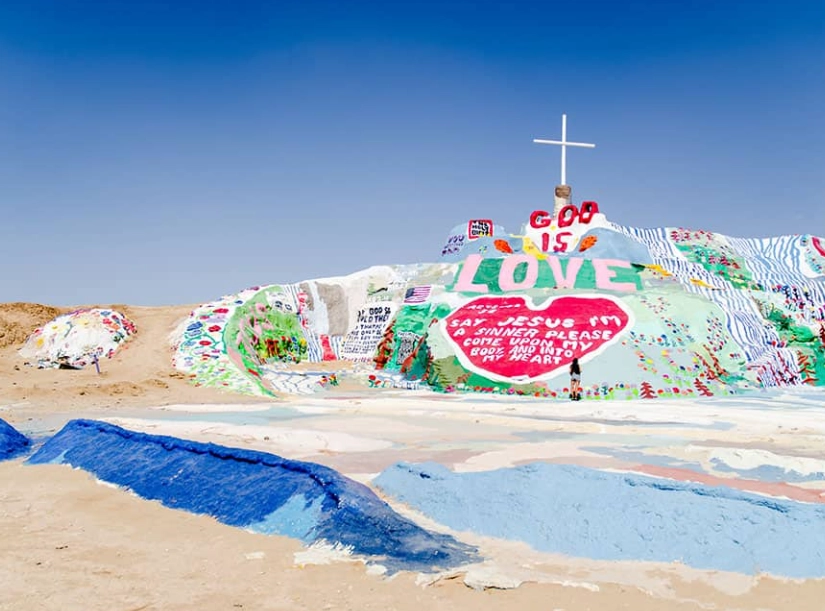
10. Channel Islands National Park: California's Galapagos
Address: Off the coast of Ventura and Santa Barbara. Accessible only by park concessionaire boat or plane.
This is commitment, but the reward is untouched beauty. Five islands offer hiking, kayaking sea caves (Santa Cruz Island), and seeing unique species like the island fox. You feel like an explorer.
You must book the ferry (Island Packers) well in advance. It's a full-day trip at minimum, and you need to bring all your own food and water. The crossing can be rough—take seasickness medication if you're prone. This is for travelers seeking raw, isolated natural beauty away from all infrastructure.
How to Plan Your Trip to California's Beautiful Places
Trying to see all of this in one trip is a recipe for exhaustion. California is bigger and more diverse than most people imagine.
Focus on One or Two Regions
Northern California Loop (7-10 days): San Francisco → Marin Headlands & Muir Woods → Sonoma/Napa → Lake Tahoe (2 days) → Yosemite (2 days) → back to SF. You get city, coast, wine, alpine lake, and iconic valley.
Central Coast & Desert (7-10 days): Los Angeles → Santa Barbara → Big Sur (overnight in Carmel or Monterey) → drive to Paso Robles wine country → down to Joshua Tree (2 days). Mix of coastline, scenic drive, and desert.
Booking and Timing is Everything
| Destination | Best Time to Visit | Worst Time (Crowds/Weather) | Must-Book in Advance |
|---|---|---|---|
| Yosemite Valley | May-June (waterfalls), Sept-Oct (fewer people) | July-August (crowded, hot), Holiday weekends | Lodging (6+ months), Peak Season Entry Permit |
| Big Sur | Spring (wildflowers), Fall (clear skies) | Summer weekends (traffic), Winter (landslide risk) | Lodging, Popular Restaurant Dinners |
| Lake Tahoe | June-Sept (hiking), Dec-Mar (skiing) | July 4th weekend, Winter holiday weeks | Lodging, Ski Lift Tickets |
| Death Valley | Nov-March | June-August (extreme heat) | Lodging (limited options) |
| Channel Islands | April-October | Winter (rougher seas, fewer trips) | Ferry Tickets & Camping (months ahead) |
The One Big Mistake I See: Underestimating drive times. Google Maps will say "4 hours from San Francisco to Yosemite." That's with zero traffic, no stops, and perfect conditions. In reality, with valley traffic, finding parking, and road construction, it can easily be 6+ hours. Always add a 25-50% buffer to any estimated drive time in California.
Getting Around: Rent a Car
There's no way around it. Public transport between these beautiful places is limited or non-existent. Rent a comfortable, fuel-efficient car. For mountain or desert areas in winter, check if you need chains or a 4WD vehicle.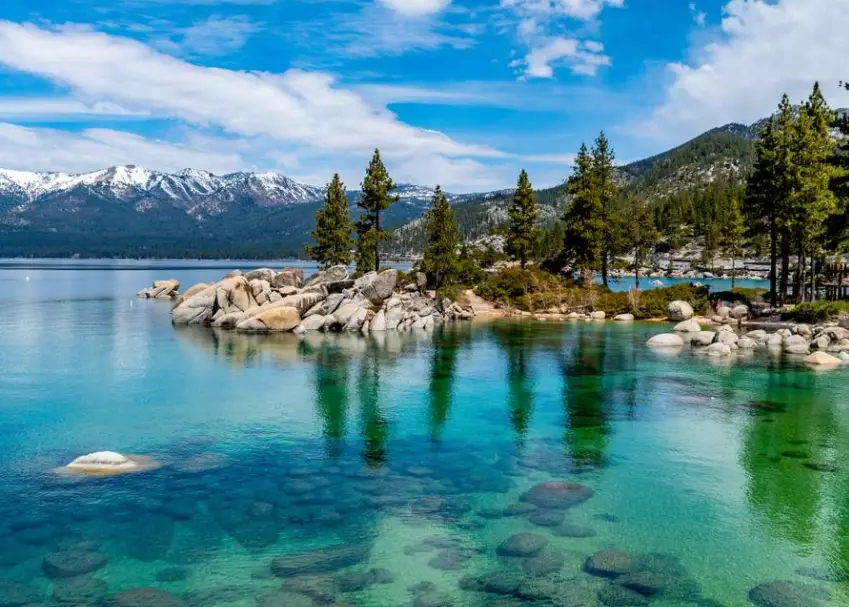

Comments
Leave a Comment