Ask anyone about the traditional dish of the USA, and you'll probably hear "hamburger" or "apple pie." But it's not that simple. America doesn't have a single official national dish, and that's what makes its food culture so fascinating. Instead, think of it as a mosaic of regional comfort foods that tell stories of immigration, innovation, and local pride. In this guide, I'll break down what really defines American traditional cuisine, based on my years of eating and traveling across the country.
Jump to What Interests You
What Really is America's National Dish?
Let's cut to the chase. There's no formal declaration, but if you look at popularity and cultural impact, a few dishes stand out. The U.S. Department of Agriculture even highlights foods like turkey and pumpkin pie for Thanksgiving, but that's seasonal. For everyday tradition, I'd point to the hamburger. It's everywhere, from fast-food joints to gourmet spots, and it embodies American adaptability—simple, customizable, and born from immigrant influences (German roots, but truly Americanized).
But here's a nuance most guides miss: calling just one dish "traditional" ignores regional diversity. In the South, barbecue is king. In New England, clam chowder rules. So, when people search for the traditional dish of the USA, they're often asking for a gateway to understanding American identity through food. It's less about a single plate and more about a style: hearty, comforting, and often fusion-based.
How American Food Evolved: A Quick History
American cuisine didn't pop up overnight. It's a blend of Native American ingredients, European techniques, African flavors, and later Asian and Latin influences. Early settlers adopted corn, beans, and squash from Indigenous peoples. Then, waves of immigrants added their twists—think Italian pasta becoming spaghetti and meatballs, or Chinese stir-fry turning into chop suey.
By the 20th century, industrialization changed everything. Fast food emerged, making dishes like hamburgers and hot dogs national icons. I remember my grandpa talking about how diners in the 1950s served meatloaf and mashed potatoes as the ultimate comfort meal. That era solidified what many now see as traditional: easy-to-make, filling food for a busy nation.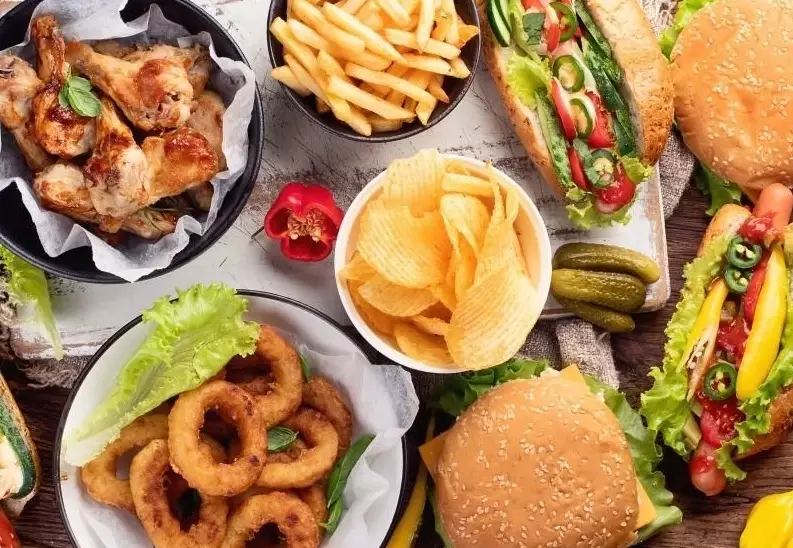
Must-Try Traditional American Dishes
Instead of listing random items, I'll focus on three core categories that cover most bases. These are dishes you'll find Americans arguing about—every family has a recipe, and every region claims the best version.
1. The All-American Burger
Forget the frozen patty. A real traditional burger starts with ground beef (80/20 fat ratio for juiciness), seasoned simply with salt and pepper, grilled or griddled, and served on a soft bun with lettuce, tomato, onion, pickles, and ketchup. Variations include cheeseburgers (American cheese is classic) and bacon burgers. What most tourists get wrong? Overloading it with toppings until it falls apart. Keep it simple for authenticity.
2. Apple Pie
Yes, "as American as apple pie" is a real saying. But did you know it originated in Europe? Americans made it their own by using local apples like Granny Smith or Honeycrisp and serving it à la mode (with ice cream). The crust is key—flaky, buttery, and homemade. Store-bought versions often miss the mark; I've had pies that taste like cardboard. For a true experience, seek out bakeries that use lard or butter in the crust.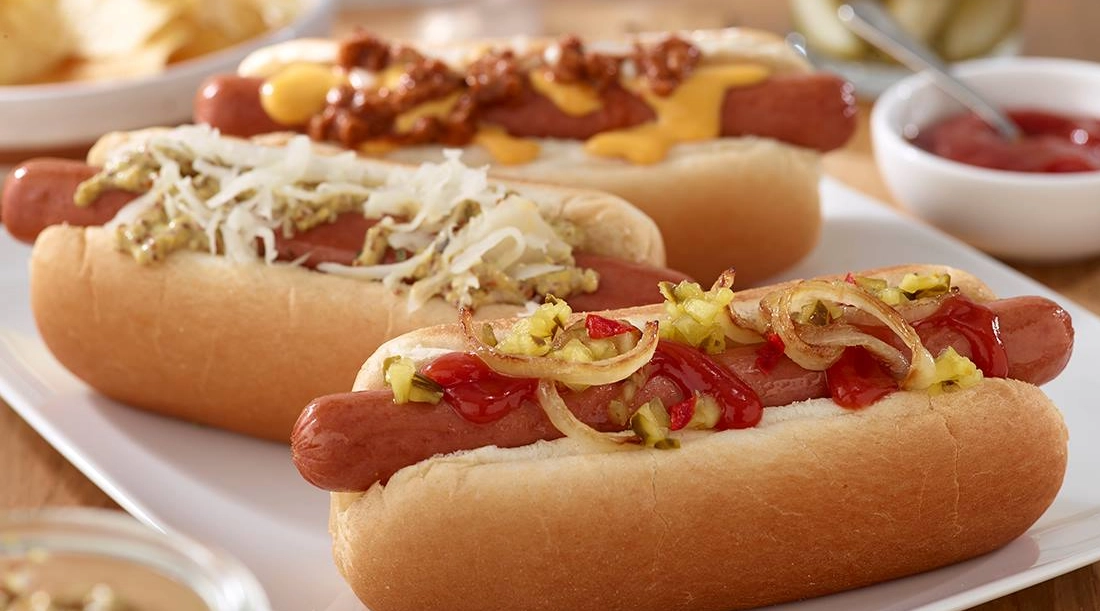
3. Barbecue
This isn't just grilling; it's a slow-cooked art form. Regional styles vary wildly:
- Texas: Beef brisket, smoked for hours with a pepper-heavy rub.
- Carolinas: Pulled pork with vinegar-based sauce.
- Kansas City: Ribs with sweet, tomato-based sauce.
I spent a summer in Austin, and the barbecue joints had lines out the door by 10 AM. It's a social food, often eaten at picnics or tailgates.
Pro tip: If you're trying American traditional food for the first time, start with a burger and apple pie combo. They're accessible and give you a feel for the comfort-food vibe. Barbecue requires more planning—it's often a day-long affair.
Where to Eat Authentic American Food
You can't just walk into any chain restaurant and call it traditional. Here are specific spots across the USA that nail the classics, based on my visits and local recommendations. I've included details so you can plan a trip.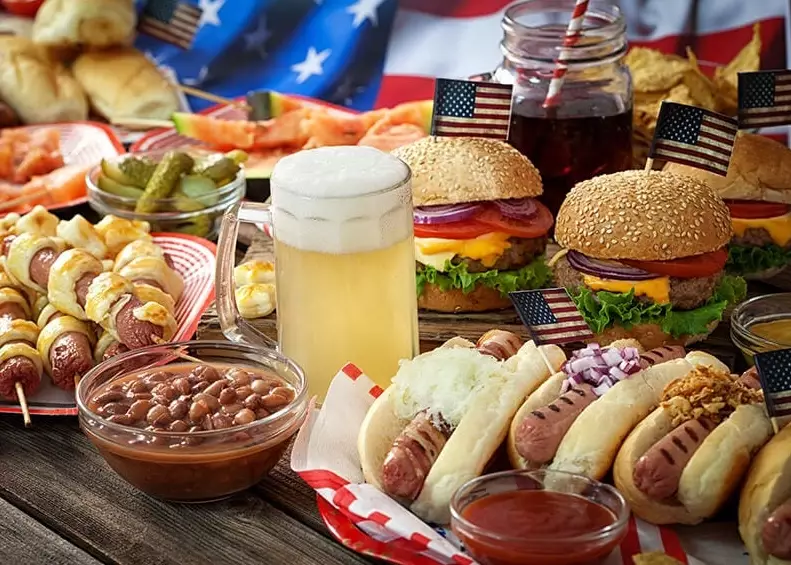
| Restaurant Name | Location | Specialty Dish | Price Range | Hours | Why It's Worth It |
|---|---|---|---|---|---|
| Peter Luger Steak House | 178 Broadway, Brooklyn, NY 11211 | Dry-aged steak burger (lunch only) | $$$ ($30-$50 per person) | Mon-Sun: 11:45 AM–9:45 PM | Old-school vibe, consistently rated one of the best burgers in NYC by locals. |
| Lou Malnati's Pizzeria | Multiple locations in Chicago, IL | Deep-dish pizza (yes, it's American!) | $$ ($20-$30 per person) | Varies by location; typically 11 AM–11 PM | Deep-dish is a Chicago invention—thick, cheesy, and filling. Lou's has been around since 1971. |
| Franklin Barbecue | 900 E 11th St, Austin, TX 78702 | Texas-style brisket | $$ ($25-$40 per person) | Tue-Sun: 11 AM–3 PM or until sold out | Expect a long wait, but the smoky, tender meat is legendary. Get there early. |
| Momofuku Noodle Bar | 171 1st Ave, New York, NY 10003 | Pork buns (fusion, but iconic) | $$ ($15-$30 per person) | Mon-Sun: 12 PM–10 PM | Shows how American cuisine absorbs global flavors—creative and delicious. |
| Bob's Clam Hut | 315 US Route 1, Kittery, ME 03904 | Fried clams and clam chowder | $ ($10-$20 per person) | Mon-Sun: 11 AM–8 PM | Fresh seafood from New England, a regional tradition since 1956. |
These places aren't just tourist traps; they're institutions. I've eaten at Franklin Barb ecue, and yes, the hype is real—but go on a weekday to avoid the crowds. For apple pie, I'd add Pie Hole in Los Angeles (multiple locations, open late, around $5 a slice) for a modern twist.
How to Cook American Classics at Home
If you can't travel, bring the USA to your kitchen. Here's a simple burger recipe that avoids common pitfalls.
Ingredients: 1 lb ground beef (80/20), 4 burger buns, salt, pepper, toppings of choice.
Steps: 1. Shape the beef into 4 patties, about ¾ inch thick. Don't overwork the meat—it gets tough. 2. Season generously with salt and pepper just before cooking. 3. Heat a skillet or grill to high. Cook patties for 3-4 minutes per side for medium-rare. 4. Toast the buns lightly. 5. Assemble with lettuce, tomato, etc.
Most home cooks press down on the burger while cooking, squeezing out juices. Resist that urge! Let it rest for a minute after cooking. For apple pie, use a mix of tart and sweet apples, and blind-bake the crust to prevent sogginess. I learned that the hard way after a soggy pie disaster last Thanksgiving.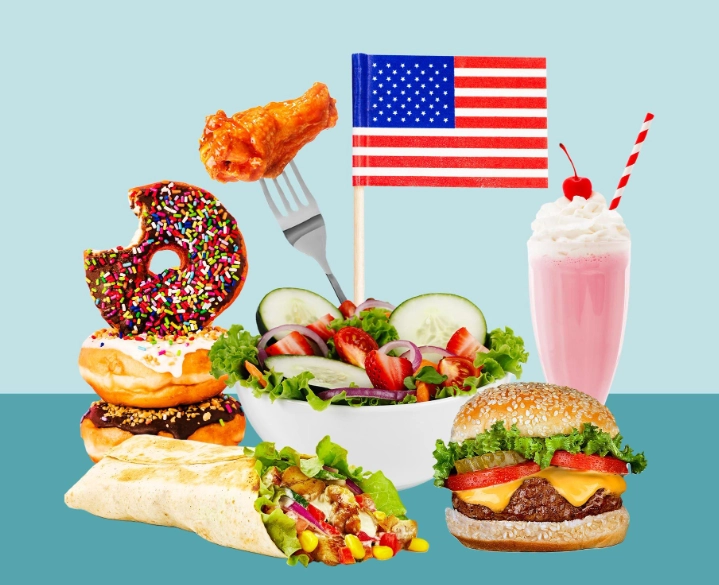
Your Questions Answered
So, what is the traditional dish of the USA? It's a story on a plate—sometimes a burger, sometimes a pie, always evolving. The key is to explore with an open mind and taste the regional variations. Whether you're cooking at home or dining out, focus on the comfort and history behind each bite. Happy eating!





Comments
Leave a Comment